Understanding Vintage Style LED Bulbs: What Sets Them Apart?
Vintage style LED bulbs have carved out a niche in both residential and commercial lighting markets. They combine the nostalgic charm of classic incandescent bulbs with the energy efficiency and longevity of modern LED technology. For lighting contractors, knowing the distinct features of these bulbs is crucial when advising clients or specifying lighting for projects.
Unlike traditional LED bulbs that prioritize function over form, vintage style LEDs focus heavily on aesthetics. They often replicate the filament design of Edison bulbs, featuring visible filaments arranged in intricate patterns that glow warmly. This design appeals to clients seeking ambiance and character without sacrificing energy savings.
Another key difference lies in the light quality. Vintage style LEDs typically emit a warm color temperature, often around 2200K to 2700K, which mimics the soft, inviting glow of incandescent bulbs. This warmth is essential in hospitality, retail, and residential settings where atmosphere matters.
In addition to their aesthetic appeal, vintage style LED bulbs are designed with versatility in mind. They come in various shapes and sizes, including globes, tubes, and chandeliers, allowing them to fit seamlessly into diverse lighting fixtures and styles. This adaptability makes them a favorite among interior designers and homeowners alike, who appreciate the ability to customize their lighting schemes without compromising on energy efficiency. Furthermore, many vintage style LEDs are now available with dimmable options, enabling users to adjust the brightness to suit different occasions, from a cozy dinner setting to lively gatherings.
Moreover, the environmental impact of vintage style LED bulbs is another significant factor driving their popularity. As consumers become increasingly conscious of their carbon footprint, the energy-saving capabilities of these bulbs stand out. By consuming significantly less power than traditional incandescent bulbs while offering a comparable light output, vintage LEDs not only reduce electricity bills but also contribute to a more sustainable future. This eco-friendly aspect resonates particularly well with businesses aiming to enhance their green credentials, making vintage style LEDs an attractive choice for establishments looking to combine style with sustainability.
Key Technical Considerations for Contractors
Wattage and Energy Efficiency
One of the main selling points of vintage style LED bulbs is their energy efficiency. They consume significantly less power than their incandescent counterparts—sometimes up to 80% less—while providing comparable light output. For contractors, this means clients can enjoy the vintage look without high electricity bills.
However, wattage ratings on vintage LEDs can be misleading if compared directly to incandescent bulbs. A 4-6 watt vintage LED bulb may produce the same brightness as a 40-60 watt incandescent. Confirming lumen output rather than wattage is the best way to assess brightness and ensure client expectations are met. Additionally, it’s important to consider the long-term savings associated with these bulbs. Over their lifespan, vintage LEDs can last anywhere from 15,000 to 25,000 hours, significantly reducing the frequency of replacements and maintenance costs. This longevity not only benefits the client financially but also contributes to sustainability efforts by minimizing waste.
Color Rendering Index (CRI)
CRI is a measure of how accurately a light source reveals colors compared to natural light. Vintage style LEDs generally offer CRI values between 80 and 95, which is excellent for most applications. High CRI is especially important in retail or hospitality environments where true color representation enhances the customer experience.
Contractors should verify CRI values when selecting bulbs, particularly if the lighting will highlight merchandise, artwork, or interior finishes. A bulb with a low CRI can distort colors and diminish the overall aesthetic. Furthermore, the impact of lighting on mood and perception cannot be overstated. In environments such as restaurants or galleries, the right CRI can create an inviting atmosphere that encourages patrons to linger longer, ultimately boosting sales and enhancing customer satisfaction. Therefore, understanding the nuances of color rendering can be a valuable asset for contractors aiming to deliver exceptional results.
Compatibility with Dimmers and Controls
Many vintage style LED bulbs are designed to be dimmable, but compatibility with existing dimmer switches can vary. Unlike incandescent bulbs, LEDs require specific dimmer types to avoid flickering or reduced bulb life.
Lighting contractors must test bulbs with the dimmers installed on-site or consult manufacturer specifications. Some vintage LEDs perform best with trailing-edge dimmers, while others may require specialized LED-compatible dimmers. This consideration is vital in hospitality and residential projects where lighting ambiance is controlled dynamically. Additionally, the integration of smart lighting systems is becoming increasingly popular, allowing for remote control and automation of lighting settings. Contractors should be aware of the latest technologies and ensure that the vintage LEDs selected are compatible with these systems, providing clients with not only aesthetic appeal but also modern functionality. This foresight can greatly enhance the value of the installation and cater to the evolving needs of clients seeking convenience and efficiency in their lighting solutions.
Installation and Application Insights
Fixture Compatibility and Socket Types
Vintage style LED bulbs come in a variety of shapes and base types, including standard E26/E27, candelabra (E12), and even specialty bases. Contractors should confirm fixture compatibility before installation to avoid costly returns or replacements.
Additionally, the physical size and shape of vintage bulbs can differ from standard LEDs. Some have elongated or globe shapes to replicate antique bulbs, which may not fit well in enclosed or tight fixtures. Always check fixture dimensions and clearance to ensure proper fit and heat dissipation. It’s also worth noting that the aesthetic appeal of vintage bulbs can be enhanced by the choice of fixture; for instance, an exposed filament bulb can create a striking visual impact when paired with an industrial-style pendant or a rustic chandelier. This attention to detail not only elevates the design but also showcases the unique characteristics of the vintage bulbs themselves.
Indoor vs. Outdoor Use
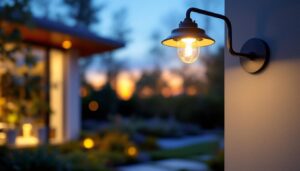
While many vintage style LEDs are designed for indoor use, there are models rated for outdoor or damp locations. Contractors working on exterior lighting projects should verify the bulb’s IP rating and suitability for exposure to moisture and temperature fluctuations.
Using indoor-only bulbs outdoors can lead to premature failure and safety hazards. For outdoor applications, selecting bulbs with appropriate weatherproofing and durability is essential. Furthermore, the color temperature of outdoor vintage LEDs can significantly influence the atmosphere of outdoor spaces. Warmer tones can create a cozy environment for patios and gardens, while cooler tones might be better suited for modern outdoor settings. Understanding the desired ambiance can guide contractors in their selection process, ensuring that the lighting complements the overall design of the outdoor area.
Creating Ambiance with Vintage LEDs
One of the biggest advantages of vintage style LED bulbs is their ability to create a warm, inviting ambiance. Their soft glow and filament design add character to spaces like cafes, bars, boutique stores, and homes.
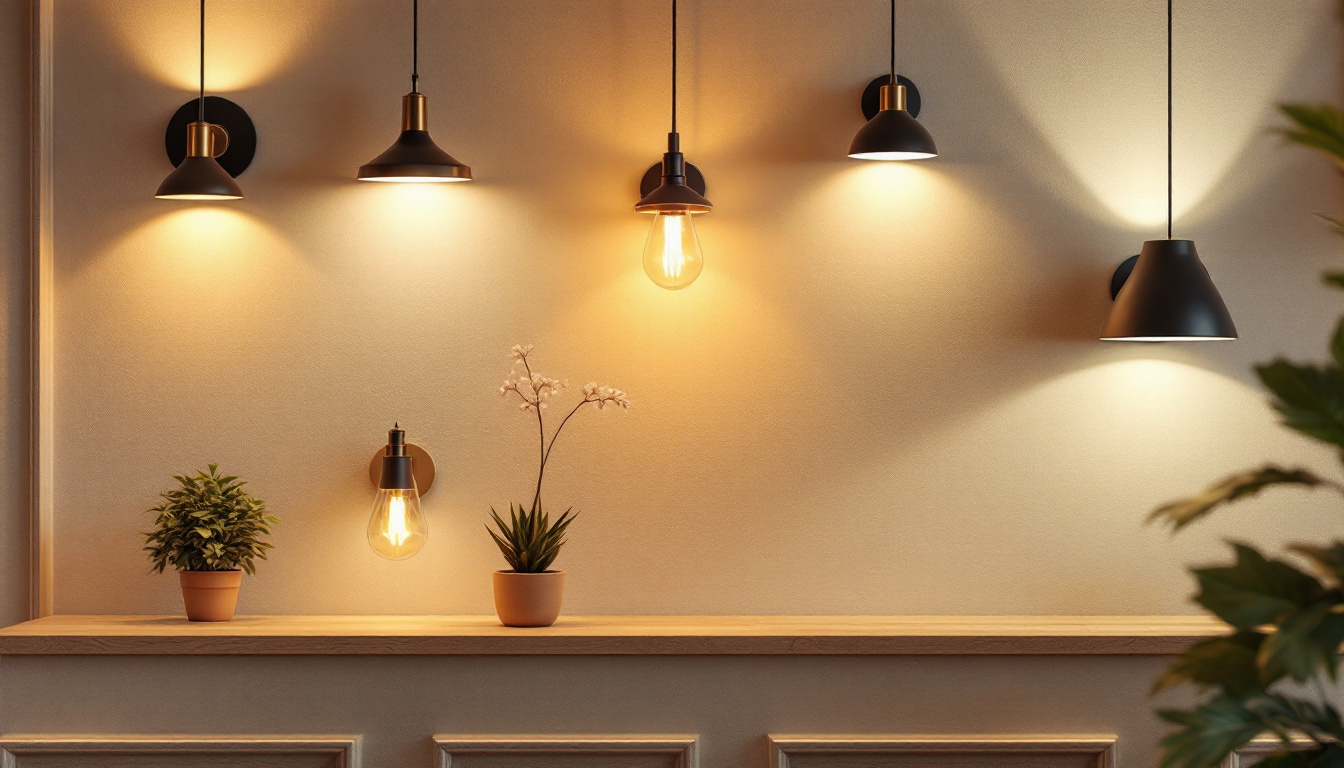
Contractors can leverage this by mixing vintage LEDs with modern fixtures or using them as statement pieces in pendant lights and chandeliers. Layering lighting with a combination of vintage LEDs and other light sources enhances depth and mood, offering clients a unique and tailored lighting experience. Additionally, the dimmability of many vintage LED bulbs allows for further customization of the ambiance; by incorporating dimmer switches, clients can easily adjust the brightness to suit different occasions, from lively gatherings to intimate dinners. This flexibility not only enhances the functionality of the space but also allows for a personal touch that reflects the tastes and preferences of the occupants.
Maintenance and Longevity Considerations
Expected Lifespan and Reliability
Vintage style LED bulbs typically offer lifespans ranging from 15,000 to 25,000 hours, significantly longer than incandescent bulbs. This longevity reduces maintenance frequency and replacement costs, a selling point contractors should highlight to clients managing commercial spaces.
However, lifespan can be affected by factors such as voltage fluctuations, fixture type, and environmental conditions. Proper installation and using bulbs within their rated specifications help maximize longevity.
Heat Management
Although LEDs generate less heat than incandescent bulbs, vintage style LEDs with exposed filaments may still produce some warmth. Ensuring fixtures allow for adequate heat dissipation is important to avoid overheating, which can shorten bulb life.
Contractors should avoid installing vintage LEDs in fully enclosed fixtures unless the bulbs are specifically rated for such use. Proper ventilation extends bulb life and maintains performance.
Cost and Value Analysis for Clients
Initial Investment vs. Long-Term Savings
Vintage style LED bulbs generally have a higher upfront cost than standard incandescent or basic LED bulbs. However, their energy efficiency and longevity translate into significant savings over time.
Lighting contractors should prepare clear cost-benefit analyses for clients, outlining potential reductions in energy bills and maintenance expenses. This transparency helps clients make informed decisions and appreciate the value of investing in vintage style LEDs.
Design Impact on Property Value
Well-designed lighting can enhance the perceived value of a property. Vintage style LED bulbs contribute to this by adding a distinctive, upscale look that appeals to buyers and customers alike.
For commercial clients, such as restaurant owners or boutique retailers, the right lighting can improve customer dwell time and satisfaction. Contractors who understand these benefits can better position vintage LEDs as both a practical and aesthetic upgrade.
Final Tips for Lighting Contractors
Before specifying vintage style LED bulbs, conduct thorough site assessments to understand client needs and existing infrastructure. Testing bulbs in the actual environment helps avoid surprises related to dimming compatibility or fixture fit.
Keep abreast of new product developments and manufacturer updates. The vintage LED market evolves rapidly, with improvements in filament design, color quality, and smart lighting integration.
Lastly, educate clients about the unique characteristics of vintage style LEDs. Clear communication about expected light quality, dimmer requirements, and maintenance ensures satisfaction and reduces callbacks.
Illuminate Your Projects with LumenWholesale
Ready to elevate your lighting solutions with the charm of vintage style LED bulbs? Look no further than LumenWholesale for a vast selection of spec-grade lighting that combines quality with affordability. Our commitment to providing contractors with superior products at wholesale prices means you can achieve the perfect ambiance for any project without breaking the bank. Plus, with free shipping on bulk orders, you can stock up on premium lighting effortlessly. Don’t let inflated markups dim your vision—choose LumenWholesale and make your lighting projects shine. Discover our unbeatable deals and Wholesale Lighting at the Best Value today!