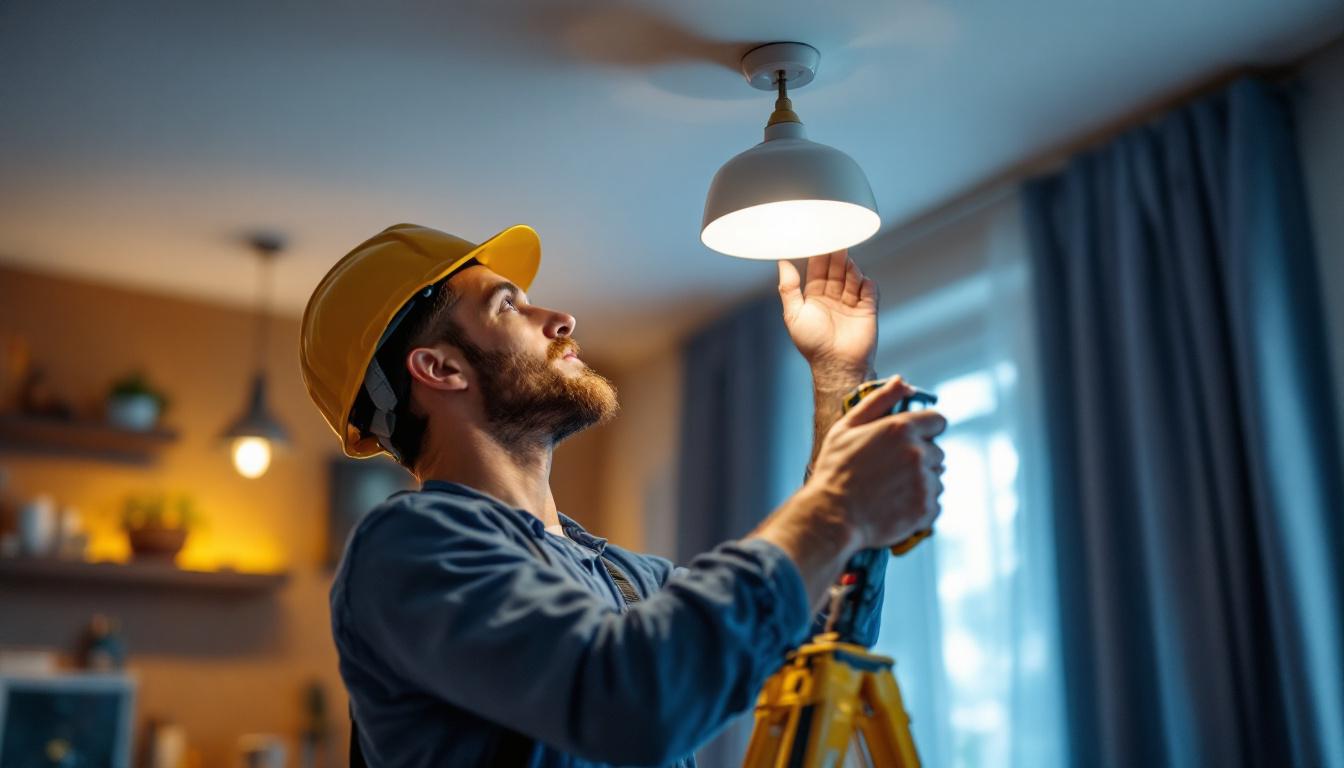
Understanding the Importance of Proper Ceiling Light Holder Installation
Ceiling light holders might seem like a small component in the grand scheme of lighting installation, but their role is critical. They serve as the foundation for securing fixtures, ensuring electrical safety, and maintaining the aesthetic integrity of a space. For lighting contractors, mastering the nuances of ceiling light holders is essential—not just for a flawless finish, but for the safety and satisfaction of clients.
Incorrect installation or selection of a ceiling light holder can lead to a host of problems, including flickering lights, fixture instability, or even electrical hazards. In fact, many service calls and repairs stem from issues related to the light holder rather than the fixture itself. Understanding the do’s and don’ts in this area can save time, reduce callbacks, and build a reputation for quality workmanship.
Moreover, the variety of ceiling light holders available on the market today adds another layer of complexity to the installation process. From standard mounts to more specialized options like adjustable brackets and decorative canopies, each type serves a unique purpose and is designed for specific lighting fixtures. Selecting the right holder not only ensures compatibility but also enhances the overall design of the space. For instance, a sleek, modern holder can complement contemporary fixtures, while a vintage-style holder might be more appropriate for traditional or rustic decor. This attention to detail can elevate a project from ordinary to extraordinary, showcasing the contractor’s expertise and design sensibility.
Additionally, understanding the electrical requirements associated with different ceiling light holders is crucial. Each holder has a weight limit and electrical rating that must be adhered to in order to prevent accidents or malfunctions. Contractors should also be familiar with local building codes and regulations, which can vary significantly by region. This knowledge not only protects the contractor from potential legal issues but also ensures that the installation meets safety standards, providing peace of mind to clients. By prioritizing proper installation techniques and staying informed about industry standards, contractors can foster trust and build long-lasting relationships with their clients.
Do: Choose the Right Type of Ceiling Light Holder for the Job
Not all ceiling light holders are created equal. The type you select must align with the fixture design, ceiling material, and electrical requirements. For example, a heavy chandelier demands a robust, load-bearing holder, while a simple flush mount can use a lighter, standard holder.
Consider the mounting surface carefully. Drywall ceilings require different anchors and holders compared to concrete or wood. Using the wrong type can lead to fixture sagging or detachment over time. Always check the manufacturer’s specifications and local electrical codes before making a selection.
Additionally, pay attention to the electrical rating of the holder. It must support the wattage and voltage of the fixture to prevent overheating or electrical failure. Using a holder rated for lower wattage than the fixture can cause dangerous situations, including fire risks.
Examples of Ceiling Light Holder Types
Common types include screw-in holders, push-in holders, and bracket-mounted holders. Screw-in holders are typical for standard bulbs and fixtures, offering straightforward installation. Push-in holders are often used in recessed lighting, providing a clean look. Bracket-mounted holders are necessary for heavier or decorative fixtures, ensuring secure attachment to ceiling joists or supports.
In addition to these common types, there are also specialized holders designed for unique lighting applications. For instance, pendant light holders can accommodate a variety of styles, from industrial to modern, and often feature adjustable lengths to suit different ceiling heights. Similarly, track lighting holders allow for versatile arrangements, enabling you to direct light where it’s needed most, whether for task lighting in a kitchen or ambient lighting in a living room.
Moreover, consider the aesthetic aspect of your ceiling light holder. With the rise of interior design trends that emphasize both functionality and style, holders are now available in various finishes and designs, such as matte black, brushed nickel, or antique brass. Choosing a holder that complements your overall decor can enhance the visual appeal of your space, making it not just a source of light but also a statement piece in your home.
Don’t: Overlook Electrical Safety and Code Compliance
Electrical safety is non-negotiable. Lighting contractors must adhere strictly to national and local electrical codes when installing ceiling light holders. This includes proper grounding, secure wiring connections, and the use of approved materials. Compliance with these codes not only ensures the safety of the installation but also protects the integrity of the electrical system as a whole, preventing costly repairs or hazards down the line.
One common mistake is neglecting to turn off power at the breaker before starting work. This simple precaution prevents electrical shock and injury. Always verify power is off using a reliable voltage tester before handling wires or installing holders. Additionally, it’s wise to inform others in the vicinity that work is being done, as this can help prevent accidental reactivation of the circuit while you’re working.
Another critical point is ensuring wire connectors are tight and insulated. Loose connections can cause arcing, leading to premature fixture failure or fire hazards. Use wire nuts or other approved connectors, and never twist wires together without securing them properly. Moreover, it’s beneficial to regularly inspect existing connections in older installations, as wear and tear can compromise the safety and functionality of the electrical system over time.
Grounding and Bonding
Proper grounding of the ceiling light holder is essential. Many holders come with a grounding screw or clip that must be attached to the grounding wire. This step protects against electrical faults and ensures the fixture is safe to touch. Failure to ground correctly is a common cause of electrical shock incidents during maintenance or bulb replacement. Furthermore, grounding not only safeguards against shocks but also helps in the effective operation of circuit protection devices, such as circuit breakers, which can trip in the event of a fault.
In addition to grounding, bonding is equally important. Bonding involves connecting various metal parts of the electrical system to ensure they are at the same electrical potential. This reduces the risk of shock and enhances the overall safety of the installation. For ceiling light holders, ensuring that all metal components are properly bonded can prevent dangerous voltage differences that may arise due to faults or lightning strikes. Regular inspections and adherence to bonding practices can significantly enhance safety and reliability in both residential and commercial settings.
Do: Inspect and Prepare the Installation Site Thoroughly
Before installing a ceiling light holder, a thorough inspection of the site is crucial. Check the ceiling structure for stability and ensure there is adequate support for the fixture’s weight. If the existing holder is damaged or outdated, replace it rather than attempting a quick fix.
Look for signs of water damage, cracks, or other structural issues that might compromise the installation. Moisture can corrode electrical components and create hazards. If the ceiling is damp or prone to leaks, use holders rated for damp or wet locations.
Preparing the site also means confirming the electrical box is securely mounted and sized appropriately. An undersized or loose box can cause the fixture to wobble or fall. For heavy fixtures, consider installing a fan brace or a support bar designed to handle increased loads.
Pre-Wiring Checks
Verify that the wiring is in good condition, with no frayed insulation or exposed conductors. Old wiring may need replacement to comply with safety standards. Also, ensure the wires are long enough to connect comfortably to the holder without strain.
Don’t: Rush the Installation Process
Speed can be the enemy of quality when it comes to installing ceiling light holders. Rushing increases the risk of mistakes-improper wiring, insecure mounting, or damaged components. Taking the time to follow each step carefully ensures a safe, durable installation.
Double-check all connections before restoring power. Confirm that the holder is firmly attached and that the fixture aligns correctly with the ceiling. Test the light after installation to catch any issues immediately.
Remember, a well-installed ceiling light holder reduces the likelihood of service calls and enhances your professional reputation. Clients notice when a job is done right the first time.
Do: Use Quality Tools and Materials
Investing in high-quality tools and materials pays off in the long run. Reliable wire strippers, voltage testers, and screwdrivers make the job easier and safer. Similarly, using certified ceiling light holders and electrical boxes ensures compliance with safety standards and durability.
Cheap or counterfeit holders may look identical to genuine products but often fail under stress or over time. They might have inferior insulation, weak mounting points, or substandard electrical contacts. These defects can lead to fixture failure or safety hazards.
Always source materials from reputable suppliers and verify certifications such as UL listing or equivalent approvals. This diligence protects both the contractor and the client.
Don’t: Ignore Manufacturer Instructions and Warranty Terms
Each ceiling light holder comes with specific installation instructions from the manufacturer. Ignoring these can void warranties and lead to improper installation. Follow guidelines on mounting, wiring, and load limits precisely.
Some manufacturers provide detailed torque specifications for screws or recommend particular wire types. Adhering to these details ensures optimal performance and safety. If instructions are unclear, consult technical support rather than guessing.
Warranty terms often require professional installation. Failure to comply can leave the client without coverage if issues arise. This can damage your professional credibility and result in costly repairs.
Final Thoughts: Building Trust Through Expertise
Ceiling light holders are small but vital components that demand attention to detail and respect for safety standards. Lighting contractors who master the do’s and don’ts of installation will not only deliver superior results but also build lasting client trust.
Proper selection, meticulous installation, and adherence to safety codes protect everyone involved and enhance the overall quality of the lighting system. Taking the time to do the job right pays dividends in fewer callbacks, better reviews, and a stronger professional reputation.
Get Your Premium Ceiling Light Holders at LumenWholesale
Ready to elevate your lighting installations with the highest quality ceiling light holders? Look no further than LumenWholesale, where we provide contractors with spec-grade lighting products at unbeatable wholesale prices. Our extensive selection is designed to meet the most rigorous industry standards, ensuring you deliver reliable and high-performance lighting solutions to your clients. With free shipping on bulk orders, you can stock up on premium lighting essentials without worrying about hidden fees or inflated costs. Make your next project shine with the perfect blend of quality, affordability, and convenience at LumenWholesale – Wholesale Lighting at the Best Value.