Understanding the Importance of a Proper Light Hang
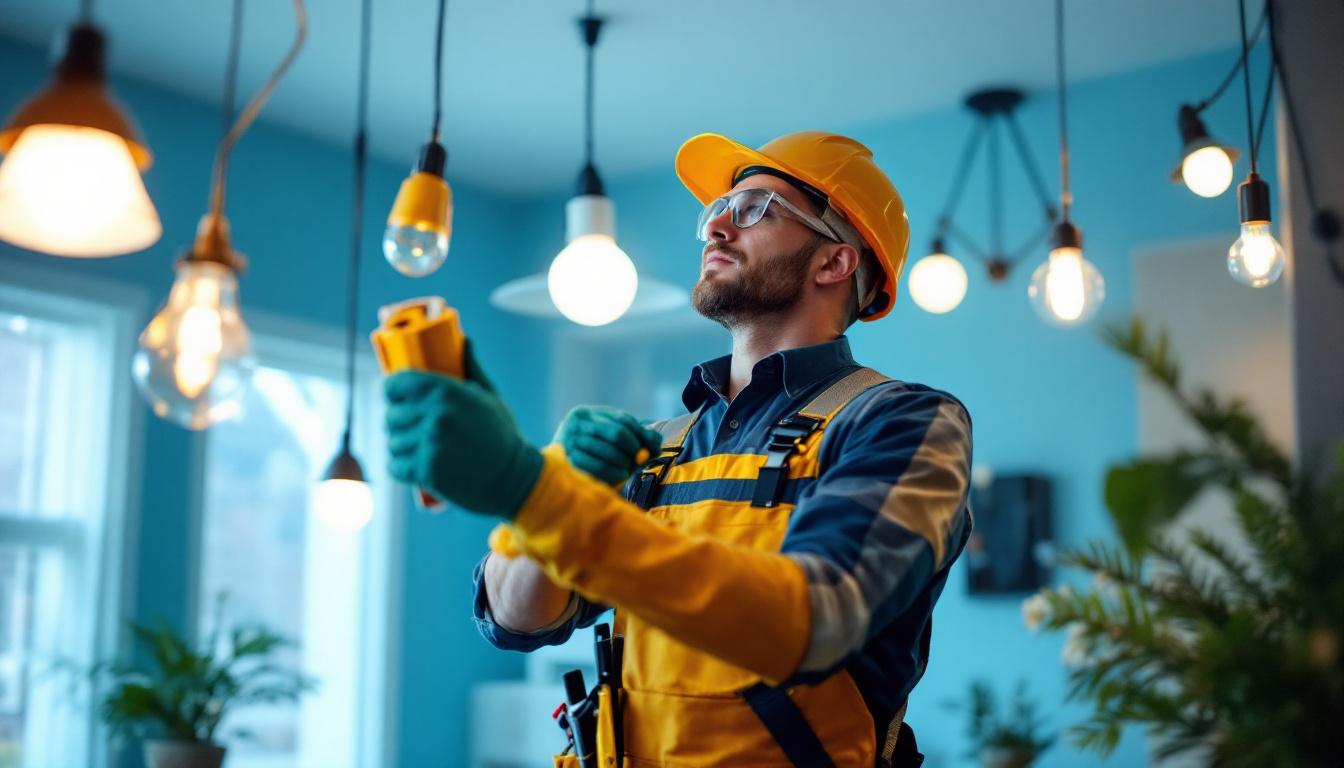
Every lighting contractor knows that the way a fixture is hung can make or break a project. It’s not just about aesthetics—though that matters a lot—but also about safety, functionality, and longevity. A poorly hung light can lead to uneven illumination, premature wear, or even pose hazards to occupants. This is why mastering the art and science of light hanging is essential.
Proper light hanging ensures that fixtures remain secure over time, resist environmental factors like vibration or temperature changes, and deliver the intended lighting effect. Whether working on commercial spaces, residential homes, or industrial settings, understanding the nuances behind different hanging methods can save hours of troubleshooting and prevent costly callbacks.
In addition to the technical aspects, the choice of hanging method can significantly influence the ambiance of a space. For instance, pendant lights hung at varying heights can create a dynamic visual interest in a dining area, while recessed lighting can provide a sleek, modern look without disrupting the ceiling line. Moreover, the use of dimmers in conjunction with proper hanging techniques can further enhance the versatility of lighting, allowing occupants to adjust the atmosphere according to their needs. This interplay between design and functionality is crucial for achieving a well-rounded lighting solution.
Furthermore, the materials and tools used in the hanging process also play a pivotal role. High-quality hardware not only ensures that fixtures are securely mounted but also contributes to the overall aesthetic appeal. For example, using decorative chains or cables can add a touch of elegance to a chandelier, while sturdy brackets are essential for heavier fixtures. Additionally, understanding the electrical requirements and ensuring proper wiring during installation can prevent future complications, such as flickering lights or electrical hazards. By prioritizing these details, contractors can enhance both the safety and the visual impact of their lighting projects.
Choosing the Right Hanging Method for Different Fixtures
Ceiling-Mounted Fixtures
Ceiling-mounted fixtures are among the most common types contractors encounter. These include flush mounts, semi-flush mounts, and recessed lighting. For flush and semi-flush mounts, the key is ensuring the fixture is anchored securely to a solid junction box or ceiling joist. Using the appropriate mounting hardware rated for the fixture’s weight is non-negotiable. Additionally, it’s wise to consider the aesthetic alignment of the fixture with the room’s overall design. A well-placed flush mount can enhance a room’s ambiance, while a poorly positioned one may disrupt the flow of the space.
Recessed lights require a different approach. They often come with adjustable mounting brackets that secure the housing between joists. Contractors should verify that the housing is properly sealed and insulated to prevent heat loss or moisture intrusion, especially in insulated ceilings. Furthermore, the spacing of recessed lights plays a crucial role in achieving the desired lighting effect. A common rule of thumb is to space them about 4 to 6 feet apart, depending on the ceiling height and the wattage of the bulbs used. This ensures even illumination and helps avoid dark spots in the room.
Pendant and Chandeliers
Hanging pendants and chandeliers demands precision. These fixtures often carry significant weight and require robust support. The mounting box must be rated for heavy fixtures, sometimes up to 50 pounds or more. It’s common to reinforce ceiling joists or install cross braces to ensure stability. Moreover, the height at which these fixtures are hung can significantly impact both functionality and aesthetics. For instance, dining room chandeliers should typically hang 30 to 36 inches above the table to provide optimal lighting without obstructing views.
Chain or cable suspensions offer flexibility in height adjustment, but they must be installed with care to avoid twisting or uneven weight distribution. When wiring through chains or cables, contractors should leave enough slack to accommodate adjustments without stressing the connections. Additionally, considering the color temperature of the bulbs used in these fixtures can enhance the overall atmosphere. Warmer tones create a cozy environment, while cooler tones can be more energizing, making it essential to choose wisely based on the intended use of the space.
Track and Cable Lighting Systems
Track lighting offers versatility but requires meticulous alignment. The tracks must be mounted on a flat, stable surface, and each section should be securely connected to avoid electrical discontinuities. Proper planning of the track layout is crucial; it should be designed to highlight specific areas or features in a room, such as artwork or architectural details. This type of lighting is especially beneficial in spaces that serve multiple functions, allowing for easy reconfiguration as needs change.
Cable lighting systems, which suspend fixtures from tensioned cables, demand precise tensioning and anchoring to maintain straight lines and prevent sagging over time. The choice of fixtures in a cable system can also affect the overall design; sleek, minimalist fixtures can create a modern look, while more ornate designs might add a touch of elegance. Additionally, integrating dimmers into these systems can provide further control over the ambiance, allowing users to adjust the lighting to suit different occasions or moods effortlessly.
Tools and Hardware That Make a Difference
Having the right tools and hardware can transform a challenging light hang into a straightforward task. Here are some essentials that every lighting contractor should have on hand:
- Voltage Tester: Ensures circuits are de-energized before installation, preventing accidents.
- Stud Finder: Helps locate joists or studs for secure mounting points.
- Fish Tape or Wire Puller: Facilitates running wires through walls or ceilings.
- Adjustable Wrenches and Pliers: For tightening mounting hardware without damaging fixtures.
- Level: Guarantees fixtures hang straight, especially important for pendant lights.
- Mounting Brackets and Cross Braces: Provide additional support for heavy fixtures.
Choosing high-quality hardware, such as stainless steel anchors or heavy-duty mounting boxes, can prevent corrosion and failure. It’s worth investing in components that meet or exceed industry standards, especially for commercial or outdoor installations. Additionally, having a variety of screws and fasteners on hand can save time during installation, as different fixtures may require specific types or lengths of screws. A well-organized toolbox can streamline the process, allowing contractors to quickly find what they need without rummaging through a cluttered space.
Moreover, the importance of safety gear cannot be overstated. Proper personal protective equipment (PPE) such as gloves, safety glasses, and hard hats should always be part of a contractor’s toolkit. These items not only protect against physical injuries but also instill a sense of professionalism and responsibility on the job site. Furthermore, staying updated with the latest tools and technology, such as smart lighting systems and energy-efficient fixtures, can enhance a contractor’s offerings and efficiency, ultimately leading to satisfied clients and repeat business.
Step-by-Step Guide to a Secure and Efficient Light Hang
Preparation and Safety Checks
Before starting any installation, turn off power at the breaker panel and verify with a voltage tester. Confirm that the mounting location is suitable and can support the fixture’s weight. If necessary, reinforce the ceiling structure or install a rated mounting box.
Mounting the Fixture
Begin by attaching the mounting bracket or plate to the junction box or ceiling support. Ensure it is level and firmly secured. For heavy fixtures, use additional hardware like toggle bolts or cross braces to distribute weight evenly.
When hanging pendants or chandeliers, adjust the chain or cable length before connecting the wiring. This prevents strain on the electrical connections and allows for final height adjustments once the fixture is fully installed.
Wiring and Final Adjustments
Connect the fixture wires to the supply wires using wire nuts or connectors rated for the application. Match colors carefully-typically black to black (hot), white to white (neutral), and green or bare copper to ground. Double-check connections for tightness and proper insulation.
After securing the fixture, restore power and test the light. Check for flickering or uneven illumination, which can indicate loose connections or faulty bulbs. Adjust the fixture’s position if necessary to achieve the desired lighting effect.
Common Challenges and How to Overcome Them
Uneven or Sagging Fixtures
Sagging pendants or chandeliers often result from inadequate support or improper tensioning of suspension cables. Reinforcing the mounting point and ensuring cables or chains are taut can eliminate this problem. In some cases, replacing worn hardware is necessary.
Difficulty Accessing Junction Boxes
Older buildings may have junction boxes buried behind drywall or plaster. Using inspection cameras or carefully removing small sections of the ceiling can help locate these boxes. When boxes are missing or damaged, installing a new, accessible box is critical for safety and code compliance.
Dealing with Irregular Ceiling Surfaces
Vaulted or sloped ceilings pose unique challenges. Specialized mounting brackets designed for angled surfaces can provide a secure base. Adjustable rods or cables allow fixtures to hang vertically, maintaining proper orientation and aesthetics.
Best Practices for Efficiency and Quality
Experienced contractors know that preparation is half the battle. Planning the installation, verifying all components beforehand, and having a clear understanding of the project’s requirements can reduce errors and delays.
Documenting each installation with photos and notes helps track what was done and can be invaluable if issues arise later. Staying updated with local electrical codes and manufacturer guidelines ensures compliance and safety.
Finally, communicating clearly with clients about fixture placement, height, and style preferences leads to better satisfaction and fewer last-minute changes.
Conclusion: Mastering the Art of Light Hanging
Light hanging is more than just a mechanical task-it’s a blend of technical skill, attention to detail, and practical problem-solving. By selecting the right methods, tools, and hardware, lighting contractors can deliver installations that look great, perform reliably, and stand the test of time.
Every project brings its own challenges, but with proven techniques and a commitment to quality, contractors can confidently tackle any light hang with professionalism and precision.
Get Your Lighting Essentials at LumenWholesale
Ready to elevate your lighting projects with the best products on the market? Look no further than LumenWholesale for all your lighting needs. Our extensive selection of spec-grade lighting products is designed to meet the highest industry standards, ensuring you can deliver exceptional quality with every installation. Say goodbye to inflated markups and hello to unbeatable wholesale prices, free shipping, and the convenience of bulk buying. Don’t compromise on quality or value—choose LumenWholesale for reliable, high-performance lighting solutions. Wholesale Lighting at the Best Value is just a click away.