Understanding LED Adjustable Lighting: An Overview
LED adjustable lights have revolutionized the lighting industry, offering unparalleled flexibility, energy efficiency, and design versatility. For lighting contractors, mastering the nuances of these fixtures is essential to meet client demands and stay competitive in a rapidly evolving market.
At its core, an LED adjustable light fixture allows for the modification of light direction, intensity, and sometimes even color temperature. This adaptability makes it ideal for commercial, residential, and specialized lighting applications where precision and ambiance are critical. For instance, in a retail environment, adjustable LED lights can be directed to highlight specific products, creating an inviting atmosphere that draws customers in and encourages purchases. Similarly, in residential settings, homeowners can tailor their lighting to suit various activities, from bright, focused light for reading to softer, warmer tones for relaxation.
With the growing emphasis on sustainable building practices and smart home integration, LED adjustable lights are increasingly favored for their low power consumption and compatibility with advanced control systems. These systems often include features such as dimming capabilities, remote control via smartphone apps, and integration with home automation platforms. This not only enhances user convenience but also contributes to energy savings, as users can adjust lighting based on their needs and preferences. Furthermore, many modern LED fixtures are designed with longevity in mind, boasting lifespans that far exceed traditional lighting options, which reduces waste and the frequency of replacements.
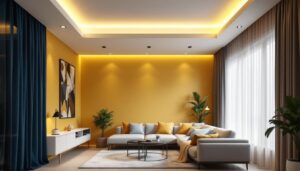
Another significant advantage of LED adjustable lighting is its ability to enhance the aesthetic appeal of a space. By strategically placing adjustable fixtures, designers can create dynamic lighting schemes that change the perception of a room’s size and shape. For example, uplighting can make ceilings appear higher, while downlighting can create cozy nooks. The color rendering capabilities of LED lights also allow for the accurate depiction of colors, which is particularly important in settings like art galleries or photography studios, where the true colors of artworks need to be showcased effectively. As technology continues to advance, the possibilities for creative lighting solutions using LED adjustable lights are virtually limitless, making them a staple in both contemporary and traditional design schemes.
Key Features and Benefits of LED Adjustable Lights
Energy Efficiency and Longevity
One of the most compelling advantages of LED technology is its energy efficiency. LED adjustable lights consume significantly less power compared to traditional incandescent or halogen fixtures, often reducing energy usage by up to 75%. This translates into lower operational costs for clients and aligns with green building standards. Moreover, the reduced energy consumption not only benefits the wallet but also leads to a decrease in carbon footprint, making it an environmentally responsible choice for both residential and commercial applications.
Additionally, LEDs boast an impressive lifespan, often exceeding 50,000 hours. This longevity reduces maintenance frequency and costs, an important consideration for commercial properties and large-scale installations. The durability of LED lights also means they are less prone to breakage and require fewer replacements, which is particularly advantageous in hard-to-reach areas or high ceilings where changing bulbs can be a significant hassle. With their robust construction, LED lights are designed to withstand various environmental conditions, making them suitable for both indoor and outdoor settings.
Flexibility in Lighting Design
The adjustable nature of these LED fixtures allows contractors to tailor lighting schemes precisely. Whether it’s directing light to highlight artwork, creating focused task lighting, or adjusting ambiance in a retail environment, these fixtures provide unmatched versatility. This adaptability is crucial in spaces that require dynamic lighting solutions, such as galleries, restaurants, and offices, where the mood and functionality of the space can change throughout the day.
Many models offer multi-axis rotation, dimming capabilities, and even tunable white options, enabling contractors to customize light output to meet specific project requirements. This level of control allows for the creation of layered lighting designs, which can enhance the aesthetic appeal of a space while also improving its functionality. For instance, in a home office, adjustable lights can be set to a bright, cool white during work hours and then shifted to a warmer tone in the evening, promoting relaxation and comfort.
Compatibility with Smart Controls
Modern LED adjustable lights often integrate seamlessly with smart control systems, including wireless dimmers, motion sensors, and voice-activated platforms. This compatibility enhances user experience and offers contractors opportunities to upsell advanced lighting solutions. The ability to control lighting remotely or through automated systems not only adds convenience but also empowers users to create personalized lighting experiences tailored to their preferences and routines.
Smart controls also contribute to energy savings by enabling automated adjustments based on occupancy or daylight availability. For example, motion sensors can turn lights off when a room is unoccupied, and daylight sensors can adjust the brightness of the lights in response to natural light levels, ensuring optimal illumination while minimizing energy waste. This intelligent approach not only supports sustainability efforts but also enhances the overall efficiency of lighting systems in both residential and commercial environments.
Technical Considerations for Lighting Contractors
Assessing Lumens and Color Temperature
When selecting LED adjustable lights, understanding lumens and color temperature is crucial. Lumens measure the brightness of the light, and contractors must balance sufficient illumination with energy efficiency and client preferences.
Color temperature, measured in Kelvins (K), affects the mood and functionality of a space. Warmer temperatures (2700K–3000K) create cozy atmospheres, while cooler temperatures (4000K–5000K) are better suited for task-oriented environments like offices or workshops.
Beam Angle and Light Distribution
The beam angle determines how concentrated or spread out the light is. Adjustable fixtures often offer multiple beam angle options or the ability to physically redirect the light source. Contractors should evaluate the space’s dimensions and lighting goals to select the appropriate beam angle.
For example, a narrow beam angle (15°–30°) is ideal for accent lighting, whereas wider angles (60° or more) work well for general illumination.
Heat Management and Fixture Durability
LEDs generate less heat than traditional bulbs, but effective heat dissipation remains critical for maintaining performance and lifespan. Lighting contractors should ensure fixtures have adequate thermal management features such as heat sinks or ventilated designs.
Durability is also a key factor, especially in environments exposed to moisture, dust, or mechanical stress. Selecting fixtures with appropriate ingress protection (IP) ratings ensures longevity and client satisfaction.
Installation Best Practices for LED Adjustable Lights
Pre-Installation Planning
Successful installation begins with thorough planning. Contractors should review architectural drawings, electrical layouts, and client requirements to determine optimal fixture placement and control integration.
Coordinating with electricians and other trades early in the process helps avoid conflicts and ensures smooth project execution.
Wiring and Control Integration
Proper wiring is essential to maximize the functionality of adjustable LED lights. Contractors must be familiar with low-voltage and line-voltage wiring standards, as well as protocols for smart control systems such as DALI, Zigbee, or proprietary platforms.
Ensuring compatibility between fixtures and control devices prevents operational issues and enhances user experience.
Adjusting and Testing On-Site
Once installed, fine-tuning the direction and intensity of adjustable lights is critical. Contractors should perform on-site adjustments during different times of day to account for natural light variations and client preferences.
Testing all control features, including dimming and automation, ensures the system operates as intended and meets project specifications.
Common Challenges and Solutions in LED Adjustable Lighting Projects
Addressing Glare and Light Pollution
Improperly aimed or overly bright adjustable lights can cause glare, discomfort, and unwanted light spill. Contractors should use shields, diffusers, or adjust beam angles to minimize these issues.
In outdoor applications, selecting fixtures with cutoff designs helps reduce light pollution and complies with local regulations.
Dealing with Compatibility Issues
Integrating LED adjustable lights with existing electrical systems or control platforms can pose challenges. Contractors should verify voltage requirements, dimming compatibility, and communication protocols before procurement.
When in doubt, consulting manufacturer specifications and seeking technical support can prevent costly rework.
Managing Client Expectations
Clients may have unrealistic expectations regarding lighting effects or energy savings. Clear communication about what LED adjustable lights can achieve, including limitations, helps set realistic goals.
Providing visual aids such as mock-ups or lighting simulations can enhance client understanding and satisfaction.
Emerging Trends and Future Outlook
Advancements in Tunable and Human-Centric Lighting
Human-centric lighting, which adjusts color temperature and intensity to support circadian rhythms, is gaining traction. LED adjustable lights with tunable white capabilities enable contractors to create dynamic lighting environments that promote well-being.
This trend is particularly relevant in healthcare, education, and office settings where lighting impacts productivity and health.
Integration with IoT and Building Automation
The rise of the Internet of Things (IoT) is transforming lighting into an interconnected system. LED adjustable lights equipped with sensors and communication modules can interact with other building systems for optimized energy use and occupant comfort.
Lighting contractors who embrace these technologies position themselves as leaders in smart building solutions.
Sustainability and Regulatory Compliance
As governments and organizations enforce stricter energy codes and sustainability standards, LED adjustable lights will play a pivotal role in compliance. Contractors should stay informed about evolving regulations to advise clients effectively and select compliant products.
Eco-friendly certifications and lifecycle assessments are becoming important decision factors in lighting projects.
Conclusion: The Essential Role of Lighting Contractors in LED Adjustable Lighting
LED adjustable lighting represents a significant advancement in the lighting industry, offering energy savings, design flexibility, and enhanced user experience. For lighting contractors, expertise in selecting, installing, and optimizing these fixtures is crucial to delivering high-quality, future-proof solutions.
By understanding technical specifications, embracing emerging technologies, and addressing common challenges proactively, contractors can elevate their service offerings and contribute to sustainable, innovative lighting environments.
Get the Best in LED Adjustable Lighting with LumenWholesale
Ready to take your lighting projects to the next level? At LumenWholesale, we provide lighting contractors like you with the highest quality, spec-grade LED adjustable lights at prices that can’t be beaten. Say goodbye to local distributor markups and hello to our direct-to-contractor wholesale rates. Our extensive selection not only meets but exceeds industry standards, ensuring your projects shine with reliability and performance. Plus, with free shipping on bulk orders, you can stock up on premium lighting without worrying about hidden fees. Elevate your service offerings with the unbeatable combination of quality, affordability, and convenience at LumenWholesale. Wholesale Lighting at the Best Value is just a click away.