Understanding Area Light LEDs: Fundamentals for Lighting Contractors
Area light LEDs have transformed outdoor and commercial lighting by offering energy efficiency, durability, and superior illumination quality. For lighting contractors, mastering the fundamentals of these fixtures is critical to delivering optimal results to clients and ensuring long-term satisfaction.
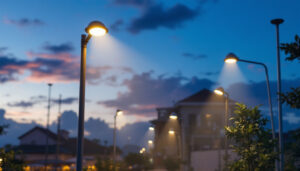
At their core, area light LEDs are designed to illuminate large outdoor spaces such as parking lots, streets, parks, and building perimeters. Unlike traditional high-intensity discharge (HID) lamps, LEDs provide directional light with minimal spill, reducing light pollution and improving visibility. This directional nature allows for more precise lighting layouts, which is essential for safety and aesthetic appeal. Additionally, the longevity of LED fixtures—often rated for 50,000 hours or more—means that contractors can offer clients a reliable solution that minimizes maintenance and replacement costs over time.
Moreover, LED technology offers significant energy savings—often reducing energy consumption by 50% or more compared to legacy lighting solutions. This is a compelling selling point for clients looking to reduce operational costs and meet sustainability goals. However, to fully leverage these benefits, contractors must understand the nuances of LED specifications, including lumen output, color temperature, color rendering index (CRI), and fixture efficacy. Furthermore, the integration of smart technology into LED systems is becoming increasingly popular, allowing for features such as remote control, dimming capabilities, and motion sensors, which can further enhance energy efficiency and user convenience.
Key Specifications to Consider
When selecting area light LEDs, contractors should prioritize the following specifications:
- Lumen Output: Indicates the brightness of the fixture. Proper lumen levels ensure adequate illumination without over-lighting, which can cause glare and waste energy.
- Color Temperature: Measured in Kelvins (K), this affects the ambiance and visibility. Common outdoor lighting temperatures range from 3000K (warm white) to 5000K (cool white). Cooler temperatures tend to enhance visibility but may impact wildlife and human comfort.
- Color Rendering Index (CRI): A higher CRI (above 70) improves color accuracy, which is important for security and aesthetic applications.
- Fixture Efficacy: Lumens per watt (lm/W) measures energy efficiency. Higher efficacy means more light for less energy.
Understanding these parameters enables contractors to recommend fixtures that balance performance, efficiency, and client preferences. Additionally, it is crucial for contractors to stay informed about the latest advancements in LED technology, such as improvements in thermal management and optical design, which can enhance the performance and lifespan of area light fixtures. As the market continues to evolve, being knowledgeable about emerging trends, such as the use of adaptive lighting systems that adjust based on environmental conditions, will further empower contractors to provide innovative solutions tailored to their clients’ needs.
Design and Installation Best Practices for Area Light LEDs
Successful area lighting projects depend on thoughtful design and meticulous installation. Lighting contractors play a pivotal role in ensuring that LED fixtures are positioned and configured to maximize effectiveness while minimizing issues such as glare, light trespass, and maintenance challenges. The integration of advanced technology, such as smart lighting controls, can further enhance the adaptability of area lighting systems, allowing for dynamic adjustments based on real-time conditions and usage patterns.
Site Assessment and Lighting Layout
Before installation, conduct a comprehensive site assessment to understand the spatial requirements and environmental conditions. Key considerations include:
- Purpose of Lighting: Whether the goal is security, aesthetics, or general illumination affects fixture choice and placement. Understanding the specific needs of the area can lead to tailored solutions that enhance both functionality and visual appeal.
- Mounting Height: Higher mounting heights cover larger areas but require higher lumen outputs. Conversely, lower mounts offer more focused lighting, making them ideal for pathways or specific activity zones.
- Spacing and Distribution: Proper spacing prevents dark spots and ensures uniform light distribution. Utilizing photometric analysis software can aid in optimizing fixture placement, allowing for simulations that predict how light will interact with the environment.
- Environmental Factors: Consider wind loads, temperature extremes, and potential exposure to moisture or dust, which influence fixture selection and durability requirements. For instance, areas prone to high winds may necessitate more robust mounting solutions to prevent fixture damage.
Employing these assessments helps avoid common pitfalls such as over-lighting or uneven illumination, which can lead to client dissatisfaction and increased operational costs. Additionally, involving stakeholders in the design process can provide valuable insights and ensure that the lighting solution meets the community’s needs, fostering a sense of ownership and satisfaction.
Mounting and Wiring Considerations
Proper mounting and electrical connections are fundamental to the longevity and performance of area light LEDs. Contractors should adhere to the following guidelines:
- Secure Mounting: Use manufacturer-recommended brackets and hardware to ensure fixtures withstand environmental stresses and maintain alignment. This is particularly important in high-traffic areas where accidental impacts may occur.
- Electrical Safety: Comply with local electrical codes and standards. Use weatherproof enclosures and connectors to protect wiring from moisture and corrosion, which can significantly reduce the lifespan of the installation.
- Surge Protection: Incorporate surge protection devices to safeguard LEDs from voltage spikes, which are common in outdoor installations. This proactive measure can save costs associated with premature fixture replacements.
- Grounding: Proper grounding reduces electrical hazards and improves fixture reliability. Regular inspections of grounding systems can help identify potential issues before they lead to failures.
Attention to these details during installation minimizes maintenance needs and extends fixture lifespan. Furthermore, considering the use of modular designs can facilitate easier upgrades and replacements in the future, ensuring that the lighting system remains current with technological advancements and evolving user needs. Regular training for installation teams on the latest best practices and technologies will also contribute to the overall success of area lighting projects.
Energy Efficiency and Sustainability Strategies
Energy efficiency is a primary advantage of area light LEDs, but maximizing this benefit requires strategic planning. Lighting contractors can help clients achieve sustainability goals by integrating advanced controls and selecting the right fixtures.
Utilizing Controls and Sensors
Incorporating controls such as dimmers, motion sensors, and photocells can dramatically reduce energy consumption by adjusting light levels based on occupancy and ambient light conditions. For example:
- Photocells: Automatically turn lights on at dusk and off at dawn, preventing unnecessary operation during daylight hours.
- Motion Sensors: Dim or switch off lights when no activity is detected, ideal for low-traffic areas.
- Time Scheduling: Allows for customized lighting schedules tailored to specific site usage patterns.
These control systems not only save energy but also extend the life of LED fixtures by reducing operating hours.
Fixture Selection for Sustainability
Choosing fixtures with high efficacy and durable construction supports sustainability. Look for products with certifications such as ENERGY STAR® or DesignLights Consortium (DLC) approval, which indicate verified performance and quality standards. Additionally, opt for fixtures with recyclable materials and modular designs that facilitate easy upgrades or repairs.
By advising clients on these sustainable options, contractors position themselves as trusted partners in environmental stewardship.
Maintenance and Troubleshooting for Area Light LEDs
Although LEDs require less maintenance than traditional lighting, regular inspection and upkeep are essential to ensure consistent performance and safety.
Routine Maintenance Practices
Establishing a maintenance schedule helps identify and address issues before they escalate. Key practices include:
- Cleaning: Remove dirt, dust, and debris from lenses and heat sinks to maintain light output and prevent overheating.
- Visual Inspections: Check for physical damage, corrosion, or loose connections.
- Performance Testing: Monitor lumen output and color consistency to detect early signs of fixture degradation.
Documenting maintenance activities also assists in warranty claims and lifecycle management.
Troubleshooting Common Issues
Despite their reliability, area light LEDs can experience problems such as flickering, dimming, or complete failure. Common causes include:
- Electrical Issues: Loose wiring, voltage fluctuations, or faulty drivers can disrupt operation.
- Environmental Damage: Water ingress or insect infestation may compromise fixture integrity.
- Thermal Stress: Inadequate heat dissipation can shorten LED lifespan.
Contractors should use diagnostic tools such as multimeters and thermal cameras to pinpoint issues efficiently. Prompt resolution enhances client trust and reduces downtime.
Emerging Trends and Innovations in Area Light LEDs
The lighting industry continues to evolve rapidly, with new technologies and design philosophies shaping the future of area light LEDs. Staying informed about these trends enables contractors to offer cutting-edge solutions.
Smart Lighting and IoT Integration
Smart area lighting systems equipped with Internet of Things (IoT) capabilities allow for remote monitoring, adaptive control, and data analytics. These systems can optimize energy use, detect faults automatically, and integrate with broader smart city infrastructure. For contractors, familiarity with these technologies opens opportunities for advanced installations and ongoing service contracts.
Human-Centric and Wildlife-Friendly Lighting
There is growing awareness of the impact of outdoor lighting on human health and ecosystems. Innovations such as tunable white LEDs enable adjustment of color temperature throughout the night to minimize circadian disruption. Additionally, fixtures designed to reduce blue light emissions help protect nocturnal wildlife. Contractors can differentiate their services by incorporating these considerate lighting strategies.
Enhanced Durability and Modular Designs
Manufacturers are increasingly offering modular LED fixtures that simplify upgrades and repairs, reducing waste and lifecycle costs. Advances in materials and coatings also improve resistance to corrosion, UV exposure, and vandalism. Selecting such products benefits both contractors and clients by lowering maintenance burdens and enhancing reliability.
Conclusion: Elevating Area Lighting Through Expertise and Best Practices
For lighting contractors, mastering area light LED technology is essential to delivering high-quality, energy-efficient, and sustainable lighting solutions. By understanding key specifications, implementing thoughtful design and installation practices, leveraging energy-saving controls, and maintaining fixtures diligently, contractors can maximize client satisfaction and project success.
Staying abreast of emerging trends such as smart lighting and human-centric design further positions contractors as industry leaders. Ultimately, the combination of technical expertise and commitment to best practices empowers contractors to illuminate outdoor spaces safely, efficiently, and responsibly.
Illuminate with Confidence with LumenWholesale
Ready to elevate your lighting projects with the best in area light LED technology? Look no further than LumenWholesale for a comprehensive range of spec-grade lighting products that promise quality, affordability, and convenience. Say goodbye to inflated markups and hello to unbeatable wholesale prices, free shipping, and the reliability your projects deserve. Make your next lighting installation a shining success by choosing Wholesale Lighting at the Best Value. Partner with LumenWholesale today and light up your portfolio with confidence.