Understanding T8 and T12 Fluorescent Tubes
Fluorescent lighting has been a staple in commercial and industrial spaces for decades, primarily due to its energy efficiency and long lifespan compared to incandescent bulbs. Among the most common fluorescent tubes are T8 and T12 types, each with distinct characteristics that influence their compatibility and performance.
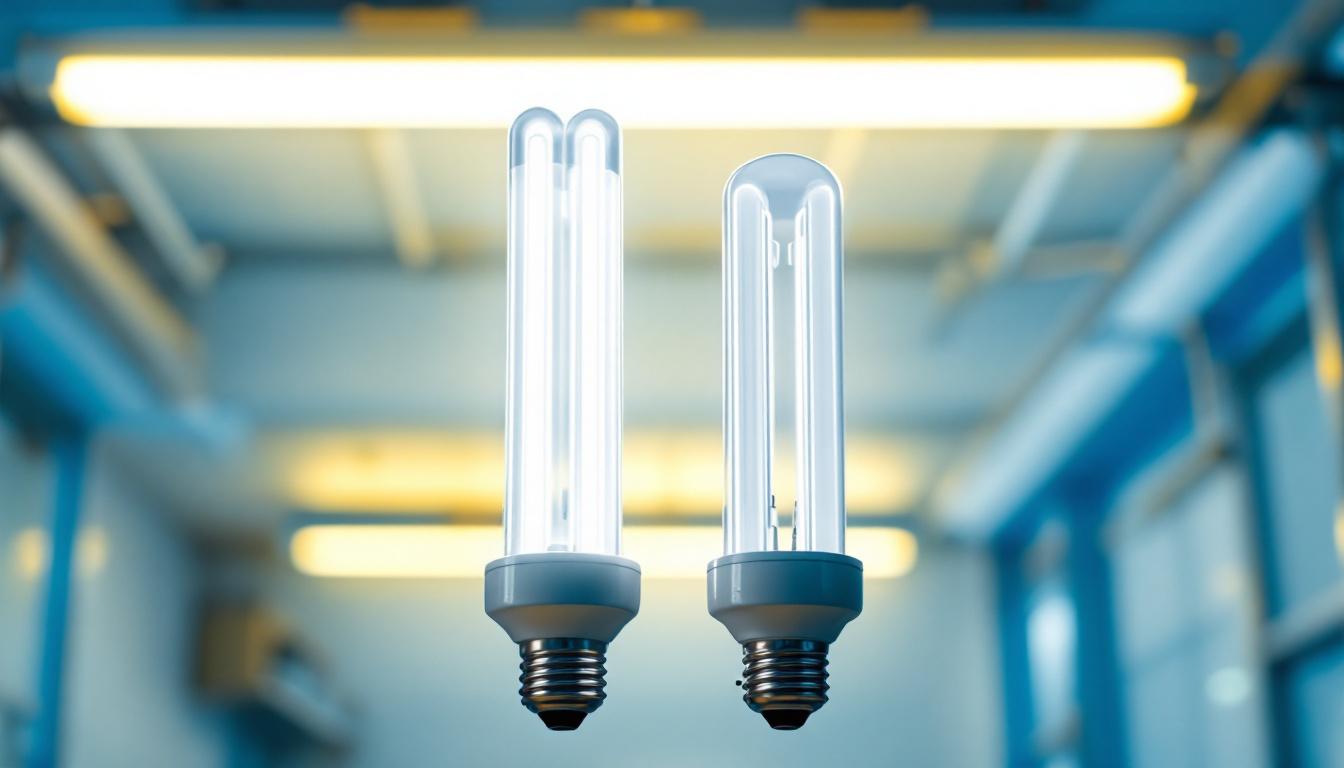
The “T” designation in fluorescent tubes refers to the tube’s diameter in eighths of an inch. A T12 tube is 12/8 inches (1.5 inches) in diameter, while a T8 tube measures 8/8 inches (1 inch) in diameter. This difference in size is more than cosmetic; it impacts the fixture design, electrical requirements, and overall lighting output.
For lighting contractors, understanding these differences is crucial when planning installations or retrofits, especially when clients seek to upgrade older T12 systems to more energy-efficient T8 options. The transition not only enhances energy savings but also contributes to a more sustainable environment, aligning with the growing emphasis on green building practices.
Physical and Electrical Differences
T12 tubes are generally older technology and operate at a lower frequency, which can cause flickering and reduced efficiency. They typically require magnetic ballasts, which are less efficient and noisier. In contrast, T8 tubes operate at higher frequencies using electronic ballasts, offering improved energy efficiency, better light quality, and reduced flicker.
The physical size difference means that T8 tubes cannot simply be swapped into T12 fixtures without modifications. The sockets and ballast specifications differ, making direct interchangeability impossible without adjustments. Additionally, T8 tubes often provide a higher lumen output per watt, which can significantly enhance the brightness of a space while consuming less energy. This characteristic makes T8 tubes particularly appealing for environments where consistent and bright lighting is essential, such as in retail spaces or warehouses.
Moreover, the advancements in T8 technology have led to the development of high-efficiency T8 tubes that can further reduce energy consumption. These tubes can deliver the same or even greater light output than traditional T12 tubes while using less wattage, making them an attractive option for businesses looking to lower their operational costs. The move towards T8 also opens the door for integrating smart lighting solutions, allowing for greater control over lighting conditions and further enhancing energy savings.
Can T8 Tubes Fit Into T12 Fixtures?
The question of whether T8 tubes can fit into T12 fixtures is common among lighting contractors aiming to upgrade lighting systems without complete fixture replacement. The short answer is: not directly.
Because T8 tubes are smaller in diameter, they will physically fit into T12 sockets, but this is not recommended or compliant with electrical codes. The sockets are designed to hold the larger T12 tubes securely, and using a T8 tube in a T12 socket can lead to poor electrical contact, potential flickering, and safety hazards.
Ballast Compatibility Issues
One of the main barriers to simply swapping T8 tubes into T12 fixtures is ballast compatibility. T12 fixtures typically use magnetic ballasts designed for the electrical characteristics of T12 tubes. T8 tubes require electronic ballasts optimized for their operating parameters.
Using a T8 tube with a T12 ballast can result in reduced lamp life, flickering, and suboptimal light output. In some cases, the tube may not even start properly. Therefore, even if the tube fits physically, the electrical incompatibility makes this an impractical solution.
Retrofitting Options
To upgrade from T12 to T8, lighting contractors often retrofit existing fixtures by replacing the magnetic ballasts with electronic ballasts designed for T8 tubes. This process involves rewiring and sometimes modifying the fixture to accommodate the smaller tube diameter securely.
Some retrofit kits are available that include sockets designed to hold T8 tubes in T12 fixtures, along with compatible electronic ballasts. These kits can simplify the upgrade process, reduce labor costs, and improve energy efficiency significantly.
In addition to the electrical benefits, switching to T8 tubes can lead to a notable reduction in energy consumption, as T8 tubes are generally more efficient than their T12 counterparts. This efficiency not only translates to lower utility bills but also contributes to a smaller carbon footprint, making it an environmentally friendly choice. Furthermore, T8 tubes typically offer better color rendering and a wider variety of color temperatures, allowing for more tailored lighting solutions that can enhance the ambiance of a space.
Moreover, the transition from T12 to T8 is often seen as a step towards modernizing a facility’s lighting infrastructure. Many businesses are now prioritizing energy-efficient solutions as part of their sustainability initiatives. Upgrading to T8 not only meets current lighting standards but also prepares facilities for future advancements in lighting technology, such as LED options, which can further enhance energy savings and longevity.
Why Future-Proofing Your Lighting Projects Matters
Lighting technology continues to evolve rapidly, with LED technology now dominating the market due to its superior energy efficiency, longevity, and environmental benefits. For lighting contractors, future-proofing projects is essential to ensure client satisfaction, regulatory compliance, and long-term cost savings. As the landscape of lighting technology shifts, staying informed about emerging trends and innovations can position contractors as industry leaders, fostering trust and reliability among their clients.
Choosing to upgrade T12 fixtures to T8 is a step in the right direction, but it may not be the most future-proof solution given the ongoing shift towards LED lighting. The transition to LEDs not only aligns with current market demands but also prepares contractors to meet future challenges, such as the increasing emphasis on sustainability and energy conservation. As consumers become more environmentally conscious, the demand for eco-friendly lighting solutions is likely to grow, making it imperative for contractors to adapt and innovate.
Energy Efficiency and Cost Savings
T8 tubes typically consume about 30% less energy than T12 tubes, which can translate into substantial savings on electricity bills, especially in large commercial spaces. However, LED tubes can outperform T8 tubes by consuming up to 50-70% less energy while providing better light quality and longer service life. This enhanced performance not only leads to lower operational costs but also contributes to a smaller carbon footprint, aligning with global efforts to combat climate change.
By investing in LED retrofit options or new LED fixtures, contractors can offer clients more significant energy savings and reduced maintenance costs, making the initial investment more attractive. Moreover, the versatility of LED technology allows for various applications, from accent lighting to full-scale industrial solutions, enabling contractors to cater to diverse client needs and preferences. As the technology continues to advance, features such as smart lighting systems and tunable white options are becoming increasingly popular, further enhancing the value proposition of LED installations.
Regulatory Compliance and Incentives
Many regions have implemented regulations phasing out inefficient lighting technologies like T12 fluorescent tubes. Additionally, utility companies and government agencies often provide incentives or rebates for upgrading to energy-efficient lighting solutions, particularly LEDs. These initiatives not only encourage the adoption of modern lighting technologies but also reflect a broader commitment to energy efficiency and sustainability at the governmental level.
Future-proofing lighting projects by selecting technologies compliant with current and anticipated regulations helps avoid costly rework and ensures clients benefit from available incentives. As regulations continue to evolve, staying ahead of the curve can also provide contractors with a competitive edge, allowing them to offer informed recommendations that align with both client goals and regulatory requirements. Furthermore, educating clients about the long-term benefits of compliance and energy efficiency can enhance their overall satisfaction and loyalty, paving the way for future collaborations and referrals.
Best Practices for Lighting Contractors When Upgrading from T12
Given the complexities and evolving landscape of lighting technologies, lighting contractors should adopt a strategic approach when upgrading T12 fixtures.
Conduct a Comprehensive Lighting Audit
Before recommending upgrades, perform a detailed audit of the existing lighting system. Assess the number of fixtures, types of tubes and ballasts, energy consumption, and lighting quality. Understanding the current state allows for tailored solutions that meet client needs and budget constraints.
Evaluate Retrofit vs. Replacement
While retrofitting existing T12 fixtures to accommodate T8 tubes and electronic ballasts can be cost-effective in the short term, consider the long-term benefits of complete fixture replacement with LED systems. New LED fixtures often offer better light distribution, dimming capabilities, and integration with smart controls.
Consider Compatibility and Safety
Always ensure that any retrofit or upgrade complies with electrical codes and manufacturer specifications. Avoid mixing incompatible components, such as T8 tubes with T12 ballasts, to prevent safety hazards and system failures.
Educate Clients on Benefits and Options
Clients may not be fully aware of the differences between T8, T12, and LED technologies. Providing clear information about energy savings, maintenance costs, environmental impact, and regulatory compliance helps clients make informed decisions that align with their operational goals.
Emerging Trends and Technologies in Lighting
The lighting industry is experiencing rapid innovation, with several trends shaping the future of commercial and industrial lighting.
LED Tubes as Direct Replacements
LED tubes designed to replace fluorescent tubes are increasingly popular due to their energy efficiency and ease of installation. Many LED tubes are compatible with existing T8 fixtures and ballasts, reducing retrofit complexity. However, compatibility with T12 fixtures is limited, reinforcing the need for fixture upgrades.
Smart Lighting Controls
Integration of smart controls, such as occupancy sensors, daylight harvesting, and remote management, enhances energy savings and user comfort. Lighting contractors should consider these technologies when designing or upgrading systems to future-proof installations.
Sustainability and Environmental Considerations
With growing emphasis on sustainability, lighting projects that minimize environmental impact through reduced energy consumption and responsible disposal of fluorescent tubes containing mercury are increasingly valued. LED lighting supports these goals by eliminating hazardous materials and offering recyclability.
Conclusion: Strategic Upgrades for Long-Term Success
While T8 tubes cannot directly fit into T12 fixtures without modifications, upgrading from T12 to T8 is a viable step toward improved energy efficiency and lighting quality. However, lighting contractors should consider the broader context of technological advancements and regulatory trends when planning upgrades.
Future-proofing lighting projects involves evaluating retrofit options against complete fixture replacement, prioritizing LED technology, and integrating smart controls. By adopting a comprehensive, informed approach, contractors can deliver solutions that meet client needs today while positioning them for ongoing benefits in the years to come.
Upgrade Your Lighting with LumenWholesale
Ready to take the next step in future-proofing your lighting projects? At LumenWholesale, we provide lighting contractors with the highest quality, spec-grade lighting products at unbeatable wholesale prices. Say goodbye to inflated markups and hello to a vast selection of reliable, high-performance lighting that meets the highest industry standards. With free shipping on bulk orders, you can ensure your projects shine with premium lighting solutions at the best value. Don’t compromise on quality or cost—choose LumenWholesale for a seamless blend of affordability and convenience. Start enhancing your lighting projects today by visiting Wholesale Lighting at the Best Value.