Understanding the Importance of Under-Cabinet Lighting in Modern Kitchens
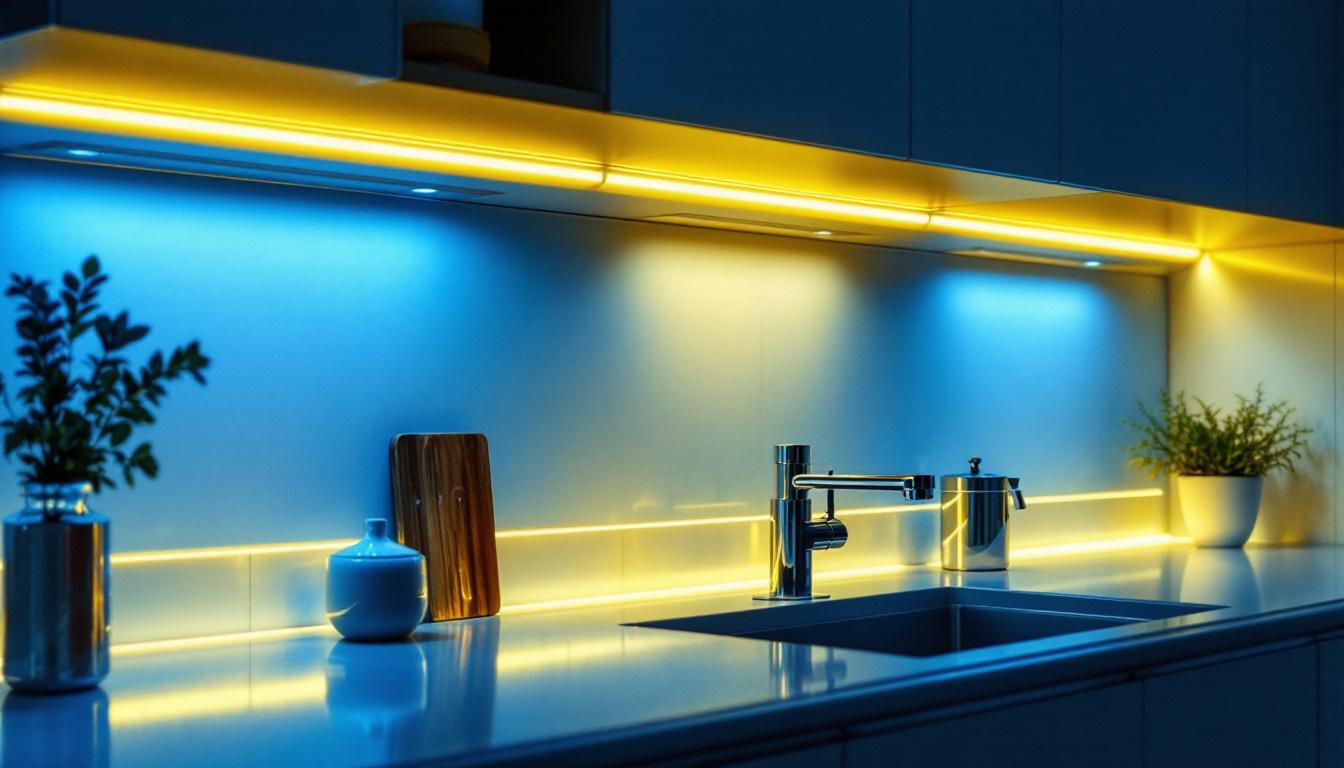
Under-cabinet lighting has evolved from a mere functional addition to a critical design element in contemporary kitchens. For lighting contractors, mastering this niche is essential not only for enhancing aesthetics but also for improving kitchen usability and energy efficiency.
Kitchen spaces are often multifunctional, serving as cooking, dining, and social areas. Proper illumination under cabinets ensures that countertops are well-lit for food preparation, reducing shadows and eye strain. Moreover, it adds layers of ambient lighting that contribute to the overall atmosphere, making kitchens more inviting. The right lighting can transform a mundane kitchen into a vibrant space, encouraging family gatherings and culinary creativity. With the rise of open-concept living, the integration of under-cabinet lighting becomes even more crucial, as it helps delineate spaces while maintaining a cohesive design.
According to industry insights, well-designed under-cabinet lighting can increase kitchen task efficiency by up to 30%, highlighting its practical value. For contractors, this means delivering solutions that balance form and function is paramount. Additionally, the choice of lighting technology—whether LED, fluorescent, or halogen—can significantly impact energy consumption and longevity. LED lights, for instance, are not only energy-efficient but also available in various color temperatures, allowing homeowners to customize the ambiance of their kitchens. This flexibility enables the creation of a warm, cozy environment for family dinners or a bright, invigorating space for morning coffee, showcasing the versatility of under-cabinet lighting in catering to different moods and activities.
Key Lighting Technologies and Their Applications
LED Lighting: The Contractor’s Go-To Choice
Light Emitting Diode (LED) technology dominates the under-cabinet lighting market due to its longevity, energy efficiency, and versatility. LEDs consume up to 75% less energy than traditional incandescent bulbs and can last tens of thousands of hours, reducing maintenance for homeowners.
Contractors appreciate LEDs for their compact size, enabling installation in tight spaces without compromising design. Additionally, LEDs offer a broad range of color temperatures, from warm white to cool daylight, allowing customization to suit various kitchen styles and user preferences.
For example, a contractor might recommend warm white LEDs (2700K-3000K) to create a cozy, inviting atmosphere in a rustic kitchen, while opting for cooler tones (3500K-4100K) for a sleek, modern aesthetic. Furthermore, the dimmable feature of many LED options allows homeowners to adjust the ambiance according to the time of day or occasion, enhancing the kitchen’s functionality. This adaptability not only caters to practical needs but also elevates the overall aesthetic appeal of the space, making it a perfect backdrop for family gatherings or intimate dinners.
Linear vs. Puck Lights: Choosing the Right Fixture
Two primary fixture types dominate under-cabinet lighting: linear strips and puck lights. Linear LED strips provide continuous, uniform illumination ideal for long countertop runs. They minimize shadowing and create a seamless look, which is particularly appealing in minimalist or contemporary kitchens.
Conversely, puck lights offer focused pools of light and are suitable for highlighting specific areas or architectural features. They are often used in traditional or eclectic designs where accent lighting enhances visual interest. The versatility of puck lights also allows them to be installed in various orientations, whether recessed into cabinetry or surface-mounted, providing flexibility in design choices.
Smart contractors assess the kitchen layout and client needs to recommend the appropriate fixture type. For instance, in a kitchen with multiple work zones, combining linear strips for general task lighting with puck lights for accentuating decorative backsplashes can be an effective strategy. Additionally, the strategic placement of these fixtures can enhance the perception of space, making smaller kitchens feel larger and more open, while also ensuring that every corner is well-lit for maximum usability.
Smart Lighting Integration: Enhancing Control and Efficiency
Integrating smart lighting controls has become a hallmark of advanced under-cabinet lighting installations. Smart systems allow homeowners to adjust brightness, color temperature, and scheduling via mobile apps or voice commands, increasing convenience and energy savings.
Contractors should be familiar with popular smart lighting platforms and ensure compatibility with existing home automation systems. For example, installing LED strips with Zigbee or Z-Wave connectivity enables seamless integration with smart hubs, while Wi-Fi-enabled puck lights offer direct control through smartphone applications. This connectivity not only simplifies the user experience but also opens up possibilities for creating personalized lighting scenes that can be tailored to different activities, such as cooking, entertaining, or relaxing.
Moreover, motion sensors can be incorporated to activate under-cabinet lights only when the kitchen is in use, further optimizing energy consumption and enhancing user experience. This feature not only adds a layer of convenience but also promotes sustainability by minimizing unnecessary energy waste. As homeowners become more eco-conscious, these smart solutions align with their goals, making under-cabinet lighting not just a functional choice but also a responsible one.
Design Considerations for Optimal Installation
Placement and Spacing for Uniform Illumination
Proper placement of under-cabinet lighting is crucial to avoid glare, shadows, and uneven illumination. Lighting contractors must consider the depth and height of cabinets, countertop materials, and typical user tasks.
Generally, installing lights toward the front edge of the cabinet bottom reduces shadows cast by the cabinet itself. Spacing between fixtures should be calculated to ensure overlapping light beams, preventing dark spots on the work surface.
For linear LED strips, continuous runs with minimal breaks are ideal, while puck lights require careful spacing—typically 12 to 18 inches apart—to achieve balanced coverage.
Power Source and Wiring Challenges
Under-cabinet lighting installations often pose wiring challenges due to limited access and the need to maintain clean aesthetics. Contractors must plan power sources carefully, considering proximity to outlets, circuit capacity, and local electrical codes.
Low-voltage lighting systems are popular because they allow for smaller gauge wiring and safer installation. However, they require transformers, which must be discreetly located. Alternatively, line-voltage LED fixtures eliminate the need for transformers but necessitate careful attention to heat dissipation and wiring standards.
Wireless and battery-powered options exist but are generally less favored in professional installations due to maintenance concerns and limited run times.
Material Compatibility and Heat Management
Different cabinet materials respond uniquely to heat generated by lighting fixtures. While LEDs produce minimal heat compared to traditional bulbs, heat buildup can still affect cabinetry, especially in enclosed or poorly ventilated spaces.
Contractors should select fixtures with appropriate heat sinks and ensure adequate ventilation. Additionally, materials like wood or laminate may require protective measures to prevent discoloration or warping over time.
Using dimmable LEDs can also help manage heat output while providing flexible lighting levels tailored to user needs.
Enhancing Client Experience Through Consultation and Customization
Assessing Client Needs and Kitchen Usage Patterns
Successful lighting contractors prioritize thorough consultations to understand client lifestyles, cooking habits, and aesthetic preferences. This insight guides the selection of lighting types, control systems, and installation strategies.
For example, a client who frequently cooks intricate meals may benefit from brighter, cooler task lighting with adjustable color temperatures, while those who use the kitchen primarily for casual dining might prefer softer, warmer illumination to create a relaxed ambiance.
Understanding these nuances allows contractors to tailor solutions that maximize client satisfaction and functionality.
Offering Scalable and Future-Proof Solutions
Given the rapid advancement of lighting technology, contractors should recommend scalable systems that can evolve with client needs. Modular LED strips, expandable smart hubs, and interoperable control platforms ensure that upgrades or expansions are straightforward.
Educating clients about these options fosters trust and positions the contractor as a knowledgeable partner invested in long-term value.
Providing Detailed Demonstrations and Maintenance Guidance
Demonstrating lighting controls and explaining maintenance requirements during project completion enhances user confidence and reduces post-installation issues. Contractors should provide clear instructions on adjusting brightness, setting schedules, and troubleshooting common problems.
Additionally, offering maintenance tips such as cleaning fixtures and monitoring power supplies helps clients preserve lighting performance and longevity.
Case Studies: Successful Under-Cabinet Lighting Projects
Transforming a Traditional Kitchen with Smart LED Strips
A recent project involved retrofitting an older kitchen with outdated fluorescent under-cabinet lighting. The contractor replaced the fixtures with warm white LED strips integrated into a smart lighting system compatible with the client’s existing home automation hub.
The result was a dramatic improvement in both energy efficiency and ambiance. The client appreciated the ability to adjust lighting scenes for cooking, dining, and entertaining, all controlled via smartphone. Energy consumption dropped by nearly 60%, demonstrating the tangible benefits of modern LED technology.
Custom Puck Light Installation in a Gourmet Kitchen
In a high-end gourmet kitchen, the contractor installed adjustable puck lights to highlight a custom backsplash and provide focused task lighting over multiple cooking zones. The lights were paired with motion sensors to activate only when the kitchen was occupied.
This approach enhanced both aesthetics and functionality, creating a dynamic lighting environment that responded intuitively to the client’s movements. The project underscored the value of combining fixture types and smart controls for a tailored lighting experience.
Conclusion: Elevating Kitchen Lighting Through Expertise and Innovation
Under-cabinet lighting is a vital component of modern kitchen design, offering both practical and aesthetic benefits. For lighting contractors, embracing the latest technologies, understanding design principles, and prioritizing client collaboration are key to delivering exceptional results.
By selecting appropriate fixtures, integrating smart controls, and addressing installation challenges with precision, contractors can transform kitchens into well-lit, energy-efficient, and inviting spaces. Staying informed about industry trends and continuously refining techniques ensures that contractors remain trusted partners in creating the kitchens of tomorrow.
Illuminate Your Projects with LumenWholesale
Ready to elevate your under-cabinet lighting projects with the finest selection of spec-grade lighting products? At LumenWholesale, we provide lighting contractors with the quality, affordability, and convenience needed to bring modern kitchen designs to life. Our extensive range of LED strips, puck lights, and smart lighting solutions are available at unbeatable wholesale prices, ensuring you get the best value for your bulk purchases. Plus, with free shipping on all orders, you can trust that you’re getting premium lighting without any hidden fees. Transform your next kitchen lighting project with the perfect blend of performance and price. Wholesale Lighting at the Best Value is just a click away.