Understanding the Importance of Light Switch Selection
For lighting contractors, the choice of light switches goes beyond mere functionality. A well-selected light switch not only controls lighting effectively but also enhances the overall aesthetic and user experience within a space. As the gateway between electrical systems and end-users, switches must balance durability, design, and technological integration.
Modern consumers increasingly expect their lighting controls to be intuitive, stylish, and energy-efficient. This shift has prompted lighting contractors to adopt strategies that prioritize both form and function. Selecting the right switches can influence client satisfaction, reduce maintenance issues, and support sustainable building practices.
Why Switches Matter in Lighting Projects
Light switches are often overlooked in the design and installation process, yet they play a crucial role in daily interactions with lighting systems. A poorly chosen switch can lead to user frustration, increased energy consumption, or even safety hazards. Conversely, a well-chosen switch can improve accessibility, provide seamless control, and complement interior design themes.
From commercial offices to residential homes, the switch is the primary interface for lighting control. Lighting contractors who understand the nuances of switch selection can offer solutions that align with client needs, building codes, and emerging technology trends. Additionally, the rise of smart home technology has transformed the landscape of light switch options, introducing features such as remote control, programmable settings, and integration with home automation systems. These advancements not only enhance convenience but also empower users to create personalized lighting environments that adapt to their lifestyle and preferences.
Furthermore, the materials and finishes of light switches can significantly impact the overall ambiance of a space. For instance, a sleek, minimalist switch in a matte black finish can evoke a modern feel, while a vintage-style toggle switch can add character to a rustic setting. Lighting contractors must consider the broader design narrative when selecting switches, ensuring that they harmonize with other elements such as fixtures, furniture, and color schemes. This attention to detail can elevate a project’s quality and contribute to a cohesive and inviting atmosphere.
Key Criteria for Selecting Nice Light Switches
When advising clients or making purchasing decisions, lighting contractors should evaluate switches based on several critical factors. These criteria ensure that the installed switches meet performance expectations and contribute positively to the lighting system’s overall effectiveness.
1. Aesthetic Compatibility
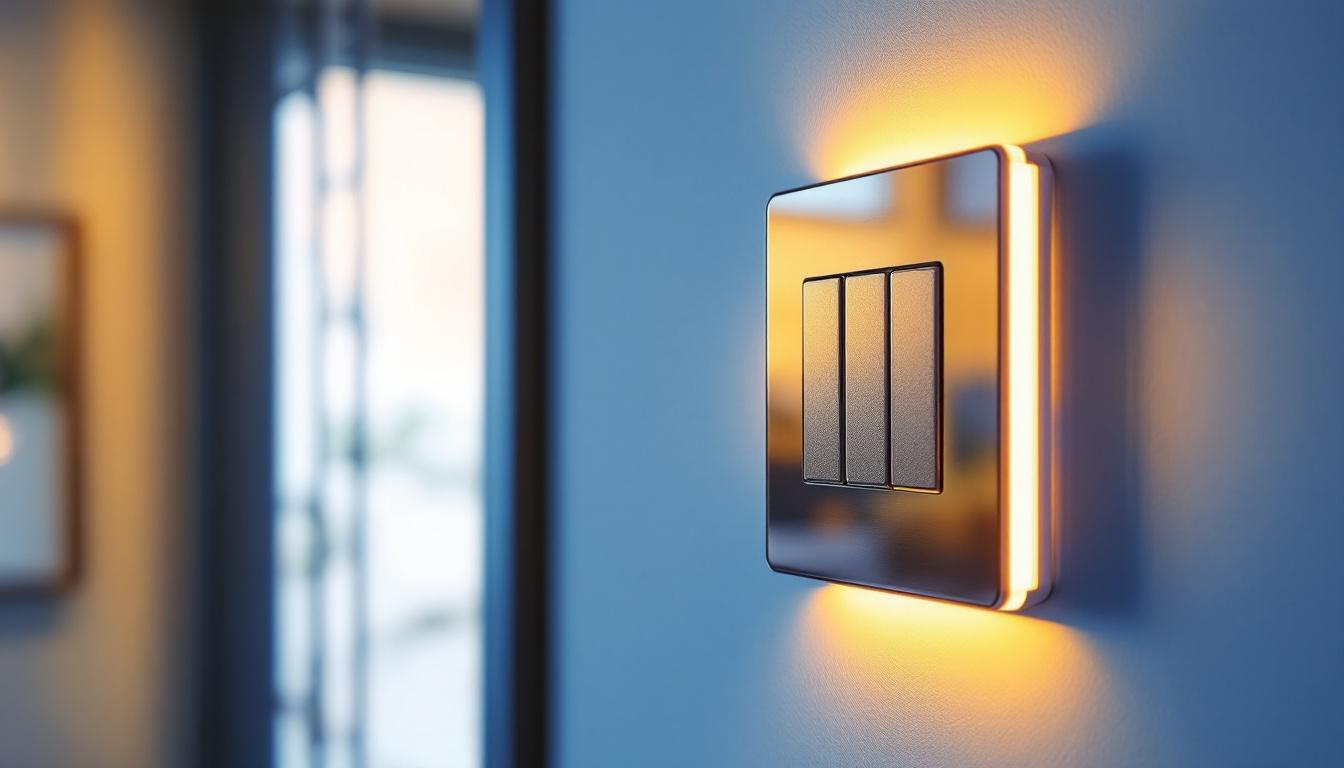
The visual appeal of light switches is paramount, especially in high-end or design-focused environments. Switches are available in a variety of finishes, colors, and styles—from minimalist touch panels to classic toggle switches with sleek metallic trims. Contractors should consider the architectural style and interior design to recommend switches that blend seamlessly with the space.
For example, in modern residential projects, glass or capacitive touch switches offer a clean, futuristic look. In contrast, traditional homes may benefit from switches with vintage brass or porcelain finishes. Offering clients a range of options can elevate the perceived value of the lighting installation.
2. Durability and Build Quality
Switches endure frequent use, so durability is essential. High-quality materials and reliable mechanical or electronic components reduce the risk of failure and costly replacements. Lighting contractors should prioritize products from reputable manufacturers with proven track records for longevity.
In commercial settings, switches must often withstand heavy traffic and potential abuse. Industrial-grade switches with reinforced housings and robust internal mechanisms are advisable for such environments. Additionally, moisture-resistant or sealed switches are critical for bathrooms, kitchens, or outdoor installations.
3. Technological Integration
Smart home and building automation technologies have revolutionized lighting control. Modern light switches often incorporate features such as dimming, remote control, programmable scenes, and integration with voice assistants. Lighting contractors must stay informed about these advancements to provide clients with future-proof solutions.
Wireless switches that communicate via protocols like Zigbee, Z-Wave, or Wi-Fi enable flexible installation without extensive rewiring. Touch-sensitive panels with customizable interfaces can enhance user experience. Contractors should assess the compatibility of switches with existing or planned automation systems to ensure seamless operation.
4. Energy Efficiency and Compliance
Energy codes and sustainability goals increasingly influence lighting projects. Switches that support energy-saving functions, such as occupancy sensing or daylight harvesting, contribute to reduced electricity consumption. Lighting contractors should recommend switches that comply with local regulations and support green building certifications.
For instance, integrating occupancy sensors into switch designs can automatically turn off lights when rooms are unoccupied, significantly lowering energy waste. Dimming capabilities also allow users to adjust lighting levels according to needs, further enhancing efficiency.
Top Strategies Lighting Contractors Use When Choosing and Installing Switches
Successful lighting contractors employ a combination of technical knowledge, client communication, and practical installation techniques to select and implement the best light switches. Here are some of their top strategies.
Conducting Comprehensive Site Assessments
Before recommending switches, contractors perform detailed site evaluations to understand the environment, user behavior, and lighting requirements. This assessment includes analyzing room function, traffic patterns, lighting load, and existing wiring infrastructure.
For example, in a conference room, contractors might recommend multi-way switches or smart controls that allow users to adjust lighting from different locations. In residential settings, they might focus on accessibility features for elderly or disabled occupants.
Prioritizing User Experience and Accessibility
Contractors recognize that ease of use is critical for client satisfaction. They often suggest switches with tactile feedback, clear labeling, or backlighting for visibility in low-light conditions. For spaces serving individuals with disabilities, contractors may recommend rocker switches or larger panels that comply with ADA standards.
Incorporating features like adjustable sensitivity or voice control can further enhance accessibility, making lighting control intuitive for all users.
Leveraging Modular and Scalable Systems
Modular switch systems allow for future expansion or upgrades without extensive rewiring. Lighting contractors often select modular designs that enable clients to add functionalities such as dimmers, timers, or smart controls as needs evolve.
This approach reduces long-term costs and minimizes disruptions during renovations. It also supports sustainability by extending the lifespan of installed components.
Ensuring Proper Installation and Testing
Even the best switches can perform poorly if installed incorrectly. Skilled contractors follow manufacturer guidelines meticulously, verify wiring integrity, and conduct thorough testing post-installation. This process includes checking for smooth operation, verifying compatibility with lighting fixtures, and confirming integration with automation systems.
Proper installation also involves educating clients on switch operation and maintenance, ensuring they maximize the benefits of their lighting controls.
Examples of Innovative Light Switch Solutions in Practice
Several real-world examples illustrate how lighting contractors successfully implement advanced switch strategies to meet diverse client needs.
Smart Switches in Commercial Office Spaces
In a large corporate office, contractors installed networked smart switches that integrate with building management systems. These switches allow facility managers to control lighting remotely, schedule automatic shut-offs, and monitor energy usage in real time. Employees benefit from personalized lighting presets accessible via smartphone apps.
This solution improved energy efficiency by over 30% and enhanced occupant comfort, demonstrating the value of investing in advanced switch technology.
Decorative Switches in Boutique Hotels
For boutique hotels emphasizing unique interior design, contractors selected custom-designed switches with artisan finishes and LED backlighting. These switches complemented the décor while offering dimming and scene-setting capabilities for guest rooms.
The aesthetic appeal combined with functional versatility elevated the guest experience and reinforced the hotel’s brand identity.
Accessible Switches in Healthcare Facilities
Healthcare environments demand switches that support hygiene, accessibility, and reliability. Contractors installed touchless switches with motion sensors in patient rooms and common areas, reducing the risk of contamination. Additionally, switches with large, clearly marked buttons ensured ease of use for patients with limited mobility.
This approach enhanced safety and convenience, aligning with healthcare standards and patient care goals.
Future Trends Lighting Contractors Should Watch
The lighting control landscape continues to evolve rapidly. Staying ahead of emerging trends enables contractors to offer cutting-edge solutions that meet client expectations and regulatory demands.
Integration with IoT and Smart Building Ecosystems
Light switches are becoming integral components of broader Internet of Things (IoT) networks. Future switches will likely offer enhanced connectivity, data analytics, and adaptive control based on occupancy patterns and environmental conditions.
Contractors should familiarize themselves with IoT platforms and protocols to design lighting systems that leverage these capabilities for improved efficiency and user experience.
Advancements in Gesture and Voice Control
Beyond traditional touch and toggle mechanisms, gesture recognition and voice-activated switches are gaining traction. These technologies offer hands-free control options, which are especially valuable in sanitary or accessibility-focused applications.
Lighting contractors can differentiate their services by incorporating these innovative controls into their projects.
Sustainable and Eco-Friendly Materials
As sustainability becomes a priority, switch manufacturers are exploring eco-friendly materials and manufacturing processes. Lighting contractors should consider switches made from recycled plastics, biodegradable components, or low-impact finishes to support green building initiatives.
Promoting environmentally responsible products can enhance client appeal and contribute to certification efforts such as LEED or WELL.
Conclusion: Elevating Lighting Projects with Thoughtful Switch Selection
For lighting contractors, selecting nice light switches is a strategic decision that impacts aesthetics, functionality, energy efficiency, and user satisfaction. By understanding key selection criteria, employing proven strategies, and staying informed about emerging trends, contractors can deliver superior lighting solutions that stand the test of time.
Investing time and expertise into switch selection and installation not only enhances project outcomes but also strengthens client relationships and professional reputation. As lighting technology advances, embracing innovation while maintaining a focus on quality and usability will remain essential for success in the lighting contracting industry.
Discover Unmatched Value with LumenWholesale
Ready to elevate your lighting projects with switches that blend design, functionality, and cutting-edge technology? Look no further than LumenWholesale for an exceptional range of spec-grade lighting products at wholesale prices that defy the market. Our commitment to quality and affordability ensures that you can access the best lighting solutions without the burden of inflated costs. Plus, with the convenience of free shipping on bulk orders, your next project is guaranteed to shine both in brilliance and value. Don’t compromise on excellence—choose LumenWholesale for lighting that meets the highest industry standards. Wholesale Lighting at the Best Value is just a click away.