The Importance of Proper Lighting in Hot Tub Installations
Lighting is often an overlooked element in hot tub installations, yet it plays a crucial role in both safety and ambiance. For lighting contractors, understanding the unique requirements and challenges associated with hot tub lighting is essential to delivering a high-quality, functional, and aesthetically pleasing installation.
Hot tubs are typically installed outdoors or in semi-enclosed spaces, environments that pose specific lighting demands. Proper illumination not only enhances the user experience but also ensures compliance with electrical safety standards, which are particularly stringent around water. Neglecting these factors can lead to hazardous conditions, customer dissatisfaction, and potential liability issues.
Safety Considerations: Meeting Electrical Codes and Standards
One of the primary reasons lighting contractors must prioritize hot tub lighting is safety. Electrical installations near water require adherence to strict guidelines to prevent electric shock and other hazards. The National Electrical Code (NEC) and similar standards in many regions mandate the use of ground-fault circuit interrupters (GFCIs), low-voltage lighting options, and waterproof fixtures rated for wet locations.
For example, lighting fixtures installed within a certain radius of the hot tub must have appropriate ingress protection (IP) ratings and be designed to withstand moisture and temperature fluctuations. Failure to comply with these regulations can result in dangerous situations and costly code violations.
Enhancing User Experience Through Lighting Design
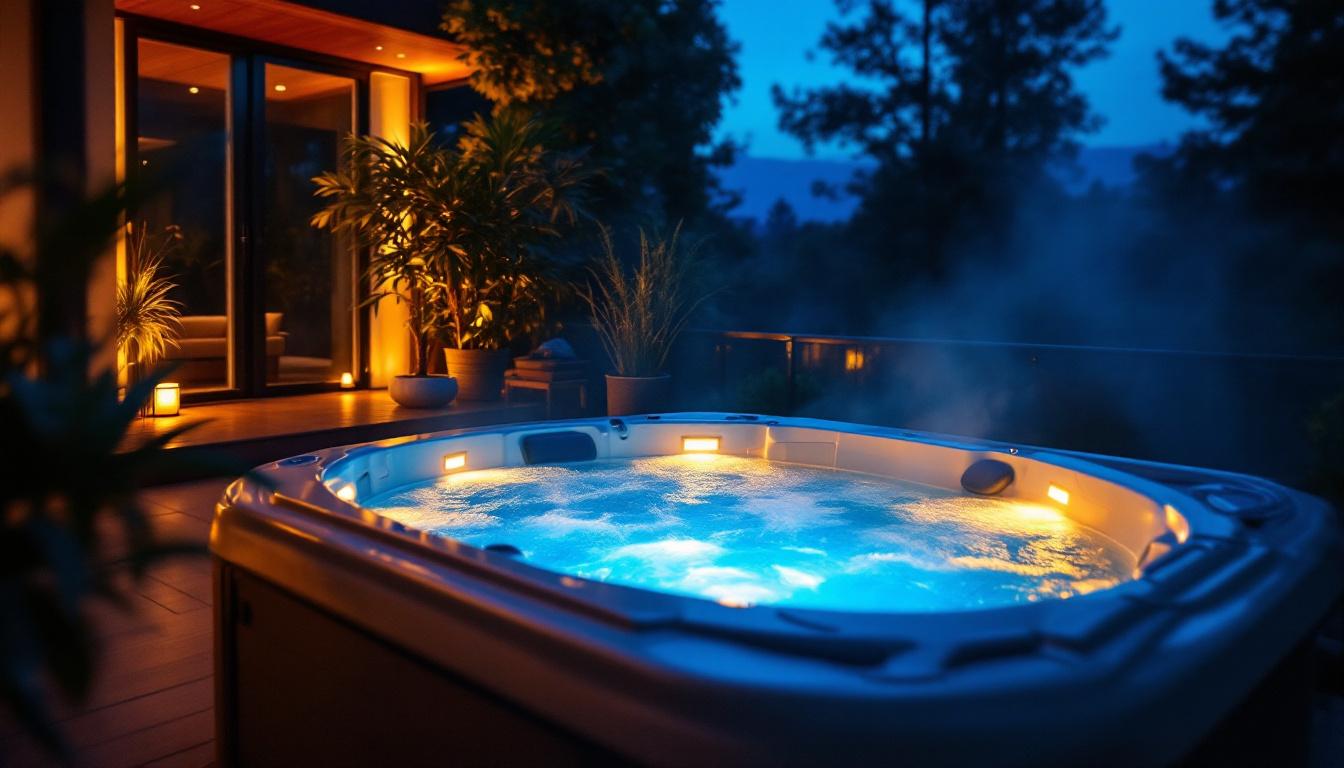
Beyond safety, lighting dramatically influences the ambiance and usability of a hot tub area. Thoughtful lighting design can transform a simple hot tub into a luxurious retreat, encouraging longer use and greater enjoyment. Contractors who master the art of blending functional and decorative lighting will stand out in a competitive market.
Options such as color-changing LED lights, underwater fixtures, and strategically placed accent lights can create a dynamic environment tailored to the client’s preferences. Proper lighting also improves visibility around the hot tub, reducing the risk of slips and falls during nighttime use.
Moreover, the integration of smart lighting systems can elevate the user experience even further. These systems allow homeowners to control the lighting remotely via smartphone apps, enabling them to set the mood before they even step outside. Imagine a scenario where guests arrive to a beautifully illuminated hot tub area, with soft, warm lights welcoming them and vibrant colors shifting to match the evening’s vibe. Such features not only enhance enjoyment but also add a layer of sophistication that can significantly increase the appeal of the outdoor space.
Additionally, the use of ambient lighting can extend the usability of the hot tub area into the evening hours, making it a perfect spot for relaxation or social gatherings. By incorporating path lights leading to the hot tub, along with overhead lighting that mimics natural light, contractors can create a seamless transition from day to night, ensuring that the hot tub remains a focal point of outdoor leisure regardless of the time. This thoughtful approach to lighting design not only enhances safety and usability but also contributes to the overall aesthetic of the outdoor environment, making it a cherished space for family and friends alike.
Technical Challenges and Solutions in Hot Tub Lighting
Installing lighting around hot tubs presents unique technical challenges that require specialized knowledge and skills. Lighting contractors must navigate factors such as moisture resistance, electrical load management, and integration with existing systems.
Waterproofing and Fixture Selection
Choosing the right fixtures is critical. Lighting products designed for dry indoor use are unsuitable for hot tub environments. Instead, contractors should select fixtures with high IP ratings, typically IP68 for underwater lights, ensuring protection against water ingress.
Materials used in fixtures must resist corrosion caused by chemicals commonly found in hot tubs, such as chlorine and bromine. Stainless steel, marine-grade plastics, and tempered glass are preferred materials that enhance durability and longevity. Furthermore, the aesthetic appeal of the fixtures should not be overlooked; modern designs can complement the overall ambiance of the outdoor space, creating a serene and inviting atmosphere for relaxation. Contractors may also consider adjustable fixtures that allow for directional lighting, enhancing the visual appeal and functionality of the area around the hot tub.
Voltage and Power Considerations
Low-voltage lighting systems are often recommended for hot tub installations to minimize electrical hazards. These systems operate at 12V or 24V, reducing the risk of shock and allowing for safer underwater lighting. Transformers and power supplies must be correctly rated and installed in dry, accessible locations.
Additionally, contractors should calculate the total wattage of lighting components to avoid overloading circuits. Integrating lighting controls, such as dimmers and timers, can optimize energy efficiency and user convenience. The use of LED technology is increasingly popular due to its low energy consumption and long lifespan, making it an ideal choice for hot tub lighting. Moreover, incorporating motion sensors can enhance safety by illuminating the area when someone approaches, providing an extra layer of security and usability for nighttime enjoyment.
Integration with Smart Home Systems
Modern hot tub lighting often integrates with smart home automation systems, allowing users to control lighting color, intensity, and scheduling via mobile devices or voice commands. Lighting contractors should be familiar with compatible control protocols and installation requirements to support these advanced features.
This integration enhances the appeal of the hot tub installation, offering clients added value and convenience. It also opens opportunities for contractors to expand their service offerings and stay ahead in the evolving market. As technology advances, features such as customizable lighting scenes for different occasions—like parties, relaxation, or romantic evenings—can be programmed, allowing users to create the perfect atmosphere at the touch of a button. Additionally, the ability to synchronize lighting with music or other smart devices can transform the hot tub experience into a multisensory retreat, making it a focal point for outdoor gatherings and enhancing the overall enjoyment of the space.
Best Practices for Lighting Contractors in Hot Tub Installations
To excel in hot tub lighting installations, contractors should adopt best practices that ensure safety, functionality, and client satisfaction.
Conduct Thorough Site Assessments
Before installation, a comprehensive site assessment is essential. This includes evaluating the hot tub’s location, surrounding landscape, electrical infrastructure, and potential environmental factors such as exposure to rain or sun. Understanding these variables helps in selecting appropriate fixtures and planning wiring routes.
Site assessments also provide an opportunity to discuss client preferences and expectations, ensuring that the lighting design aligns with their vision and lifestyle. Additionally, considering the aesthetic appeal of the surrounding area can enhance the overall ambiance. For instance, incorporating landscape lighting that complements the natural features of the yard can create a cohesive look, making the hot tub area more inviting and enjoyable for evening use.
Prioritize Safety and Compliance
Adhering to all relevant electrical codes and standards is non-negotiable. Contractors should stay updated on the latest regulations and best practices related to wet area electrical installations. Utilizing certified products and employing proper grounding and bonding techniques are critical steps in minimizing risks.
Regular training and certification can help contractors maintain a high level of expertise and credibility in this specialized field. Furthermore, it’s beneficial to conduct a risk assessment before installation, identifying any potential hazards that could arise from improper lighting placement or inadequate electrical supply. This proactive approach not only safeguards the installation process but also reassures clients that their safety is a top priority.
Use Quality Materials and Components
Investing in high-quality lighting fixtures, wiring, and control systems pays dividends in durability and performance. Clients appreciate installations that require minimal maintenance and continue to function flawlessly over time.
Contractors should establish relationships with reputable suppliers to access the latest products designed specifically for hot tub environments. Additionally, considering energy-efficient lighting options, such as LED fixtures, can appeal to environmentally conscious clients and reduce long-term energy costs. Offering a range of styles and finishes can also help clients personalize their space, making the installation not just functional but also a true reflection of their personal taste.
Provide Clear Client Education and Support
Educating clients about the features, maintenance requirements, and safety aspects of their hot tub lighting system fosters trust and satisfaction. Providing detailed documentation and offering post-installation support can differentiate a contractor’s service and encourage referrals.
Moreover, offering a tutorial on how to operate any smart lighting systems or remote controls can enhance the user experience, allowing clients to fully enjoy their investment. Regular follow-ups after installation can also be beneficial, as they provide an opportunity for clients to ask questions or request adjustments, ensuring that their lighting remains aligned with their evolving needs and preferences. This ongoing support not only solidifies the contractor-client relationship but also positions the contractor as a trusted expert in the field.
Emerging Trends and Innovations in Hot Tub Lighting
The hot tub lighting industry is evolving rapidly, with new technologies and design trends shaping the future of installations.
Advancements in LED Technology
LED lighting continues to dominate the market due to its energy efficiency, longevity, and versatility. Advances in LED technology have improved color rendering, brightness, and customization options, enabling more creative and impactful lighting designs.
Contractors can leverage these advancements to offer clients sophisticated lighting schemes that enhance the hot tub experience while minimizing energy consumption.
Wireless and Battery-Powered Lighting Solutions
Wireless lighting fixtures and battery-powered options are gaining popularity for their ease of installation and flexibility. These solutions reduce the need for extensive wiring and allow for repositioning or upgrading lighting without significant disruption.
While not suitable for all applications, wireless lighting can be an excellent choice for retrofit projects or locations with limited electrical access.
Eco-Friendly and Sustainable Lighting Practices
Environmental considerations are increasingly influencing client choices. Lighting contractors can incorporate eco-friendly practices by selecting energy-efficient products, using solar-powered lighting where feasible, and minimizing light pollution through thoughtful design.
Promoting sustainability not only benefits the environment but also appeals to a growing segment of environmentally conscious consumers.
Conclusion: The Critical Role of Lighting Contractors in Hot Tub Installations
Lighting for hot tubs is far more than an aesthetic afterthought; it is a critical component that impacts safety, usability, and overall satisfaction. For lighting contractors, mastering the complexities of hot tub lighting installations presents an opportunity to deliver exceptional value and differentiate their services.
By prioritizing safety compliance, embracing technical challenges, adopting best practices, and staying abreast of emerging trends, contractors can ensure successful projects that delight clients and stand the test of time. In this specialized niche, expertise in lighting is not just beneficial—it is essential.
Illuminate Your Hot Tub Projects with LumenWholesale
Ready to elevate your hot tub installations with superior lighting solutions? At LumenWholesale, we provide lighting contractors with the highest quality, spec-grade lighting products at unbeatable wholesale prices. Say goodbye to local distributor markups and hello to a vast selection of reliable, high-performance lighting that meets the most rigorous industry standards. Plus, with free shipping on bulk orders, you can stock up on premium lighting without any hidden fees. Don’t compromise on quality or value—visit LumenWholesale today for the best in wholesale lighting and experience the perfect blend of quality, affordability, and convenience for all your lighting needs.