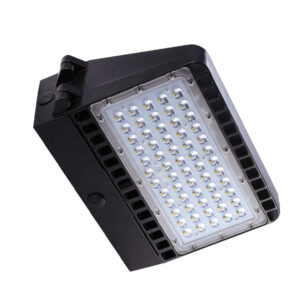
Understanding Light Fixture Housing: The Foundation of Quality Lighting
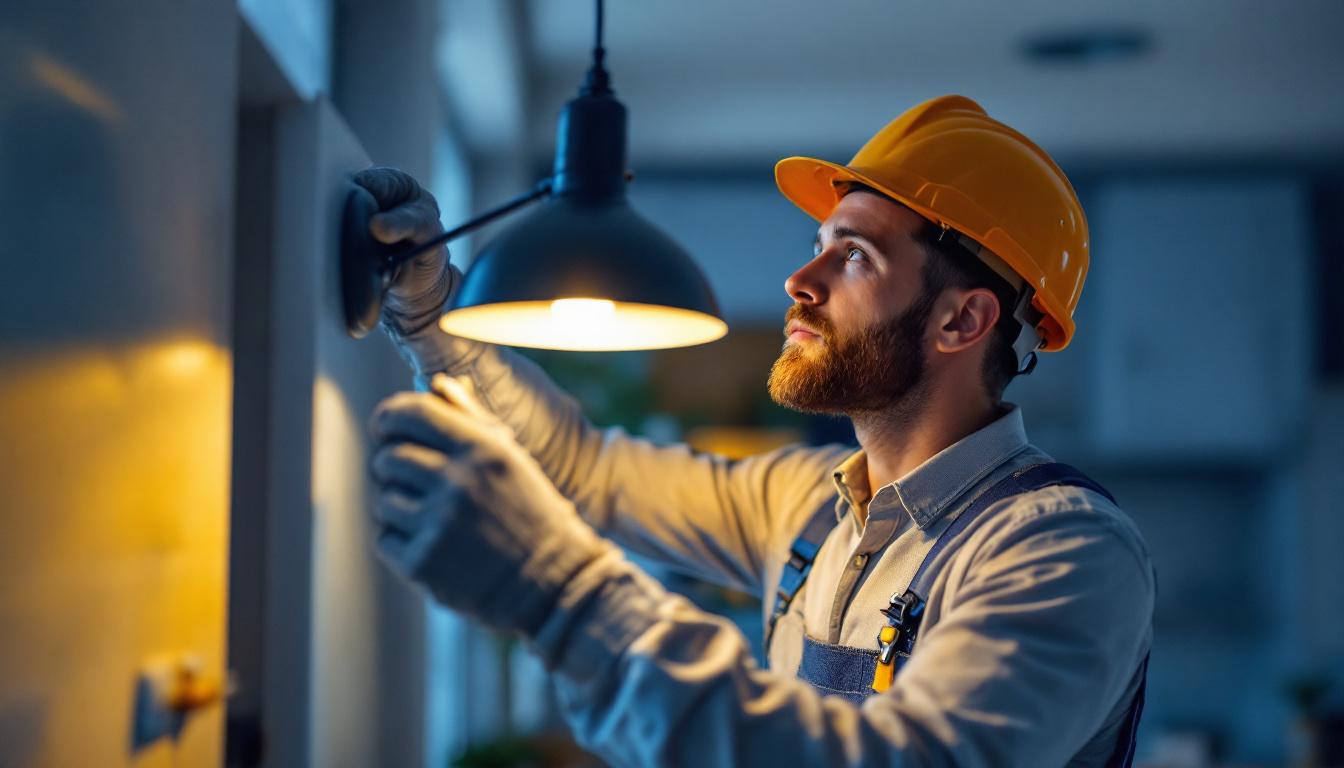
For lighting contractors, the importance of light fixture housing cannot be overstated. It serves as the essential framework that supports and protects the lighting components, ensuring both functionality and safety. Beyond mere aesthetics, the housing influences heat dissipation, durability, installation ease, and compatibility with various lighting technologies.
Light fixture housing typically consists of the enclosure that holds the lamp, ballast, wiring, and other electrical components. Materials range from aluminum and steel to plastic composites, each offering different benefits in terms of weight, corrosion resistance, and thermal management. Selecting the right housing is crucial to meeting client expectations and adhering to building codes and safety standards.
Contractors who understand the nuances of light fixture housing gain a significant advantage in delivering projects that stand the test of time while optimizing energy efficiency and maintenance requirements.
Moreover, the design of light fixture housing can significantly impact the overall lighting experience in a space. For instance, recessed housings can create a clean, modern look while providing ambient lighting without the bulk of visible fixtures. On the other hand, surface-mounted housings can add character and style, especially in decorative applications. The choice of housing not only affects the visual appeal but also the distribution of light, which can enhance or detract from the functionality of a room.
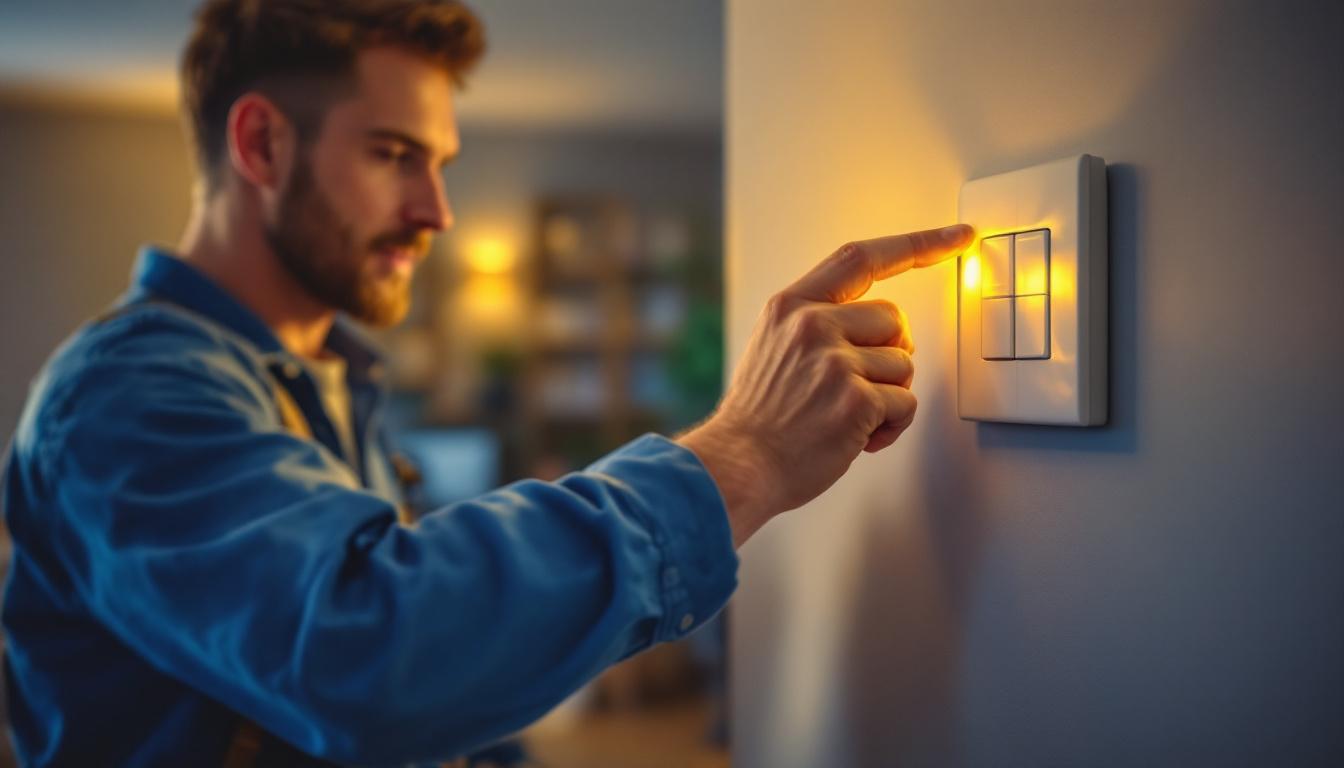
Additionally, advancements in smart lighting technology have introduced new considerations for light fixture housing. Many modern fixtures now incorporate sensors, wireless connectivity, and even integrated controls, necessitating designs that accommodate these features without compromising on aesthetics or performance. As energy efficiency regulations become more stringent, understanding the interplay between housing design and these technologies will be essential for contractors aiming to deliver innovative and compliant lighting solutions.
The Role of Light Fixture Housing in Enhancing Energy Efficiency
Thermal Management and Longevity
One of the primary functions of light fixture housing is to manage heat generated by the light source. Excessive heat can degrade LEDs and other components, reducing their lifespan and performance. High-quality housing designs incorporate heat sinks and ventilation features that dissipate heat effectively, maintaining optimal operating temperatures.
By choosing housings with superior thermal management properties, contractors can ensure longer-lasting installations, reducing callbacks and increasing customer satisfaction. This also aligns with growing market demands for sustainable and energy-efficient lighting solutions. Furthermore, effective thermal management not only prolongs the life of the light fixtures but also contributes to a more stable and consistent light output, which is crucial for environments where precise lighting is essential, such as art galleries or retail spaces. In these settings, maintaining color accuracy and brightness consistency can significantly enhance the overall aesthetic and functionality of the space.
Compatibility with Advanced Lighting Technologies
Modern lighting technologies such as LEDs and smart lighting systems require housings that accommodate integrated sensors, drivers, and communication modules. Versatile housing designs allow for seamless integration of these components without compromising on protection or aesthetics.
Contractors who specify adaptable housings can provide clients with cutting-edge lighting solutions that support energy-saving features like dimming, occupancy sensing, and daylight harvesting, enhancing the overall value proposition. Additionally, the integration of smart technologies into lighting fixtures can lead to significant energy savings by optimizing light levels based on actual usage patterns. For instance, in commercial buildings, occupancy sensors can automatically turn off lights in unoccupied spaces, while daylight harvesting systems can adjust artificial lighting in response to natural light levels, further reducing energy consumption. As the demand for smart buildings continues to rise, the importance of compatible light fixture housing becomes increasingly critical in ensuring that these advanced systems function effectively and efficiently.
Durability and Compliance: Meeting Industry Standards
Material Selection and Environmental Considerations
Durability is a critical factor for light fixture housing, especially in commercial, industrial, and outdoor applications. Materials must resist corrosion, impact, and weather conditions to maintain performance over time. For example, aluminum housings are favored for their lightweight and corrosion-resistant properties, while stainless steel is chosen for harsh environments. Additionally, polycarbonate and other high-impact plastics are increasingly popular for their ability to withstand extreme temperatures and physical stress, making them ideal for applications in areas prone to vandalism or severe weather.
Contractors must evaluate the environmental conditions of each project to select housings that comply with relevant standards such as IP (Ingress Protection) ratings, ensuring protection against dust and moisture. This attention to detail prevents premature failures and costly repairs. Furthermore, sustainable material choices, such as recycled metals or eco-friendly coatings, can significantly reduce the environmental footprint of lighting installations. By opting for such materials, contractors not only contribute to sustainability efforts but also appeal to environmentally conscious clients who prioritize green building practices.
Adhering to Safety and Building Codes
Light fixture housing must meet stringent safety standards to protect users and property. Compliance with UL (Underwriters Laboratories) listings, CSA (Canadian Standards Association) certifications, and local building codes is mandatory. These certifications guarantee that the housing can safely contain electrical components and withstand fire hazards. Moreover, understanding the nuances of these codes, including the latest updates and amendments, is crucial for contractors to ensure that their installations are not only compliant but also optimized for safety and efficiency.
Lighting contractors who prioritize compliance not only reduce liability risks but also enhance their reputation as trusted professionals committed to quality and safety. By staying informed about evolving regulations and participating in ongoing training, contractors can position themselves as industry leaders. This proactive approach not only fosters client trust but also opens doors to new business opportunities, as many organizations now require proof of compliance and safety standards as part of their procurement processes. In a competitive market, being knowledgeable about these aspects can set a contractor apart from others, ensuring long-term success in the field.
Installation Efficiency: Saving Time and Reducing Costs
Design Features That Simplify Installation
Time is money in the contracting business. Light fixture housings designed with installation efficiency in mind can significantly reduce labor hours. Features such as pre-drilled mounting holes, quick-connect wiring systems, and modular components allow contractors to complete installations faster and with fewer errors.
Additionally, lightweight housings reduce physical strain on installers and facilitate handling in tight or elevated spaces, improving overall job site safety and productivity. The integration of color-coded wiring also aids in speeding up the installation process, as it minimizes the chances of wiring errors that can lead to costly rework. Furthermore, many modern fixtures come with user-friendly instructions and even video tutorials, empowering contractors to tackle installations with confidence and precision.
Flexibility for Retrofits and Upgrades
Many lighting projects involve retrofitting existing fixtures or upgrading to newer technologies. Housing designs that accommodate various lamp types and sizes enable contractors to offer versatile solutions without extensive modifications. This adaptability is particularly beneficial in commercial settings where lighting needs may evolve over time due to changes in occupancy or usage patterns.
This flexibility not only broadens the range of services contractors can provide but also appeals to clients looking to future-proof their investments. By choosing fixtures that can easily adapt to new technologies, such as LED or smart lighting systems, clients can ensure that their lighting infrastructure remains relevant and efficient for years to come. Additionally, the ability to integrate smart controls and sensors into existing housings allows for enhanced energy management and sustainability, making these solutions even more attractive in today’s environmentally conscious market.
Enhancing Aesthetic Appeal and Client Satisfaction
Customizable Designs and Finishes
While functionality is paramount, the visual impact of lighting fixtures plays a significant role in client satisfaction. Light fixture housing comes in diverse styles, shapes, and finishes, allowing contractors to tailor solutions to architectural themes and interior design preferences.
From sleek, minimalist profiles for modern spaces to decorative housings for upscale environments, offering customizable options can differentiate contractors in a competitive market. For instance, the use of unique materials such as brushed brass, matte black, or even artisanal glass can elevate the overall design, making fixtures not just sources of light but also focal points within a room. Additionally, integrating smart technology into these customizable designs can further enhance their appeal, allowing clients to control ambiance and functionality through mobile applications or voice commands, thus marrying aesthetics with modern convenience.
Balancing Form and Function
Effective lighting design requires a harmonious balance between aesthetics and performance. Housing that complements the fixture’s light distribution characteristics enhances both the ambiance and utility of a space.
Contractors who understand this balance can advise clients on optimal fixture choices that meet both visual and functional requirements, reinforcing their role as knowledgeable consultants rather than mere installers. For example, in a home office setting, the right combination of task lighting and ambient fixtures can create an environment conducive to productivity while maintaining a stylish appearance. Furthermore, the strategic placement of fixtures can accentuate architectural features, such as highlighting a textured wall or illuminating artwork, thereby enriching the overall experience of the space and ensuring that every element contributes to the desired atmosphere.
Building Long-Term Relationships Through Quality Housing Choices
Choosing the right light fixture housing is more than a technical decision; it is a strategic move that impacts client trust and business growth. High-quality housings reduce maintenance calls, minimize warranty claims, and contribute to positive word-of-mouth referrals.
Lighting contractors who invest time in specifying and sourcing superior housing products position themselves as industry leaders. This commitment to excellence fosters long-term relationships with clients, architects, and electrical engineers, opening doors to larger and more complex projects.
Conclusion: Leveraging Light Fixture Housing for Competitive Advantage
In the competitive landscape of lighting contracting, attention to detail can set a business apart. Light fixture housing, often overlooked, is a critical component that influences energy efficiency, durability, safety, installation ease, and aesthetics.
By mastering the technical and design aspects of light fixture housing, contractors can deliver superior lighting solutions that meet evolving market demands and regulatory requirements. This expertise not only enhances project outcomes but also builds a reputation for reliability and innovation, providing a sustainable competitive edge in the industry.
Get Your Competitive Edge with LumenWholesale
Ready to elevate your lighting projects and outshine the competition? Discover the LumenWholesale difference, where we provide contractors with the highest quality, spec-grade lighting products at unbeatable wholesale prices. Say goodbye to local distributor markups and hello to superior lighting solutions that meet the most rigorous industry standards. With free shipping on bulk orders, you can secure premium lighting at the best value — all without hidden fees or compromises. Enhance your project outcomes and build a reputation for excellence with LumenWholesale. Wholesale Lighting at the Best Value is just a click away.