Understanding the Challenges of Tall Light Pole Installations
Installing tall light poles presents unique challenges that require specialized knowledge and careful planning. For lighting contractors, these challenges can translate into costly delays, safety hazards, and long-term maintenance issues if not properly addressed.
Tall light poles, often exceeding 30 feet in height, are commonly used in stadiums, highways, parking lots, and large commercial spaces. Their height and structural complexity demand rigorous attention to detail from the initial site assessment through to final commissioning.
Recognizing the common pitfalls early on can help contractors avoid issues such as structural failures, improper lighting distribution, and regulatory non-compliance. This article explores key considerations and best practices to ensure successful tall light pole projects.
One of the primary challenges in tall light pole installation is the need for precise engineering to withstand environmental factors such as wind loads and seismic activity. Engineers must conduct thorough analyses to determine the appropriate materials and designs that will ensure the poles remain stable and functional over time. This includes selecting the right type of foundation, which often requires deep excavation and the use of concrete or other materials to provide the necessary support. Furthermore, the installation process itself can be complicated, necessitating specialized equipment such as cranes or lifts, which adds another layer of complexity to the project.
Additionally, the integration of modern lighting technologies, such as LED fixtures, requires careful consideration of power supply and wiring logistics. As energy efficiency becomes increasingly important, contractors must not only focus on the installation of the poles but also on the long-term operational costs associated with energy consumption. This includes planning for smart lighting systems that can adjust brightness based on ambient light conditions or occupancy, thereby enhancing safety and reducing energy waste. As municipalities and businesses strive to meet sustainability goals, understanding these technological advancements is crucial for successful project execution.
Site Assessment and Structural Considerations
Comprehensive Site Evaluation
Before any installation begins, a thorough site assessment is critical. Factors such as soil composition, wind loads, and surrounding environmental conditions directly impact the choice and design of the light pole.
Soil testing is particularly important because the foundation must support the pole’s weight and resist lateral forces. For example, sandy or loose soils may require deeper or reinforced foundations, while rocky terrain might demand specialized anchoring techniques. Additionally, the presence of groundwater can influence the stability of the foundation; in such cases, drainage solutions may need to be integrated into the design to prevent erosion and ensure long-term stability. Analyzing the historical weather patterns of the area can also provide insights into potential challenges, allowing for proactive measures to be taken during the installation process.
Wind Load and Structural Integrity
Tall light poles are highly susceptible to wind forces, which can cause bending, swaying, or even structural failure if not properly engineered. Contractors should collaborate closely with structural engineers to ensure poles meet or exceed local wind load requirements.
Utilizing poles made from high-strength materials such as galvanized steel or aluminum alloys enhances durability. Additionally, compliance with standards set by organizations like the American Society of Civil Engineers (ASCE) ensures that poles can withstand expected wind speeds and gusts. Beyond material selection, the design of the pole itself plays a crucial role in its ability to resist wind forces. For instance, tapered designs can significantly reduce wind resistance, while the incorporation of aerodynamic features can further enhance stability. Regular inspections and maintenance are also essential to ensure that any wear or damage from environmental factors is promptly addressed, thus prolonging the life of the installation and ensuring ongoing safety and functionality.
Electrical Design and Safety Protocols
Proper Wiring and Grounding Practices
Electrical safety is paramount when dealing with tall light poles, as improper wiring can lead to electrical faults, fire hazards, or electrocution risks. Contractors must adhere to the National Electrical Code (NEC) and local regulations for wiring methods, conduit installation, and grounding.
Grounding the pole properly protects both the equipment and personnel. A well-designed grounding system dissipates electrical surges caused by lightning strikes or faults, reducing damage and downtime. Additionally, regular inspections of grounding connections are crucial; corrosion or loose connections can compromise the effectiveness of the grounding system over time. Utilizing corrosion-resistant materials and ensuring that all connections are tight and secure can significantly enhance safety and reliability.
Ensuring Accessibility and Maintenance Safety
Designing poles with maintenance in mind can prevent future safety issues. Features such as hinged bases, accessible wiring compartments, and safe ladder attachment points facilitate routine inspections and repairs without unnecessary risk. Furthermore, incorporating features like integrated lighting for nighttime maintenance can enhance visibility and safety for workers performing repairs after dark.
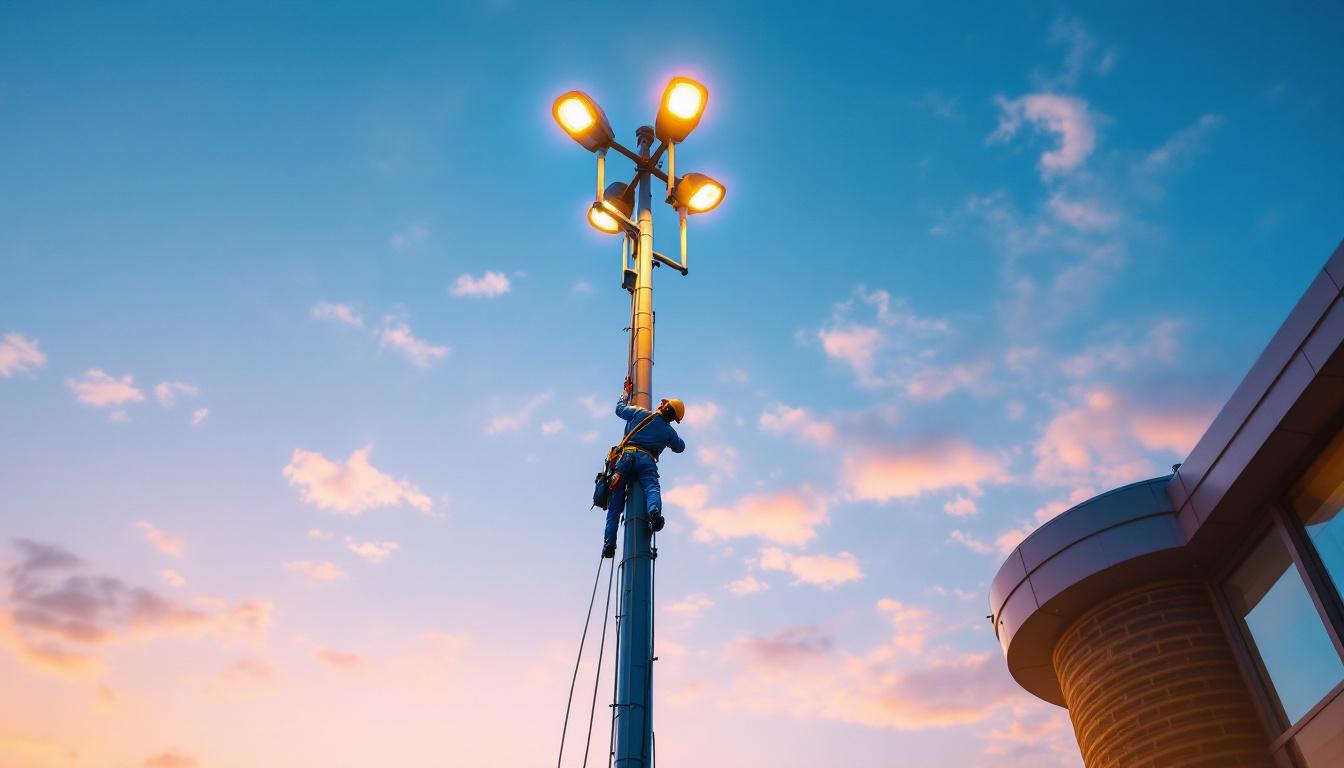
Lighting contractors should also plan for lockout/tagout procedures and ensure that all personnel are trained in working safely at heights and around energized equipment. It is essential to establish a clear communication protocol among team members when performing maintenance tasks, especially in high-traffic areas. This includes using spotters when working near roadways or in environments with vehicular movement, ensuring that all safety measures are in place to protect workers and the public alike. Regular safety drills and training sessions can reinforce these practices, fostering a culture of safety that prioritizes the well-being of all personnel involved in maintenance operations.
Lighting Performance and Compliance
Optimizing Light Distribution
Effective lighting depends on selecting the right fixture type, mounting height, and aiming angle. Tall poles can create glare or uneven illumination if not properly configured, which can compromise safety and visual comfort. The choice of luminaire also plays a crucial role; for instance, LED fixtures not only provide better energy efficiency but also offer a variety of color temperatures that can enhance visibility and ambiance in different settings.
Using photometric analysis software during the design phase helps contractors predict light distribution patterns and adjust fixture placement accordingly. This proactive approach reduces the need for costly adjustments after installation. Furthermore, by simulating various lighting scenarios, designers can evaluate how different fixtures interact with surrounding surfaces and materials, ensuring that the final layout promotes both functionality and aesthetic appeal. This level of detail can lead to a more harmonious integration of lighting into the overall architectural design, enhancing the user experience in public spaces.
Meeting Regulatory and Environmental Standards
Lighting contractors must ensure compliance with local ordinances, including light pollution restrictions and energy efficiency mandates. For example, many municipalities require the use of full cutoff fixtures to minimize skyglow and light trespass. Understanding these regulations is essential not only for legal compliance but also for fostering community trust and support for lighting projects.
Incorporating LED technology and smart controls can help meet energy codes and reduce operational costs. Additionally, adhering to environmental guidelines protects nocturnal wildlife and preserves community quality of life. The integration of smart lighting systems allows for adaptive lighting solutions that can adjust based on occupancy or ambient light levels, further enhancing energy savings. Moreover, educating stakeholders about the benefits of sustainable lighting practices can lead to greater community involvement and advocacy for environmentally responsible lighting initiatives, ultimately contributing to a more sustainable urban landscape.
Project Management and Coordination
Scheduling and Logistics
Installing tall light poles often involves heavy equipment such as cranes and requires coordination with multiple stakeholders, including utility companies, local authorities, and site owners. Effective scheduling minimizes downtime and avoids conflicts with other site activities. This coordination is crucial, as delays in one area can ripple through the entire project timeline, impacting budgets and resource allocation.
Contractors should also anticipate potential delays caused by weather conditions, permitting processes, or supply chain disruptions and build contingencies into their project plans. For instance, having backup equipment on standby or alternative suppliers for critical materials can mitigate the risk of unexpected setbacks. Additionally, engaging in proactive communication with all stakeholders can foster a collaborative environment, ensuring everyone is aligned and informed about the project’s progress and any changes to the schedule.
Quality Control and Documentation
Maintaining detailed records throughout the project lifecycle supports quality assurance and facilitates future maintenance. Documentation should include site assessments, engineering calculations, inspection reports, and as-built drawings. These records not only serve as a reference for future projects but also provide transparency and accountability, which are essential for stakeholder trust and regulatory compliance.
Implementing a robust quality control program helps identify and address issues early, ensuring that the final installation meets all performance and safety criteria. Regular inspections and audits during the installation process can catch discrepancies before they escalate into costly rework. Furthermore, training team members on quality standards and the importance of documentation can enhance overall project outcomes, as a well-informed team is better equipped to uphold the highest standards of workmanship and safety throughout the project’s duration.
Training and Workforce Preparedness
Specialized Training for Tall Pole Installations
Working at heights requires specialized training in fall protection, rigging, and equipment operation. Lighting contractors should invest in ongoing education and certification programs to keep their workforce up to date with industry best practices and regulatory changes.
Competent personnel reduce the risk of accidents and improve installation efficiency, contributing to overall project success.
Promoting a Safety Culture
Beyond formal training, fostering a culture of safety encourages workers to proactively identify hazards and communicate concerns. Regular safety meetings, toolbox talks, and incident reviews reinforce safe behaviors and continuous improvement.
Conclusion: Best Practices for Successful Tall Light Pole Projects
Tall light pole installations are complex undertakings that demand meticulous planning, technical expertise, and strict adherence to safety and regulatory standards. By conducting thorough site assessments, ensuring structural integrity, optimizing electrical and lighting design, and maintaining effective project management, lighting contractors can avoid common pitfalls and deliver reliable, high-performance lighting solutions.
Investing in workforce training and fostering a strong safety culture further enhances project outcomes and protects both personnel and assets. Ultimately, a proactive and comprehensive approach enables contractors to meet client expectations and contribute to safer, well-lit environments.
Illuminate Your Projects with LumenWholesale
Ready to elevate your tall light pole installations with the best in spec-grade lighting? Look no further than LumenWholesale, where we provide contractors with superior lighting products at unbeatable wholesale prices. Say goodbye to local distributor markups and hello to a vast selection of industry-standard lighting solutions. Plus, with free shipping on bulk orders, you can trust that you’re getting premium quality at the best value, without any hidden costs. Make your next project shine and experience the LumenWholesale difference today.