Understanding Flush LED Light Fixtures: A Foundation for Lighting Contractors
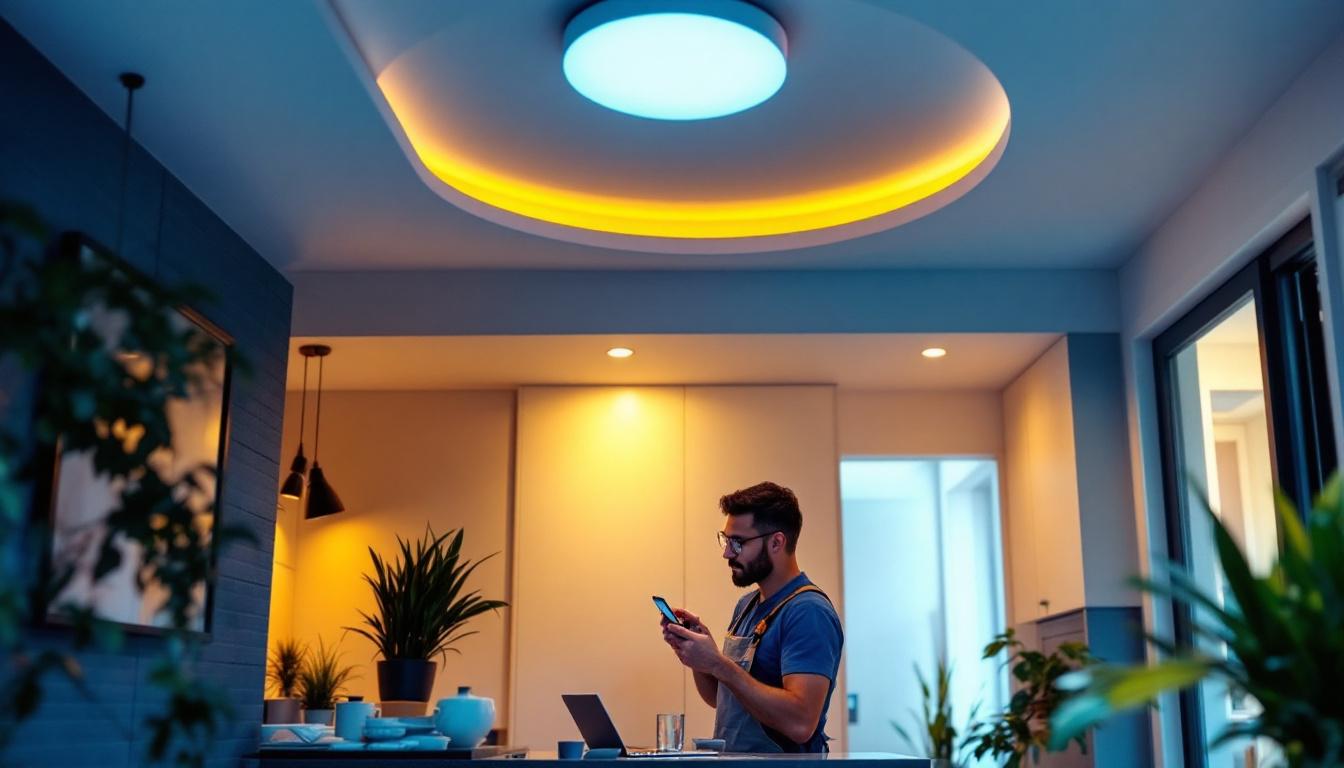
Flush LED light fixtures have become an indispensable component in modern lighting design, particularly for commercial and residential projects where sleek aesthetics and energy efficiency are paramount. Unlike traditional recessed lighting, flush fixtures sit directly against the ceiling surface, providing a clean, minimalist look that complements a wide range of interior styles.
For lighting contractors, mastering the nuances of flush LED fixtures is crucial. These fixtures not only enhance the visual appeal of a space but also contribute significantly to energy savings and maintenance reduction. A thorough understanding of their design, installation requirements, and performance characteristics enables contractors to deliver superior results that meet client expectations and comply with evolving building codes.
Key Features and Benefits of Flush LED Fixtures
Flush LED fixtures offer several advantages over conventional lighting solutions. Their low-profile design reduces visual clutter and maximizes ceiling height perception, making rooms feel more spacious. Additionally, LEDs provide superior energy efficiency, consuming up to 75% less energy compared to incandescent bulbs and lasting significantly longer, which translates into lower operational costs for end-users.
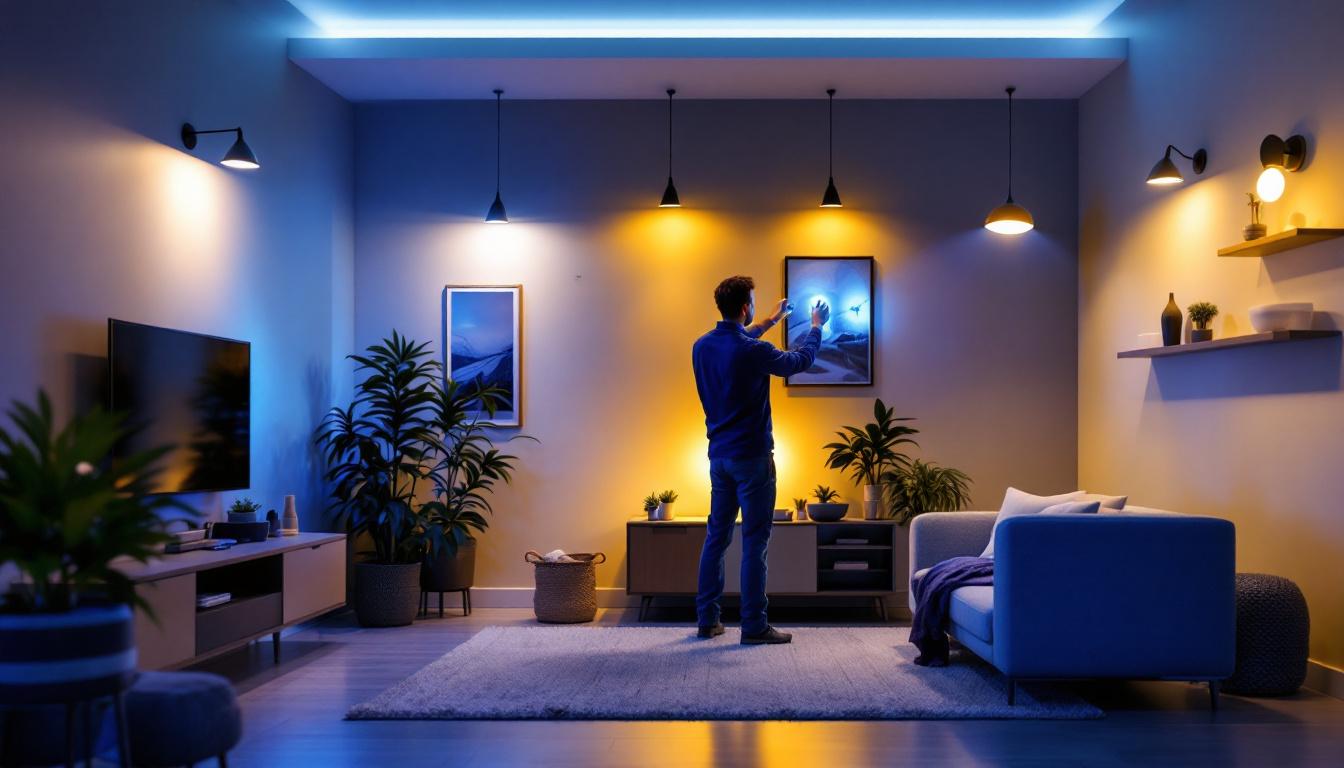
Another benefit is the versatility of flush LED fixtures. They come in various shapes, sizes, and color temperatures, allowing contractors to tailor lighting schemes to specific functional and aesthetic requirements. Many models also incorporate dimmable capabilities and smart controls, enabling dynamic lighting environments that enhance occupant comfort and productivity.
Moreover, the installation of flush LED fixtures is generally straightforward, making them an attractive option for both new constructions and retrofitting projects. Their compatibility with existing electrical systems can simplify upgrades, allowing contractors to recommend energy-efficient solutions without extensive rewiring. Additionally, many flush fixtures are designed with integrated drivers, further streamlining the installation process and reducing the risk of compatibility issues.
In terms of design innovation, flush LED fixtures are continuously evolving. Manufacturers are now incorporating advanced technologies such as tunable white lighting and color-changing capabilities, which allow users to adjust the ambiance of a space throughout the day. This adaptability not only enhances the aesthetic appeal but also supports various activities, from focused work to relaxation, making flush LED fixtures an essential tool for creating versatile environments that cater to diverse needs.
Strategic Selection: Choosing the Right Flush LED Fixtures for Each Project
One of the most critical decisions lighting contractors face is selecting the appropriate flush LED fixtures for a given application. This choice impacts not only the visual outcome but also the project’s budget, energy consumption, and maintenance needs.
Assessing Project Requirements and Environment
Before specifying fixtures, contractors must evaluate the space’s purpose, ceiling type, and ambient lighting conditions. For instance, a healthcare facility demands high color rendering index (CRI) fixtures to ensure accurate color perception, whereas a retail environment might prioritize adjustable color temperatures to highlight merchandise effectively.
Ceiling construction also influences fixture selection. Drop ceilings, drywall ceilings, and concrete slabs each require different mounting options and fixture designs. Understanding these constraints ensures a secure installation and optimal light distribution. Additionally, the height of the ceiling plays a significant role in determining the type of fixture to use; higher ceilings may benefit from fixtures that provide a wider beam spread to ensure adequate illumination across the entire area.
Moreover, the intended aesthetic of the space should not be overlooked. For example, in hospitality environments, fixtures can serve as design elements that enhance the overall ambiance. Contractors might explore decorative flush LED options that complement the interior design while still delivering functional lighting. This balance between form and function is essential in creating spaces that are both visually appealing and practical.
Energy Efficiency and Compliance Considerations
Energy codes and sustainability standards have become increasingly stringent, making it essential for contractors to select fixtures that meet or exceed regulatory requirements. Choosing ENERGY STAR® certified flush LED fixtures, for example, guarantees a baseline of efficiency and quality.
Furthermore, integrating lighting controls such as occupancy sensors and daylight harvesting systems can enhance energy savings. Contractors should consider specifying fixtures compatible with these technologies to future-proof installations and provide clients with long-term value. The use of smart lighting solutions not only contributes to energy efficiency but also allows for customizable lighting scenarios that can adapt to the changing needs of the space throughout the day.
In addition to energy savings, the longevity of LED fixtures is a critical factor in reducing maintenance costs. Unlike traditional lighting options, LEDs have a significantly longer lifespan, which means less frequent replacements and lower labor costs over time. This durability is particularly advantageous in commercial settings, where downtime can lead to lost productivity and revenue. By emphasizing the long-term benefits of flush LED fixtures, contractors can provide clients with a compelling case for investing in quality lighting solutions that align with both their budget and sustainability goals.
Installation Best Practices: Ensuring Optimal Performance and Longevity
Proper installation is fundamental to the performance and durability of flush LED light fixtures. Lighting contractors must adhere to manufacturer guidelines and industry standards to avoid common pitfalls that can compromise fixture operation or safety.
Pre-Installation Planning and Coordination
Effective communication with architects, electricians, and other trades is vital during the planning phase. Coordinating fixture placement with HVAC, fire suppression, and ceiling grid layouts prevents conflicts and facilitates a smooth installation process.
Additionally, verifying power supply specifications and ensuring compatibility with dimming or control systems helps avoid costly rework. Contractors should also confirm that all necessary mounting hardware and accessories are on-site before commencing installation. This proactive approach not only streamlines the installation but also enhances collaboration among team members, fostering a more efficient workflow. Ensuring that all parties are on the same page regarding timelines and expectations can significantly reduce delays and miscommunications that could lead to project setbacks.
Installation Techniques for Flush Mount Fixtures
Installing flush LED fixtures often involves cutting precise openings in the ceiling and securing the fixture housing firmly to prevent sagging or misalignment. Utilizing templates and laser levels can improve accuracy and speed.
Attention to wiring practices is equally important. Properly rated connectors, secure grounding, and adherence to electrical codes reduce the risk of faults and enhance safety. Where applicable, contractors should also seal around fixtures to maintain ceiling integrity and prevent air leakage. Moreover, it is beneficial to conduct a thorough inspection of the installation site prior to beginning work. This includes checking for any obstructions, assessing the condition of existing structures, and ensuring that all necessary tools are readily available. Such diligence not only enhances the quality of the installation but also contributes to the overall safety and satisfaction of the end-users, ensuring that the lighting system performs optimally throughout its lifespan.
Maintenance and Troubleshooting: Sustaining Fixture Efficiency Over Time
Although LED fixtures require less maintenance than traditional lighting, routine inspections and timely interventions are essential to sustain their performance and extend service life.
Routine Inspection and Cleaning
Dust and debris accumulation can diminish light output and cause overheating. Contractors should recommend regular cleaning schedules to clients, emphasizing the importance of using appropriate cleaning agents and techniques to avoid damage.
Inspecting fixtures for signs of wear, discoloration, or flickering can help identify issues early. Prompt replacement of defective components prevents further complications and maintains consistent lighting quality.
In addition to regular cleaning, it is advisable to check the surrounding environment of the fixtures. For instance, fixtures installed in areas with high humidity or extreme temperatures may require more frequent inspections. Environmental factors can accelerate wear and tear, making it crucial to assess the conditions under which the fixtures operate. Furthermore, ensuring that the fixtures are not obstructed by furniture or other objects can promote better airflow and heat dissipation, ultimately enhancing their longevity.
Common Troubleshooting Scenarios
Lighting contractors often encounter problems such as flickering, dimming failure, or complete fixture outage. These issues may stem from driver malfunctions, wiring defects, or compatibility problems with control systems.
Systematic troubleshooting involves isolating the fixture, testing electrical connections, and verifying control settings. Maintaining detailed documentation of installations and configurations aids in efficient problem resolution and supports warranty claims if necessary.
Another common scenario that contractors may face is the issue of color temperature inconsistency among fixtures. This can occur when different batches of LEDs are installed or when fixtures are retrofitted with incompatible components. To address this, contractors should educate clients on the importance of using matched products and maintaining uniformity in lighting design. Additionally, utilizing color calibration tools can help ensure that the light output remains consistent across all fixtures, creating a harmonious lighting environment that enhances both aesthetics and functionality.
Emerging Trends and Technologies in Flush LED Lighting
The lighting industry continues to evolve rapidly, with innovations that enhance the capabilities and applications of flush LED fixtures. Staying abreast of these developments empowers contractors to offer cutting-edge solutions that differentiate their services.
Integration with Smart Building Systems
Smart lighting systems that integrate with building automation platforms enable advanced control features such as personalized lighting scenes, occupancy-based adjustments, and energy usage analytics. Flush LED fixtures designed with embedded sensors and wireless communication modules facilitate seamless integration.
Contractors proficient in these technologies can provide clients with comprehensive lighting solutions that improve operational efficiency and occupant experience.
Advancements in Optical Design and Materials
Innovations in lens technology and heat dissipation materials have led to flush LED fixtures with improved light distribution, reduced glare, and enhanced thermal management. These improvements contribute to higher visual comfort and longer fixture lifespan.
Selecting fixtures that incorporate these advancements allows contractors to address challenging lighting scenarios, such as high-ceiling spaces or areas requiring precise illumination control.
Conclusion: Elevating Lighting Projects with Expert Flush LED Fixture Strategies
Flush LED light fixtures represent a vital component in contemporary lighting design, offering a blend of aesthetic appeal, energy efficiency, and functional versatility. For lighting contractors, adopting strategic approaches to selection, installation, maintenance, and technology integration is key to delivering exceptional results.
By understanding project-specific requirements, adhering to best installation practices, and embracing emerging innovations, contractors can enhance client satisfaction, reduce operational costs, and position themselves as leaders in the competitive lighting industry.
Illuminate Your Projects with LumenWholesale
Ready to elevate your lighting projects with the best in flush LED fixtures? Look no further than LumenWholesale, where we offer an extensive selection of top-quality, spec-grade lighting products at unbeatable wholesale prices. Say goodbye to inflated markups and hello to reliable, high-performance lighting that meets the highest industry standards. Plus, with free shipping on bulk orders, you can enjoy premium lighting solutions at the best value — all without hidden fees or compromises. Don’t miss out on the perfect blend of quality, affordability, and convenience. Visit LumenWholesale today and experience Wholesale Lighting at the Best Value for your next project.