Understanding the Basics of Type T Bulbs
In the lighting industry, terminology can sometimes be confusing, especially when it comes to bulb shapes and types. For lighting contractors, a clear understanding of these distinctions is crucial for selecting the right product for each application. One such term that frequently arises is the “Type T bulb.”
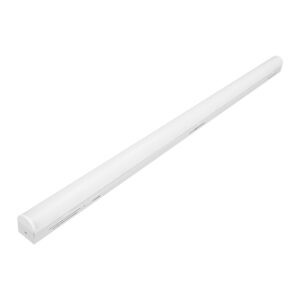
A Type T bulb refers to a tubular-shaped light bulb, where the “T” stands for tubular. These bulbs have a cylindrical form factor, which differentiates them from more common shapes like A-shaped (standard household bulbs) or globe bulbs. The diameter of the tube is usually indicated by a number following the “T” designation, such as T5, T8, or T12, which corresponds to the bulb’s diameter in eighths of an inch. For example, a T8 bulb has a diameter of 8/8 inch, or 1 inch.
Type T bulbs are widely used in various lighting fixtures, including pendant lights, sconces, and specialty lamps. Their tubular shape allows for even light distribution and often fits into fixtures designed for linear or elongated illumination.
Moreover, Type T bulbs are not only versatile in their applications but also come in various technologies, such as fluorescent and LED options. Fluorescent Type T bulbs have been a staple in commercial settings for decades, providing energy-efficient lighting for offices, schools, and retail spaces. On the other hand, the advent of LED technology has revolutionized the Type T bulb market, offering even greater energy savings, longer lifespans, and reduced heat output. This shift towards LED Type T bulbs is particularly significant as businesses and homeowners alike seek sustainable lighting solutions that lower energy costs while maintaining high-quality illumination.
In addition to their functional benefits, Type T bulbs also come in a variety of color temperatures, allowing users to tailor the ambiance of their spaces. From warm white tones that create a cozy atmosphere to cool white or daylight options that enhance productivity in work environments, the choice of color temperature can significantly impact the mood and functionality of a room. This adaptability makes Type T bulbs a popular choice among interior designers and lighting professionals who aim to achieve specific lighting effects in residential and commercial projects alike.
Common Applications and Advantages of Type T Bulbs
Where Type T Bulbs Shine
Type T bulbs are particularly popular in commercial and residential settings where a sleek, linear light source is needed. They are commonly found in under-cabinet lighting, display cases, and architectural lighting, where their shape complements the design and provides uniform illumination. Their slender profile allows them to fit seamlessly into tight spaces, making them an ideal choice for areas where traditional bulbs may not suffice. This adaptability is particularly beneficial in modern kitchens, where under-cabinet lighting can illuminate countertops for cooking and preparation without taking up valuable space.
For lighting contractors, understanding these applications is essential for recommending the right bulb to clients. For example, in retail environments, Type T bulbs can highlight merchandise effectively without creating harsh shadows, enhancing the overall shopping experience. In addition to retail, these bulbs are also widely used in galleries and museums, where they can showcase artwork and artifacts with precision, ensuring that colors and details are rendered accurately. The ability to control the intensity and direction of the light makes Type T bulbs a favorite among designers looking to create specific moods or highlight architectural features in various settings.
Benefits for Contractors and End Users
One of the primary advantages of Type T bulbs is their versatility. They come in various sizes and wattages, making them adaptable to different lighting requirements. Additionally, many Type T bulbs are available in LED versions, offering energy efficiency and longer lifespan compared to traditional incandescent or fluorescent tubular bulbs. The shift towards LED technology not only reduces energy consumption but also decreases heat output, making them safer and more comfortable in enclosed spaces. This aspect is particularly appealing in environments like offices, where maintaining a comfortable temperature is crucial for productivity.
From a contractor’s perspective, this means fewer replacements and maintenance calls, which can improve client satisfaction and reduce long-term costs. The uniform light output and minimal glare also contribute to better lighting quality, which is a significant selling point when consulting with clients. Furthermore, the availability of dimmable options allows for greater flexibility in lighting design, enabling users to adjust brightness levels according to the time of day or specific activities. This feature is especially advantageous in multi-functional spaces, such as conference rooms or living areas, where lighting needs can vary significantly throughout the day.
Technical Specifications Lighting Contractors Should Know
Size and Dimensions
The sizing system for Type T bulbs is standardized, which helps contractors quickly identify the correct bulb for a fixture. As mentioned earlier, the number following the “T” indicates the diameter in eighths of an inch. For instance:
- T5: 5/8 inch diameter
- T8: 8/8 inch (1 inch) diameter
- T12: 12/8 inch (1.5 inches) diameter
These sizes are important not only for physical fit but also because they often correlate with different wattages and light outputs. For example, T5 bulbs are typically more energy-efficient and used in modern lighting systems, while T12 bulbs are older and less efficient but still found in some existing installations.
Base Types and Compatibility
Type T bulbs come with various base types, which determine the socket compatibility. Common bases include medium screw bases (E26/E27), candelabra bases (E12), and bi-pin bases for fluorescent tubular bulbs. Lighting contractors must verify the base type to ensure proper installation and avoid compatibility issues.
In fluorescent and LED tubular bulbs, the bi-pin base is prevalent. These bases have two pins that fit into corresponding slots in the fixture. The pin spacing can vary, so it is essential to check the fixture specifications carefully.
Wattage and Light Output
Wattage for Type T bulbs varies widely depending on the technology—incandescent, fluorescent, or LED. For example, a traditional T8 fluorescent bulb might consume 32 watts, whereas an LED equivalent could use only 15 watts while providing the same or better light output.
Lighting contractors should always consider lumens (a measure of light output) rather than just wattage when selecting bulbs. This ensures that the installed lighting meets the desired brightness levels efficiently. For instance, a T8 LED bulb producing 2,500 lumens at 15 watts is a more energy-efficient choice than a 32-watt fluorescent bulb with similar output.
Energy Efficiency and Environmental Considerations
Transitioning to LED Type T Bulbs
The lighting industry has seen a significant shift toward LED technology, and Type T bulbs are no exception. LED tubular bulbs offer substantial energy savings, longer service life, and reduced heat output compared to traditional incandescent and fluorescent counterparts.
For lighting contractors, recommending LED Type T bulbs aligns with current energy codes and sustainability goals. Many jurisdictions now require or incentivize the use of energy-efficient lighting solutions, making LED Type T bulbs a smart choice for new installations and retrofits.
Environmental Impact and Disposal
Fluorescent Type T bulbs contain small amounts of mercury, which requires careful handling and disposal to prevent environmental contamination. Lighting contractors must educate clients about proper recycling programs and disposal methods to comply with environmental regulations.
LED Type T bulbs, on the other hand, do not contain mercury and generally have a lower environmental impact over their lifecycle. Their longer lifespan also means fewer replacements and less waste, which is an important consideration for environmentally conscious clients.
Installation and Maintenance Tips for Lighting Contractors
Ensuring Proper Installation
Correct installation of Type T bulbs is critical for safety and performance. Contractors should always verify the bulb size, base type, and wattage before installation. Using the wrong bulb can lead to poor lighting quality, fixture damage, or even electrical hazards.
When dealing with fluorescent Type T bulbs, it is also important to check the ballast compatibility. Some LED tubular bulbs are designed to work with existing fluorescent ballasts, while others require ballast bypass or replacement. Understanding these requirements can save time and reduce installation costs.
Maintenance Best Practices
Regular maintenance ensures that Type T bulbs perform optimally throughout their lifespan. Contractors should advise clients to clean fixtures periodically to remove dust and debris, which can diminish light output.
For fluorescent Type T bulbs, monitoring for flickering or dimming is essential, as these signs often indicate ballast or bulb failure. In contrast, LED bulbs typically require less maintenance but should still be inspected periodically for any signs of damage or wear.
Common Challenges and Solutions
Addressing Compatibility Issues
One challenge contractors may face is compatibility between new LED Type T bulbs and existing fixtures, especially those designed for fluorescent tubes. Some LED bulbs may not work correctly with older ballasts, causing flickering or failure to light.
To mitigate this, contractors should perform a thorough assessment of the existing lighting system before recommending LED upgrades. In some cases, removing or bypassing the ballast and rewiring the fixture for direct LED operation is necessary.
Dealing with Dimming and Control Systems
Dimming Type T bulbs, particularly LEDs, can be tricky because not all LED bulbs are dimmable, and not all dimmers are compatible with LED technology. Lighting contractors should verify the dimmability of the bulbs and the compatibility of dimmer switches to avoid client dissatisfaction.
Using LED-specific dimmers and bulbs designed for dimming applications ensures smooth operation and extends the life of the lighting system.
Conclusion: Why Lighting Contractors Should Master Type T Bulbs
For lighting contractors, mastering the knowledge of Type T bulbs is indispensable. These bulbs are a versatile and widely used component in many lighting systems, and understanding their specifications, applications, and technological advancements enables contractors to deliver superior service.
By staying informed about the latest developments, including the shift to LED technology and evolving energy standards, contractors can provide clients with efficient, reliable, and environmentally responsible lighting solutions. This expertise not only enhances project outcomes but also builds trust and long-term relationships with clients.
In summary, a comprehensive grasp of Type T bulbs—from their physical characteristics to installation nuances—empowers lighting contractors to excel in their field and meet the diverse needs of modern lighting projects.
Get Your Premium Type T Bulbs at LumenWholesale
Ready to elevate your lighting projects with the best Type T bulbs on the market? Look no further than LumenWholesale, where we provide lighting contractors with exceptional, spec-grade lighting products at unbeatable wholesale prices. Say goodbye to local distributor markups and hello to our vast selection of reliable, high-performance lighting that meets the highest industry standards. Plus, with free shipping on bulk orders, you can stock up on premium lighting solutions without worrying about hidden fees or compromises. Don’t miss out on the perfect combination of quality, affordability, and convenience. Visit LumenWholesale today for Wholesale Lighting at the Best Value and make your next lighting project shine!