Introduction to LED Suspended Ceiling Lighting Panels
LED suspended ceiling lighting panels have become a staple in modern commercial and institutional lighting design. Their sleek profile, energy efficiency, and uniform light distribution make them a preferred choice for offices, schools, hospitals, and retail spaces. For lighting contractors, understanding the nuances of these panels is crucial to delivering installations that meet client expectations and comply with industry standards.
This guide aims to provide a comprehensive overview of LED suspended ceiling lighting panels, focusing on key factors contractors should consider when selecting and installing these fixtures. From technical specifications to installation challenges, this article will help contractors make informed decisions that optimize performance, aesthetics, and cost-effectiveness.
One of the standout features of LED suspended ceiling panels is their versatility in design. Available in various sizes, shapes, and color temperatures, these panels can seamlessly integrate into different architectural styles and enhance the overall ambiance of a space. For instance, warmer color temperatures can create a cozy atmosphere in a restaurant or lounge, while cooler tones are ideal for workspaces requiring focus and concentration. Additionally, many manufacturers now offer customizable options, allowing contractors to choose panels that not only meet functional requirements but also align with the client’s branding and design vision.
Moreover, the installation process of LED suspended ceiling panels has evolved significantly over the years. Many modern panels come with user-friendly mounting systems that simplify the installation process, reducing labor time and costs. Some panels are designed for easy integration with smart lighting systems, enabling features such as dimming, color changing, and automated control through mobile devices. This adaptability not only enhances the lighting experience but also contributes to energy savings, making it an attractive proposition for environmentally conscious clients. As technology continues to advance, staying updated on the latest innovations in LED panel design and installation techniques will empower contractors to deliver superior lighting solutions that meet the dynamic needs of their clients.
Understanding the Basics: What Are LED Suspended Ceiling Lighting Panels?
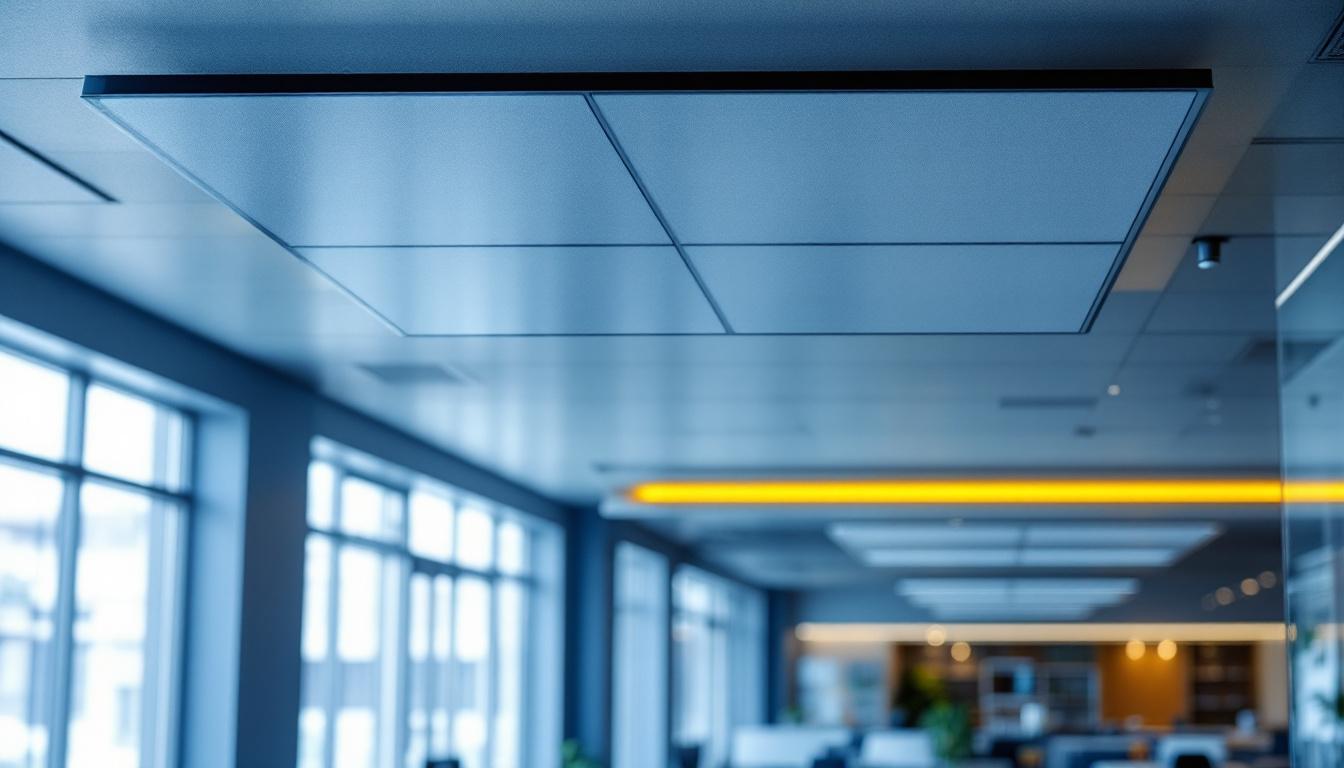
LED suspended ceiling lighting panels are flat, rectangular or square luminaires designed to fit into or hang below suspended ceiling grids. They typically replace traditional fluorescent troffers, offering improved energy efficiency and lighting quality.
These panels use light-emitting diodes (LEDs) as the light source, which consume less power and have longer lifespans compared to fluorescent tubes. The panels are often made with diffusers that provide even light distribution, reducing glare and shadows, which is essential in work environments.
Common Sizes and Configurations
Standard sizes for these panels include 600×600 mm and 1200×600 mm, matching typical ceiling grid dimensions. Some manufacturers offer customizable sizes for unique architectural requirements. Panels can be recessed into the grid or suspended below it using cables or rods, depending on the design intent and ceiling type.
Benefits Over Traditional Lighting
Compared to fluorescent fixtures, LED panels offer:
- Energy Efficiency: LEDs use up to 50% less energy, significantly reducing operating costs.
- Longer Lifespan: Typical LED panels last 50,000 hours or more, minimizing maintenance frequency.
- Improved Light Quality: Higher Color Rendering Index (CRI) values and consistent light output enhance visual comfort.
- Environmental Impact: LEDs contain no mercury and have lower carbon footprints.
Key Factors Lighting Contractors Should Consider
Selecting the right LED suspended ceiling lighting panels requires balancing technical specifications, client needs, and installation constraints. Below are critical factors to evaluate.
1. Luminous Efficacy and Light Output
Luminous efficacy, measured in lumens per watt (lm/W), indicates how efficiently a fixture converts electrical power into visible light. Higher efficacy means more light output for less energy consumption, an essential consideration for clients aiming to reduce energy bills.
Lighting contractors should assess the required illuminance levels for the space, typically measured in lux. For example, office spaces generally require 300-500 lux, while classrooms may need up to 750 lux. Choosing panels with appropriate lumen output ensures compliance with lighting standards and occupant comfort.
2. Color Temperature and Color Rendering
Color temperature, expressed in Kelvin (K), affects the ambiance and functionality of a space. Cooler temperatures (4000K-5000K) are often preferred in work environments for their crisp, alerting light, while warmer temperatures (2700K-3500K) suit hospitality or relaxation areas.
Color Rendering Index (CRI) measures how accurately a light source reveals colors compared to natural light. A CRI of 80 or above is generally recommended for commercial settings to ensure visual clarity and reduce eye strain.
3. Dimming and Control Compatibility
Modern lighting systems increasingly incorporate dimming and smart controls to enhance energy savings and user experience. Contractors should verify that the LED panels are compatible with the client’s existing or planned control systems, such as 0-10V dimming, DALI, or wireless protocols.
Integrating controls can also support compliance with building codes related to daylight harvesting and occupancy sensing, which are becoming standard in many regions.
4. Panel Construction and Material Quality
Durability and safety are paramount. Panels should be constructed from high-quality materials that resist yellowing and warping over time. Aluminum frames are common for their lightweight and corrosion resistance.
The diffuser material, often polycarbonate or acrylic, should provide uniform light distribution and withstand cleaning and maintenance procedures without degrading.
5. Thermal Management
Effective heat dissipation extends LED lifespan and maintains consistent light output. Panels with integrated heat sinks or aluminum backplates help manage thermal buildup. Contractors should consider the panel’s thermal design, especially in environments with limited airflow or higher ambient temperatures.
6. Installation and Maintenance Considerations
Ease of installation can significantly reduce labor costs and project timelines. Features such as quick-connect wiring, adjustable suspension kits, and lightweight construction facilitate faster deployment.
Maintenance accessibility is also important. Panels that allow easy access to electrical components or offer modular designs simplify repairs or upgrades.
Compliance and Standards
Lighting contractors must ensure that LED suspended ceiling lighting panels comply with relevant safety, performance, and energy standards. This not only guarantees client satisfaction but also reduces liability risks.
Relevant Certifications and Ratings
- UL or ETL Listing: Indicates compliance with safety standards in North America.
- Energy Star or DLC Certification: Demonstrates energy efficiency and eligibility for utility rebates.
- IP Ratings: For moisture resistance, important in certain environments like kitchens or healthcare.
- RoHS Compliance: Ensures the product is free from hazardous substances.
Building Codes and Energy Regulations
Many jurisdictions require adherence to energy codes such as ASHRAE 90.1 or the International Energy Conservation Code (IECC). These codes often mandate minimum efficacy levels, controls, and lighting power densities. Contractors should verify that their panel selections align with these requirements to avoid costly rework or penalties.
Common Challenges and Solutions in Installation
While LED suspended ceiling lighting panels offer many advantages, contractors may encounter challenges during installation. Awareness of these issues and proactive planning can ensure smooth project execution.
Ceiling Grid Compatibility
Not all ceiling grids are uniform. Older or non-standard grids may not accommodate modern LED panels without modification. Contractors should measure grid dimensions accurately and consult manufacturers’ specifications to confirm compatibility.
Wiring and Electrical Integration
Integrating LED panels into existing electrical systems requires attention to voltage compatibility and wiring methods. Some panels operate on low-voltage DC, necessitating drivers or transformers. Ensuring proper wiring reduces the risk of flicker, dimming issues, or premature failure.
Weight and Suspension Systems
Although LED panels are generally lightweight, suspension systems must be rated to support their weight safely. Using adjustable cables or rods allows for precise height adjustments and alignment, contributing to a professional finish.
Glare and Light Distribution
Improper panel placement or diffuser selection can cause glare or uneven lighting. Contractors should follow lighting design guidelines and consider room geometry to optimize panel layout.
Case Studies: Successful Implementations
Examining real-world examples can provide valuable insights into best practices and innovative solutions.
Office Retrofit Project
A mid-sized corporate office replaced outdated fluorescent troffers with LED suspended ceiling panels. By selecting panels with 4000K color temperature and 90 CRI, the client reported improved employee comfort and productivity. Integration with a DALI control system enabled daylight harvesting, reducing energy consumption by 35%.
Healthcare Facility Installation
In a hospital setting, contractors installed LED panels with IP44 ratings and antimicrobial coatings to meet hygiene standards. Panels with tunable white light allowed staff to adjust color temperature according to time of day, supporting circadian rhythms and patient well-being.
Educational Institution Upgrade
A school upgraded classrooms with LED panels featuring high CRI and flicker-free drivers. The installation improved visual clarity for students and teachers, contributing to better learning outcomes. The project also qualified for utility rebates due to the panels’ DLC certification.
Tips for Lighting Contractors: Maximizing Client Satisfaction
Beyond technical selection, contractors can enhance client relationships by adopting best practices throughout the project lifecycle.
Conduct Thorough Site Assessments
Understanding the space’s existing conditions, usage patterns, and client expectations helps tailor lighting solutions effectively. Measurements and photometric analyses can guide panel selection and placement.
Provide Detailed Proposals
Clear documentation of product specifications, energy savings projections, and installation timelines builds client confidence and facilitates decision-making.
Offer Maintenance and Warranty Information
Clients appreciate knowing the expected lifespan, warranty coverage, and maintenance requirements of their lighting systems. Providing this information upfront minimizes future disputes.
Stay Updated on Industry Trends
LED technology and lighting controls evolve rapidly. Contractors who stay informed about new products, standards, and best practices can offer cutting-edge solutions that differentiate them in the marketplace.
Conclusion
LED suspended ceiling lighting panels represent a versatile and efficient lighting solution for a wide range of commercial and institutional applications. For lighting contractors, selecting the right panel involves careful consideration of technical specifications, compliance requirements, installation logistics, and client needs.
By understanding the key factors outlined in this guide and applying practical insights from real-world projects, contractors can deliver lighting installations that enhance occupant comfort, reduce energy costs, and stand the test of time.
Ultimately, informed choices in LED panel selection contribute to successful projects, satisfied clients, and a strong professional reputation in the competitive lighting industry.
Get Premium LED Panels at Wholesale Prices
Ready to elevate your lighting projects with the best LED suspended ceiling lighting panels on the market? Look no further than LumenWholesale, where we provide contractors with high-quality, specification-grade lighting solutions at unbeatable wholesale rates. Our extensive selection not only meets but exceeds industry standards, ensuring your installations are powered by reliable and high-performance lighting. With LumenWholesale, bulk buying is a breeze, thanks to our free shipping policy, which means you can stock up on premium lighting without worrying about hidden fees or compromises. Don’t miss out on the perfect combination of quality, affordability, and convenience. Visit us now at Wholesale Lighting at the Best Value and make your next project shine with LumenWholesale.