Understanding Industrial Fluorescent Lamps: Fundamentals and Applications
Industrial fluorescent lamps remain a cornerstone in commercial and industrial lighting due to their efficiency, longevity, and cost-effectiveness. For lighting contractors, a thorough understanding of these lamps’ characteristics is essential to ensure optimal installation, maintenance, and client satisfaction.
Fluorescent lamps operate by passing an electric current through mercury vapor, which produces ultraviolet light. This ultraviolet light then excites a phosphor coating inside the lamp, emitting visible light. This process allows fluorescent lamps to achieve higher luminous efficacy compared to traditional incandescent bulbs, making them ideal for large-scale industrial environments.
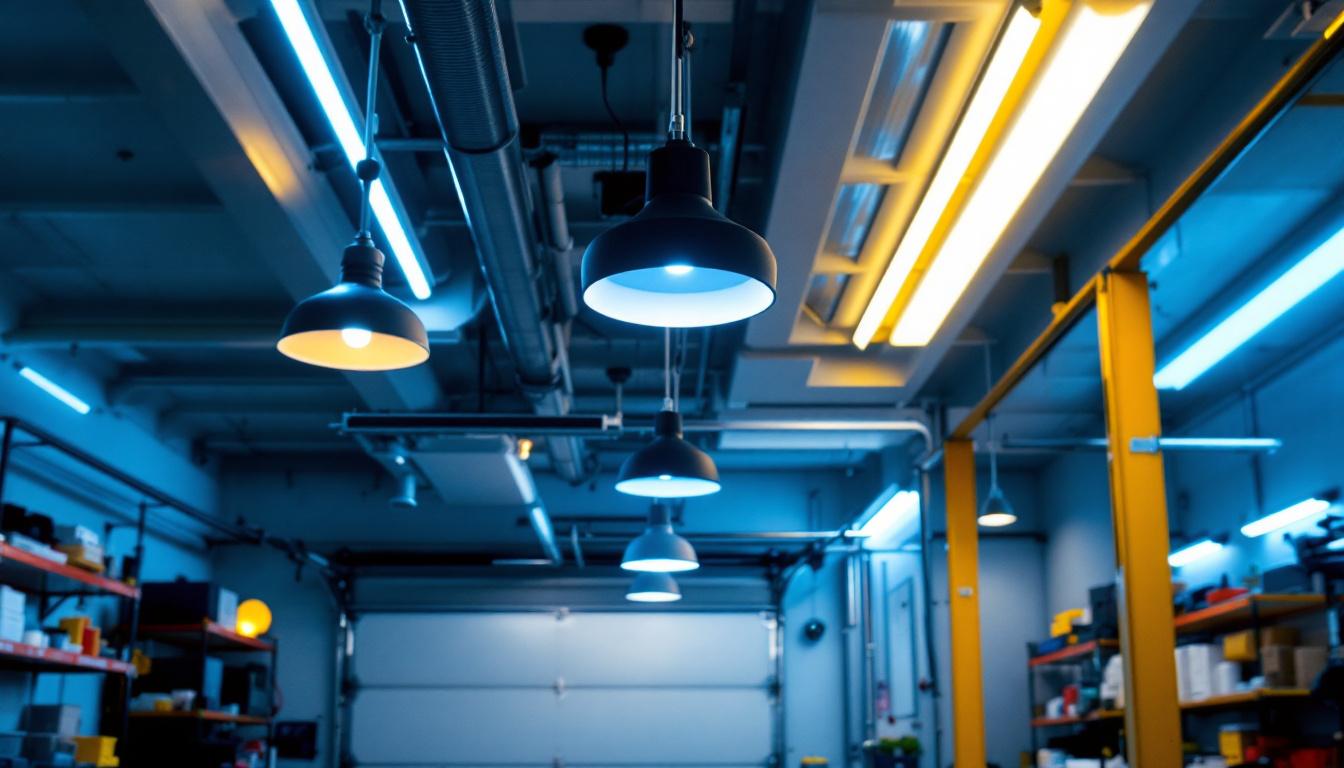
In industrial settings such as warehouses, manufacturing plants, and large retail spaces, fluorescent lamps provide uniform, bright lighting that enhances visibility and safety. Their ability to cover extensive areas with minimal energy consumption aligns well with the operational demands of these environments. Additionally, the color temperature of fluorescent lamps can vary, with options ranging from warm white to cool daylight, allowing for tailored lighting solutions that can enhance the mood and productivity of workers in different settings.
Moreover, the environmental impact of fluorescent lamps is noteworthy. They consume less energy than incandescent bulbs, which translates to lower greenhouse gas emissions. However, it is essential to handle these lamps with care due to the presence of mercury, which necessitates proper disposal methods to prevent environmental contamination. Many manufacturers are now producing low-mercury fluorescent options, further mitigating the ecological footprint of these lighting solutions.
Types of Industrial Fluorescent Lamps
Lighting contractors should be familiar with the various types of fluorescent lamps commonly used in industrial applications:
- T8 Lamps: These are the most prevalent in industrial settings due to their balance of efficiency and brightness. They typically operate at 32mm diameter and are compatible with electronic ballasts.
- T5 Lamps: Slightly smaller in diameter (16mm), T5 lamps offer higher luminous efficacy and are suitable for environments where space constraints or higher light output are priorities.
- T12 Lamps: Although largely phased out due to lower efficiency, some older industrial installations may still use T12 lamps. Contractors should be prepared to recommend upgrades to more efficient alternatives.
In addition to these standard types, there are also specialty fluorescent lamps designed for specific applications. For example, high-output fluorescent lamps are engineered to deliver significantly more light than their standard counterparts, making them ideal for high-ceiling environments like gymnasiums or auditoriums. Furthermore, there are also cold-cathode fluorescent lamps, which are often used in decorative lighting or signage due to their ability to produce vibrant colors and unique shapes. Understanding these variations allows lighting contractors to provide customized solutions that meet the unique needs of their clients.
Key Considerations for Installation and Maintenance
Proper installation and maintenance are crucial to maximizing the lifespan and performance of industrial fluorescent lamps. Lighting contractors must adhere to best practices to avoid common pitfalls that can lead to premature failure or suboptimal lighting conditions. Understanding the specific requirements of the facility and the intended use of the lighting can further enhance the effectiveness of the installation, ensuring that the lighting system meets both operational and aesthetic needs.
Ballast Compatibility and Selection
The ballast plays a critical role in regulating the current to the lamp. Selecting the appropriate ballast—whether magnetic or electronic—is vital. Electronic ballasts are generally preferred in industrial applications due to their energy efficiency, reduced flicker, and quieter operation. Furthermore, they often come equipped with features such as dimming capabilities and smart controls, which can further optimize energy use and adapt to varying lighting needs throughout the day.
Contractors should verify ballast compatibility with the lamp type to prevent issues such as flickering, reduced lamp life, or failure to start. Additionally, electronic ballasts can contribute to energy savings of up to 30% compared to magnetic ballasts, an important consideration for clients aiming to reduce operational costs. It’s also beneficial to consider the environmental impact of the chosen ballast, as electronic options typically contain fewer hazardous materials, aligning with sustainability goals that many companies are now prioritizing.
Proper Wiring and Fixture Installation
Ensuring correct wiring and secure fixture installation is fundamental. Loose connections or improper wiring can cause electrical hazards and reduce lamp efficiency. Contractors must follow manufacturer specifications and local electrical codes meticulously. Additionally, incorporating surge protection devices can safeguard the lighting system from voltage spikes, which are common in industrial settings and can lead to costly repairs or replacements.
In environments with high vibration or temperature fluctuations, selecting fixtures designed to withstand such conditions will enhance the durability of the lighting system. For example, using vibration-resistant fixtures in manufacturing plants or warehouses can significantly reduce the risk of lamp breakage and ensure consistent performance. Furthermore, the choice of materials for fixtures should also be considered; corrosion-resistant options are ideal for areas exposed to moisture or chemicals, extending the life of the installation.
Maintenance Strategies
Regular maintenance extends the life of fluorescent lamps and maintains lighting quality. This includes periodic cleaning of fixtures to remove dust and debris, which can diminish light output, and timely replacement of lamps nearing the end of their rated life. Implementing a systematic approach to maintenance, such as using a checklist or a digital tracking system, can help ensure that no aspect of the lighting system is overlooked, thereby enhancing overall reliability.
Lighting contractors should educate clients on the importance of scheduled maintenance and offer service plans that include lamp replacement and ballast inspection to prevent unexpected downtime. Additionally, providing training for in-house maintenance staff can empower them to perform routine checks and minor repairs, fostering a proactive approach to lighting management. This not only helps in maintaining optimal lighting conditions but also cultivates a culture of safety and efficiency within the workplace, ultimately benefiting the entire operation.
Energy Efficiency and Environmental Impact
Energy efficiency is a top priority for industrial clients seeking to reduce operational expenses and meet sustainability goals. Fluorescent lamps, while efficient, face competition from emerging technologies such as LEDs. However, when properly selected and maintained, fluorescent lamps still offer significant energy savings.
Comparing Fluorescent Lamps to Alternative Technologies
While LEDs are gaining popularity, fluorescent lamps remain cost-effective, especially for retrofit projects where existing fixtures are compatible. Fluorescent lamps typically consume 25-35% less energy than incandescent lamps and have a longer lifespan, reducing replacement frequency.
Contractors should evaluate each project’s specific requirements, considering factors such as initial investment, energy costs, lighting quality, and client preferences before recommending a lighting solution.
Recycling and Disposal Considerations
Fluorescent lamps contain small amounts of mercury, necessitating responsible disposal and recycling to prevent environmental contamination. Lighting contractors must inform clients about proper disposal procedures and collaborate with certified recycling facilities.
Many regions have regulations mandating the recycling of fluorescent lamps. Compliance not only protects the environment but also shields clients from potential legal liabilities.
Enhancing Lighting Quality and Safety in Industrial Environments
Beyond energy efficiency, lighting contractors must focus on the quality of light and safety implications in industrial settings. Proper lighting can improve worker productivity, reduce accidents, and comply with occupational health standards.
Optimizing Color Temperature and CRI
Industrial fluorescent lamps are available in various color temperatures, typically ranging from 3000K (warm white) to 6500K (daylight). Selecting the appropriate color temperature affects visual comfort and task performance. Cooler temperatures (4000K-5000K) are often preferred in industrial settings for their crisp, clear illumination.
Color Rendering Index (CRI) is another important factor. Lamps with a CRI above 80 provide accurate color representation, which is essential in quality control and inspection tasks.
Addressing Flicker and Glare
Flicker can cause eye strain and headaches, negatively impacting worker well-being. Using high-quality electronic ballasts and well-maintained lamps minimizes flicker. Additionally, fixture design should reduce glare by incorporating diffusers or louvers, enhancing visual comfort.
Compliance with Safety Standards
Lighting installations must comply with standards such as those set by the Illuminating Engineering Society (IES) and Occupational Safety and Health Administration (OSHA). These standards specify minimum lighting levels and uniformity to ensure safe working conditions.
Lighting contractors should conduct thorough site assessments and use lighting design software to verify compliance, thereby safeguarding client operations and workforce safety.
Future Trends and Innovations in Industrial Fluorescent Lighting
Although LED technology continues to disrupt the lighting industry, fluorescent lamps are evolving with innovations aimed at enhancing performance and sustainability.
Advancements in Phosphor Technology
New phosphor blends improve color rendering and luminous efficacy, offering brighter and more natural light. These advances help fluorescent lamps remain competitive in applications where light quality is paramount.
Smart Lighting Integration
Integration of fluorescent lighting with smart controls, such as occupancy sensors and daylight harvesting systems, optimizes energy use. Lighting contractors can offer clients tailored solutions that adjust lighting levels based on real-time needs, further reducing energy consumption and costs.
Hybrid Systems
Some industrial facilities are adopting hybrid lighting systems that combine fluorescent and LED technologies. This approach leverages the strengths of both, providing cost-effective retrofits and gradual upgrades without complete fixture replacement.
Conclusion: Best Practices for Lighting Contractors
Industrial fluorescent lamps continue to be a reliable and efficient lighting solution in many industrial environments. For lighting contractors, success hinges on a deep understanding of lamp types, proper installation techniques, maintenance protocols, and energy efficiency considerations.
By staying informed about technological advancements and regulatory requirements, contractors can deliver lighting solutions that enhance operational efficiency, safety, and sustainability for their clients. Prioritizing quality, compliance, and client education will establish a reputation for professionalism and expertise in the competitive industrial lighting market.
Illuminate Your Projects with LumenWholesale
Ready to elevate your lighting installations with the best in industrial fluorescent lamps? Look no further than LumenWholesale, where we provide contractors with exceptional, spec-grade lighting products at unbeatable wholesale prices. Our commitment to quality and affordability ensures that you can light up any project without breaking the bank. Plus, with free shipping on bulk orders, you’ll enjoy the convenience and savings that come with purchasing directly from a trusted supplier. Don’t compromise on performance or cost—choose LumenWholesale for all your lighting needs. Wholesale Lighting at the Best Value is just a click away.