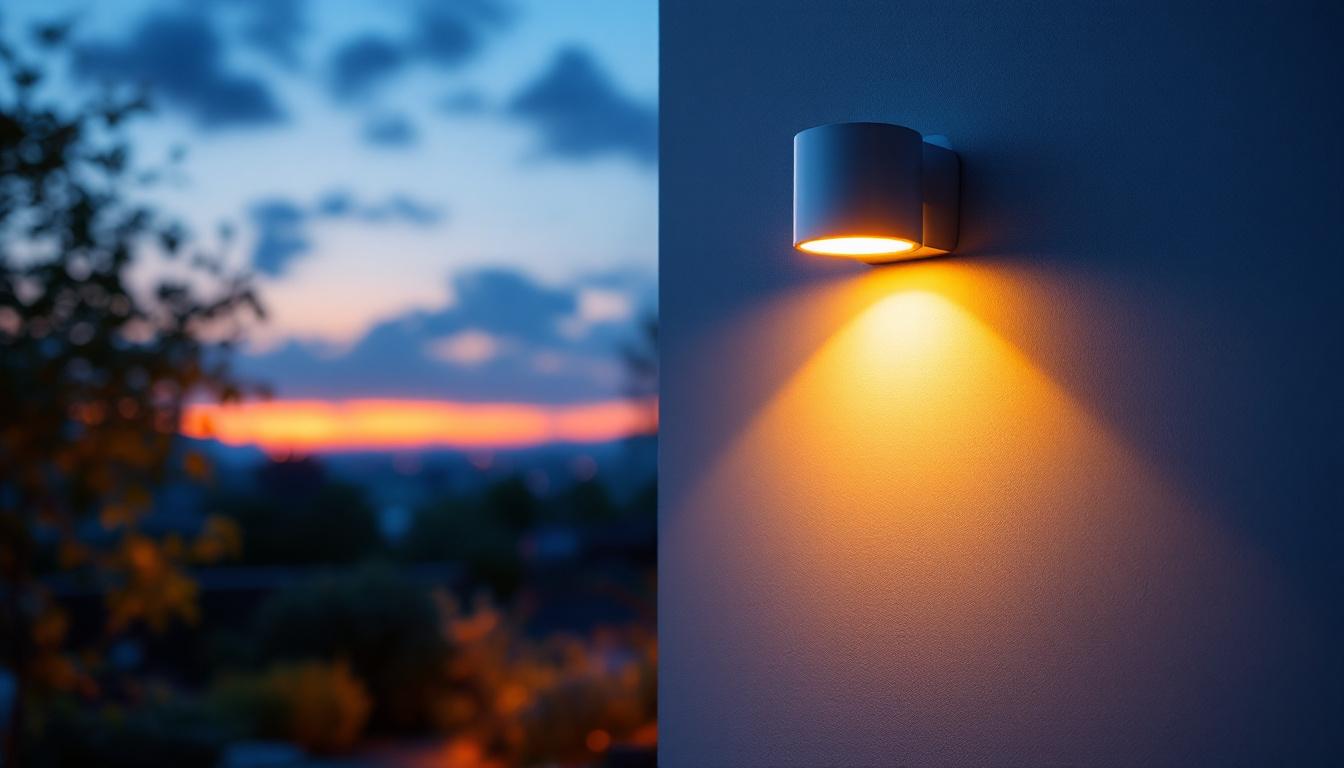
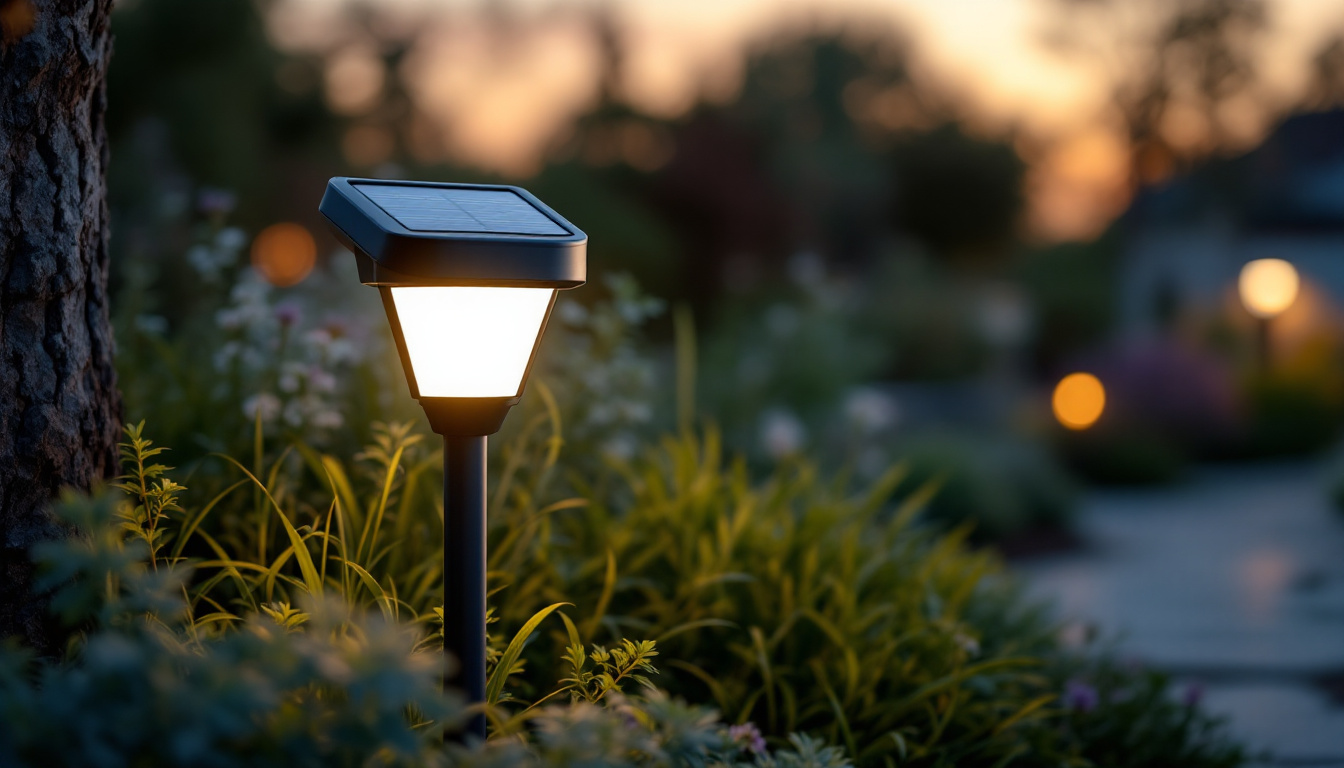
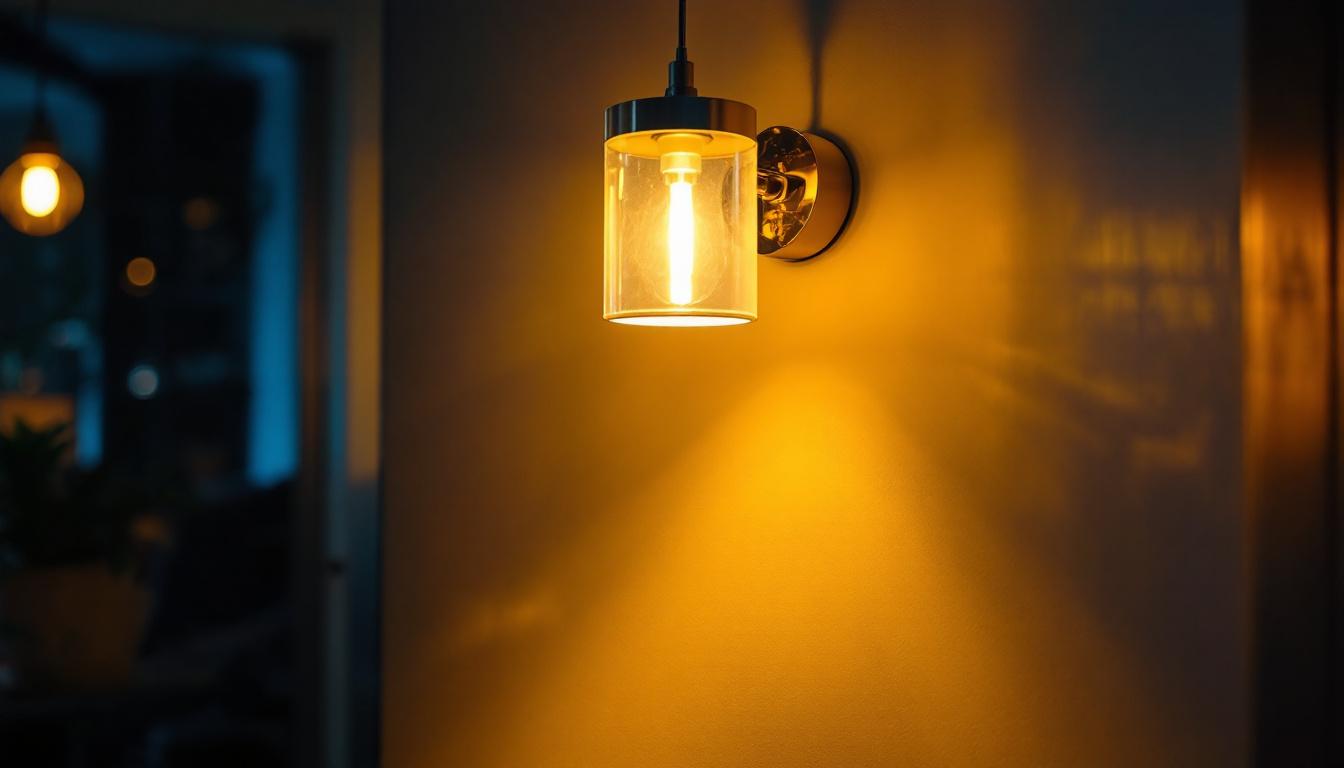
Introduction to LED Exterior Wall Lights
LED exterior wall lights have revolutionized outdoor lighting, offering contractors a versatile, energy-efficient, and durable solution for residential, commercial, and industrial projects. As a lighting contractor, understanding the nuances of LED wall lights is essential to delivering high-quality installations that meet client expectations and comply with safety standards.
These fixtures not only enhance the aesthetic appeal of a building’s exterior but also improve security and functionality. The growing demand for sustainable lighting solutions has made LED technology the preferred choice among professionals. This comprehensive checklist will guide contractors through the critical factors to consider when selecting, installing, and maintaining LED exterior wall lights.
One of the standout features of LED exterior wall lights is their longevity. Unlike traditional incandescent or fluorescent bulbs, which may require frequent replacements, LED lights can last up to 25,000 hours or more, significantly reducing maintenance costs and downtime. This durability is particularly beneficial for hard-to-reach areas or high-mounted fixtures, where changing bulbs can be labor-intensive and costly. Moreover, many LED models are designed to withstand harsh weather conditions, ensuring reliable performance in rain, snow, or extreme temperatures, making them ideal for various climates.
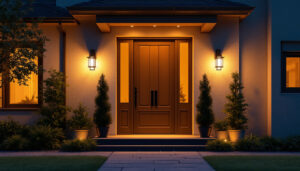
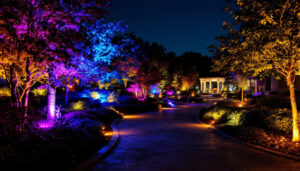
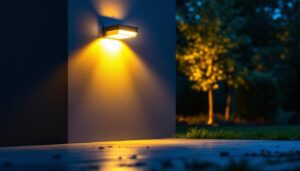
Additionally, the versatility of LED exterior wall lights allows for a wide range of applications. From illuminating pathways and entryways to highlighting architectural features and landscaping, these lights can be tailored to meet specific design needs. Many fixtures come with adjustable brightness settings and color temperatures, enabling contractors to create the perfect ambiance for any outdoor space. Furthermore, advancements in smart technology have made it possible to integrate LED wall lights with home automation systems, allowing users to control lighting remotely, set schedules, and even sync with motion sensors for added security and convenience.
Understanding LED Technology and Benefits
Energy Efficiency and Cost Savings
LEDs consume significantly less energy compared to traditional incandescent or halogen bulbs, often using up to 75% less electricity. This efficiency translates into lower utility bills for clients and a reduced carbon footprint, aligning with increasing environmental regulations and consumer preferences for green building practices.
For contractors, recommending LED exterior wall lights can be a compelling selling point, especially for clients focused on long-term operational savings. The initial investment may be higher, but the return on investment through energy savings and reduced maintenance costs is substantial. Furthermore, as energy costs continue to rise, the savings associated with LED lighting become even more pronounced, making it an appealing option for both residential and commercial properties. Many utility companies also offer rebates or incentives for switching to energy-efficient lighting, further enhancing the financial benefits for clients.
Longevity and Durability
One of the standout advantages of LED lighting is its long lifespan, often exceeding 50,000 hours. This durability minimizes the frequency of replacements, which is particularly beneficial for exterior applications where accessibility might be limited. Additionally, LEDs are more resistant to shock, vibrations, and extreme weather conditions, making them ideal for outdoor environments.
Contractors should emphasize these durability benefits to clients, as they contribute to lower maintenance costs and fewer service calls over time. The robust nature of LEDs means they can withstand harsh elements such as rain, snow, and high winds, reducing the likelihood of outages that can compromise safety and security. Moreover, the lack of fragile components, such as filaments found in traditional bulbs, means that LEDs can operate effectively in a wider range of temperatures, making them suitable even in extreme climates.
Light Quality and Versatility
LED exterior wall lights offer excellent color rendering and a range of color temperatures, from warm white to cool daylight. This versatility allows contractors to tailor lighting solutions to the architectural style and functional requirements of the space. Whether highlighting a building’s facade or providing security illumination, LEDs deliver consistent, high-quality light output.
In addition to their aesthetic appeal, the flexibility of LED lighting extends to their design options. Available in various shapes and sizes, from sleek wall-mounted fixtures to more decorative lantern styles, LEDs can enhance the visual interest of a property while serving practical purposes. Furthermore, many LED fixtures are now equipped with smart technology, allowing for customizable lighting schedules and remote control capabilities. This integration not only improves convenience for users but also enhances energy savings by enabling lights to be dimmed or turned off when not needed. As the technology continues to evolve, the possibilities for innovative lighting solutions are virtually limitless, making LEDs a forward-thinking choice for any project.
Key Considerations for Selecting LED Exterior Wall Lights
Assessing the Project Requirements
Before selecting fixtures, contractors must thoroughly evaluate the project’s specific needs. This includes understanding the architectural design, the desired lighting effect, and the functional purpose of the wall lights—whether for accent, security, or general illumination.
Consider the mounting height, spacing, and the surrounding environment. For example, a commercial building may require brighter, more focused lighting, while a residential project might prioritize softer, ambient illumination. Additionally, it’s essential to take into account the intended use of the space during different times of the day. For instance, outdoor dining areas may benefit from adjustable lighting that can be dimmed in the evening to create a cozy atmosphere, while pathways need consistent brightness for safety and navigation.
IP Rating and Weather Resistance
Outdoor lighting fixtures must withstand exposure to rain, dust, and temperature fluctuations. The Ingress Protection (IP) rating is a critical factor in determining a fixture’s suitability for exterior use. A minimum rating of IP65 is generally recommended for wall lights to ensure protection against water jets and dust ingress.
Contractors should verify the IP rating on the product specifications and select fixtures that meet or exceed the environmental demands of the installation site. Furthermore, it’s wise to consider local climate conditions, as areas prone to heavy snowfall or extreme heat may require additional protective features. Investing in fixtures with robust weather resistance can significantly extend their lifespan and reduce maintenance costs over time.
Material and Finish Quality
The materials used in LED exterior wall lights affect both aesthetics and durability. Common materials include die-cast aluminum, stainless steel, and high-grade plastics. Aluminum is popular due to its corrosion resistance and lightweight properties.
Finishes should be UV-resistant and able to withstand outdoor elements without fading or peeling. Powder-coated finishes are often preferred for their durability and variety of color options. In addition to aesthetic considerations, the choice of material can also influence the thermal management of the fixture. Good heat dissipation is crucial for LED longevity, so selecting materials that effectively manage heat can enhance performance and reliability.
Light Distribution and Beam Angle
Understanding the light distribution pattern is essential for achieving the desired effect. Narrow beam angles (15°–30°) are ideal for accentuating architectural features, while wider angles (60°–120°) provide broader area illumination.
Contractors should select fixtures with adjustable beam angles or multiple lens options to offer flexibility during installation and ensure optimal lighting coverage. Additionally, considering the color temperature of the light can further enhance the visual appeal of the space. Warmer color temperatures (2700K–3000K) create a welcoming ambiance, while cooler temperatures (4000K–5000K) are often used for task-oriented areas, ensuring that the lighting complements the overall design and functionality of the environment.
Compatibility with Controls and Smart Systems
Modern LED exterior wall lights often integrate with lighting control systems such as motion sensors, photocells, and smart home automation platforms. These features enhance energy savings and user convenience.
Contractors should confirm the compatibility of fixtures with existing or planned control systems. Additionally, ensuring that the lights support dimming and other advanced functions can add value to the installation. The ability to program lighting schedules or adjust brightness based on natural light levels not only improves energy efficiency but also enhances the user experience, allowing for tailored lighting solutions that adapt to the specific needs of the space throughout the day.
Installation Best Practices for LED Exterior Wall Lights
Site Preparation and Safety
Proper site preparation is fundamental to a successful installation. This includes verifying the structural integrity of mounting surfaces, ensuring electrical supply compliance, and adhering to local building codes and safety regulations.
Contractors must use appropriate personal protective equipment (PPE) and follow lockout/tagout procedures when working with electrical circuits to prevent accidents.
Wiring and Electrical Considerations
LED fixtures typically operate on low voltage (12V or 24V) or line voltage (120V/240V). Contractors need to verify the voltage requirements and ensure compatible wiring and transformers are used.
Proper grounding, waterproof connectors, and conduit protection are crucial to prevent electrical hazards and extend fixture lifespan. All connections should be sealed against moisture ingress, especially in outdoor settings.
Mounting and Alignment
Accurate mounting ensures optimal light distribution and aesthetic alignment. Contractors should use level tools and templates provided by manufacturers to position fixtures correctly.
Adjustable mounts or swivel brackets can facilitate fine-tuning of the light angle post-installation, which is particularly useful for accent lighting applications.
Testing and Commissioning
After installation, thorough testing is essential to verify functionality, light output, and control system integration. Contractors should check for flickering, color consistency, and proper operation of sensors or dimmers.
Documenting the installation with photographs and client sign-off can prevent future disputes and ensure satisfaction.
Maintenance and Troubleshooting Tips
Routine Inspection and Cleaning
Regular maintenance extends the life of LED exterior wall lights. Contractors should advise clients to inspect fixtures periodically for dirt buildup, corrosion, or damage. Cleaning with non-abrasive materials and mild detergents preserves finish quality and light output.
Common Issues and Solutions
Flickering lights may indicate loose wiring or incompatible dimmers, while reduced brightness could signal driver failure or LED degradation. Contractors should be prepared to diagnose and replace faulty components efficiently.
Ensuring that replacement parts are compatible with the original fixture model is critical to maintaining performance and warranty compliance.
Conclusion: Delivering Excellence with LED Exterior Wall Lighting
For lighting contractors, mastering the selection, installation, and maintenance of LED exterior wall lights is key to providing superior service and building lasting client relationships. By following this comprehensive checklist, contractors can confidently navigate project requirements, optimize lighting performance, and ensure safety and compliance.
Embracing LED technology not only meets the growing demand for sustainable and cost-effective lighting but also positions contractors as trusted experts in the evolving lighting industry.
Get Your Premium LED Exterior Wall Lights at LumenWholesale
Ready to elevate your lighting projects with the highest quality LED exterior wall lights? Look no further than LumenWholesale, where we provide contractors with spec-grade lighting products at unbeatable wholesale prices. Say goodbye to middleman markups and hello to superior lighting solutions that fit your budget. Our extensive selection is designed to meet the highest industry standards, ensuring you deliver excellence in every installation. Plus, with free shipping on bulk orders, you can stock up on premium lighting without worrying about hidden fees. Don’t compromise on quality or value—Wholesale Lighting at the Best Value is just a click away.