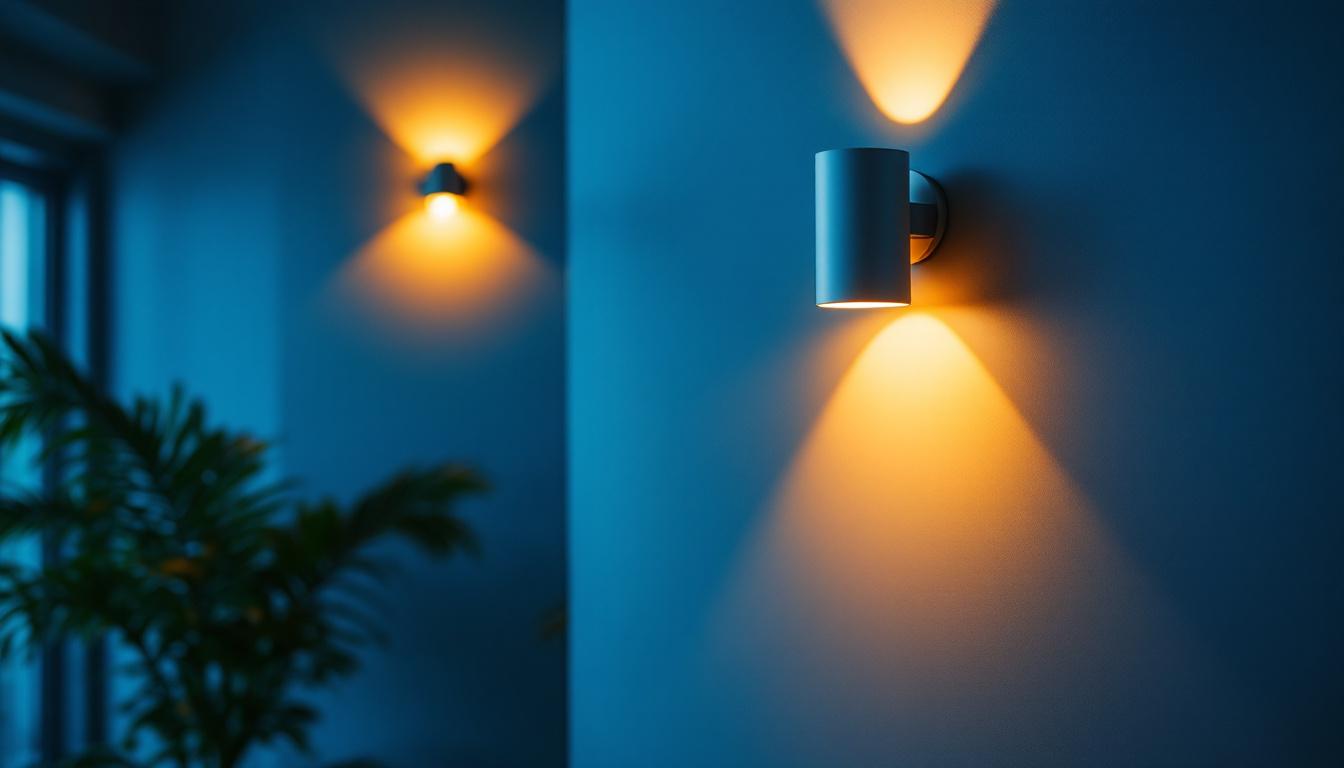
Understanding the Jelly Jar Exterior Light: A Contractor’s Essential Guide
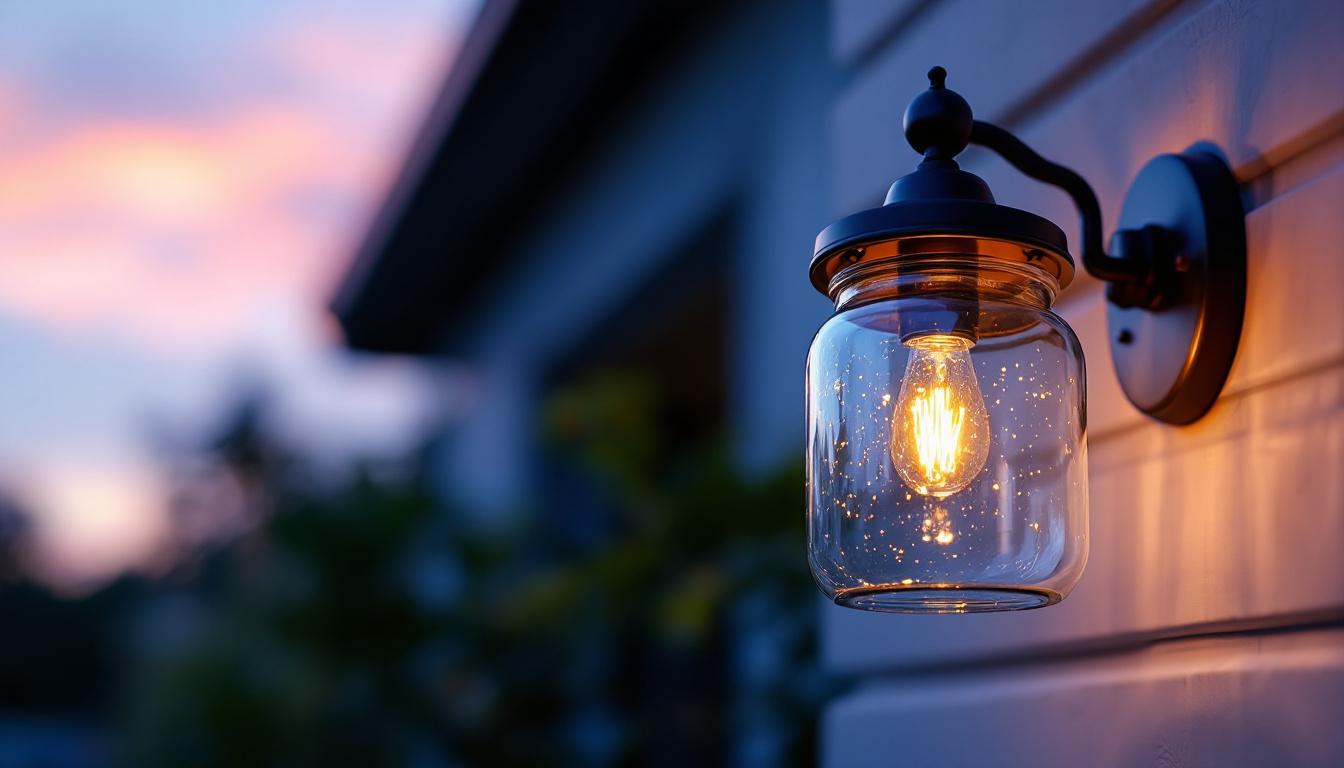
The jelly jar exterior light is a classic fixture widely favored for its durability and timeless design. Originally designed to protect light bulbs in industrial and outdoor settings, its robust construction and weather-resistant features make it a staple in many lighting projects. For lighting contractors, mastering the nuances of this fixture can mean the difference between a successful installation and costly callbacks.
Despite its seemingly straightforward design, the jelly jar light requires careful consideration in terms of placement, wiring, and compatibility with modern lighting technologies. Ignoring these factors can lead to premature fixture failure, increased maintenance costs, and client dissatisfaction.
Before diving into installation, it is crucial to understand the jelly jar’s components, typical applications, and potential pitfalls. This foundational knowledge equips contractors to anticipate challenges and deliver quality results that stand the test of time.
One of the key components of the jelly jar light is its glass enclosure, which is often made from thick, durable glass that can withstand impacts and harsh weather conditions. This feature not only protects the bulb but also enhances the fixture’s aesthetic appeal, making it suitable for various architectural styles. When selecting a jelly jar light, contractors should consider the type of glass—clear, frosted, or even colored—as each option can significantly affect the light’s diffusion and overall ambiance. Additionally, the choice of bulb is paramount; LED options are increasingly popular due to their energy efficiency and longevity, providing clients with a sustainable lighting solution that reduces electricity costs over time.
Moreover, understanding the specific applications for jelly jar lights can help contractors make informed recommendations to their clients. These fixtures are often used in outdoor settings such as porches, garages, and pathways, but they can also be creatively employed in indoor spaces like basements or industrial-style lofts. The versatility of the jelly jar light allows it to serve both functional and decorative purposes, making it an excellent choice for contractors looking to enhance the aesthetic appeal of a project while ensuring safety and visibility. However, it is essential to assess the lighting needs of the space and select the appropriate wattage and brightness to achieve the desired effect without overwhelming the environment.
Common Mistakes in Jelly Jar Exterior Lighting Projects
1. Overlooking Environmental Factors
One of the most frequent oversights in exterior lighting projects is underestimating the environmental conditions where the jelly jar light will be installed. These fixtures are often used in harsh environments—exposed to rain, snow, dust, and temperature fluctuations. However, not all jelly jar lights are created equal; some models have different IP (Ingress Protection) ratings, which dictate their resistance to water and dust.
Installing a fixture with insufficient protection can lead to water ingress, corrosion, and electrical failures. For example, a jelly jar light with an IP rating below IP65 is not suitable for areas with heavy rainfall or direct water spray. Contractors must verify the IP rating and ensure it aligns with the installation environment. Furthermore, it’s essential to consider the placement of the fixtures in relation to potential environmental hazards, such as overhanging branches or areas prone to flooding. By strategically positioning the lights and selecting models with appropriate weatherproofing, one can significantly extend the lifespan of the installation and maintain its aesthetic appeal.
2. Neglecting Proper Wiring and Electrical Safety
Electrical wiring errors are a significant source of costly mistakes in lighting projects. Jelly jar lights are typically hardwired, and improper wiring can cause short circuits, fixture damage, or even pose fire hazards. Common wiring mistakes include using the wrong gauge wire, failing to ground the fixture properly, or neglecting to use weatherproof connectors.
Additionally, outdoor lighting often requires compliance with local electrical codes and standards such as the National Electrical Code (NEC). Contractors must ensure that all wiring methods, conduit use, and grounding practices meet these regulations to avoid costly rework and safety risks. It is also prudent to implement circuit protection measures, such as GFCI (Ground Fault Circuit Interrupter) outlets, which can prevent electrical shocks and equipment damage. Regular inspections of the wiring and connections can help identify potential issues before they escalate, ensuring the safety and reliability of the lighting system over time.
3. Ignoring Bulb Compatibility and Energy Efficiency
Another costly mistake is selecting bulbs that are incompatible with the jelly jar fixture or inefficient in terms of energy consumption. Many jelly jar lights were originally designed for incandescent bulbs, which consume more energy and have shorter lifespans compared to modern LED alternatives.
Failing to upgrade to LED technology can result in higher operational costs and more frequent maintenance visits. However, not all LED bulbs fit or function properly within jelly jar fixtures due to heat dissipation or size constraints. Contractors must verify bulb compatibility and consider retrofit kits designed for jelly jar lights to optimize performance and efficiency. Additionally, it is beneficial to explore options for smart lighting solutions that can be integrated with jelly jar fixtures, allowing for enhanced control over brightness and scheduling. This not only improves energy efficiency but also provides homeowners with the ability to customize their outdoor lighting experience, adapting to various occasions and preferences.
Best Practices for Successful Jelly Jar Exterior Lighting Installations
Choosing the Right Fixture for the Application
Selecting the appropriate jelly jar fixture is the first step toward a trouble-free lighting project. Contractors should evaluate the location’s environmental conditions, the required brightness, and the fixture’s mounting options. For example, areas prone to vandalism or impact may benefit from polycarbonate globes instead of glass for added durability.
Moreover, consider fixtures with integrated LED modules or those designed for easy bulb replacement. This foresight reduces future maintenance efforts and enhances overall project value. Additionally, it’s essential to assess the aesthetic appeal of the fixture, as the right design can complement the architectural style of the building or landscape, creating a cohesive look that enhances the overall ambiance of the space.
Another important factor is the color temperature of the light emitted by the fixture. Warmer tones can create a welcoming atmosphere, while cooler tones may be more suitable for security purposes. Understanding the intended use of the area will guide the selection of the most appropriate color temperature, ensuring that the lighting not only serves its functional purpose but also contributes positively to the environment.
Ensuring Proper Installation Techniques
Proper installation is critical to maximizing the lifespan and performance of jelly jar exterior lights. This includes securely mounting the fixture to prevent movement or water intrusion, using appropriate sealants on threaded connections, and installing weatherproof gaskets correctly.
Contractors should also pay close attention to the wiring process. Using outdoor-rated cables, waterproof connectors, and ensuring all connections are tight and protected from moisture will prevent common electrical issues. Testing the fixture thoroughly before finalizing the installation helps identify any problems early. Furthermore, it’s advisable to conduct a post-installation inspection, checking for any signs of misalignment or loose components that could lead to future complications.
In addition to these technical aspects, contractors should be aware of local building codes and regulations regarding exterior lighting. Compliance with these guidelines not only ensures safety but also helps avoid potential fines or the need for costly rework. Familiarity with these regulations can also enhance the contractor’s reputation as a knowledgeable professional in the field.
Incorporating Energy-Efficient Lighting Solutions
Integrating energy-efficient lighting options not only reduces operational costs but also aligns with increasing client demands for sustainable solutions. LEDs are the preferred choice for jelly jar fixtures due to their longevity, low heat output, and energy savings.
When retrofitting existing installations, contractors should select LED bulbs or modules specifically designed for jelly jar lights to ensure proper fit and light distribution. Additionally, incorporating dimmers or smart controls can enhance functionality and client satisfaction. These advanced controls allow users to adjust brightness levels based on specific needs or preferences, further optimizing energy consumption and extending the lifespan of the lighting system.
Moreover, educating clients about the benefits of energy-efficient lighting can foster a more informed decision-making process. Providing information on potential savings, environmental impact, and the latest technological advancements in lighting can help clients appreciate the value of investing in high-quality, energy-efficient jelly jar fixtures. This not only enhances client relationships but also positions contractors as trusted advisors in sustainable lighting solutions.
Case Studies: Avoiding Costly Mistakes in Real-World Projects
Case Study 1: Water Damage Due to Incorrect IP Rating
A commercial property owner installed jelly jar lights rated only for indoor use in an outdoor walkway. Within months, water seeped into the fixtures during heavy rain, causing corrosion and electrical shorts. The contractor was called back to replace all fixtures with IP65-rated models and reseal wiring connections, resulting in significant unplanned expenses.
This case underscores the importance of verifying fixture ratings against environmental demands before installation.
Case Study 2: Electrical Failures from Improper Grounding
In a residential complex, jelly jar lights were installed without proper grounding. Over time, this led to intermittent flickering and eventual fixture failure. The contractor had to revisit the site to rewire and install grounding conductors, causing delays and additional labor costs.
Adhering to electrical codes and ensuring proper grounding during the initial installation can prevent such issues.
Case Study 3: Energy Savings Through LED Retrofits
A municipal project initially used incandescent bulbs in jelly jar fixtures for street lighting. After switching to LED retrofit kits compatible with the existing fixtures, energy consumption dropped by nearly 70%, and maintenance visits decreased due to longer bulb life.
This example highlights the benefits of adopting modern lighting technology within traditional fixture designs.
Tools and Resources for Lighting Contractors
Lighting contractors can leverage a variety of tools and resources to minimize mistakes and optimize jelly jar exterior light installations. Digital lighting design software helps simulate light distribution and identify optimal fixture placement. Additionally, code compliance checklists and wiring diagrams ensure adherence to safety standards.
Manufacturers often provide detailed installation manuals and technical support, which are invaluable during complex projects. Staying current with industry best practices through continuing education and professional associations further enhances contractor expertise.
Conclusion: Delivering Durable, Efficient Jelly Jar Lighting Solutions
Jelly jar exterior lights remain a reliable choice for many outdoor lighting applications, but their successful deployment hinges on careful planning and execution. By understanding environmental requirements, adhering to electrical safety standards, and embracing energy-efficient technologies, lighting contractors can avoid costly mistakes and deliver exceptional results.
Investing time in selecting the right fixtures, using proper installation techniques, and educating clients on maintenance needs will build trust and reputation in the competitive lighting industry. Ultimately, a well-executed jelly jar lighting project not only illuminates spaces effectively but also stands as a testament to professional craftsmanship and attention to detail.
Illuminate Your Projects with LumenWholesale
Ready to elevate your lighting projects with the best in spec-grade jelly jar exterior lights? Look no further than LumenWholesale, where we provide contractors with exceptional lighting products at unbeatable wholesale prices. Say goodbye to inflated markups and hello to our extensive selection that meets the highest industry standards. With LumenWholesale, you can count on reliable, high-performance lighting that brings your projects to life. Plus, enjoy the convenience of bulk buying with free shipping, ensuring you get premium lighting at the best value — without any hidden fees. Make the smart choice for your lighting needs and experience Wholesale Lighting at the Best Value today!