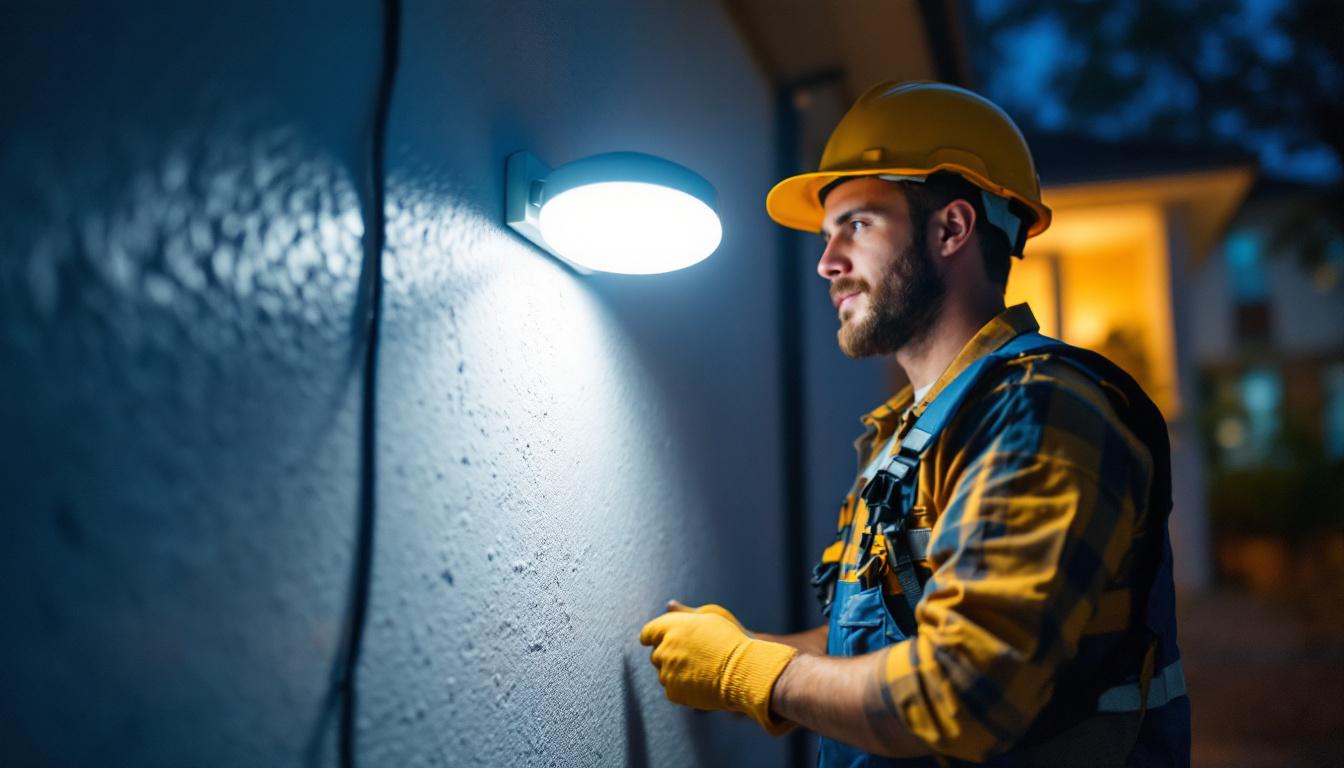
Understanding LED Headlight Ballasts: What Lighting Contractors Need to Know
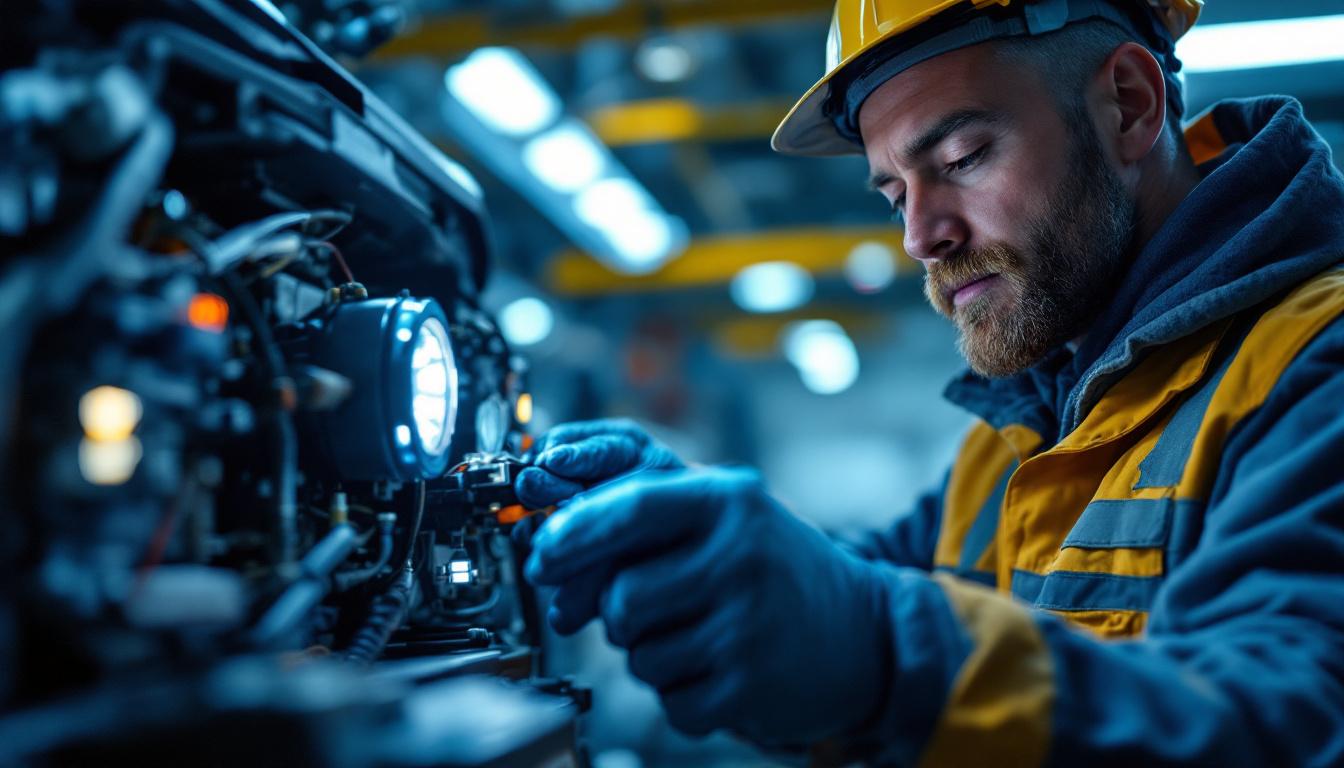
For lighting contractors, staying ahead in the rapidly evolving lighting industry means mastering the components that drive modern illumination technologies. One such critical component is the LED headlight ballast. While traditional lighting systems often relied on simple wiring and bulbs, LED headlights incorporate sophisticated electronics to ensure optimal performance, longevity, and safety. Understanding the role and function of LED headlight ballasts is essential for contractors tasked with installation, maintenance, and troubleshooting.
At its core, an LED headlight ballast is an electronic device designed to regulate the power supply to LED headlamps. Unlike incandescent or halogen bulbs, LEDs require a controlled current to operate efficiently and avoid damage. The ballast ensures that the LED receives a consistent voltage and current, protecting it from fluctuations that could shorten its lifespan or reduce brightness.
In addition to power regulation, LED ballasts often include features such as thermal management, surge protection, and dimming capabilities. These features enhance performance and adaptability, making LED lighting systems more reliable and versatile for automotive and industrial applications. For instance, thermal management is crucial as excessive heat can lead to premature failure of the LED components. Many advanced ballasts are equipped with heat sinks or fans that dissipate heat, ensuring optimal operating temperatures and extending the life of the headlights.
Why LED Ballasts Are Different from Traditional Ballasts
Traditional ballasts, commonly used in fluorescent or HID lighting, function primarily to limit the current to the light source. However, LED ballasts are more complex due to the unique electrical characteristics of LEDs. LEDs operate on direct current (DC), whereas many vehicle electrical systems supply alternating current (AC). The ballast converts AC to DC, stabilizes the current, and sometimes modulates the power to enable dimming or adaptive lighting functions.
This complexity means that lighting contractors must be familiar not only with the physical installation but also with the electrical specifications and compatibility requirements of LED ballasts. Incorrect ballast selection or installation can lead to flickering, reduced lifespan, or complete failure of the headlight system. Furthermore, as automotive technology advances, many vehicles now come equipped with smart lighting systems that can adjust brightness based on ambient light conditions or driving speed. Understanding how LED ballasts interact with these systems is crucial for contractors to provide optimal service and solutions.
Moreover, the market for LED headlight ballasts is expanding, with many manufacturers offering a variety of options tailored to different vehicle models and lighting applications. This proliferation means that lighting contractors must stay informed about the latest advancements and trends in ballast technology, including energy efficiency ratings and compliance with regulations. As consumers increasingly demand better performance and sustainability, being knowledgeable about these products can set contractors apart in a competitive landscape, allowing them to offer informed recommendations to clients and ensure successful installations.
Key Features and Benefits of LED Headlight Ballasts
LED headlight ballasts offer several advantages that make them indispensable in modern lighting systems. For lighting contractors, understanding these benefits helps in selecting the right products and advising clients on system upgrades or repairs.
Power Efficiency and Stability
One of the primary benefits of LED ballasts is their ability to maintain a stable current flow, which significantly improves power efficiency. By preventing overcurrent conditions, ballasts reduce energy waste and heat generation, which are common issues in poorly regulated lighting systems. This efficiency translates into longer operational life for LED headlights and reduced energy consumption—both critical factors for automotive clients seeking cost-effective solutions. Furthermore, the integration of advanced circuitry in many LED ballasts allows for better voltage regulation, ensuring that the headlights operate optimally across various driving conditions, from city streets to rugged terrains.
Enhanced Durability and Longevity
LED headlights coupled with high-quality ballasts typically last much longer than traditional halogen or HID systems. The ballast’s regulation of electrical input minimizes stress on the LED chips, reducing the risk of premature failure. Additionally, many ballasts are designed with robust housings and thermal management systems that protect against vibration, moisture, and temperature extremes—conditions frequently encountered in automotive environments. Some manufacturers even incorporate advanced materials that enhance the ballast’s resistance to corrosion and environmental wear, further extending its lifespan. This durability not only benefits the end-user by reducing maintenance costs but also assures contractors that they are providing reliable, long-lasting solutions to their clients.
Improved Lighting Performance
LED ballasts enable precise control over light output, allowing for features such as adaptive beam patterns, dimming, and rapid startup times. This control enhances driver safety by providing consistent, bright illumination without the warm-up delays associated with other lighting technologies. For contractors, installing ballasts that support these advanced features can differentiate their services and meet the growing demand for smart lighting solutions. Moreover, the ability to adjust light intensity based on ambient conditions can lead to significant improvements in visibility during nighttime driving or adverse weather, thereby enhancing overall road safety. As the automotive industry continues to evolve, integrating such intelligent lighting systems can position contractors at the forefront of innovation, appealing to tech-savvy consumers looking for cutting-edge solutions.
Installation Best Practices for Lighting Contractors
Proper installation of LED headlight ballasts is crucial to ensure optimal performance and avoid costly callbacks. Lighting contractors should adhere to industry best practices and manufacturer guidelines to deliver reliable outcomes.
Assessing Compatibility and Specifications
Before installation, contractors must verify that the LED ballast is compatible with the specific headlight assembly and vehicle electrical system. This includes checking voltage ranges, connector types, and physical dimensions. Using incompatible ballasts can lead to electrical faults or mechanical fitment issues. Consulting datasheets and manufacturer support resources is highly recommended.
Ensuring Secure and Weatherproof Connections
Given that automotive headlights are exposed to harsh environmental conditions, securing waterproof and vibration-resistant connections is vital. Contractors should use appropriate sealing techniques, such as heat shrink tubing and dielectric grease, to prevent moisture ingress and corrosion. Additionally, mounting the ballast in a location that minimizes exposure to heat and mechanical shock will extend its service life.
Testing and Calibration
After installation, thorough testing is essential. This includes verifying that the headlights illuminate correctly without flickering, dimming, or error codes on the vehicle’s dashboard. Some LED ballasts may require calibration or programming to synchronize with vehicle electronics, especially in systems with adaptive lighting or CAN bus integration. Utilizing diagnostic tools and following manufacturer instructions can prevent post-installation issues.
Troubleshooting Common Issues with LED Headlight Ballasts
Even with careful installation, lighting contractors may encounter problems related to LED headlight ballasts. Recognizing common issues and their solutions can improve service efficiency and customer satisfaction.
Flickering or Intermittent Lighting
Flickering headlights are often caused by unstable power supply or poor connections. Contractors should inspect wiring harnesses for damage, ensure connectors are fully seated, and check for corrosion. In some cases, the ballast itself may be defective or incompatible with the vehicle’s electrical system. Testing with a known good ballast can isolate the issue.
Headlight Failure to Illuminate
If the LED headlight does not turn on, the problem could stem from a blown fuse, faulty ballast, or wiring fault. Using a multimeter to check voltage at the ballast input and output helps pinpoint the failure point. Additionally, verifying that the LED module is functional is important, as the ballast and LED are separate components.
Overheating and Premature Failure
Overheating is a common cause of ballast failure. Contractors should ensure that the ballast is mounted with adequate ventilation and away from heat sources. Thermal paste or pads may be used to improve heat dissipation. If overheating persists, selecting a ballast with a higher thermal rating or improved cooling features may be necessary.
Emerging Trends and Innovations in LED Ballast Technology
The LED lighting industry continues to evolve, and ballasts are becoming more sophisticated to meet new demands. Lighting contractors who keep abreast of these trends can offer cutting-edge solutions and maintain a competitive edge.
Smart Ballasts with Integrated Controls
Modern LED ballasts increasingly incorporate microcontrollers and communication interfaces, enabling integration with vehicle electronics and smart lighting systems. Features such as adaptive beam shaping, automatic brightness adjustment based on ambient light, and diagnostics reporting are becoming standard. These smart ballasts require specialized knowledge for installation and programming but offer significant value to end-users.
Miniaturization and Modular Designs
Advancements in electronics have led to smaller, more compact ballast designs that simplify installation and reduce weight. Modular ballasts allow for easier replacement and customization, which is particularly beneficial in commercial and fleet applications where maintenance efficiency is critical.
Enhanced Environmental Resistance
As vehicles operate in diverse and often harsh environments, ballasts are being engineered with improved sealing, corrosion resistance, and shock absorption. These enhancements extend the lifespan of lighting systems and reduce warranty claims, benefiting both contractors and their clients.
Conclusion: Mastering LED Headlight Ballasts for Professional Success
For lighting contractors, expertise in LED headlight ballasts is no longer optional but a necessity. These components are central to the performance, reliability, and safety of modern lighting systems. By understanding their function, benefits, installation requirements, and troubleshooting techniques, contractors can deliver superior service and build lasting client relationships.
Staying informed about emerging technologies and industry trends further empowers contractors to offer innovative solutions that meet evolving market demands. Whether working on automotive retrofits, commercial vehicle fleets, or specialty lighting projects, mastering LED headlight ballasts positions contractors as trusted professionals in a competitive field.
Get Your Premium LED Headlight Ballasts at LumenWholesale
Ready to elevate your lighting projects with the best LED headlight ballasts on the market? Look no further than LumenWholesale, where we provide lighting contractors with the highest quality, spec-grade lighting products at unbeatable wholesale prices. Say goodbye to inflated markups and hello to superior performance and reliability for your automotive and industrial lighting needs. With our hassle-free bulk buying and free shipping, you can trust that you’re getting the best value without any hidden fees. Don’t compromise on quality or cost—visit LumenWholesale today to experience the perfect blend of quality, affordability, and convenience for all your lighting solutions.