Understanding Motion Light Sensor Switches: Fundamentals for Lighting Contractors
Motion light sensor switches have become an essential component in modern lighting design, offering energy efficiency, convenience, and enhanced security. For lighting contractors, understanding the fundamentals of these devices is crucial to selecting and adjusting the right sensor switch for each project.
At their core, motion sensor switches detect movement within a specified range and activate connected lighting fixtures accordingly. This automatic response not only reduces unnecessary energy consumption but also improves safety in residential, commercial, and industrial environments. By ensuring that lights are only on when needed, these sensors contribute to lower utility bills and a reduced carbon footprint, making them an attractive option for environmentally conscious clients.
There are several types of motion sensors commonly used in lighting applications, including passive infrared (PIR), ultrasonic, microwave, and dual-technology sensors. Each type operates differently and has distinct advantages and limitations, which contractors must consider when selecting the appropriate sensor switch. Understanding the specific needs of a project, such as the layout of the space and the typical movement patterns of occupants, can greatly influence the effectiveness of the chosen sensor type.
Types of Motion Sensors and Their Applications
Passive Infrared (PIR) Sensors: These sensors detect infrared radiation emitted by warm objects, such as humans or animals. PIR sensors are widely used due to their reliability and cost-effectiveness. They work best in environments with clear line-of-sight and minimal obstructions. Additionally, contractors should consider the placement of these sensors to maximize their efficiency; positioning them at a height that allows for optimal detection while avoiding potential obstructions, such as furniture or walls, is key to their performance.
Ultrasonic Sensors: Ultrasonic sensors emit high-frequency sound waves and measure the reflection to detect movement. They can sense motion around obstacles and are suitable for complex spaces but may be prone to false triggers caused by air currents or vibrations. This makes them ideal for areas with a lot of activity, such as hallways or conference rooms, where consistent movement is expected. However, contractors should also educate clients on the importance of maintaining a stable environment to minimize false activations.
Microwave Sensors: Similar to ultrasonic, microwave sensors emit microwave pulses and detect motion through frequency changes. They offer a longer detection range and can penetrate non-metallic objects but tend to be more expensive and susceptible to interference. These sensors are particularly useful in larger spaces or areas with high ceilings, such as warehouses or parking garages, where traditional sensors may struggle to cover the entire area effectively. Contractors should also be aware of the potential for interference from other electronic devices, which can affect performance.
Dual-Technology Sensors: Combining PIR and ultrasonic or microwave technologies, dual-tech sensors reduce false triggers by requiring both sensors to detect motion before activating the light. These are ideal for areas with challenging environmental conditions, such as outdoor settings or spaces with fluctuating temperatures. By utilizing both detection methods, contractors can ensure a more reliable performance, which can be a significant selling point for clients looking for robust security solutions.
Key Factors When Choosing the Right Motion Light Sensor Switch
Selecting the correct motion sensor switch involves evaluating several critical factors to ensure optimal performance and client satisfaction. Lighting contractors should carefully assess the environment, lighting requirements, and sensor capabilities.
Detection Range and Coverage Area
The detection range determines how far the sensor can sense motion, while the coverage area defines the sensor’s field of view. For example, a sensor with a 30-foot range and 180-degree coverage is suitable for small rooms or corridors, whereas larger outdoor spaces may require sensors with extended range and wider coverage.
Contractors must also consider mounting height and angle, as these affect the sensor’s effectiveness. Installing a sensor too high or at an improper angle can create blind spots, leading to inconsistent lighting activation.
Environmental Conditions and Sensor Durability
Outdoor installations demand sensors that can withstand weather elements such as rain, dust, and temperature fluctuations. Look for sensors with appropriate IP (Ingress Protection) ratings to ensure durability. For instance, an IP65 rating indicates protection against dust and water jets, making it suitable for most outdoor applications.
Indoor environments may require sensors with sensitivity adjustments to prevent false triggers caused by pets, HVAC systems, or other sources of movement.
Adjustability and Customization Features
One of the most important aspects of a motion sensor switch is its adjustability. Lighting contractors should prioritize switches that allow fine-tuning of parameters such as:
- Time Delay: The duration the light remains on after motion is no longer detected.
- Sensitivity: The sensor’s responsiveness to movement, helping to avoid false triggers.
- Ambient Light Threshold (Photocell): Ensures the sensor activates the light only when ambient light falls below a set level, preventing unnecessary operation during daylight.
These features enable contractors to tailor the sensor’s performance to specific client needs and environmental conditions, improving user experience and energy savings.
Compatibility with Lighting Systems
Ensure the motion sensor switch is compatible with the lighting fixtures and electrical systems in place. Consider factors such as load capacity, voltage, and whether the sensor supports LED, fluorescent, or incandescent bulbs.
Some advanced sensor switches also integrate with smart home or building automation systems, offering remote control and monitoring capabilities. This can be a significant selling point for clients seeking modern, connected lighting solutions.
Step-by-Step Guide to Adjusting Motion Light Sensor Switches
Proper adjustment of motion sensor switches is essential to maximize their efficiency and reliability. Lighting contractors should follow a systematic approach to calibration and testing.
1. Initial Installation and Power-Up
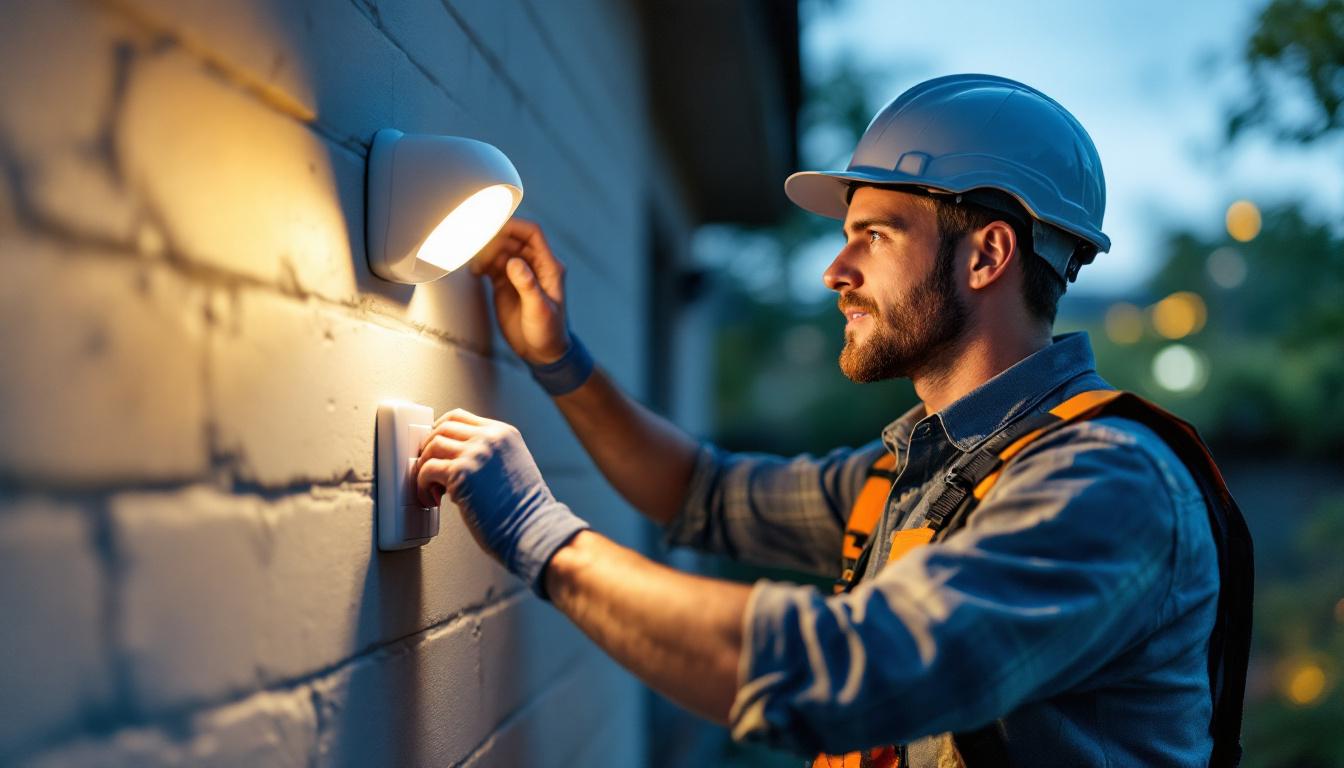
Begin by mounting the sensor switch according to manufacturer instructions, ensuring the recommended height and orientation. Connect the wiring securely, and restore power to the circuit.
Many sensors enter a calibration mode upon power-up, during which they learn the ambient light levels and detect initial motion. Avoid movement in the sensor’s field during this phase to ensure accurate calibration.
2. Setting the Time Delay
The time delay controls how long the light stays on after motion ceases. For high-traffic areas like hallways or stairwells, a shorter delay (e.g., 30 seconds to 1 minute) may be sufficient. In contrast, spaces such as garages or outdoor pathways might benefit from longer delays (up to 15 minutes) to provide adequate illumination.
Adjust the time delay using the sensor’s dial or digital interface, testing the setting by walking in and out of the detection zone.
3. Adjusting Sensitivity
Set the sensitivity to balance responsiveness and false trigger prevention. High sensitivity ensures motion is detected promptly but may cause the light to activate due to minor movements like pets or curtains moving in a breeze.
Lower sensitivity reduces false triggers but might miss subtle motion. Test the sensor by simulating typical movements expected in the space and adjust accordingly.
4. Configuring the Ambient Light Threshold
Most motion sensor switches include a photocell to prevent activation during daylight. Adjust this setting to the desired ambient light level, ensuring the sensor only activates lights when necessary.
For example, in a dimly lit parking lot, set the threshold higher to ensure lights turn on promptly at dusk. In indoor spaces with variable lighting, a lower threshold may be preferable.
5. Final Testing and Troubleshooting
After adjustments, conduct thorough testing by moving through the sensor’s coverage area at different times of day and under various lighting conditions. Confirm that the light activates and deactivates as expected, without unnecessary triggers or delays.
If issues arise, consult the manufacturer’s troubleshooting guide. Common problems include incorrect wiring, sensor obstructions, or environmental interference.
Best Practices and Tips for Lighting Contractors
To ensure successful installation and client satisfaction, lighting contractors should adopt best practices when working with motion light sensor switches.
Conduct a Site Survey
Before installation, perform a detailed site survey to understand the space’s layout, traffic patterns, and lighting needs. Identify potential sources of false triggers such as HVAC vents, reflective surfaces, or nearby roads.
Educate Clients on Sensor Operation
Clients may not be familiar with motion sensor technology. Providing clear explanations and usage tips helps manage expectations and reduces service calls. For instance, inform clients about the sensor’s time delay and sensitivity settings and how these can be adjusted if needed.
Use Quality Products from Reputable Manufacturers
Investing in reliable, well-reviewed motion sensor switches reduces the likelihood of malfunctions and enhances long-term performance. Look for products with robust warranties and good customer support.
Keep Up with Industry Trends and Innovations
The lighting industry is rapidly evolving, with advancements in sensor technology, integration with smart systems, and energy regulations. Staying informed enables contractors to recommend the best solutions and maintain a competitive edge.
Conclusion: Enhancing Lighting Solutions with Proper Motion Sensor Switch Selection and Adjustment
For lighting contractors, mastering the selection and adjustment of motion light sensor switches is a valuable skill that directly impacts project success and client satisfaction. By understanding sensor types, evaluating key factors, and following systematic adjustment procedures, contractors can deliver efficient, reliable, and user-friendly lighting solutions.
Careful consideration of environmental conditions, compatibility, and customization options ensures that motion sensor switches perform optimally, contributing to energy savings and enhanced safety. Adopting best practices and ongoing education further empowers contractors to excel in this dynamic field.
Ultimately, the right motion light sensor switch, properly adjusted, transforms lighting installations into intelligent systems that meet the evolving needs of modern spaces.
Get Your Premium Motion Sensor Switches at LumenWholesale
Ready to elevate your lighting projects with the right motion sensor switches? Look no further than LumenWholesale for all your lighting needs. Our extensive selection of spec-grade lighting products is designed to meet the highest industry standards, ensuring you get the most reliable and high-performance lighting solutions. With unbeatable wholesale prices and the convenience of free shipping on bulk orders, LumenWholesale is your go-to source for quality lighting without the inflated markups. Don’t compromise on quality or value—choose LumenWholesale for the perfect blend of affordability and excellence. Wholesale Lighting at the Best Value is just a click away!