Understanding the Importance of Stair Lighting
Stairways are critical transition spaces within residential and commercial buildings. Proper lighting in these areas not only enhances aesthetic appeal but also significantly improves safety. According to safety studies, inadequate stair lighting is a leading cause of falls and injuries in both homes and workplaces. For lighting contractors, understanding the nuances of stair lighting is essential to delivering solutions that meet regulatory standards and client expectations.
Lighting contractors must balance functionality, energy efficiency, and design when selecting lamps for stairs. The goal is to provide sufficient illumination to clearly define each step, reduce shadows, and prevent glare, all while complementing the architectural style of the space. This requires a comprehensive knowledge of lamp types, placement strategies, and control systems tailored specifically for staircases.
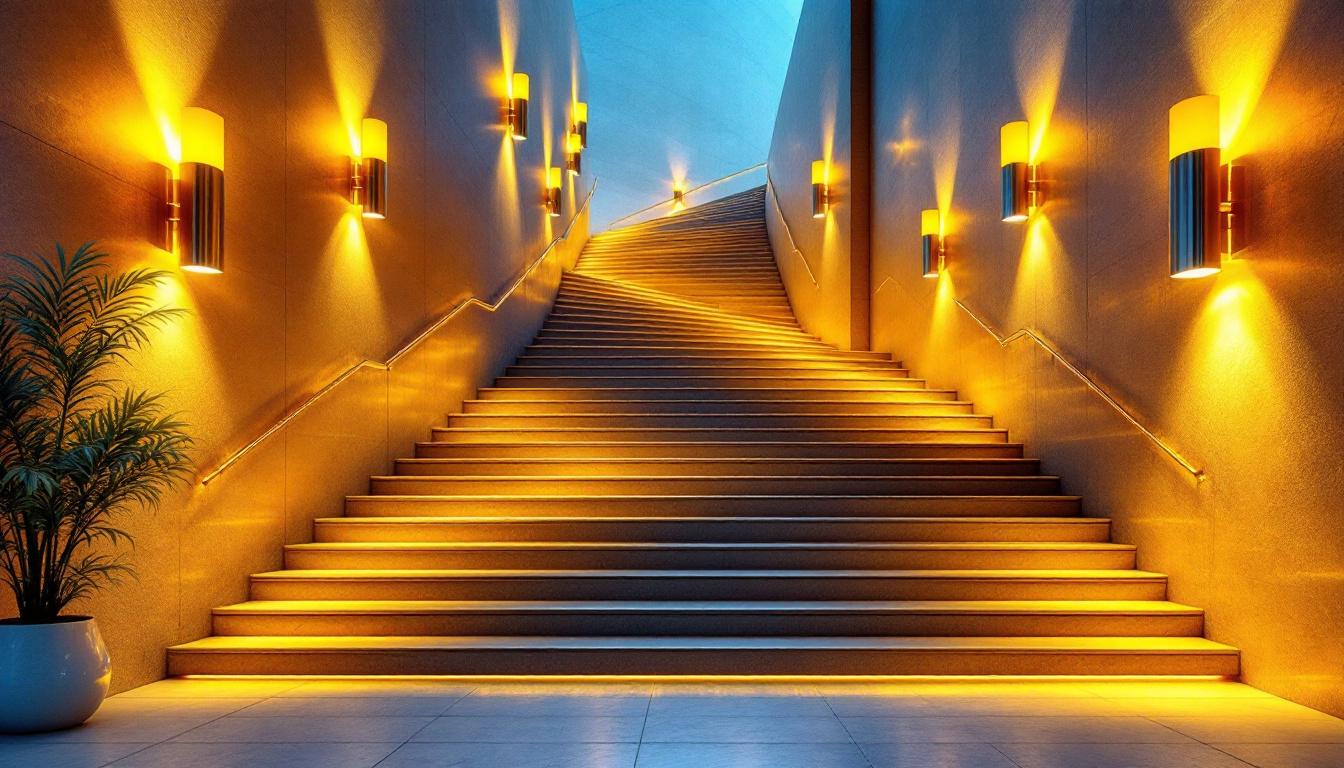
In addition to the practical aspects of stair lighting, there are also aesthetic considerations that can transform a mundane staircase into a striking feature of a building. The use of LED strip lights along the edges of steps can create a modern look while providing the necessary visibility. Moreover, incorporating motion sensors can enhance both convenience and energy efficiency by ensuring lights are only activated when someone is using the stairs. This not only saves energy but also prolongs the lifespan of the lighting fixtures, making it a smart investment for both residential and commercial properties.
Furthermore, the color temperature of the lighting plays a crucial role in the overall ambiance of the space. Warmer tones can create a cozy and inviting atmosphere, perfect for home settings, while cooler tones may be more suitable for commercial environments, promoting alertness and focus. Additionally, the integration of dimmable lighting options allows for flexibility in adjusting brightness levels based on the time of day or specific activities, further enhancing the functionality of stair lighting. By considering these factors, lighting contractors can create well-lit stairways that not only prioritize safety but also elevate the overall design of the space.
Key Considerations When Selecting Lamps for Stairs
Safety and Compliance Standards
Safety is paramount in stair lighting design. Contractors must adhere to local building codes and standards such as the International Building Code (IBC) and guidelines from organizations like the Illuminating Engineering Society (IES). These standards specify minimum illumination levels, uniformity ratios, and emergency lighting requirements to ensure stairways are safely navigable at all times.
For example, the IES recommends a minimum horizontal illuminance of 100 lux on stair treads in commercial buildings. Uniform lighting reduces the risk of missteps caused by shadows or uneven brightness. Lighting contractors should also consider the inclusion of emergency lighting fixtures that activate during power outages, ensuring continuous safety. Moreover, the placement of lights should be carefully planned to avoid creating blind spots and to enhance visibility at landings and transitions, where accidents are more likely to occur. Incorporating motion sensors can also improve safety by automatically illuminating the stairs when someone approaches, thus providing an additional layer of security and convenience.
Choosing the Right Lamp Types
Several lamp types are suitable for stair lighting, each with distinct advantages. LED lamps have become the industry standard due to their energy efficiency, long lifespan, and versatility. LEDs can be integrated into various fixtures such as recessed step lights, wall sconces, and handrail lighting, providing both direct and indirect illumination.
Halogen lamps, while offering excellent color rendering and brightness, are less energy-efficient and generate more heat, making them less ideal for enclosed staircases. Fluorescent lamps are generally avoided due to their bulkiness and flicker issues, which can be disorienting on stairs. Compact and linear LED fixtures designed specifically for stair applications allow for precise light distribution and minimal glare. Additionally, smart lighting options, which can be controlled via mobile apps or voice commands, are gaining popularity. These systems allow for customization of brightness levels and color temperatures, enabling users to create the perfect ambiance for any occasion while enhancing safety and functionality.
Color Temperature and Visual Comfort
The color temperature of lamps influences both the ambiance and visibility on stairways. Warm white light (2700K to 3000K) creates a cozy and inviting atmosphere, often preferred in residential settings. Neutral white (3500K to 4100K) strikes a balance between warmth and clarity, suitable for commercial or mixed-use spaces.
Lighting contractors should avoid very cool white or blue-toned lights on stairs, as they can cause glare and visual discomfort. Additionally, selecting lamps with a high Color Rendering Index (CRI) of 80 or above ensures that colors and textures of stair materials are accurately represented, aiding depth perception and safety. The use of dimmable fixtures can also enhance visual comfort, allowing users to adjust the light intensity based on the time of day or specific activities. Furthermore, incorporating ambient lighting alongside task lighting can create a layered effect, improving both the aesthetic appeal and functionality of stairways, making them not only safer but also more visually pleasing.
Effective Placement and Installation Techniques
Optimal Lamp Positioning
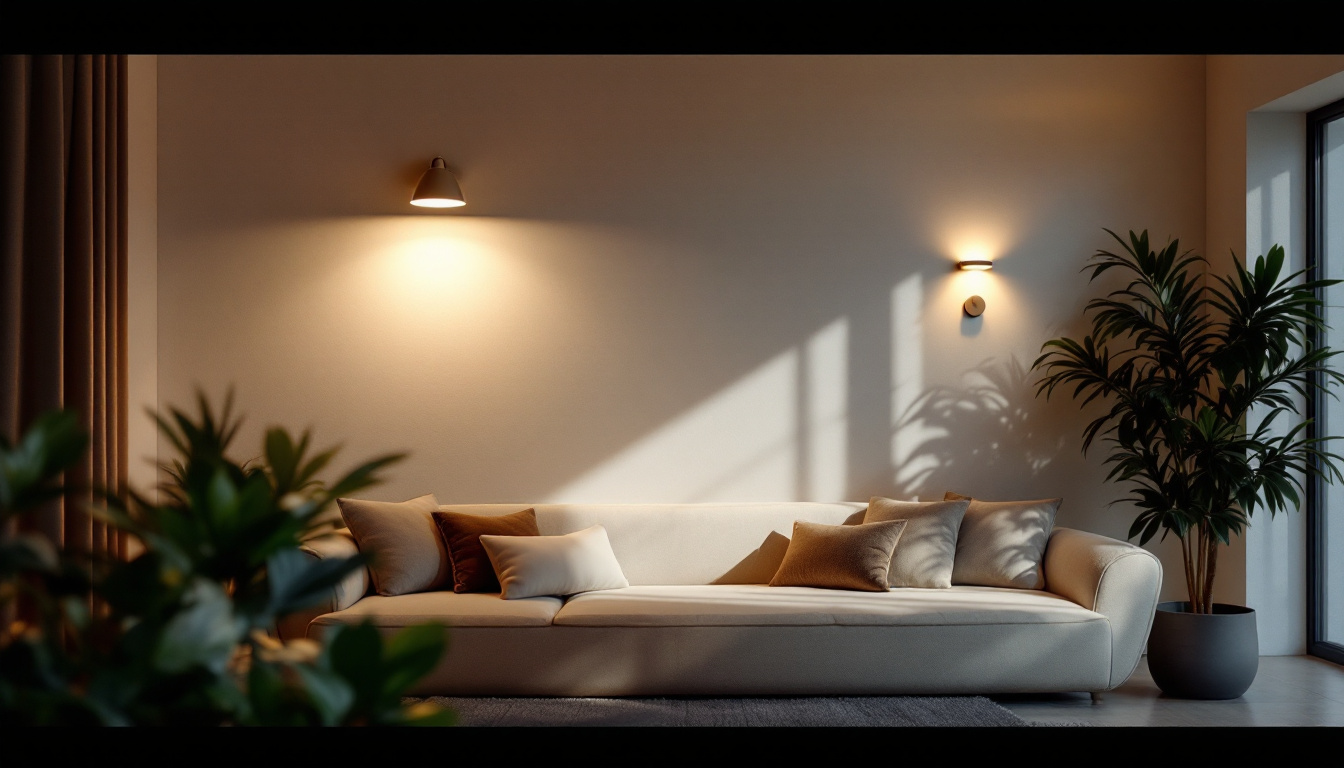
Placement of lamps is crucial for achieving uniform illumination and minimizing shadows on stairs. Common strategies include installing step lights recessed into the risers or walls adjacent to the stairs, which provide direct light onto each tread without causing glare. Another effective method is mounting wall sconces at regular intervals to wash light evenly across the stairway.
Handrail lighting is gaining popularity as it combines functionality and aesthetics. LED strips or linear fixtures concealed beneath handrails provide continuous illumination along the stair path, enhancing safety and creating a modern look. Lighting contractors should ensure that fixtures are installed at heights and angles that avoid direct eye contact with the light source.
Wiring and Control Systems
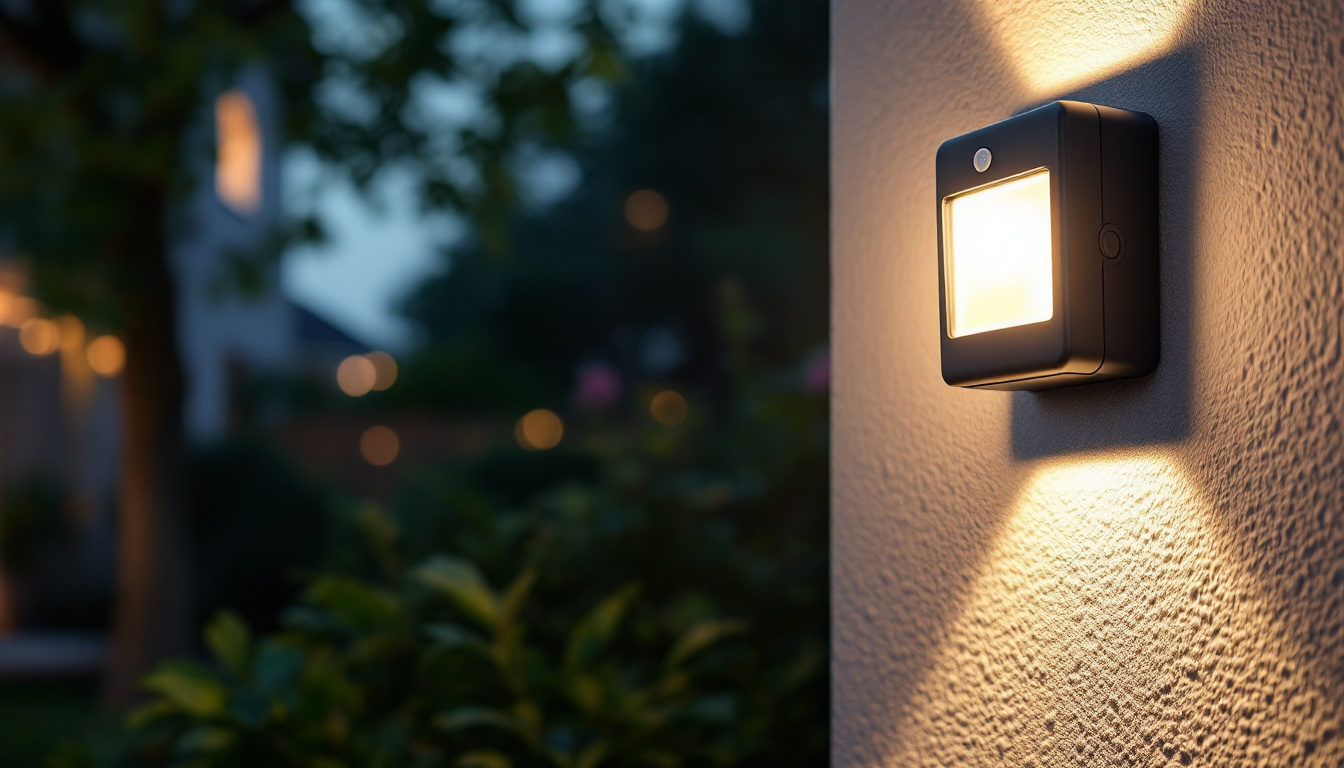
Efficient wiring and control systems are essential for stair lighting functionality and energy management. Contractors should plan circuits that allow for independent control of stair lights, enabling users to switch lighting on and off as needed. Integrating occupancy sensors or motion detectors can automate lighting, reducing energy consumption by activating lamps only when the stairway is in use.
Dimmer switches provide flexibility in adjusting light levels based on time of day or user preference, enhancing comfort and extending lamp life. For emergency egress, lighting systems should be connected to backup power sources or battery packs to maintain illumination during outages. Proper labeling and documentation of wiring ensure ease of maintenance and future upgrades.
Design Trends and Client Preferences
Blending Functionality with Aesthetics
Modern stair lighting goes beyond mere functionality; it serves as a design element that complements architectural features. Lighting contractors are increasingly called upon to provide solutions that highlight textures, materials, and structural details of staircases. For example, uplighting can accentuate handrails or balusters, while downlighting emphasizes tread surfaces.
Customizable LED fixtures with color-changing capabilities allow clients to tailor ambiance for different occasions or moods. Incorporating smart lighting systems that integrate with home automation platforms adds convenience and appeal to tech-savvy customers. Contractors should stay informed about emerging trends and products to offer innovative and competitive solutions.
Case Studies: Successful Stair Lighting Projects
Consider a commercial office building where LED step lights were installed recessed into the stair risers, combined with wall-mounted sconces featuring diffusers to soften light output. This approach achieved uniform illumination exceeding code requirements while maintaining a sleek, professional aesthetic. Occupancy sensors reduced energy consumption by 40%, demonstrating the value of integrating smart controls.
In a luxury residential project, handrail-mounted LED strips with adjustable color temperature were used to create a dynamic lighting experience. The system allowed homeowners to switch from warm, relaxing light in the evening to brighter, cooler light during daytime activities. This flexibility enhanced both safety and ambiance, showcasing the potential of advanced lamp technologies in stair lighting.
Maintenance and Longevity Considerations
Ensuring Durability and Ease of Maintenance
Stair lighting fixtures are subject to frequent use and potential physical contact, requiring robust construction and secure installation. Lighting contractors should select lamps and fixtures rated for high durability and resistance to dust, moisture, and impact, especially in commercial or outdoor staircases.
LED lamps typically offer lifespans exceeding 50,000 hours, reducing the frequency of replacements and associated labor costs. However, contractors must ensure that fixtures allow for easy access to lamps and wiring for maintenance purposes. Regular inspection schedules help identify issues such as dimming, flickering, or damage early, preventing safety hazards.
Energy Efficiency and Cost Savings
Energy-efficient stair lighting not only benefits the environment but also reduces operational costs for building owners. LEDs consume up to 80% less energy than traditional incandescent or halogen lamps, translating into significant savings over time. Lighting contractors can advise clients on the long-term financial advantages of investing in high-quality LED systems with smart controls.
Incorporating daylight sensors where applicable can further optimize energy use by dimming or turning off artificial lighting when natural light is sufficient. These strategies align with green building certifications and sustainability goals increasingly prioritized by clients.
Conclusion: Best Practices for Lighting Contractors
Lighting contractors play a pivotal role in enhancing stair safety and aesthetics through expert lamp selection and installation. Prioritizing compliance with safety standards, choosing appropriate lamp types and color temperatures, and employing strategic placement techniques are fundamental to successful stair lighting projects.
Staying abreast of technological advancements and design trends enables contractors to deliver innovative solutions that satisfy diverse client needs. Emphasizing energy efficiency and ease of maintenance ensures long-term performance and client satisfaction. By integrating these best practices, lighting contractors can elevate the quality and impact of stair lighting installations across all project types.
Illuminate Your Projects with LumenWholesale
Ready to take your stair lighting projects to the next level? At LumenWholesale, we provide lighting contractors with the finest selection of spec-grade lighting products at unbeatable wholesale prices. Say goodbye to local distributor markups and hello to a vast array of reliable, high-performance lighting solutions that meet the highest industry standards. With free shipping on bulk orders, you can stock up on premium lighting without the hidden fees or compromises. Elevate your installations with the quality, affordability, and convenience that only LumenWholesale can offer. Discover the difference and ensure your projects shine with the best value in lighting by visiting Wholesale Lighting at the Best Value today.