Understanding the Fundamentals of Inset Ceiling Spotlights
Inset ceiling spotlights, often referred to as recessed lights or downlights, are a staple in modern lighting design. Their sleek, unobtrusive appearance makes them ideal for a variety of settings, from residential homes to commercial spaces. For lighting contractors, mastering the installation and optimization of these fixtures is essential to delivering both aesthetic appeal and functional illumination.
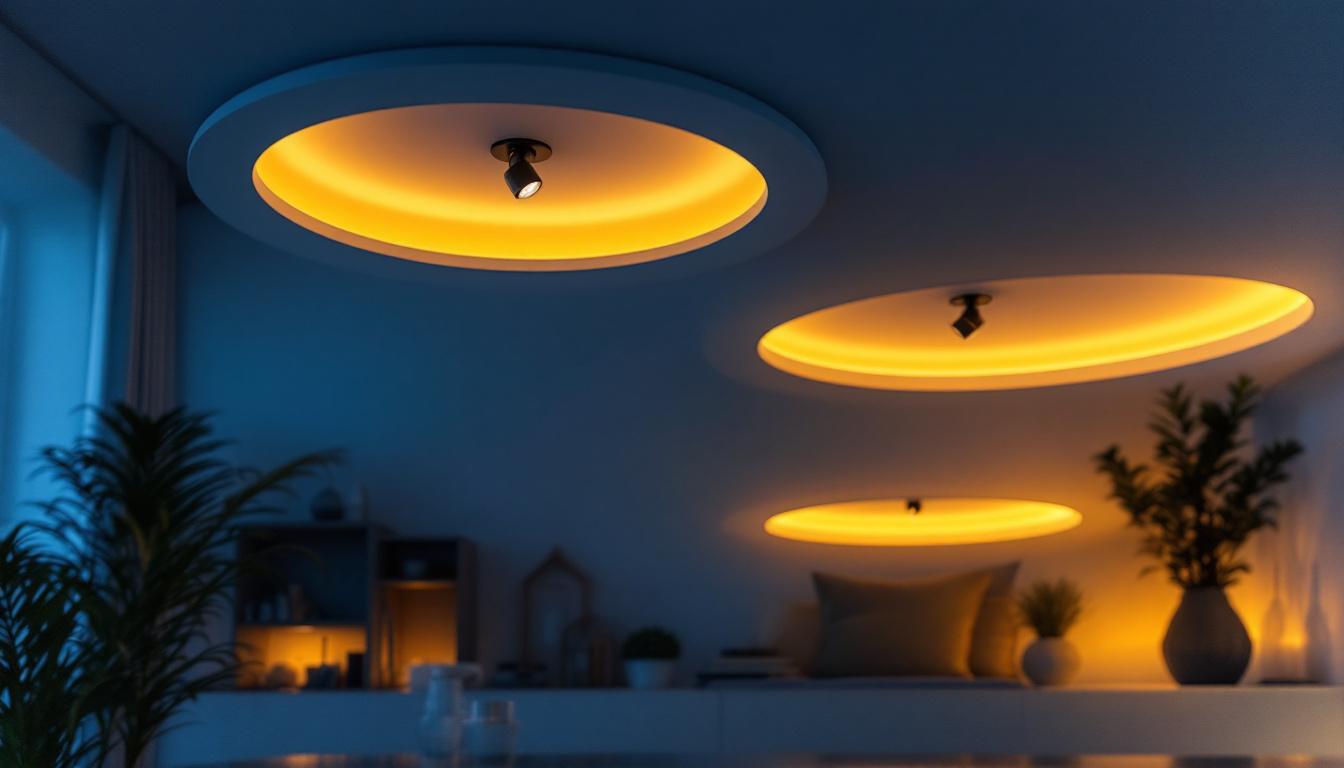
At their core, inset spotlights are designed to be installed flush with the ceiling surface, creating a clean, minimalist look. This design not only saves space but also allows for targeted lighting, enhancing architectural features or creating ambiance without the clutter of hanging fixtures. The versatility of these lights means they can be used in various applications, such as highlighting artwork, illuminating kitchen countertops, or providing general lighting in living areas, making them a favorite among designers and homeowners alike.
Successful installation requires a thorough understanding of the different types of inset spotlights available, including LED, halogen, and CFL options, each with distinct benefits and considerations. LEDs, for instance, dominate the market due to their energy efficiency, longevity, and reduced heat output, which is particularly important in confined ceiling spaces. Moreover, advancements in LED technology have led to a broader range of color temperatures and dimmability options, allowing for greater customization to suit different moods and settings.
Key Components and Terminology
Lighting contractors should be familiar with essential components such as the housing, trim, and bulb types. The housing is the fixture’s body, installed within the ceiling cavity, while the trim is the visible part that frames the light. Selecting the right trim style—whether baffle, reflector, or adjustable gimbal—affects both light distribution and the fixture’s aesthetic. For example, a gimbal trim allows for directional lighting, making it ideal for accentuating specific areas or objects, while a baffle trim minimizes glare and is perfect for general illumination.
Understanding terms like IC-rated (Insulation Contact) and non-IC-rated housings is also crucial. IC-rated housings can safely be installed in direct contact with ceiling insulation, reducing fire risk and energy loss, whereas non-IC-rated housings require clearance from insulation. This distinction impacts installation methods and compliance with building codes. Additionally, contractors should be aware of the importance of proper spacing between fixtures to ensure even light distribution; a common rule of thumb is to space the lights approximately 4 to 6 feet apart, depending on the ceiling height and the desired lighting effect. This strategic planning not only enhances the overall aesthetic but also prevents dark spots and ensures a well-lit environment throughout the space.
Planning and Preparation: The Blueprint for Success
Effective planning is the foundation of any successful lighting project. For inset ceiling spotlights, this means carefully considering the room’s purpose, ceiling type, and electrical infrastructure before installation begins.
Lighting contractors should collaborate closely with architects, interior designers, and clients to determine the optimal number and placement of spotlights. Factors such as ceiling height, room dimensions, and the desired lighting effect—ambient, task, or accent—inform these decisions.
Calculating Lighting Requirements
Using lighting calculation methods, such as lumens per square foot, helps ensure adequate illumination without over-lighting or creating glare. For example, living rooms typically require around 10-20 lumens per square foot, while kitchens and workspaces may need 30-40 lumens per square foot to support detailed tasks.
Spacing between fixtures is equally important. A common rule of thumb is to space recessed lights approximately half the ceiling height apart. For an 8-foot ceiling, this translates to about 4 feet between fixtures. This spacing promotes even light distribution and reduces shadows.
Assessing Structural and Electrical Considerations
Before cutting into ceilings, contractors must verify the ceiling type—drywall, plaster, or drop ceiling—and inspect for obstructions such as joists, pipes, or wiring. Utilizing tools like stud finders and inspection cameras can prevent costly mistakes and ensure compliance with safety standards.
Electrical capacity and wiring routes must also be evaluated. Inset spotlights often require dedicated circuits or transformers, especially when using low-voltage LED systems. Proper circuit loading and adherence to local electrical codes are non-negotiable to guarantee safety and functionality.
Installation Best Practices for Lighting Contractors
The installation phase demands precision and attention to detail. Lighting contractors must balance technical requirements with aesthetic goals to achieve a flawless finish.
Step-by-Step Installation Process
Begin by marking the ceiling with precise measurements for each spotlight location. Using a template ensures consistent hole sizes that match the housing dimensions. Cutting should be done carefully with appropriate tools such as drywall saws or hole cutters to avoid damaging the surrounding ceiling.
Next, install the housings securely, ensuring they are flush with the ceiling surface and properly aligned. For IC-rated housings, verify insulation contact, and for non-IC-rated, maintain the required clearance. Secure wiring connections using wire nuts or connectors rated for the fixture’s electrical load.
Once the housings are in place, attach the trim and install the bulbs. For LED fixtures, ensure compatibility between the bulb and housing, as some integrated LED units do not allow bulb replacement. Test each light to confirm proper operation before finishing.
Common Installation Challenges and Solutions
One frequent challenge is ceiling insulation interference. Lighting contractors must carefully navigate insulation materials to prevent heat buildup and potential fire hazards. Using IC-rated housings or installing insulation shields can mitigate these risks.
Another issue is uneven ceiling surfaces, which can cause trims to sit improperly or create gaps. Employing adjustable trims or shims can help achieve a seamless appearance. Additionally, contractors should be prepared to troubleshoot wiring issues, such as voltage drops or incompatible dimmers, by using appropriate testing equipment and consulting manufacturer specifications.
Optimizing Performance and Energy Efficiency
Modern lighting contractors are increasingly tasked with delivering energy-efficient solutions that meet client expectations and regulatory requirements. Inset ceiling spotlights offer significant opportunities for optimization.
Leveraging LED Technology
LED spotlights have revolutionized the lighting industry by offering high efficiency, long lifespan, and low maintenance. Contractors should prioritize LED options when possible, advising clients on the benefits such as reduced energy consumption and lower heat emission, which can also decrease cooling costs.
Selecting the right color temperature is vital. Warm white (2700K-3000K) creates a cozy atmosphere, ideal for living spaces, while cooler temperatures (3500K-4100K) suit work areas and commercial environments. Offering clients a range of options helps tailor the lighting to the space’s function and mood.
Incorporating Smart Controls and Dimming
Integrating dimmers and smart lighting controls enhances the functionality of inset spotlights. Dimming capabilities not only extend bulb life but also allow users to adjust lighting levels according to time of day or activity, improving comfort and energy savings.
Smart controls, including motion sensors and programmable systems, enable automated lighting management. Lighting contractors should stay abreast of the latest technologies and ensure compatibility between fixtures, dimmers, and control systems to provide seamless user experiences.
Ensuring Compliance and Safety Standards
Adherence to building codes and safety standards is paramount in lighting installations. Failure to comply can result in hazards, legal liabilities, and compromised system performance.
Understanding Relevant Codes and Certifications
Lighting contractors must be familiar with national and local electrical codes, such as the National Electrical Code (NEC) in the United States, which governs wiring methods, fixture ratings, and circuit requirements. Compliance with fire safety standards, especially for recessed lighting in insulated ceilings, is critical.
Using UL-listed or equivalent certified products ensures that fixtures meet safety and performance benchmarks. Contractors should verify product certifications and maintain documentation for inspections and client assurance.
Fire Safety and Thermal Management
Inset ceiling spotlights generate heat that must be managed to prevent fire risks. Proper fixture selection, installation techniques, and insulation clearance are key factors. IC-rated housings allow direct contact with insulation, reducing fire hazards, while non-IC-rated housings require careful spacing.
Contractors should also educate clients on the importance of not covering fixtures with insulation or other materials post-installation, as this can cause overheating. Routine maintenance and inspection protocols can help identify potential issues before they become hazards.
Post-Installation Maintenance and Client Education
The relationship between lighting contractors and clients extends beyond installation. Providing guidance on maintenance and operation ensures long-term satisfaction and system performance.
Maintenance Best Practices
Regular cleaning of trims and lenses prevents dust accumulation that can diminish light output. Contractors should recommend appropriate cleaning methods and intervals based on the environment.
For LED fixtures, although bulbs have long lifespans, contractors should advise clients on signs of malfunction or dimming that may indicate the need for replacement or electrical inspection.
Educating Clients on Usage and Controls
Clients benefit from understanding how to use dimmers, smart controls, and timers effectively. Providing clear instructions and demonstrations can enhance user experience and energy savings.
Additionally, informing clients about the benefits of scheduled lighting adjustments and occupancy sensors can encourage energy-conscious habits and prolong fixture life.
Conclusion: Elevating Expertise in Inset Ceiling Spotlight Installations
For lighting contractors, mastering the art and science of inset ceiling spotlight installation is a valuable skill that combines technical knowledge with design sensibility. From initial planning through installation and maintenance, attention to detail and adherence to best practices ensure that lighting solutions are both beautiful and functional.
By staying informed on the latest technologies, safety standards, and client needs, contractors can deliver superior lighting experiences that enhance spaces and satisfy customers. Inset ceiling spotlights, when expertly installed, offer versatile, energy-efficient illumination that meets the demands of today’s dynamic environments.
Get Your Premium Lighting Supplies at LumenWholesale
Ready to elevate your lighting installations with the finest inset ceiling spotlights? Look no further than LumenWholesale, where we provide lighting contractors with the highest quality, spec-grade lighting products at exceptional wholesale prices. Our commitment to cutting out the middleman means you get the best value for your investment. With our vast selection that meets rigorous industry standards, you can trust that your projects will shine with reliability and performance. Plus, with the convenience of free shipping on bulk orders, LumenWholesale is your go-to source for premium lighting without the hidden fees. Don’t compromise on quality or cost. Wholesale Lighting at the Best Value is just a click away.