Understanding the Unique Challenges of Lighting Wood Ceilings
Wood ceilings bring warmth, texture, and a timeless aesthetic to interior spaces, making them a popular choice in residential and commercial design. However, their natural characteristics present unique challenges when integrating lighting systems. Lighting contractors must approach these projects with a clear understanding of how wood interacts with light and the structural considerations involved.
Unlike drywall or plaster ceilings, wood surfaces can vary widely in texture, grain, and finish, all of which influence light reflection and diffusion. For example, a highly polished wood ceiling will reflect light differently than a matte or rough-sawn surface. This variability affects both the visual outcome and the technical requirements of the lighting installation. Furthermore, the choice of wood species can also play a significant role in how light interacts with the surface; lighter woods like maple can create a bright, airy feel, while darker woods like walnut can add depth and drama to a space.
Moreover, wood is an organic material sensitive to heat and moisture, factors that can impact both the ceiling’s integrity and the longevity of lighting fixtures. Without proper planning, contractors risk causing damage to the wood or creating lighting solutions that fail to meet client expectations. It is crucial to consider the environment in which the wood ceiling is installed, as areas with high humidity or fluctuating temperatures may require additional protective measures to ensure the wood remains stable and the lighting system functions effectively.
Thermal Considerations and Fixture Compatibility
One of the primary concerns when installing lighting on or near wood ceilings is heat management. Many traditional lighting fixtures generate significant heat, which can lead to discoloration, warping, or even fire hazards if not properly accounted for.
Contractors must select fixtures with appropriate heat ratings and ensure adequate clearance from the wood surface. LED lighting has become the preferred choice for wood ceilings due to its low heat output and energy efficiency. Additionally, using fixtures with built-in thermal protection or heat sinks can further safeguard the wood. Beyond just the type of fixture, the placement of lighting plays a critical role; strategically positioning lights to minimize direct exposure to the wood can help maintain the ceiling’s integrity while still achieving the desired illumination effect.
Structural and Mounting Challenges
Wood ceilings may have varying thicknesses and support structures, which influence the choice of mounting hardware and fixture types. For instance, recessed lighting requires sufficient clearance above the ceiling plane to accommodate housings and wiring, which may not be feasible in all wood ceiling designs.
Surface-mounted fixtures or track lighting systems often provide more flexibility but require careful attachment methods to avoid damaging the wood or compromising its appearance. Using specialized anchors or mounting plates designed for wood can help distribute weight evenly and prevent splitting or cracking. Additionally, considering the aesthetic impact of mounting hardware is essential; using low-profile or decorative mounts can enhance the overall design while ensuring the structural integrity of the installation. The choice of finish for these hardware components should also complement the wood’s natural tones, creating a cohesive look that enhances the beauty of the ceiling rather than detracting from it.
Design Strategies for Optimal Lighting Performance on Wood Ceilings
Achieving the desired ambiance and functionality in spaces with wood ceilings demands thoughtful lighting design. Contractors must balance aesthetics, light quality, and practicality to enhance the natural beauty of the wood while meeting the space’s illumination needs.
Leveraging Wood’s Reflective Qualities
Wood surfaces tend to absorb more light than painted ceilings, which can result in darker rooms if lighting is not adequately planned. To counteract this, contractors should consider higher lumen outputs or additional fixtures to compensate for light absorption.
Warm white LED lights (around 2700K to 3000K) complement the natural tones of wood, enhancing its richness without creating harsh contrasts. Adjustable fixtures, such as dimmable downlights or wall washers, allow for fine-tuning light levels to suit different times of day or activities. The careful selection of light fixtures can also contribute to energy savings, as LED technology not only provides the necessary brightness but also has a longer lifespan compared to traditional bulbs, making it a sustainable choice for both residential and commercial projects.
Highlighting Architectural Features
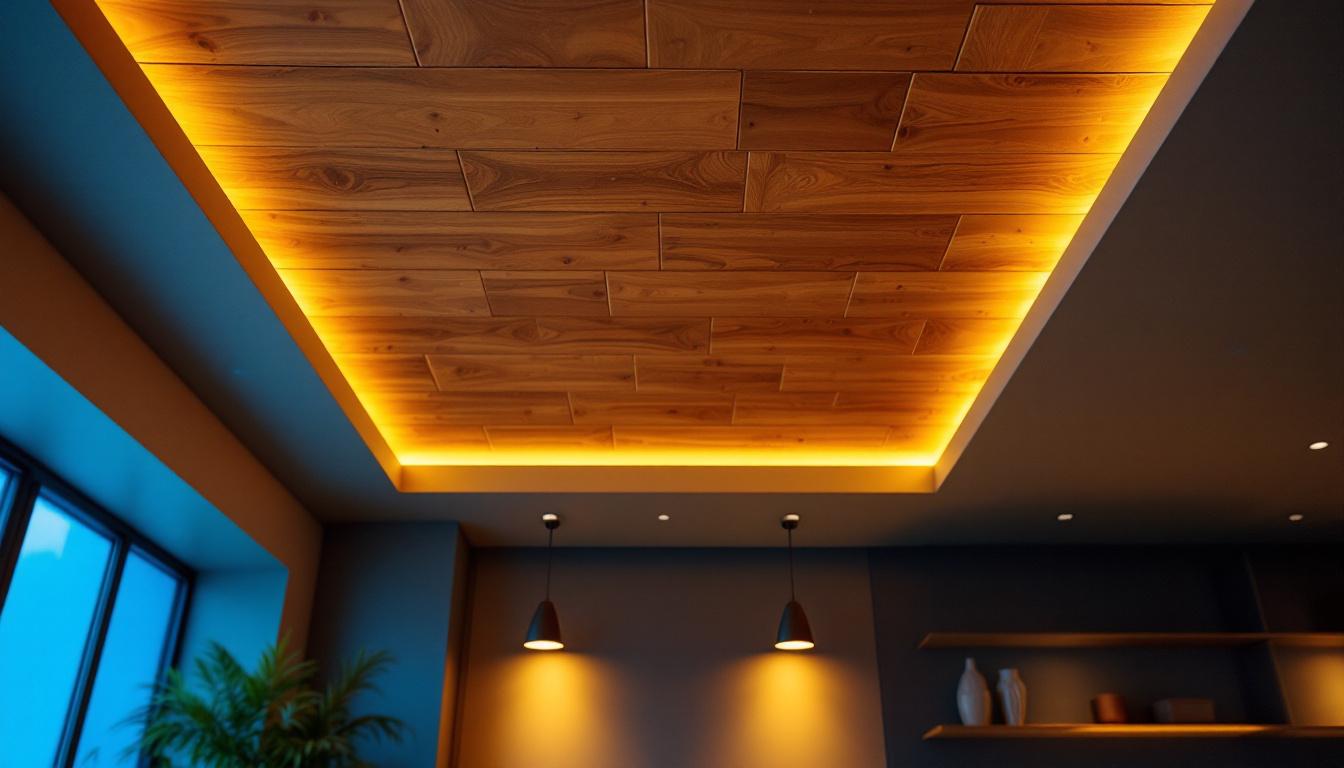
Wood ceilings often feature beams, paneling, or intricate patterns that can be accentuated through strategic lighting. Accent lighting techniques, such as grazing or uplighting, can emphasize texture and depth, adding visual interest and sophistication.
For example, linear LED strips installed along beams create dramatic shadows and highlight the ceiling’s craftsmanship. However, care must be taken to conceal wiring and fixtures to maintain the ceiling’s clean appearance. In addition to linear lighting, spotlights can be strategically placed to focus on unique architectural elements, such as decorative trusses or wood grain patterns, creating a dynamic interplay of light and shadow that enhances the overall aesthetic of the room.
Integrating Lighting Controls
Modern lighting controls, including dimmers, occupancy sensors, and smart systems, offer contractors tools to enhance both energy efficiency and user experience. Dimming capabilities are especially important with wood ceilings, as adjusting light intensity can prevent glare and preserve the wood’s natural look.
Additionally, integrating controls allows clients to adapt lighting scenes for different moods or functions, increasing the versatility of the space. Contractors should ensure compatibility between lighting fixtures and control systems early in the design phase to avoid costly retrofits. Furthermore, incorporating automated systems can provide users with the convenience of adjusting lighting through mobile apps or voice commands, making it easier to create the perfect atmosphere for entertaining guests or enjoying a quiet evening at home. This level of customization not only enhances user satisfaction but also promotes energy conservation by ensuring lights are only used when needed.
Common Installation Pitfalls and How to Avoid Them
Despite best intentions, lighting contractors frequently encounter issues when working with wood ceilings. Awareness of these common pitfalls and proactive measures can save time, reduce costs, and ensure client satisfaction.
Inadequate Heat Management
One of the most frequent mistakes is underestimating the heat generated by lighting fixtures. This oversight can lead to wood discoloration, warping, or even fire risks. Contractors should always verify fixture specifications for heat dissipation and maintain recommended clearances.
Using LED fixtures and ensuring proper ventilation around recessed housings are effective ways to mitigate heat buildup. Additionally, consulting local fire codes and manufacturer guidelines is essential for compliance and safety. It’s also wise to consider the thermal properties of the wood itself; different species react differently to heat, and understanding these characteristics can further enhance safety and longevity of the installation.
Poor Fixture Placement and Spacing
Incorrect placement can cause uneven lighting, shadows, or glare, detracting from both the wood ceiling’s appearance and the room’s functionality. Contractors should conduct thorough lighting layouts, considering fixture spacing, beam angles, and room dimensions.
Utilizing lighting design software or collaborating with lighting designers can provide accurate simulations, helping to avoid costly adjustments post-installation. Furthermore, taking into account the intended use of the space is crucial; for example, a cozy reading nook may benefit from softer lighting, while a workspace may require brighter, more focused illumination. Engaging the client in discussions about their preferences and needs can also lead to a more satisfactory outcome.
Damage to Wood During Installation
Improper drilling, fastening, or wiring can damage wood ceilings, resulting in visible defects or structural issues. Contractors should use appropriate tools and techniques, such as pre-drilling pilot holes and employing non-invasive mounting systems when possible.
Protective measures like masking tape or temporary coverings can prevent surface scratches or dents during installation. Training and experience in working with wood materials are invaluable in minimizing these risks. Additionally, it’s beneficial to have a comprehensive checklist for installation that includes inspection of the wood for any pre-existing flaws that could be exacerbated during the installation process. This proactive approach not only safeguards the materials but also enhances the overall quality of the finished project.
Maintenance and Long-Term Considerations for Wood Ceiling Lighting
Ensuring the longevity and performance of lighting installations on wood ceilings requires ongoing attention to maintenance and environmental factors.
Regular Inspection and Cleaning
Dust and debris can accumulate on both wood surfaces and lighting fixtures, diminishing light quality and potentially causing overheating. Contractors should advise clients on appropriate cleaning schedules and methods, emphasizing gentle techniques that preserve wood finishes.
Using soft cloths and non-abrasive cleaners prevents damage, while inspecting fixtures for signs of wear or heat damage allows for timely repairs or replacements.
Monitoring Environmental Conditions
Wood is sensitive to changes in humidity and temperature, which can affect both the ceiling and lighting components. Maintaining stable indoor conditions helps prevent wood expansion, contraction, or warping that could interfere with fixture alignment or wiring integrity.
Contractors may recommend or install environmental controls, such as humidifiers or ventilation systems, particularly in climates with significant seasonal variations.
Upgrading and Retrofitting Lighting Systems
As lighting technology evolves, clients may seek upgrades to improve efficiency or aesthetics. Contractors should design initial installations with flexibility in mind, allowing for easy retrofitting without damaging the wood ceiling.
Modular fixtures, accessible wiring pathways, and standardized mounting systems facilitate future modifications, saving time and expense while preserving the ceiling’s integrity.
Conclusion: Best Practices for Lighting Contractors Working with Wood Ceilings
Lighting wood ceilings requires a specialized approach that balances technical expertise with an appreciation for the material’s natural beauty. By understanding the thermal, structural, and aesthetic aspects of wood ceilings, contractors can design and install lighting systems that enhance spaces while avoiding common pitfalls.
Key best practices include selecting low-heat LED fixtures, carefully planning fixture placement, employing appropriate mounting techniques, and integrating advanced lighting controls. Additionally, educating clients on maintenance and environmental management supports the long-term success of the installation.
With thoughtful planning and execution, lighting contractors can transform wood ceilings from a potential challenge into a stunning feature that elevates any interior environment.
Illuminate Your Projects with LumenWholesale
Ready to elevate your lighting installations for wood ceilings? LumenWholesale is here to support your success with our premium, spec-grade lighting products at unbeatable wholesale prices. Say goodbye to inflated markups and hello to a vast selection of reliable, high-performance lighting that meets the highest industry standards. Plus, with free shipping on bulk orders, you can ensure your projects shine without the burden of hidden fees. Don’t compromise on quality or value—discover the best in wholesale lighting and make your next project a masterpiece with LumenWholesale.