Understanding the Importance of Lighting Fixtures in Contemporary Design
Lighting fixtures are more than just sources of illumination; they are integral components that shape the ambiance, functionality, and aesthetic appeal of any space. For lighting contractors, comprehending the multifaceted role of fixtures is essential to delivering solutions that meet both client expectations and technical requirements.
Modern lighting solutions rely heavily on the strategic selection and placement of fixtures. These elements influence energy efficiency, user comfort, and architectural harmony. As technologies evolve, lighting fixtures have transformed from simple housings for bulbs into sophisticated systems that integrate smart controls, adaptive lighting, and sustainable materials.
From Basic Illumination to Design Statement
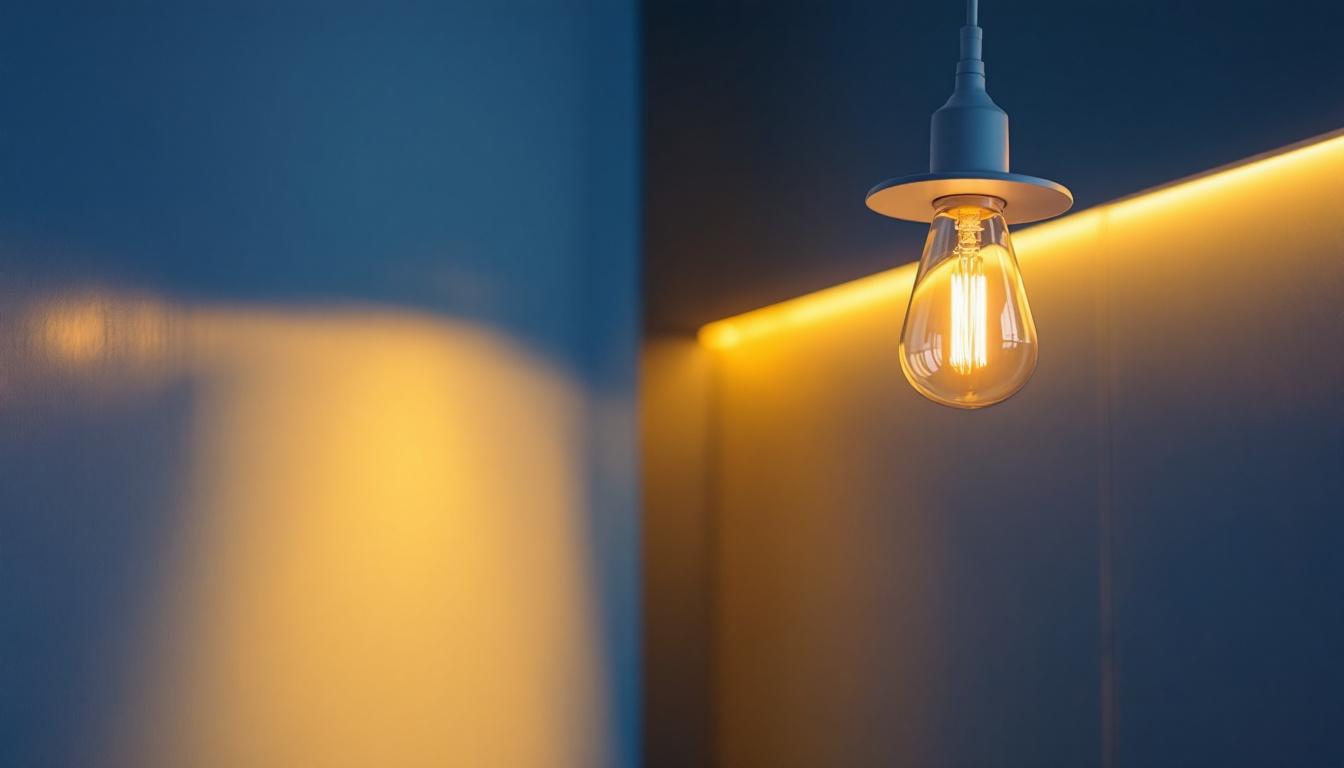
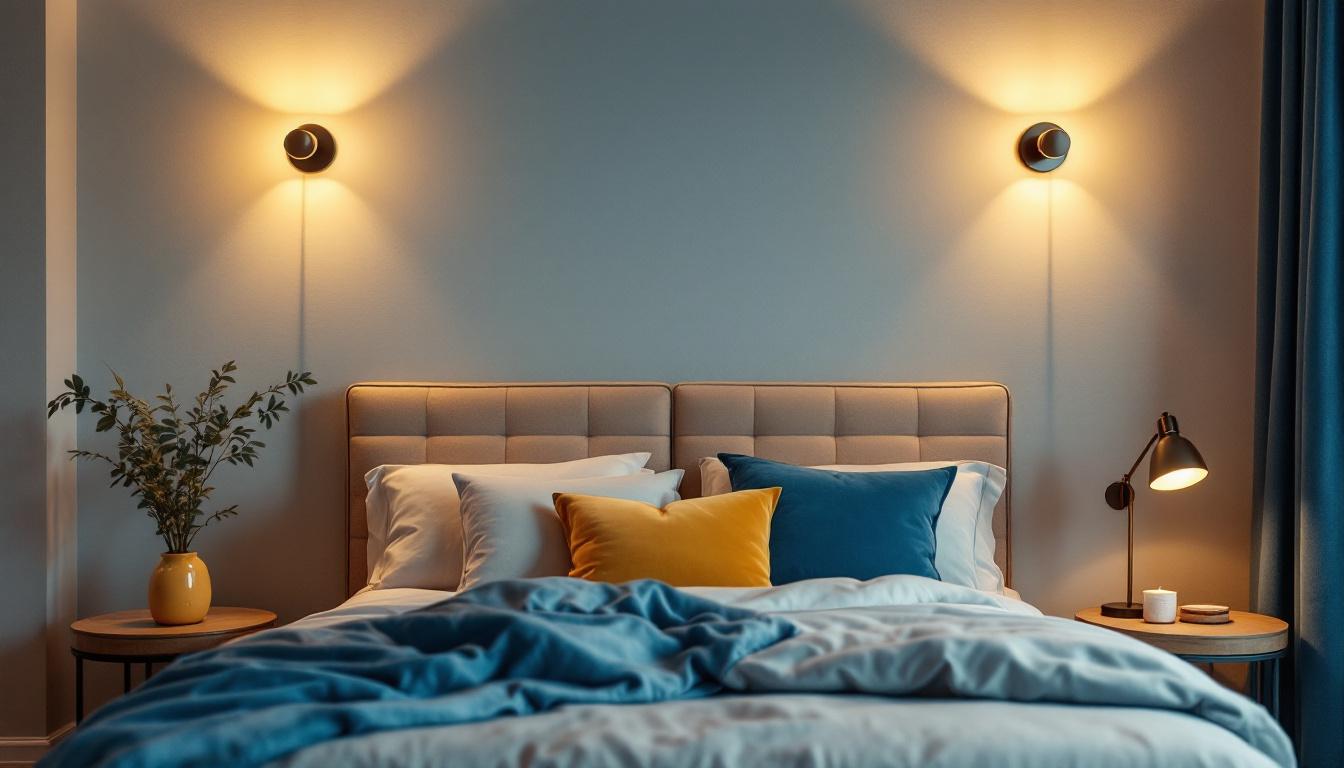
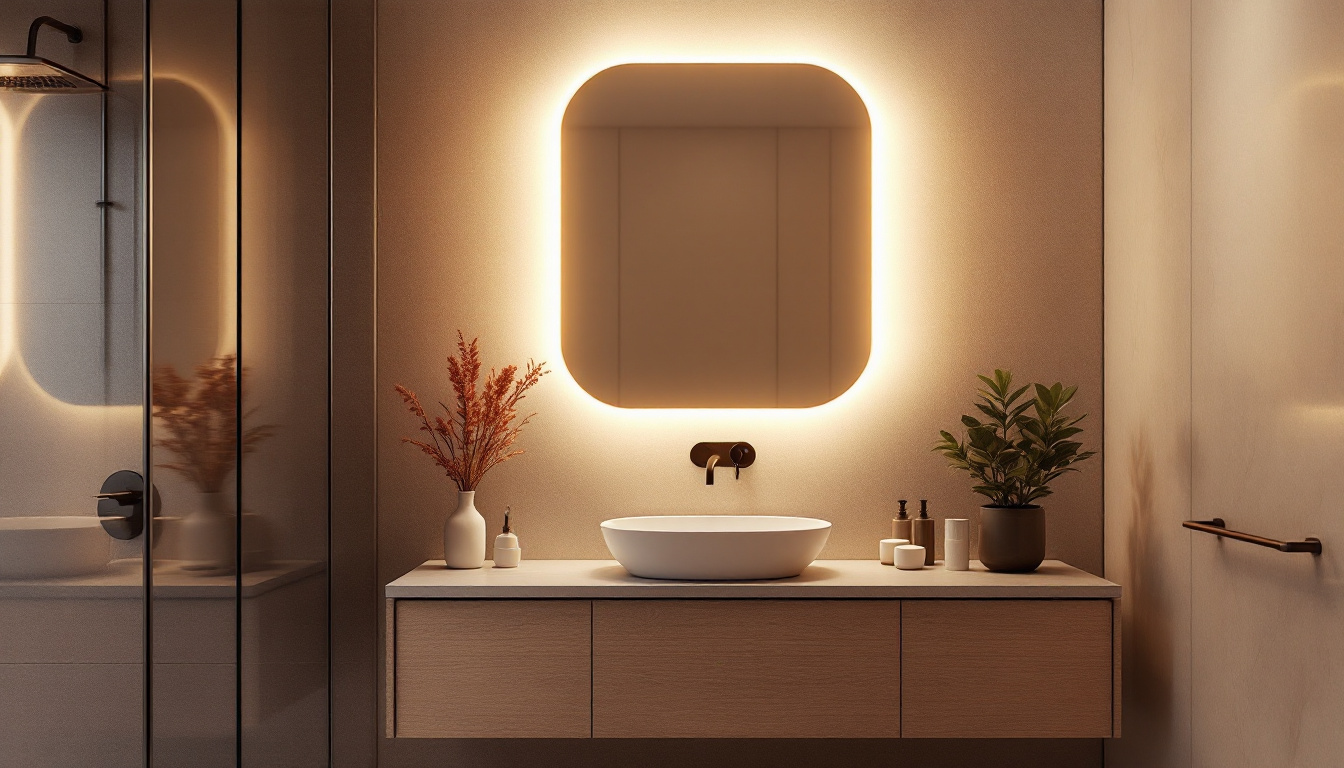
Historically, lighting fixtures served primarily to hold light sources and direct light where needed. Today, they are pivotal in defining interior and exterior design narratives. Whether it’s a sleek recessed downlight that maintains a minimalistic ceiling line or an ornate chandelier that becomes a room’s focal point, fixtures contribute significantly to the visual and emotional experience of a space.
For contractors, understanding the interplay between fixture design and lighting quality is crucial. The choice of fixture affects light distribution, glare control, and color rendering — all factors that impact occupant satisfaction and task performance. Moreover, the rise of LED technology has allowed for unprecedented flexibility in design, enabling fixtures to be more compact, energy-efficient, and longer-lasting. This shift not only enhances the aesthetic appeal but also aligns with the growing demand for sustainable building practices, making energy-efficient fixtures a preferred choice in contemporary design.
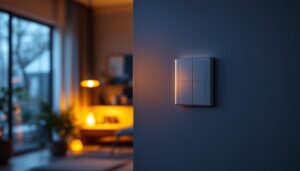
Additionally, the integration of smart lighting systems has revolutionized how fixtures are utilized in both residential and commercial settings. These systems allow for customizable lighting scenarios that can adapt to different activities and moods throughout the day. For instance, a workspace can transition from bright, focused lighting during business hours to a warm, inviting glow for after-hours gatherings, all controlled through a smartphone app or voice commands. This versatility not only enhances user experience but also promotes energy conservation by allowing users to tailor their lighting needs precisely, further emphasizing the importance of thoughtful fixture selection in modern design.
Technological Advancements Shaping Modern Lighting Fixtures
The lighting industry has witnessed remarkable technological progress, particularly with the widespread adoption of LED technology. This shift has revolutionized fixture design, enabling more compact, efficient, and versatile products.
Integration of LED and Smart Technologies
LEDs have become the cornerstone of modern lighting fixtures due to their longevity, energy efficiency, and superior light quality. Unlike traditional incandescent or fluorescent sources, LEDs allow for innovative fixture forms that were previously unattainable. This has opened opportunities for ultra-thin panels, flexible strips, and modular systems that adapt to various architectural contexts.
Furthermore, the integration of smart technology into fixtures has enhanced control capabilities. Features such as dimming, color tuning, and occupancy sensing can now be embedded directly within the fixture, enabling dynamic lighting environments that respond to user needs and environmental conditions. For contractors, familiarity with these technologies is vital to specifying and installing systems that optimize performance and user experience. The ability to control lighting through mobile apps or voice commands has made it easier for users to create personalized atmospheres, whether for a cozy evening at home or a vibrant setting for a social gathering.
Advancements in Materials and Manufacturing
Modern fixtures benefit from advancements in materials science and manufacturing techniques. Lightweight alloys, durable polymers, and heat-dissipating composites contribute to fixtures that are both robust and aesthetically pleasing. Additive manufacturing (3D printing) is also beginning to influence custom fixture production, allowing for intricate designs and rapid prototyping.
Moreover, the evolution of sustainable materials is gaining traction in the lighting industry. Manufacturers are increasingly exploring eco-friendly options, such as recycled metals and bioplastics, to reduce their environmental footprint. This shift not only aligns with global sustainability goals but also appeals to a growing consumer base that prioritizes green products. As a result, lighting designers are now challenged to balance aesthetic appeal with sustainability, leading to innovative designs that are both functional and environmentally responsible. The combination of cutting-edge materials and eco-conscious practices is paving the way for a new era of lighting fixtures that are as much about style as they are about sustainability.
Energy Efficiency and Sustainability Considerations
Energy consumption is a critical concern in lighting design, and fixtures play a significant role in achieving sustainability goals. Lighting contractors must prioritize solutions that reduce energy use without compromising quality. The push for energy-efficient lighting has gained momentum in recent years, driven by both environmental concerns and economic incentives. As technology advances, the options available are becoming increasingly sophisticated, offering not only energy savings but also enhanced functionality and aesthetics.
Fixture Efficiency and Light Distribution
Efficient fixtures maximize the useful light output while minimizing losses due to absorption or poor optics. High-quality reflectors, lenses, and diffusers are engineered to direct light precisely, reducing the need for excessive wattage. This not only lowers energy bills but also extends the lifespan of lighting systems. Furthermore, the integration of LED technology has revolutionized the lighting industry, providing fixtures that offer superior energy efficiency and longer operational life compared to traditional incandescent or fluorescent options.
Additionally, fixtures designed for compatibility with daylight harvesting and occupancy sensors contribute to energy savings by adjusting artificial lighting based on natural light availability and space usage. This smart technology not only enhances energy efficiency but also improves user comfort by ensuring that spaces are adequately lit when occupied and dimmed or turned off when not in use. The combination of these features can lead to significant reductions in overall energy consumption, making a compelling case for their adoption in both residential and commercial settings.
Compliance with Environmental Standards
Many regions have established regulations and certification programs that encourage or mandate energy-efficient lighting solutions. Fixtures that meet standards such as ENERGY STAR or DesignLights Consortium (DLC) listings provide assurance of performance and sustainability. Lighting contractors must stay informed about these standards to guide clients toward compliant and future-proof installations. In addition to regulatory compliance, many businesses are now adopting corporate sustainability goals that align with these standards, further incentivizing the use of energy-efficient lighting solutions.
Moreover, the benefits of adhering to such standards extend beyond compliance; they often lead to improved marketability and customer satisfaction. Consumers are increasingly aware of environmental issues and are more likely to support businesses that demonstrate a commitment to sustainability. Therefore, lighting contractors who prioritize energy-efficient fixtures not only contribute to environmental preservation but also position their clients favorably in a competitive marketplace. This dual focus on compliance and market trends underscores the importance of informed decision-making in lighting design and installation.
Customization and Flexibility in Fixture Selection
Modern projects often demand tailored lighting solutions that address unique architectural features, functional requirements, and aesthetic preferences. Lighting fixtures today offer unprecedented customization options.
Modular and Adaptive Fixtures
Modular fixtures allow contractors to configure lighting systems that can be easily adapted or expanded. This flexibility is particularly valuable in commercial or institutional settings where space usage may evolve over time. Adaptive fixtures with adjustable beam angles, color temperatures, and mounting options enable precise control over lighting effects.
Design Collaboration and Specification
Effective collaboration between lighting contractors, designers, and manufacturers is essential to realize customized fixture solutions. Early involvement in the design process allows contractors to influence fixture selection, ensuring compatibility with electrical infrastructure and installation logistics. Detailed specifications and mock-ups help avoid costly revisions and ensure that the final installation meets all performance and aesthetic criteria.
Installation and Maintenance: Practical Considerations for Contractors
Beyond design and selection, the practical aspects of installing and maintaining lighting fixtures are critical to the success of any lighting project.
Ease of Installation and Integration
Modern fixtures are designed with installation efficiency in mind. Features such as quick-connect wiring, adjustable mounting brackets, and pre-assembled components reduce labor time and minimize errors. For contractors, understanding these features and planning accordingly can improve project timelines and client satisfaction.
Maintenance and Longevity
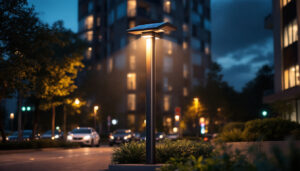
Fixtures that facilitate easy access to components simplify maintenance tasks such as cleaning, lamp replacement, or driver servicing. Selecting fixtures with durable finishes and corrosion-resistant materials extends service life, particularly in challenging environments like outdoor or industrial settings.
Proactive maintenance planning, including the use of fixtures with diagnostic capabilities, can help contractors provide value-added services and reduce downtime for clients.
Emerging Trends and Future Directions
The lighting industry continues to evolve rapidly, with new trends influencing fixture design and application.
Human-Centric Lighting and Wellness
There is growing recognition of the impact of lighting on human health and well-being. Fixtures that support circadian rhythms through tunable white light and dynamic control systems are gaining prominence. Lighting contractors must be prepared to incorporate these features into their offerings to meet the increasing demand for wellness-oriented environments.
Integration with Building Automation Systems
Fixtures are increasingly integrated into broader building management systems, enabling centralized control and data analytics. This integration enhances energy management, occupant comfort, and predictive maintenance capabilities. Contractors skilled in these technologies are positioned to deliver comprehensive lighting solutions that align with smart building initiatives.
Sustainability Beyond Energy Efficiency
Future fixture designs are expected to emphasize circular economy principles, including recyclability, use of renewable materials, and reduced environmental impact throughout the product lifecycle. Lighting contractors can play a pivotal role by advocating for and installing fixtures that support these sustainability goals.
Conclusion
Lighting fixtures are fundamental to the success of modern lighting solutions. Their role extends beyond mere illumination to encompass design expression, technological innovation, energy efficiency, and user well-being. For lighting contractors, a deep understanding of fixture options, installation considerations, and emerging trends is essential to delivering high-quality, future-ready lighting systems.
By staying informed and adaptable, contractors can not only meet the evolving demands of clients and regulations but also contribute to the creation of spaces that are visually compelling, comfortable, and sustainable.
Illuminate Your Projects with LumenWholesale
Ready to elevate your lighting solutions with fixtures that blend design, innovation, and sustainability? Look no further than LumenWholesale for all your lighting needs. Our extensive selection of spec-grade lighting products comes at unbeatable wholesale prices, ensuring you get the best value for your investment. Say goodbye to local distributor markups and hello to high-performance lighting that meets the highest industry standards. Plus, with free shipping on bulk orders, you can stock up on premium lighting effortlessly. Don’t compromise on quality or cost. Discover the best in wholesale lighting at LumenWholesale and make your next project shine.