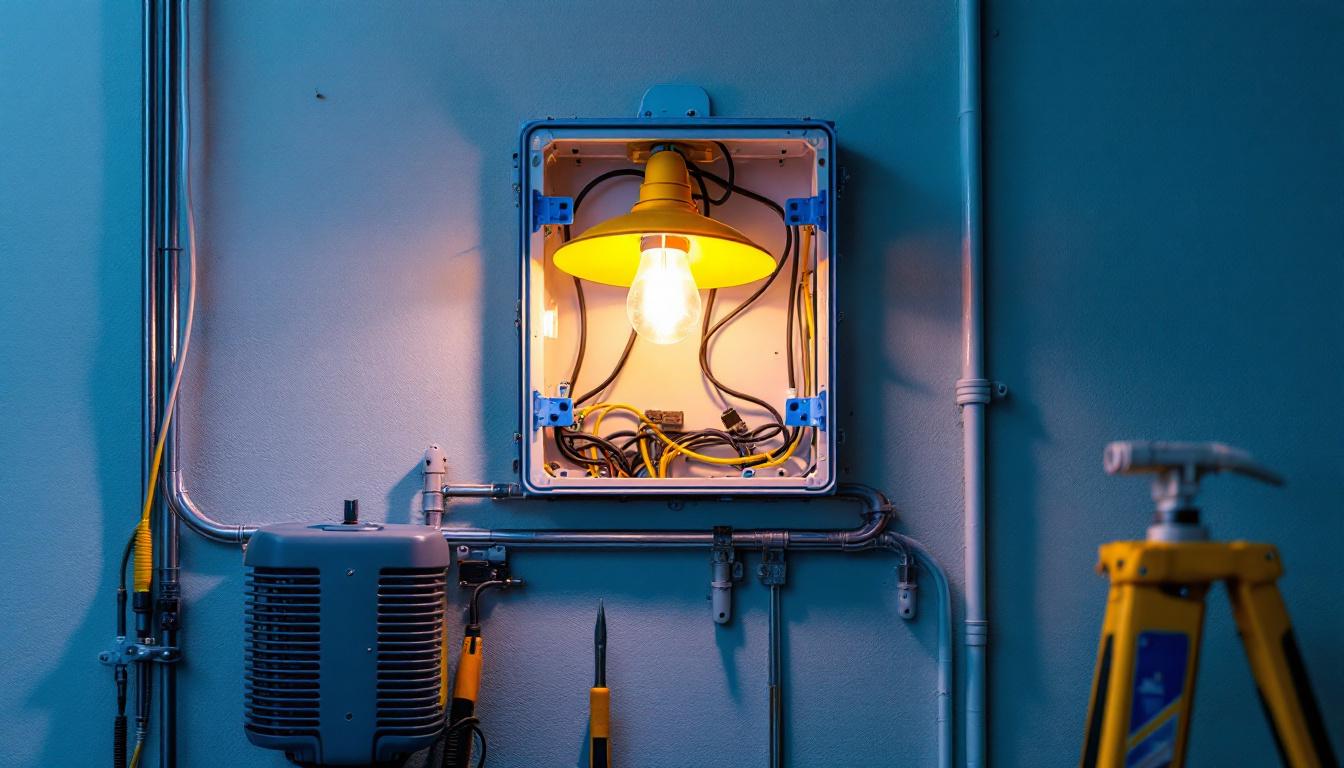
Understanding the Role of Electrical Boxes in Wall Light Fixture Installations
For lighting contractors, the electrical box is more than just a simple housing for wires—it’s a foundational component that directly influences the safety, functionality, and efficiency of any wall light fixture installation. Selecting the right electrical box and understanding its role can streamline project workflows, reduce rework, and ensure compliance with electrical codes.
Electrical boxes serve as secure enclosures that protect electrical connections from damage and prevent accidental contact with live wires. They also provide a stable mounting point for wall light fixtures, ensuring that the fixture is properly supported and aligned. Without the appropriate electrical box, installations risk being unsafe, unreliable, or non-compliant with local regulations.
Types of Electrical Boxes for Wall Light Fixtures
There are several types of electrical boxes designed specifically for wall light fixtures, each suited to different wall constructions and installation requirements:
- Old Work (Remodel) Boxes: Designed for retrofit projects where the wall is already finished. These boxes clamp onto drywall or plaster without needing to access the framing.
- New Work Boxes: Used in new construction, these boxes attach directly to wall studs or framing before drywall is installed, offering a robust and secure mounting option.
- Metal vs. Plastic Boxes: Metal boxes provide superior durability and grounding capabilities, often preferred in commercial or high-load applications. Plastic boxes are lightweight, non-conductive, and easier to install, making them common in residential settings.
Choosing the correct box type is critical because it affects not only installation speed but also long-term safety and fixture stability. Additionally, contractors should consider the environmental factors that may influence their choice of electrical boxes. For instance, in areas prone to moisture, such as bathrooms or outdoor settings, weatherproof or damp-rated boxes are essential to prevent corrosion and ensure the longevity of electrical connections. These specialized boxes often come with gaskets and seals that further protect against water ingress, making them indispensable in certain applications.
Furthermore, understanding the load requirements for the intended light fixtures is paramount. Different fixtures have varying weights and electrical demands, which can dictate the type of electrical box needed. For instance, heavier fixtures may require a box that is rated for a higher load capacity, often necessitating the use of a box with additional support features. This consideration not only enhances the safety of the installation but also ensures that the aesthetic appeal of the fixtures is maintained over time, as improperly supported fixtures can sag or become misaligned, detracting from the overall design of the space.
How Proper Electrical Box Selection Enhances Project Efficiency
Efficiency in lighting projects is measured by how quickly and safely installations can be completed without compromising quality. Proper electrical box selection plays a pivotal role in achieving this balance.
Reducing Installation Time with the Right Box
Using an electrical box suited to the wall type and fixture weight can drastically reduce installation time. For example, old work boxes with integrated clamps allow contractors to install fixtures without removing large sections of drywall, minimizing repair work and cleanup. On the other hand, new work boxes can be pre-installed during framing, enabling electricians to complete wiring before drywall installation, streamlining the entire construction timeline.
Additionally, boxes with adjustable mounting brackets or built-in leveling features help ensure the fixture is perfectly aligned on the first try, eliminating the need for adjustments or reinstallation. This not only saves time but also enhances the overall aesthetic appeal of the installation, as fixtures that are correctly aligned contribute to a more professional finish. Furthermore, the use of quick-connect wiring systems in conjunction with the right electrical box can further expedite the process, allowing electricians to make secure connections in a fraction of the time compared to traditional methods.
Minimizing Safety Risks and Code Violations
Electrical boxes that meet or exceed local electrical codes reduce the risk of safety hazards such as electrical shorts, fires, or fixture detachment. For lighting contractors, compliance means fewer inspections failures and callbacks, which can delay project completion and increase costs.
For instance, metal boxes are often required in commercial buildings or areas prone to mechanical damage, while plastic boxes are suitable for residential applications. Understanding these nuances allows contractors to avoid costly mistakes and ensure smooth project approvals. Additionally, the integration of features like knockouts for conduit entry and grounding provisions within the box design can enhance safety by ensuring proper grounding and reducing the likelihood of electrical shock. By selecting the appropriate box, contractors not only adhere to safety regulations but also foster a culture of responsibility and diligence on the job site, which can have lasting benefits for their reputation and client trust.
Impact of Electrical Box Quality on Lighting Fixture Longevity and Performance
The durability and performance of wall light fixtures are closely tied to the quality and suitability of the electrical box used during installation.
Ensuring Structural Support for Heavy Fixtures
High-end or decorative wall light fixtures can be heavy and require robust support. Electrical boxes designed with reinforced mounting brackets or those that attach directly to wall studs provide the necessary structural integrity. This prevents fixture sagging or detachment over time, which can lead to expensive repairs and safety hazards.
Contractors who invest in high-quality boxes reduce the likelihood of premature fixture failure, enhancing client satisfaction and reputation. Additionally, the choice of electrical box can influence the aesthetics of the installation. A well-supported fixture not only looks better but also maintains its intended position, ensuring that the light is directed where it is most needed. This attention to detail can elevate a simple lighting installation into a focal point of the room, showcasing both design and functionality.
Maintaining Electrical Integrity Over Time
Electrical boxes protect wiring connections from environmental factors such as moisture, dust, and physical impact. Boxes with sealed or gasketed covers are especially beneficial in damp or outdoor locations, preserving electrical integrity and reducing maintenance needs.
Moreover, metal boxes offer superior grounding capabilities, which can improve the overall electrical system’s safety and performance, especially in complex lighting setups. The choice of materials used in electrical boxes also plays a significant role in their longevity. For instance, non-corrosive materials are essential in coastal areas where salt air can lead to rapid deterioration. Furthermore, the installation of high-quality electrical boxes can help mitigate issues such as flickering lights or inconsistent power delivery, which can be frustrating for homeowners and detrimental to the lifespan of the fixtures. By ensuring that the electrical box is not only functional but also compatible with the specific lighting needs, electricians can provide a more reliable and efficient lighting solution.
Practical Tips for Lighting Contractors to Maximize Efficiency Using Electrical Boxes
Beyond selecting the right electrical box, lighting contractors can implement several best practices to optimize installation efficiency and project outcomes.
Plan Ahead with Accurate Measurements and Box Placement
Careful planning of electrical box placement ensures that wall light fixtures are positioned for optimal lighting effect and accessibility. Using templates or digital measuring tools can help contractors mark precise locations, reducing guesswork and errors.
Additionally, considering fixture dimensions and wiring needs before installation helps in choosing boxes with adequate volume and mounting options, preventing the need for box replacements or modifications.
Use Modular and Adjustable Electrical Boxes
Modern electrical boxes with adjustable features allow contractors to adapt to varying wall thicknesses and fixture designs without changing the box. This flexibility reduces the number of different box types that need to be stocked, simplifying logistics and saving costs.
Leverage Pre-Wired Electrical Boxes When Possible
Pre-wired electrical boxes come with factory-installed wiring, reducing onsite labor and wiring errors. While not suitable for every project, they can significantly speed up installations in repetitive or large-scale lighting projects.
Maintain Compliance with Updated Electrical Codes
Staying informed about the latest electrical codes and standards is essential. Codes often specify box types, sizes, and installation methods for different environments and fixture types. Adhering to these standards not only ensures safety but also prevents costly rework during inspections.
Case Studies: Efficiency Gains Through Optimized Electrical Box Use
Real-world examples illustrate how electrical box choices impact project efficiency and outcomes.
Residential Retrofit Project
A lighting contractor tasked with upgrading wall sconces in an older home opted for plastic old work boxes with integrated clamps. This choice allowed installation without damaging existing drywall, reducing labor time by 30% and eliminating the need for wall repairs. The project was completed ahead of schedule, impressing the homeowner and securing repeat business.
Commercial Office Lighting Installation
In a commercial office build-out, the contractor selected metal new work boxes with adjustable mounting brackets for wall fixtures. Pre-installation during framing enabled the electrical team to complete wiring early, allowing drywall and finishing crews to proceed without delay. The robust boxes ensured fixture stability in a high-traffic environment, minimizing maintenance calls post-installation.
Conclusion: Electrical Boxes as a Key to Lighting Project Success
For lighting contractors, the electrical box is a critical yet often overlooked component that can significantly influence project efficiency, safety, and quality. By selecting the appropriate box type, prioritizing quality, and implementing best practices, contractors can reduce installation time, avoid costly errors, and deliver durable, compliant lighting solutions that satisfy clients and inspectors alike.
Investing time in understanding the nuances of electrical boxes and integrating them into project planning ultimately leads to smoother workflows, enhanced reputation, and increased profitability in the competitive lighting industry.
Upgrade Your Lighting Projects with LumenWholesale
Ready to enhance your lighting installations with the best electrical boxes and fixtures on the market? Look no further than LumenWholesale, where we provide contractors with exceptional, spec-grade lighting products at unbeatable wholesale prices. Say goodbye to local distributor markups and hello to our premium selection that meets the highest industry standards. With free shipping on bulk orders, you can trust that you’re getting the best value without any hidden fees. Elevate your lighting projects today by visiting Wholesale Lighting at the Best Value and discover the LumenWholesale difference—where quality, affordability, and convenience come together seamlessly.