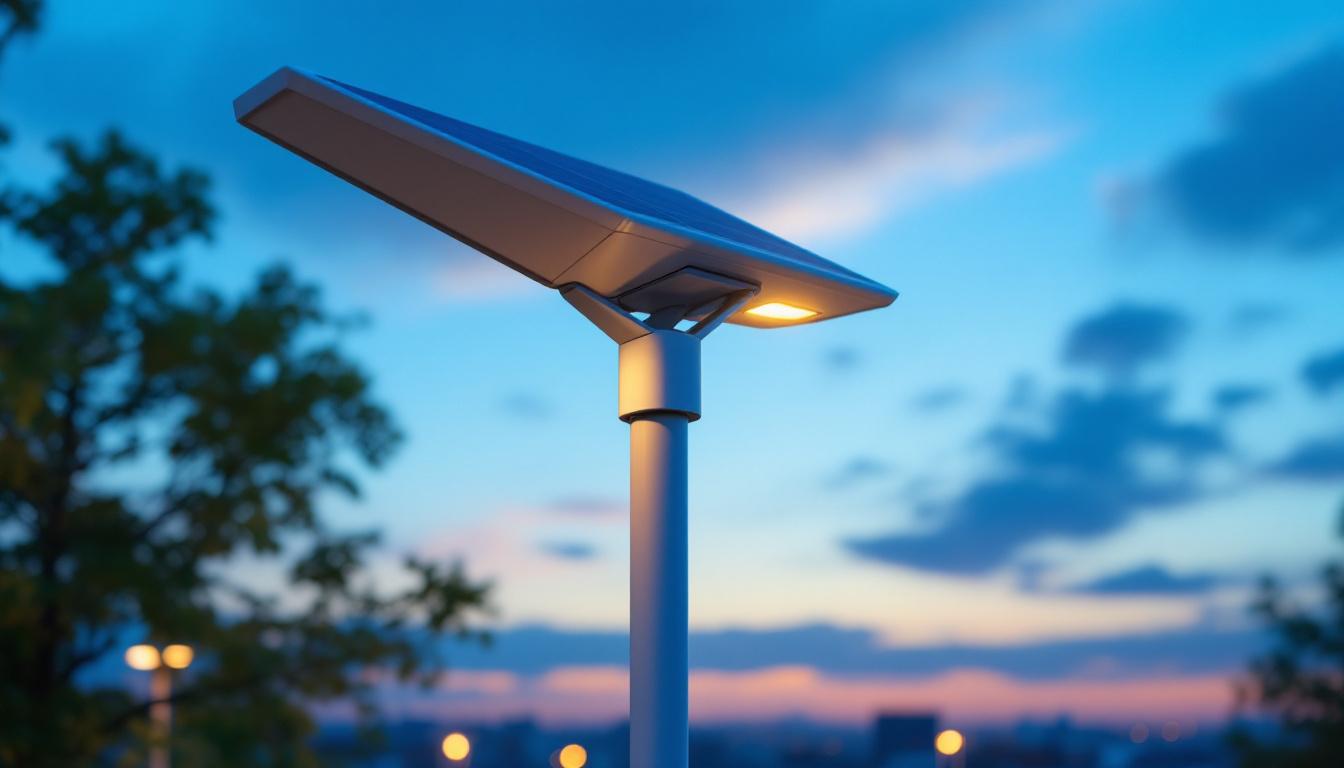
Introduction to Solar Powered Light Poles
In the evolving world of outdoor lighting, solar powered light poles have emerged as a transformative solution for lighting contractors. These innovative fixtures harness renewable energy to provide sustainable, cost-effective illumination. As environmental concerns and energy costs continue to rise, the adoption of solar lighting systems is becoming not just a trend but a necessity.
For lighting contractors, understanding the advantages, installation nuances, and market potential of solar powered light poles is crucial. This knowledge can differentiate their services, open new business opportunities, and meet the growing demand for green infrastructure.
Solar powered light poles are designed with advanced photovoltaic technology that allows them to capture sunlight during the day and convert it into electricity for nighttime use. This self-sustaining feature not only reduces reliance on traditional power sources but also significantly lowers operational costs over time. Additionally, many models come equipped with energy-efficient LED bulbs, which further enhance their sustainability by consuming less power while providing brighter illumination. The integration of smart technology, such as motion sensors and remote monitoring capabilities, is also becoming increasingly common, allowing for tailored lighting solutions that adapt to specific environmental conditions or user needs.
Moreover, the versatility of solar powered light poles makes them suitable for a wide range of applications, from urban streets and parks to remote areas lacking electrical infrastructure. Their installation is often more straightforward than traditional lighting systems, as they do not require extensive wiring or trenching. This ease of installation can lead to reduced labor costs and faster project completion times, making them an attractive option for contractors looking to streamline their operations. As municipalities and businesses alike seek to enhance their sustainability efforts, the demand for solar powered lighting solutions is expected to grow, presenting a significant opportunity for contractors to expand their portfolios and contribute to a greener future.
Why Solar Powered Light Poles Matter to Lighting Contractors
Meeting Increasing Demand for Sustainable Solutions
Clients today are more environmentally conscious than ever before. Municipalities, commercial properties, and residential communities seek lighting solutions that reduce carbon footprints without compromising performance. Solar powered light poles offer an ideal answer by utilizing clean energy, thereby aligning with sustainability goals and regulatory requirements.
Lighting contractors who integrate solar technology into their offerings position themselves as forward-thinking professionals capable of delivering future-proof solutions. This competitive edge is particularly valuable as governments worldwide incentivize renewable energy projects through grants, rebates, and tax credits. Moreover, as public awareness of climate change grows, the demand for green infrastructure continues to rise, making solar lighting not just a trend but a necessity for future developments.
In addition, many clients are now looking for ways to enhance their community’s image and appeal. By incorporating solar powered light poles, contractors can help clients showcase their commitment to sustainability, which can be a significant selling point in attracting environmentally conscious tenants or visitors. This not only enhances the aesthetic appeal of the area but also fosters a sense of community pride and responsibility.
Cost Savings and Economic Benefits
Traditional lighting systems often entail high operational costs due to electricity consumption and extensive wiring infrastructure. Solar powered light poles eliminate or significantly reduce these expenses by generating power onsite. The absence of trenching and electrical connections also lowers installation costs and shortens project timelines.
Furthermore, maintenance requirements for solar lighting are minimal compared to conventional systems. LED fixtures combined with solar panels typically have long lifespans, reducing the frequency of replacements and repairs. For contractors, this translates into satisfied clients and potential for ongoing service contracts focused on preventative maintenance. Additionally, the durability of solar light poles often means they can withstand harsh weather conditions, reducing the likelihood of damage and the associated costs of repairs.
Contractors can also leverage the economic benefits of solar lighting in their marketing strategies. By highlighting the long-term savings on energy bills and maintenance, they can present a compelling case to potential clients. Furthermore, as solar technology continues to advance, the efficiency and affordability of these systems are expected to improve, making them an even more attractive option for new projects. This positions contractors not only as installers but as trusted advisors in the transition to more sustainable infrastructure.
Technical Advantages of Solar Powered Light Poles
Energy Independence and Reliability
One of the most compelling benefits of solar powered light poles is their ability to operate independently of the electrical grid. This feature is particularly advantageous in remote or off-grid locations where running power lines is cost-prohibitive or logistically challenging. Solar lighting ensures continuous illumination even during power outages, enhancing safety and security. Furthermore, the decentralized nature of solar lighting reduces reliance on traditional energy sources, contributing to a more sustainable energy ecosystem.
Modern solar light poles incorporate advanced battery storage systems that store excess energy generated during daylight hours. This stored energy powers the lights throughout the night, ensuring consistent performance regardless of weather conditions. Additionally, many solar light poles are designed with high-efficiency solar panels that maximize energy capture, even in less-than-ideal sunlight conditions. This capability is crucial for regions that experience frequent cloud cover or shorter daylight hours during certain seasons, allowing for reliable lighting year-round.
Advanced Technology Integration
Today’s solar powered light poles are equipped with cutting-edge technologies such as smart sensors, adaptive lighting controls, and IoT connectivity. Motion sensors and ambient light detectors optimize energy use by adjusting brightness based on activity and natural light availability. Remote monitoring capabilities allow contractors and clients to track system performance and schedule maintenance proactively. This level of integration not only enhances user convenience but also significantly extends the lifespan of the lighting systems by preventing unnecessary wear and tear.
These technological enhancements not only improve efficiency but also provide valuable data insights that can inform future lighting projects and energy management strategies. For instance, data collected from these smart systems can reveal patterns in pedestrian traffic, allowing urban planners to make informed decisions about where additional lighting may be necessary or where energy resources can be allocated more effectively. Moreover, the integration of solar light poles with smart city initiatives can lead to improved urban infrastructure, as they can be linked with other smart devices to create a cohesive network that enhances the overall functionality and safety of public spaces.
Installation Considerations for Lighting Contractors
Site Assessment and Planning
Successful solar lighting installations begin with thorough site evaluations. Contractors must assess factors such as solar exposure, shading from nearby structures or foliage, and local climate patterns. Proper placement of solar panels is critical to maximize energy capture and ensure reliable operation.
Additionally, understanding the specific lighting requirements of the site—such as illumination levels, coverage area, and aesthetic preferences—guides the selection of appropriate fixtures and pole heights. Early collaboration with clients during the planning phase helps set realistic expectations and tailor solutions to project goals.
Installation Best Practices
While solar powered light poles reduce the need for extensive electrical work, contractors must still adhere to industry standards and safety protocols during installation. This includes secure mounting of poles, correct wiring of battery and control components, and proper alignment of solar panels.
Training and familiarity with solar lighting systems are essential to avoid common pitfalls such as improper battery handling or panel orientation errors. Investing in specialized tools and equipment can streamline the installation process and improve overall quality.
Market Opportunities and Business Growth
Expanding Service Offerings
By incorporating solar powered light poles into their portfolio, lighting contractors can tap into new markets and diversify their service offerings. This includes projects in parks, pathways, parking lots, rural areas, and disaster relief zones where grid access is limited or unavailable.
Moreover, contractors can offer turnkey solutions that encompass design, installation, and ongoing maintenance, creating additional revenue streams and fostering long-term client relationships.
Leveraging Incentives and Partnerships
Various government programs and utility companies provide financial incentives to encourage the adoption of solar lighting. Lighting contractors who stay informed about these opportunities can help clients secure funding, making projects more attractive and financially viable.
Building partnerships with solar panel manufacturers, battery suppliers, and technology providers can also enhance a contractor’s competitive position by ensuring access to high-quality components and technical support.
Challenges and How to Overcome Them
Addressing Perceptions and Education
Despite their advantages, solar powered light poles sometimes face skepticism regarding reliability and performance. Lighting contractors play a vital role in educating clients about the technology’s benefits, lifecycle costs, and environmental impact.
Providing case studies, product demonstrations, and references can build trust and dispel misconceptions, making clients more comfortable with adopting solar solutions.
Managing Initial Investment Concerns
Although solar lighting reduces long-term costs, the upfront investment can be higher compared to traditional systems. Contractors can assist clients by presenting detailed cost-benefit analyses that highlight savings over time, payback periods, and potential incentives.
Flexible financing options and phased installation approaches may also help mitigate budget constraints and facilitate project approval.
Future Trends in Solar Powered Lighting
Integration with Smart City Infrastructure
As urban areas evolve into smart cities, solar powered light poles are increasingly integrated with broader networks that manage traffic, environmental monitoring, and public safety. Lighting contractors who embrace these trends can offer advanced solutions that contribute to intelligent urban ecosystems.
For example, solar light poles equipped with sensors can collect data on air quality or pedestrian movement, providing added value beyond illumination.
Advancements in Energy Storage and Materials
Ongoing innovations in battery technology and solar panel efficiency promise to enhance the performance and affordability of solar powered light poles. Lightweight, durable materials and improved energy density will allow for sleeker designs and longer operational life.
Staying abreast of these developments enables lighting contractors to recommend the latest products and maintain a competitive advantage.
Conclusion
Solar powered light poles represent a compelling opportunity for lighting contractors to differentiate their services, meet growing environmental demands, and expand their business horizons. By embracing this technology, contractors can deliver sustainable, cost-effective, and reliable lighting solutions that satisfy a wide range of client needs.
Success in this arena requires technical expertise, strategic planning, and proactive client education. Those who invest in understanding and promoting solar lighting will be well-positioned to thrive in an increasingly green and connected marketplace.
Illuminate Your Projects with LumenWholesale
Ready to harness the power of solar and give your clients the sustainable, cost-effective lighting solutions they’re seeking? Look no further than LumenWholesale for all your solar powered light pole needs. Our spec-grade lighting products set the standard for quality and performance, all at unbeatable wholesale prices. Say goodbye to middleman markups and hello to hassle-free bulk buying with free shipping. Elevate your lighting projects with the perfect blend of affordability and reliability. Take the first step towards a brighter, greener future and explore our wholesale lighting options at the best value today.