Understanding the Role of Recessed Ceiling Lights in Living Room Design
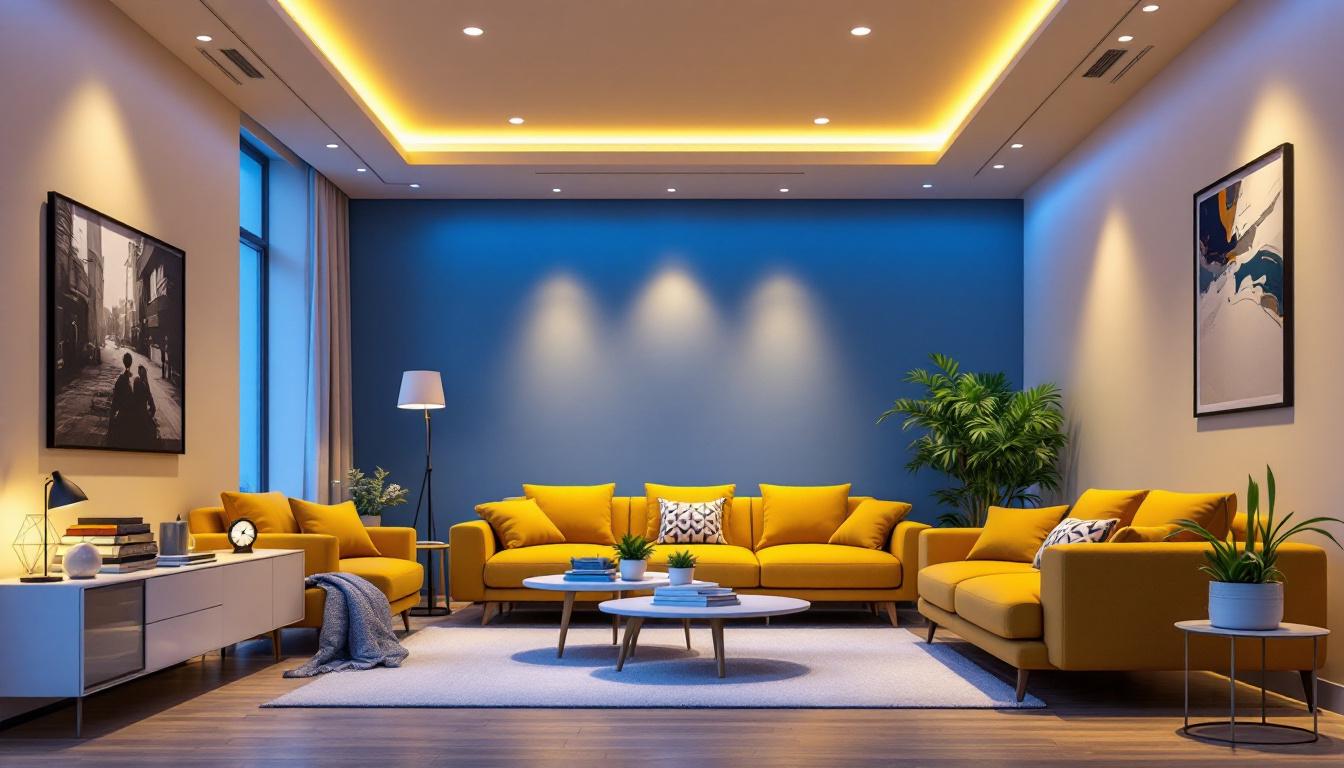
Recessed ceiling lights have become a staple in modern living room lighting schemes, offering a sleek, unobtrusive source of illumination that complements a variety of interior styles. For lighting contractors, mastering the installation and design of these fixtures is essential to delivering both aesthetic appeal and functional lighting.
Unlike traditional ceiling fixtures, recessed lights sit flush with the ceiling, creating a clean and minimalist look that enhances the perception of space. Their versatility allows for both ambient and task lighting, making them ideal for living rooms where multiple activities—such as reading, entertaining, or relaxing—occur.
Understanding how recessed lighting interacts with other design elements is critical. The placement, beam angle, and brightness must be carefully calibrated to avoid shadows, glare, or uneven lighting, which can detract from the room’s comfort and style. Lighting contractors must also consider ceiling height, room dimensions, and furniture layout to optimize the lighting effect.
In addition to their functional benefits, recessed lights can also serve as a design statement. By utilizing dimmable options, homeowners can easily adjust the ambiance of their living room to suit different occasions, from vibrant gatherings to cozy movie nights. The ability to layer lighting—combining recessed fixtures with floor lamps, wall sconces, or decorative pendant lights—further enhances the room’s atmosphere, allowing for a more personalized and inviting space.
Moreover, the choice of trim and bulb type can significantly impact the overall aesthetic. Sleek, modern trims can accentuate a contemporary design, while more ornate options can add a touch of elegance to traditional interiors. LED bulbs not only provide energy efficiency but also come in a range of color temperatures, enabling homeowners to select the perfect hue to complement their decor. This attention to detail in lighting design can transform a living room from a simple gathering place into a sophisticated retreat that reflects the homeowner’s unique style and preferences.
Key Considerations for Selecting Recessed Ceiling Lights
Choosing the Right Fixture Type and Size
Recessed lighting fixtures come in various sizes, typically ranging from 3 to 6 inches in diameter. The size selection impacts both the intensity and spread of light. Smaller fixtures provide focused illumination, suitable for accent lighting or highlighting artwork, while larger fixtures deliver broader light coverage for general ambient lighting.
Contractors should assess the living room’s size and ceiling height to determine the appropriate fixture size and quantity. For example, a larger living room with an 8-foot ceiling may require multiple 5-inch fixtures spaced evenly to ensure uniform lighting without dark spots. Furthermore, the layout of furniture and architectural features should also be taken into account, as strategically placed fixtures can enhance the overall aesthetic and functionality of the space. For instance, placing recessed lights above a seating area can create a cozy nook, while fixtures directed towards a bookshelf can draw attention to decorative items and create visual interest.
Selecting the Right Light Source: LED vs. Traditional Bulbs
LED recessed lights have become the industry standard due to their energy efficiency, longevity, and superior light quality. Compared to incandescent or halogen bulbs, LEDs consume significantly less power and produce less heat, making them safer and more cost-effective over time.
Additionally, LEDs offer a range of color temperatures—from warm white to cool daylight—allowing contractors to tailor the ambiance to the client’s preferences. Warm white (2700K to 3000K) is often preferred in living rooms for its cozy and inviting feel, while cooler temperatures may be used to enhance modern or minimalist designs. It’s also worth noting that the color rendering index (CRI) of LED bulbs plays a crucial role in how colors appear under their light. A higher CRI (above 90) ensures that colors look vibrant and true to life, which is particularly important in spaces where aesthetics are paramount, such as living rooms where art and decor are showcased.
Dimming Capabilities and Controls
Incorporating dimmable recessed lights adds a layer of versatility to living room lighting. Dimming allows users to adjust brightness levels to suit different activities or moods, from bright illumination during gatherings to soft, subdued lighting for relaxation.
Lighting contractors should ensure compatibility between LED fixtures and dimmer switches, as not all LEDs perform well with standard dimmers. Advanced control systems, including smart lighting solutions, can further enhance user experience by enabling remote control and customizable lighting scenes. These systems can be programmed to adjust lighting based on the time of day or specific events, creating a seamless transition from day to night. Moreover, integrating motion sensors can provide added convenience, automatically turning lights on when someone enters the room and off when it’s empty, thereby contributing to energy savings and enhancing the overall functionality of the living space.
Strategic Placement and Layout for Optimal Lighting
Spacing and Positioning Guidelines
Proper spacing is fundamental to achieving balanced illumination with recessed ceiling lights. A common rule of thumb is to space fixtures approximately half the ceiling height apart. For instance, in a room with an 8-foot ceiling, lights should be spaced about 4 feet apart.
Positioning fixtures too close to walls can create unwanted shadows, while placing them too far apart may result in uneven lighting. Contractors should also consider the layout of furniture and focal points to direct light where it’s most needed.
Layering Light for Depth and Dimension
While recessed lights provide excellent ambient lighting, combining them with other light sources enhances the living room’s depth and functionality. Accent lighting, such as wall sconces or picture lights, can highlight architectural features or artwork, while floor and table lamps add warmth and flexibility.
Lighting contractors should collaborate with interior designers or homeowners to develop a layered lighting plan that integrates recessed fixtures seamlessly with other elements, creating a cohesive and inviting environment.
Avoiding Common Installation Pitfalls
Incorrect installation can compromise both the performance and safety of recessed lighting. Contractors must ensure fixtures are rated for the ceiling type and insulation conditions—IC-rated fixtures are essential for insulated ceilings to prevent overheating and fire hazards.
Additionally, wiring must comply with local electrical codes, and proper spacing from joists and ductwork should be maintained. Using adjustable or gimbal fixtures can help compensate for ceiling irregularities and provide directional lighting where needed.
Energy Efficiency and Sustainability Considerations
Leveraging Energy-Efficient Technologies
Energy efficiency is a critical consideration for modern lighting projects. LED recessed lights not only reduce electricity consumption but also contribute to lower cooling costs by emitting less heat compared to traditional bulbs.
Contractors should recommend fixtures with ENERGY STAR certification or similar standards, ensuring clients benefit from long-term savings and reduced environmental impact. Incorporating occupancy sensors or timers can further optimize energy use by turning lights off when rooms are unoccupied.
Material and Fixture Durability
Selecting high-quality fixtures made from durable materials ensures longevity and reduces the need for frequent replacements. Metal housings with corrosion-resistant finishes are preferable, especially in humid environments or homes with open floor plans where dust and debris can accumulate.
Contractors should also consider the ease of maintenance and bulb replacement when choosing fixtures, as living rooms often require minimal disruption during upkeep.
Enhancing Aesthetics with Recessed Lighting Design
Choosing Trim Styles and Finishes
The trim of a recessed light greatly influences its visual impact. Options range from baffle trims, which reduce glare, to reflector trims that enhance brightness. For living rooms, baffle trims in matte finishes are popular for their subtle appearance and glare control.
Finishes should complement the ceiling color and overall room decor. White trims blend seamlessly into white ceilings, while metallic or black trims can create a contrasting accent that adds character to the space.
Incorporating Color Temperature and CRI for Visual Comfort
Color temperature affects the mood and perceived warmth of the living room. Contractors should prioritize fixtures with a high Color Rendering Index (CRI), ideally above 80, to ensure colors appear natural and vibrant under artificial light.
Choosing the appropriate color temperature and CRI enhances visual comfort and can influence the client’s satisfaction with the final lighting design.
Practical Tips for Lighting Contractors
Conducting a Thorough Site Assessment
Before installation, a comprehensive site assessment helps identify potential challenges and opportunities. Contractors should evaluate ceiling construction, existing wiring, and room usage patterns to tailor the recessed lighting plan effectively.
Engaging with clients to understand their lifestyle and preferences ensures the lighting solution aligns with their needs and expectations.
Utilizing Advanced Tools and Techniques
Modern lighting design benefits from digital tools such as lighting simulation software, which allows contractors to visualize light distribution and intensity before installation. This technology helps optimize fixture placement and avoid costly mistakes.
Employing precise measuring instruments and quality installation tools also enhances efficiency and accuracy during the project.
Ensuring Compliance and Safety
Adhering to local electrical codes and safety standards is non-negotiable. Contractors must stay updated on regulations concerning fixture ratings, wiring methods, and energy efficiency requirements.
Proper documentation and permitting not only protect the contractor legally but also reassure clients about the professionalism and reliability of the service provided.
Conclusion: Delivering Excellence with Recessed Ceiling Lights
Recessed ceiling lights are a powerful tool in the lighting contractor’s arsenal for creating elegant, functional living room environments. By carefully selecting fixtures, planning layouts, and prioritizing energy efficiency and safety, contractors can elevate the ambiance and usability of living spaces.
Staying informed about the latest technologies and design trends, while maintaining a client-centered approach, ensures successful projects that meet both aesthetic and practical demands. Ultimately, recessed lighting done right transforms living rooms into comfortable, inviting spaces that enhance daily life.
Get Your Premium Recessed Lighting at LumenWholesale
Ready to enhance your living room projects with the elegance and functionality of recessed ceiling lights? Look no further than LumenWholesale for all your lighting needs. Our extensive selection of spec-grade lighting products is available at unbeatable wholesale prices, ensuring you get the best value without compromising on quality. Say goodbye to local distributor markups and hello to hassle-free bulk buying with free shipping. Elevate your lighting projects today by visiting LumenWholesale and discover the perfect blend of quality, affordability, and convenience for contractors.