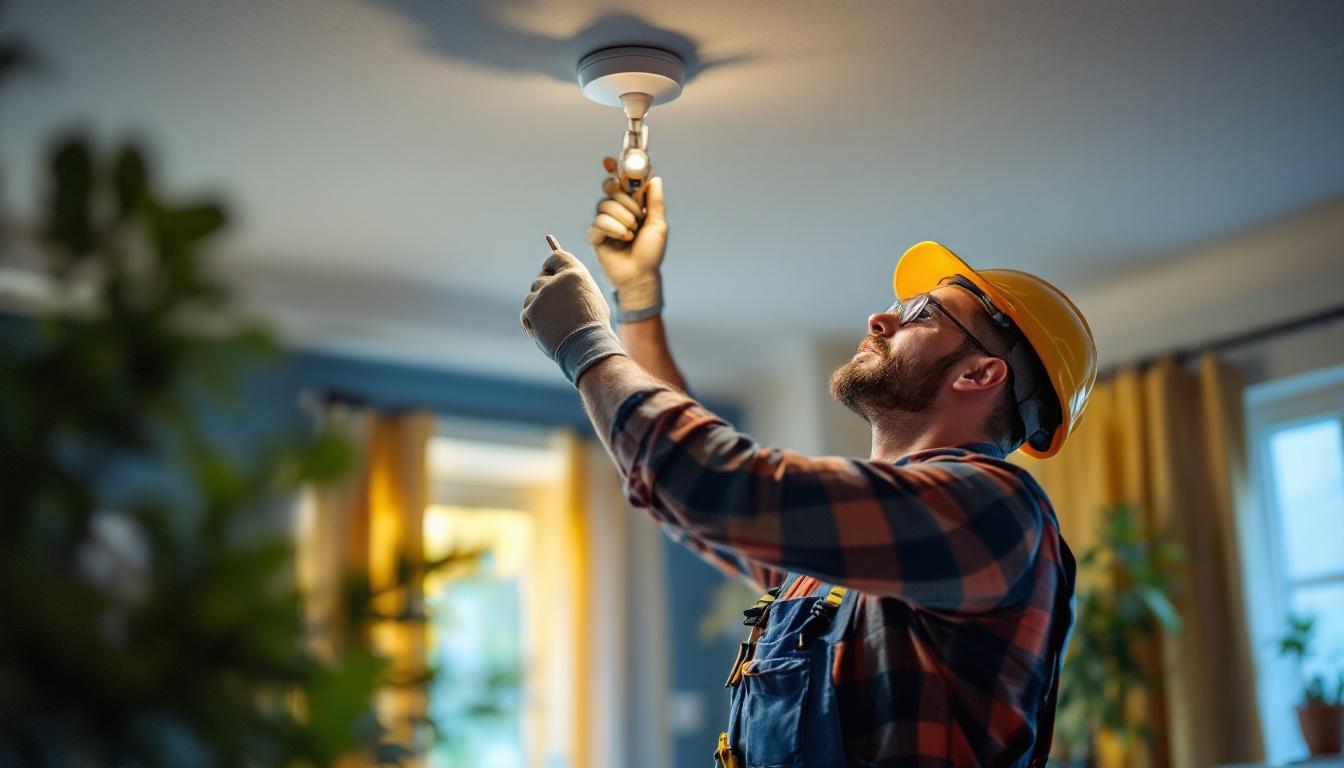
Understanding Ceiling Receptacles and Their Role in Lighting Installations
Ceiling receptacles are essential components in lighting systems, serving as the connection points for fixtures such as ceiling fans, chandeliers, and other overhead lighting devices. For lighting contractors, selecting and installing ceiling receptacles efficiently can significantly impact both project costs and long-term maintenance expenses.
These receptacles provide a standardized interface that simplifies fixture installation and replacement, ensuring safety and compliance with electrical codes. However, the choice of receptacle type, installation method, and materials can vary widely, affecting overall project budgets. The installation of ceiling receptacles also requires a thorough understanding of the electrical load that the fixtures will impose, which can vary based on the type and number of light sources used. Proper load calculations are crucial to ensure that the receptacles can handle the electrical demands without overheating or causing circuit failures.
The Importance of Standardization
Standardizing ceiling receptacle types across projects can streamline procurement and reduce inventory costs. For example, using a common receptacle model compatible with a broad range of fixtures minimizes the need for multiple part numbers and reduces the risk of ordering errors. This approach also facilitates faster installations, as crews become familiar with the product specifications and installation procedures. Additionally, standardization can enhance the overall aesthetic appeal of a project, as using uniform receptacles can create a cohesive look throughout a space, contributing to a more polished and professional finish.
Compliance and Safety Considerations
Adhering to local electrical codes and standards is non-negotiable. Ceiling receptacles must meet specific requirements for load capacity, grounding, and fire resistance. Investing upfront in compliant, high-quality receptacles can prevent costly rework, liability issues, and safety hazards down the line. Furthermore, it is essential to consider the environmental impact of the materials used in ceiling receptacles. Opting for eco-friendly and recyclable materials can not only align with sustainability goals but also appeal to clients who prioritize environmentally responsible practices. Regular inspections and maintenance of ceiling receptacles are also vital, as wear and tear can lead to decreased performance and potential safety risks, emphasizing the importance of choosing durable products that can withstand the test of time.
Cost-Saving Strategies in Ceiling Receptacle Selection
Lighting contractors can implement several strategies to optimize costs without compromising quality or safety. These include smart purchasing decisions, leveraging technology, and considering lifecycle costs.
Bulk Purchasing and Supplier Negotiations
Purchasing ceiling receptacles in bulk often results in significant discounts. Establishing strong relationships with suppliers can lead to preferential pricing and terms. Contractors should analyze their project pipeline to forecast quantities accurately, enabling efficient bulk orders that reduce per-unit costs.
Additionally, consolidating orders across multiple projects can increase bargaining power. Some suppliers may offer tiered pricing or rebates based on volume, which can be advantageous for contractors managing several concurrent jobs. Furthermore, exploring partnerships with other contractors for joint purchasing can amplify these benefits, allowing smaller firms to access the same discounts typically reserved for larger companies. This collaborative approach not only enhances savings but also fosters a sense of community within the industry.
Choosing Durable, Multi-Functional Receptacles
Investing in durable ceiling receptacles designed for various fixture types can reduce the need for multiple product lines. Multi-functional receptacles that accommodate different mounting styles or electrical configurations decrease complexity and inventory overhead.
Durability also translates to fewer replacements and repairs over time, lowering maintenance costs. Materials such as high-grade plastics and corrosion-resistant metals contribute to longer service life, especially in environments prone to moisture or temperature fluctuations. Additionally, receptacles with built-in surge protection can safeguard against power surges, further enhancing their longevity and reliability. By selecting products that offer these advanced features, contractors can ensure that their installations remain robust and functional, even in challenging conditions.
Evaluating Lifecycle Costs Versus Initial Price
While low-cost receptacles may appear attractive initially, they can incur higher costs due to failures, replacements, or non-compliance penalties. Lighting contractors should perform a total cost of ownership analysis, considering installation time, maintenance frequency, and potential downtime.
Opting for slightly higher-priced, reliable receptacles can yield savings over the project’s lifespan. This approach aligns with best practices in project management, where upfront investments prevent costly disruptions and enhance client satisfaction. Moreover, incorporating energy-efficient receptacles can lead to reduced energy consumption, further decreasing operational costs. As sustainability becomes increasingly important in construction, selecting energy-efficient options not only benefits the bottom line but also appeals to environmentally conscious clients, enhancing the contractor’s marketability and reputation.
Installation Techniques to Enhance Efficiency and Reduce Expenses
Beyond product selection, installation methods significantly influence labor costs and project timelines. Efficient techniques and tools can improve productivity and minimize errors.
Pre-Wiring and Modular Assemblies
Pre-wiring ceiling receptacles off-site or using modular assemblies can accelerate on-site installation. This method reduces labor hours and the likelihood of wiring mistakes, which can cause delays and rework.
Modular components also simplify troubleshooting and future upgrades, as standardized connections allow for quicker fixture swaps without extensive rewiring. This approach not only streamlines the installation process but also enhances the overall adaptability of electrical systems, making it easier to integrate new technologies or respond to evolving client needs. By employing modular assemblies, contractors can also maintain a more organized workspace, reducing clutter and minimizing the risk of accidents on-site.
Utilizing Advanced Tools and Technologies
Employing specialized tools such as wire strippers, crimpers, and voltage testers designed for ceiling receptacles enhances precision and safety. Additionally, digital documentation tools help track installation progress and ensure compliance with specifications.
Emerging technologies like augmented reality (AR) can assist technicians in visualizing wiring layouts and identifying potential issues before physical installation, reducing errors and material waste. Furthermore, the integration of Building Information Modeling (BIM) can facilitate a more collaborative approach among project stakeholders, allowing for real-time updates and adjustments. This not only improves communication but also ensures that all team members are aligned on project goals, leading to a more cohesive and efficient installation process.
Training and Skill Development
Investing in ongoing training for installation crews ensures familiarity with the latest receptacle models and installation best practices. Skilled technicians complete tasks faster and with higher quality, directly impacting labor costs and client satisfaction.
Moreover, fostering a culture of continuous learning encourages technicians to stay abreast of industry trends and innovations, which can lead to the adoption of new techniques that further enhance efficiency. Workshops and hands-on training sessions can also promote teamwork and problem-solving skills, enabling crews to tackle unexpected challenges more effectively. By prioritizing skill development, companies not only improve their operational efficiency but also empower their workforce, leading to higher morale and retention rates among employees.
Project Management and Planning for Cost Efficiency
Effective project management plays a pivotal role in controlling costs associated with ceiling receptacles. From initial design to final inspection, strategic planning can mitigate risks and optimize resource allocation.
Accurate Estimation and Budgeting
Detailed project estimates that incorporate ceiling receptacle quantities, types, and labor hours prevent budget overruns. Utilizing historical data and industry benchmarks improves accuracy, allowing contractors to allocate funds appropriately and avoid surprises.
Coordinating with Other Trades
Collaborating closely with electricians, architects, and general contractors ensures that ceiling receptacle placements align with overall building plans. Early coordination reduces the need for costly adjustments or retrofits.
For instance, confirming fixture specifications before installation prevents mismatches that could necessitate additional materials or labor.
Implementing Quality Control Measures
Regular inspections during installation help identify issues early, reducing rework and associated costs. Quality control protocols should include verifying receptacle mounting integrity, electrical connections, and compliance with safety standards.
Documenting these checks also supports warranty claims and client transparency.
Leveraging Energy Efficiency and Sustainability for Long-Term Savings
Incorporating energy-efficient practices and sustainable materials in ceiling receptacle installations can generate substantial cost savings over time, appealing to environmentally conscious clients and regulatory bodies.
Compatibility with LED and Smart Lighting Systems
Modern ceiling receptacles designed to support LED fixtures and smart lighting controls enable energy savings and enhanced functionality. LEDs consume significantly less power and have longer lifespans compared to traditional bulbs, reducing operational costs.
Smart receptacles that integrate with building management systems allow for automated lighting schedules and occupancy sensing, further lowering energy consumption.
Using Eco-Friendly Materials
Selecting receptacles made from recyclable or sustainably sourced materials aligns with green building standards such as LEED or WELL certifications. These choices can improve project marketability and may qualify for incentives or rebates.
Reducing Waste Through Precision Installation
Accurate measurements and careful handling during installation minimize material waste. Efficient inventory management also prevents over-ordering, reducing surplus stock that may become obsolete.
Case Studies: Real-World Applications of Cost-Saving Strategies
Examining practical examples illustrates how lighting contractors have successfully implemented cost-saving measures related to ceiling receptacles.
Multi-Unit Residential Development
A contractor working on a large apartment complex standardized ceiling receptacle models across all units, enabling bulk purchasing discounts and streamlined installation training. Pre-wired modular assemblies reduced labor time by 25%, and the use of durable, code-compliant receptacles minimized maintenance calls post-occupancy.
Commercial Office Renovation
In a commercial renovation project, close coordination with the design team ensured ceiling receptacles were compatible with new smart lighting fixtures. This foresight avoided costly retrofits and facilitated energy savings, contributing to the building’s sustainability goals.
Hospitality Industry Installation
A hotel chain prioritized lifecycle cost analysis when selecting ceiling receptacles, opting for premium models with corrosion-resistant materials suitable for humid environments. Though the initial investment was higher, the reduced need for replacements and repairs resulted in notable savings over time.
Conclusion: Maximizing Value Through Informed Ceiling Receptacle Choices
For lighting contractors, ceiling receptacles represent more than just a connection point—they are a critical factor in project cost management, safety, and client satisfaction. By understanding product options, adopting efficient installation techniques, and embracing strategic project management, contractors can achieve significant cost savings.
Balancing upfront expenses with long-term benefits, prioritizing compliance, and leveraging technology will position contractors to deliver high-quality lighting solutions that meet both budgetary and performance expectations. Ultimately, thoughtful ceiling receptacle selection and installation contribute to successful projects and sustainable business growth.
Get Your Premium Lighting Supplies at LumenWholesale
Ready to elevate your lighting installations with cost-effective, high-quality solutions? Look no further than LumenWholesale for all your ceiling receptacle needs. Our spec-grade lighting products are designed to meet the highest industry standards, ensuring reliability and performance for your projects. With unbeatable wholesale prices and the convenience of free shipping on bulk orders, you can maximize your value without compromising on quality. Discover wholesale lighting at the best value and join the community of contractors who choose LumenWholesale for superior products and exceptional service.