Understanding Track Lighting Systems
Track lighting has become a staple in both residential and commercial lighting design, offering versatility, style, and functionality. For lighting contractors, mastering the nuances of track light kits is essential to delivering exceptional results that meet client expectations and comply with safety standards.
At its core, a track lighting system consists of a track, which is mounted to ceilings or walls, and adjustable light fixtures that can be positioned anywhere along the track. This modular approach allows for customized lighting schemes that can highlight architectural features, artwork, or workspaces with precision.
Track lighting is favored for its flexibility and ease of installation, making it a popular choice in retail environments, galleries, kitchens, and offices. Understanding the components and configurations of track light kits is the first step toward providing expert service and advice to clients.
Components of Track Light Kits
A typical track light kit includes several key components: the track itself, light heads or fixtures, connectors, and a power feed. Tracks come in various lengths and finishes, typically aluminum or steel, designed to support the electrical conductors and fixtures.
Light heads vary widely in style and function, from spotlights and floodlights to pendant-style fixtures. Many kits offer adjustable heads that allow for directional lighting, which is crucial for task lighting or accentuating specific areas.
Connectors enable the extension or configuration of tracks in straight lines, L-shapes, T-shapes, or even custom layouts. Power feeds supply electricity to the track and can be mounted at different points depending on the installation requirements.
In addition to these core components, many track lighting systems also incorporate dimmers and smart technology options, allowing users to control brightness and even color temperature. This capability not only enhances the ambiance of a space but also contributes to energy efficiency by allowing users to adjust lighting based on the time of day or activity. Furthermore, the integration of smart home systems can enable voice control or app-based management, making track lighting even more user-friendly and adaptable to modern lifestyles.
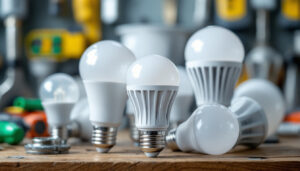
Another important aspect to consider is the type of bulbs used in track lighting systems. LED bulbs have gained immense popularity due to their longevity and energy efficiency compared to traditional incandescent or halogen bulbs. They come in various color temperatures, providing options from warm, inviting light to cooler, more focused illumination. This variety allows for greater creative expression in lighting design, enabling contractors to tailor solutions that fit the specific needs and aesthetic preferences of their clients.
Types of Track Lighting Systems
For contractors, knowing the differences between track lighting systems is vital for selecting the right kit for each project. The three primary types of track systems are H, J, and L tracks, each with distinct electrical and mechanical characteristics.
H-Type Track
The H-type track is one of the most common and widely used systems, characterized by its three-conductor design. This allows for multiple circuits on a single track, enabling different groups of fixtures to be controlled independently. This feature is particularly useful in commercial settings where lighting zones are required.
H-type tracks are compatible with a broad range of fixtures and accessories, making them a versatile choice. However, they require specific H-type heads and connectors to ensure proper electrical contact and safety. The flexibility of H-type systems also allows for easy reconfiguration, which is beneficial in spaces that undergo frequent changes in layout or purpose, such as galleries or retail environments. Additionally, many H-type systems support dimmable fixtures, providing further control over ambiance and energy consumption.
J-Type Track
J-type tracks are typically used in residential and light commercial applications. They feature a two-conductor system, which supports basic on/off control but lacks the multi-circuit flexibility of H-type tracks. J-type tracks are often favored for their simplicity and cost-effectiveness.
Fixtures and accessories designed for J-type tracks are not interchangeable with H or L systems, so contractors must ensure compatibility when specifying components. The straightforward design of J-type tracks makes them an excellent choice for DIY projects, as they are generally easier to install and require less technical knowledge. Furthermore, J-type systems often come in a variety of finishes and styles, allowing homeowners to match their lighting to their interior design preferences seamlessly. This adaptability makes J-type tracks a popular option for accent lighting in living rooms, kitchens, and home offices.
L-Type Track
L-type tracks are less common but offer a unique design that allows for a compact profile and easy installation. Like J-type, L-type tracks have two conductors and are mainly used in residential lighting applications where space and aesthetics are priorities.
Understanding these track types and their compatibility is crucial for contractors to avoid costly mistakes and ensure seamless installations. L-type tracks are particularly advantageous in situations where ceiling height is limited, as their slim design can blend unobtrusively into the environment. They are often used in modern or minimalist designs, where the lighting fixtures themselves serve as statement pieces. Additionally, L-type tracks can be combined with various light sources, including LED options, which not only enhance energy efficiency but also provide a range of color temperatures to suit different moods and settings. This versatility makes L-type tracks an appealing choice for homeowners looking to create a stylish yet functional lighting scheme.
Installation Best Practices for Lighting Contractors
Proper installation of track light kits is essential not only for aesthetic appeal but also for safety and functionality. Lighting contractors must adhere to electrical codes, manufacturer guidelines, and industry standards to deliver reliable and efficient lighting solutions.
Planning and Layout
Before installation, a thorough assessment of the space and client needs is necessary. This includes determining the track layout, fixture placement, and power source location. Contractors should consider ceiling height, room dimensions, and the purpose of the lighting to optimize placement.
Using software tools or detailed drawings can help visualize the lighting scheme and avoid on-site adjustments. Planning for future expansion or changes is also advisable, especially in commercial installations.
Electrical Considerations
Track lighting systems operate on low-voltage or line-voltage circuits, and contractors must verify compatibility with existing electrical infrastructure. Ensuring proper wiring, grounding, and circuit protection is critical to prevent hazards.
When installing multi-circuit tracks like the H-type, careful labeling and testing of circuits can prevent operational issues. Additionally, contractors should verify that the power feed and connectors are rated for the intended load and environment.
Mounting and Securing Tracks
Tracks must be securely mounted to support the weight of fixtures and withstand adjustments over time. Using appropriate anchors or fasteners for the mounting surface—whether drywall, wood, or concrete—is essential.
Contractors should also ensure that tracks are level and aligned to maintain a professional appearance and facilitate fixture installation. Proper spacing between tracks and other ceiling elements helps avoid interference and allows for optimal light distribution.
Choosing the Right Fixtures and Accessories
The selection of fixtures and accessories can significantly impact the effectiveness and aesthetics of a track lighting system. Lighting contractors must balance client preferences, functional requirements, and technical specifications.
Fixture Types and Beam Angles
Track lighting fixtures come in various styles, including spotlights, floods, pendants, and linear fixtures. Spotlights provide focused illumination ideal for accent lighting, while floodlights offer broader coverage suitable for ambient lighting.
Beam angles vary from narrow (around 15 degrees) to wide (up to 60 degrees or more), affecting how light is distributed. Contractors should select fixtures with beam angles that align with the lighting goals, such as highlighting artwork or illuminating work surfaces.
Dimming and Control Options
Modern track lighting systems often support dimming and integration with smart controls. Selecting dimmable fixtures and compatible drivers allows clients to adjust lighting levels for mood or energy savings.
Advanced control options, including wireless and app-based systems, can enhance user experience and provide flexibility. Contractors should ensure that all components in the track light kit are compatible with the chosen control technology.
Color Temperature and CRI
Color temperature, measured in Kelvins (K), influences the ambiance of a space. Warm white (2700K-3000K) creates a cozy atmosphere, while cool white (4000K-5000K) offers a more clinical or energetic feel. Contractors should advise clients on the best color temperature for their environment.
Color Rendering Index (CRI) indicates how accurately a light source reveals colors compared to natural light. Fixtures with a CRI of 80 or higher are recommended for most applications, with 90+ preferred for art galleries or retail spaces where color fidelity is critical.
Maintenance and Troubleshooting Tips
Ensuring the longevity and performance of track light kits requires regular maintenance and prompt troubleshooting. Lighting contractors play a key role in educating clients and providing ongoing support.
Routine Inspection and Cleaning
Dust and debris can accumulate on fixtures and tracks, reducing light output and potentially causing overheating. Regular cleaning with a soft cloth and appropriate cleaning agents helps maintain optimal performance.
Inspecting connections and mounting hardware ensures that all components remain secure and functional. Loose fixtures or connectors can lead to flickering or electrical hazards.
Common Issues and Solutions
Flickering lights, dimming failures, or non-functioning fixtures are common complaints. These issues often stem from loose connections, incompatible dimmers, or faulty components.
Contractors should systematically check the power feed, track continuity, and fixture contacts. Replacing defective parts with manufacturer-approved components helps maintain system integrity.
Upgrading and Expanding Systems
Clients may wish to upgrade to more energy-efficient LED fixtures or expand their track lighting as needs evolve. Contractors should assess the existing system’s capacity and compatibility before recommending upgrades.
Proper planning and installation of additional tracks or fixtures can enhance lighting without compromising safety or aesthetics.
Conclusion: Elevating Projects with Expert Track Lighting Knowledge
For lighting contractors, comprehensive knowledge of track light kits is indispensable. From understanding system types and components to mastering installation techniques and maintenance, expertise in track lighting ensures successful projects that satisfy clients and adhere to industry standards.
By staying informed about the latest technologies, control options, and design trends, contractors can offer innovative solutions that enhance spaces and elevate their professional reputation. Track lighting is more than just illumination—it’s a dynamic tool for creating ambiance, functionality, and visual impact.
Get Your Track Lighting Supplies at LumenWholesale
Ready to elevate your lighting projects with the expertise you’ve gained? Look no further than LumenWholesale for all your track light kit needs. Our spec-grade lighting products combine quality and affordability, ensuring you get the best value for your investment. With free shipping on bulk orders and no middleman markups, you can trust us to provide the high-performance lighting solutions your projects deserve. Take advantage of our extensive selection and experience the convenience of shopping with LumenWholesale. Wholesale Lighting at the Best Value is just a click away.