Understanding the Growing Demand for Small LED Light Strips
The lighting industry has witnessed a significant transformation with the advent of LED technology, particularly small LED light strips. These versatile lighting solutions have become increasingly popular in residential, commercial, and industrial settings due to their energy efficiency, flexibility, and aesthetic appeal. For lighting contractors, mastering the use of small LED light strips is not just about staying current—it’s about positioning themselves as experts in a rapidly evolving market.
Recent market analyses reveal that LED lighting accounts for a substantial portion of the global lighting market, with small LED strips driving a significant share of growth. Their compact size and adaptability make them ideal for a wide range of applications, from accent lighting in retail spaces to under-cabinet illumination in kitchens. For contractors, understanding these trends is crucial for capitalizing on new business opportunities.
Moreover, the technological advancements in LED light strips have led to the development of smart lighting solutions that can be controlled remotely via smartphones or voice-activated devices. This integration of smart technology not only enhances user convenience but also allows for customizable lighting scenarios that can adapt to different moods and activities. As consumers increasingly seek out smart home features, contractors who are knowledgeable about these innovations can offer tailored solutions that meet the evolving needs of their clients.
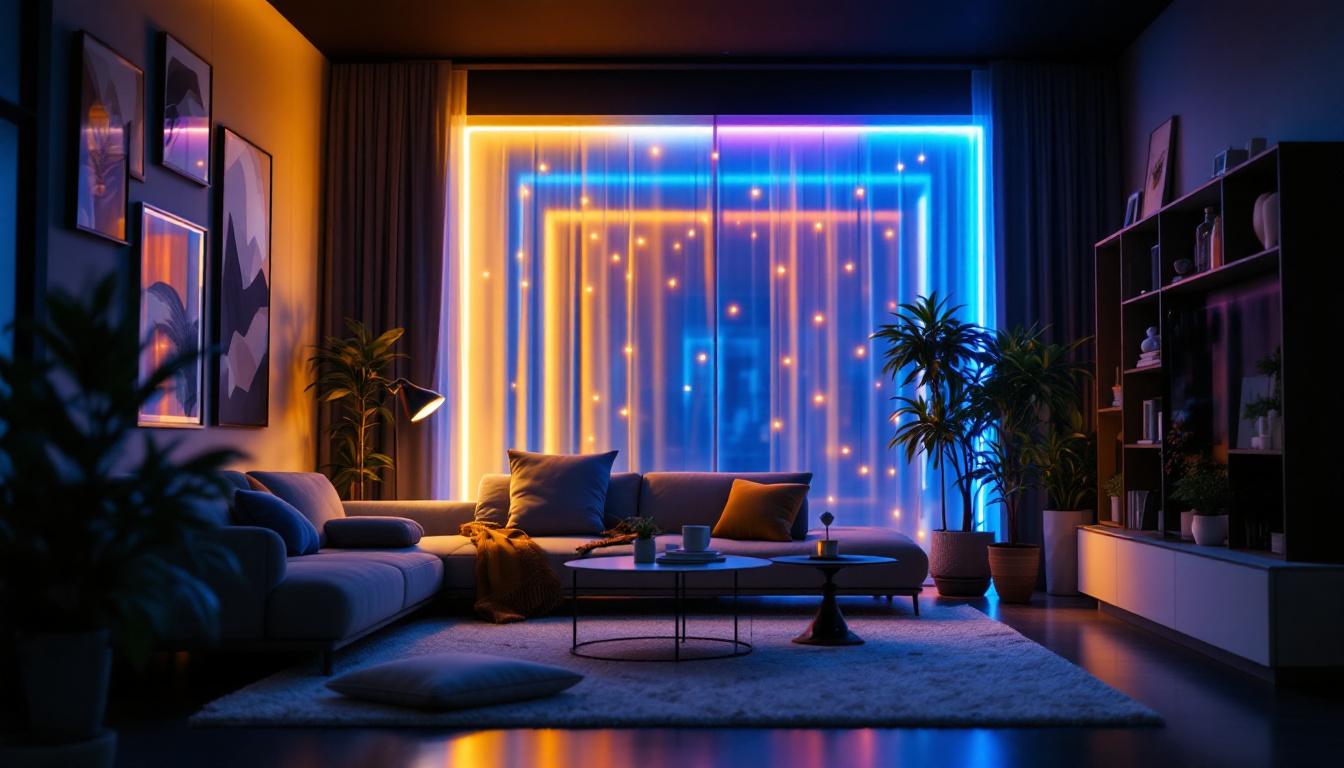
Additionally, the aesthetic versatility of small LED light strips cannot be overlooked. Available in a variety of colors and brightness levels, they can be used to create dynamic visual effects, making them a favorite choice for interior designers and homeowners alike. Whether it’s for creating a cozy atmosphere in a living room or adding a dramatic flair to a commercial display, the ability to manipulate light in such a flexible manner opens up a world of creative possibilities. Contractors who can showcase these applications effectively will not only enhance their portfolio but also attract a diverse clientele eager to explore the potential of LED lighting in their spaces.
Key Features and Benefits of Small LED Light Strips
Energy Efficiency and Longevity
One of the primary advantages of small LED light strips is their exceptional energy efficiency. Compared to traditional incandescent or fluorescent lighting, LEDs consume significantly less power, reducing operational costs for clients. This efficiency also translates into less heat generation, which can be a critical factor in sensitive installations. With the rising costs of energy, the ability to lower electricity bills while maintaining high-quality illumination makes LED light strips an attractive option for both residential and commercial applications.
Additionally, small LED strips boast impressive longevity, often lasting tens of thousands of hours before requiring replacement. This durability minimizes maintenance needs and enhances client satisfaction over time, making them a preferred choice for long-term projects. The extended lifespan of LED strips not only reduces the frequency of replacements but also contributes to a lower environmental impact, as fewer materials are consumed and less waste is generated over time.
Flexibility and Customization
The physical flexibility of small LED strips allows contractors to install lighting in areas where traditional fixtures are impractical. Their slim profile enables placement in tight spaces, around curves, and along architectural details, providing creative lighting solutions that enhance ambiance and functionality. This adaptability is particularly beneficial in unique architectural designs or in spaces that require innovative lighting solutions, such as under cabinets, along staircases, or within furniture.
Moreover, many LED strips offer customizable color temperatures and RGB capabilities, allowing for dynamic lighting effects that can be tailored to client preferences. This versatility opens doors for contractors to deliver bespoke lighting designs that stand out in competitive markets. The ability to change colors and brightness levels can transform a space instantly, making it suitable for different occasions—from cozy, warm lighting for intimate gatherings to bright, vibrant hues for lively events. Furthermore, with the integration of smart technology, users can control their lighting through mobile apps or voice commands, adding another layer of convenience and modernity to their lighting solutions.
Technical Considerations for Installation and Integration
Power Supply and Voltage Requirements
Understanding the electrical specifications of small LED light strips is essential for safe and effective installation. Most LED strips operate on low voltage DC power, commonly 12V or 24V, which requires appropriate transformers or power supplies. Selecting the correct power supply ensures consistent brightness and prevents premature failure.
Lighting contractors must also consider the total wattage of the LED strips being installed to avoid overloading circuits. Proper load calculations and adherence to electrical codes are critical to maintaining safety standards and ensuring system reliability. Additionally, it is advisable to factor in potential future expansions when determining power supply capacity. By allowing for additional strips or features, contractors can save clients from the hassle of future upgrades and ensure that the initial installation is scalable.
Connectivity and Control Systems
Modern small LED light strips often integrate with advanced control systems, including dimmers, timers, and smart home automation platforms. Contractors should be proficient in installing and configuring these controls to meet client demands for convenience and energy management.
Familiarity with wireless protocols such as Zigbee, Z-Wave, or Wi-Fi is increasingly important, as many clients seek seamless integration with voice assistants and mobile apps. Mastery of these technologies enhances a contractor’s ability to deliver comprehensive lighting solutions. Furthermore, understanding the nuances of various control systems allows contractors to recommend the most suitable options based on the specific needs of the client’s environment, whether it be for mood lighting in a residential setting or for functional illumination in a commercial space. This tailored approach not only improves user experience but also optimizes energy consumption, aligning with the growing trend of sustainability in lighting design.
Best Practices for Installation and Maintenance
Surface Preparation and Mounting Techniques
Proper surface preparation is vital to ensure the longevity and performance of small LED light strips. Surfaces should be clean, dry, and smooth to maximize adhesive effectiveness. In some cases, mechanical fasteners or mounting channels may be necessary for secure attachment, especially in environments subject to vibration or temperature fluctuations. Additionally, it’s essential to consider the type of surface being used; for instance, porous materials may require a primer to enhance adhesion, while glossy surfaces might benefit from a light sanding to create a better grip for the adhesive.
Contractors should also plan the layout carefully to avoid visible seams or uneven lighting. Using corner connectors and flexible strips can help achieve a seamless appearance, enhancing the overall aesthetic. Furthermore, incorporating dimmers or smart controls can allow for customizable lighting effects, adding versatility to the installation. This not only enhances the visual appeal but also provides functional benefits, allowing users to adjust the ambiance according to their needs, whether for a cozy evening or a vibrant gathering.
Heat Management and Ventilation
Although LED strips generate less heat than traditional lighting, heat dissipation remains a critical factor in maintaining performance and lifespan. Installing LED strips on heat-conductive surfaces such as aluminum channels can help manage thermal buildup. These channels not only assist in heat management but also provide a sleek, professional finish to the installation, making them an attractive option for both residential and commercial applications. Moreover, using LED strips with built-in thermal management features can further enhance safety and efficiency.
Ensuring adequate ventilation around the installation area prevents overheating and potential damage. Lighting contractors should educate clients on the importance of these measures to avoid future issues. This can include recommendations for spacing between strips and surrounding fixtures, as well as the use of fans or vents in enclosed spaces. By proactively addressing heat management, contractors can help extend the lifespan of the lighting system and ensure consistent performance over time.
Routine Inspection and Troubleshooting
Regular maintenance checks can identify potential problems before they escalate. Contractors should advise clients to inspect connections, power supplies, and control systems periodically. Common issues include loose wiring, power supply failures, and moisture ingress in non-waterproof strips. Additionally, it’s beneficial to keep a log of maintenance activities and any issues encountered, as this can help in diagnosing recurring problems and streamline future troubleshooting efforts.
Having a systematic approach to troubleshooting allows contractors to provide prompt service, reinforcing their reputation for reliability and expertise. This may involve training clients on basic troubleshooting techniques, such as checking circuit breakers or replacing fuses, which can empower them to resolve minor issues independently. Furthermore, offering a maintenance contract can ensure that clients receive regular professional inspections, thereby enhancing the longevity of their lighting systems and fostering long-term client relationships.
Leveraging Small LED Light Strips for Business Growth
Expanding Service Offerings
By mastering small LED light strips, lighting contractors can diversify their service portfolio. This expertise enables them to offer innovative lighting solutions such as mood lighting, accent lighting, and energy-efficient upgrades. These services appeal to a broad client base, from homeowners seeking modern aesthetics to businesses aiming to reduce energy costs.
Offering design consultations that incorporate LED strip lighting can differentiate contractors in a competitive market, attracting clients who value creativity and technical proficiency.
Training and Certification Opportunities
Investing in specialized training and certifications related to LED technology and smart lighting systems enhances a contractor’s credibility. Many manufacturers and industry organizations provide courses that cover installation best practices, safety standards, and emerging technologies.
Staying informed about the latest advancements allows contractors to advise clients accurately and implement cutting-edge solutions, fostering trust and long-term relationships.
Marketing Strategies for LED Lighting Services
Effective marketing is essential to communicate the benefits of small LED light strips to potential clients. Highlighting energy savings, design flexibility, and smart control features in promotional materials can capture interest. Showcasing completed projects with high-quality images and client testimonials builds confidence in a contractor’s capabilities.
Utilizing digital platforms such as social media, websites, and online directories increases visibility. Engaging content that educates clients about LED lighting advantages further positions contractors as industry leaders.
Conclusion: Embracing the Future of Lighting with Small LED Strips
Small LED light strips represent a powerful tool for lighting contractors aiming to excel in a dynamic industry. Their energy efficiency, adaptability, and integration with smart technologies offer numerous benefits that meet modern client expectations. By gaining technical expertise, adopting best installation practices, and leveraging marketing opportunities, contractors can master the use of small LED strips and drive business growth.
As lighting demands continue to evolve, those who embrace these innovations will be well-positioned to deliver exceptional value and stand out in the competitive landscape.
Get Your Premium LED Light Strips at LumenWholesale
Ready to elevate your lighting projects with the efficiency and versatility of small LED light strips? LumenWholesale is here to support your journey to becoming a master in innovative lighting solutions. We offer an extensive selection of spec-grade lighting products that meet the highest industry standards, all at unbeatable wholesale prices. Say goodbye to inflated markups and hello to reliable, high-performance lighting that will impress your clients and enhance your portfolio. Plus, with free shipping on bulk orders, you can stock up on premium lighting without the worry of hidden fees. Take advantage of the perfect blend of quality, affordability, and convenience. Visit LumenWholesale today for Wholesale Lighting at the Best Value and start transforming spaces with confidence.