Understanding the Advantages of LED Can Lights for Outdoor Applications
Outdoor lighting plays a crucial role in enhancing safety, security, and aesthetics around residential and commercial properties. LED can lights, also known as recessed lights, have become a preferred choice among lighting contractors for outdoor installations due to their energy efficiency, durability, and versatility.
Compared to traditional incandescent or halogen fixtures, LED can lights consume significantly less energy—often using up to 75% less electricity—while providing equivalent or superior illumination. This efficiency translates into lower operational costs and a reduced environmental footprint, which is increasingly important for clients seeking sustainable lighting solutions.
Moreover, LED can lights boast an impressive lifespan, frequently exceeding 50,000 hours of use. This longevity minimizes maintenance requirements, a critical factor for outdoor installations where fixture access can be challenging. Their compact form factor allows for discreet integration into soffits, eaves, and overhangs, preserving architectural integrity while delivering targeted illumination.
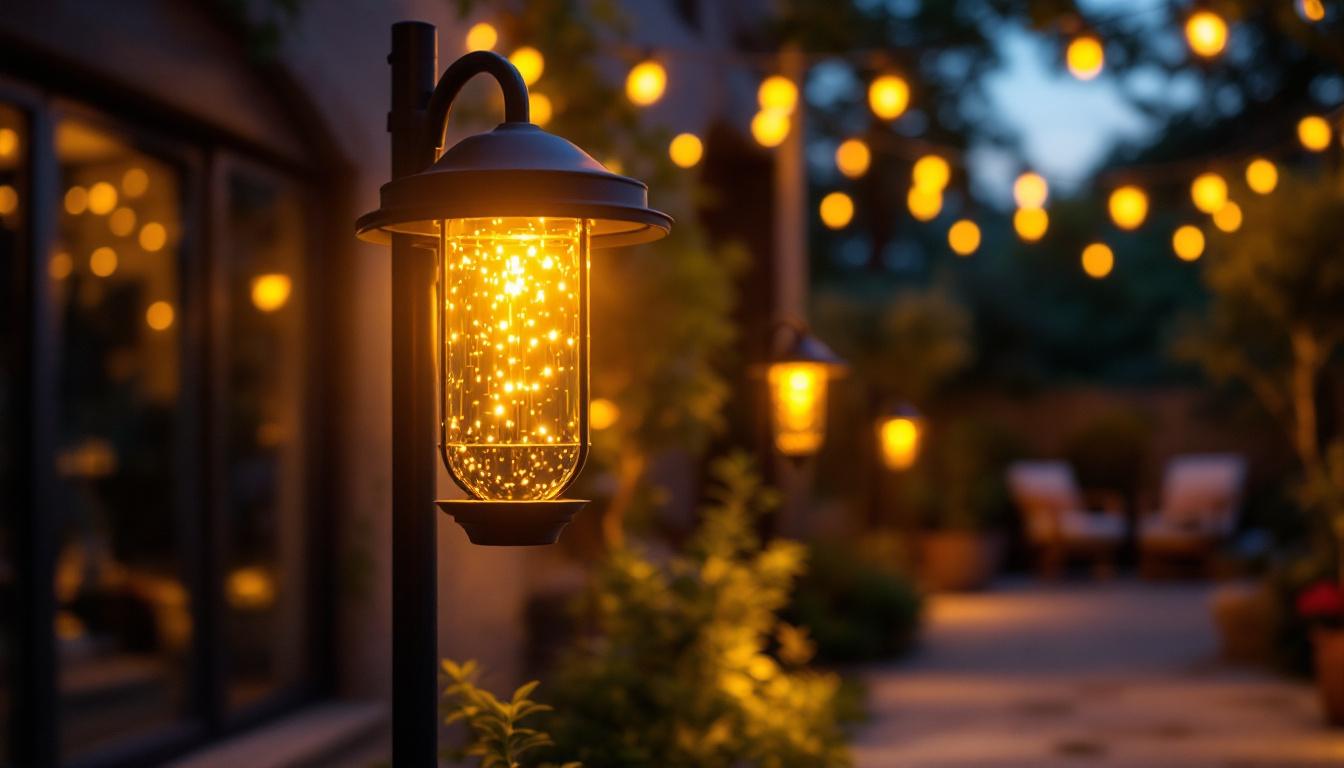
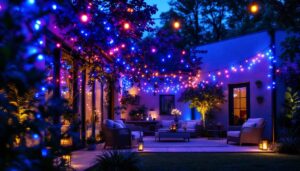
In addition to their energy-saving benefits, LED can lights are available in a variety of color temperatures, allowing property owners to customize the ambiance of their outdoor spaces. From warm white tones that create a cozy atmosphere for patios and gardens to cooler daylight hues that enhance visibility and security along pathways and driveways, the flexibility of LED lighting can cater to diverse aesthetic preferences and functional needs. This adaptability makes them suitable for various outdoor settings, from residential backyards to commercial landscapes.
Furthermore, many LED can lights are now equipped with smart technology, enabling users to control their lighting remotely via smartphones or home automation systems. This feature not only adds convenience but also enhances security by allowing homeowners to schedule lighting or turn it on and off from anywhere, simulating occupancy when they are away. The integration of smart technology with LED can lights represents a significant advancement in outdoor lighting, providing both peace of mind and energy savings for modern property owners.
Key Considerations for Selecting LED Can Lights for Outdoor Use
Weatherproofing and Durability
One of the foremost considerations for outdoor LED can lights is their ability to withstand environmental elements such as rain, snow, humidity, and temperature fluctuations. Lighting contractors prioritize fixtures with a high Ingress Protection (IP) rating—typically IP65 or higher—to ensure resistance to water and dust ingress.
Materials used in the construction of the can housing and trim are equally important. Corrosion-resistant metals like aluminum or stainless steel, combined with UV-stabilized plastics, help maintain fixture integrity and appearance over time. Selecting fixtures specifically rated for wet or damp locations is essential to prevent premature failure and safety hazards. Additionally, it’s wise to consider the impact of extreme temperatures on LED performance; some models are designed to operate efficiently in both high heat and freezing conditions, ensuring consistent lighting year-round.
Furthermore, the choice of lens material can also affect durability. Polycarbonate lenses, for example, are known for their impact resistance, making them suitable for areas prone to vandalism or accidental damage. This added layer of protection not only extends the life of the fixtures but also reduces maintenance costs associated with replacements or repairs.
Light Output and Beam Angle
Outdoor lighting demands vary widely depending on the intended application—whether it’s illuminating pathways, accentuating landscaping, or providing security lighting. Contractors must carefully evaluate the lumen output and beam angle of LED can lights to achieve the desired effect.
For example, narrow beam angles (15° to 30°) are ideal for spotlighting architectural features or trees, while wider angles (60° to 120°) offer more diffuse lighting suitable for general area illumination. Balancing brightness and beam spread ensures efficient coverage without excessive glare or light pollution. In addition, the use of adjustable fixtures can provide versatility, allowing users to modify the direction and focus of the light as needed, which is particularly beneficial in dynamic outdoor environments where lighting needs may change over time.
Moreover, it’s essential to consider the spacing of fixtures when planning outdoor lighting layouts. Properly calculated spacing can prevent dark spots and ensure uniform light distribution, which enhances safety and aesthetics. Utilizing photometric data can assist in determining the optimal placement and quantity of fixtures required for specific outdoor areas.
Color Temperature and CRI
Color temperature significantly influences the ambiance of outdoor spaces. Warm white tones (2700K to 3000K) create inviting, cozy environments, often preferred for residential settings. Cooler temperatures (4000K to 5000K) provide crisp, daylight-like illumination favored for commercial or security purposes.
Additionally, a high Color Rendering Index (CRI) of 80 or above is recommended to accurately render colors under LED lighting. This is particularly important when highlighting landscaping or architectural details where color fidelity enhances visual appeal. A higher CRI not only improves the visibility of colors but also contributes to a more vibrant and lively atmosphere, making outdoor gatherings more enjoyable.
It’s also worth noting that some LED fixtures offer adjustable color temperatures, allowing users to switch between warm and cool settings based on the time of day or specific events. This adaptability can transform an outdoor space from a relaxing evening retreat to a bright and inviting area for social gatherings, showcasing the versatility of modern LED technology in enhancing outdoor experiences.
Installation Best Practices for Outdoor LED Can Lights
Proper Housing and Mounting Techniques
Ensuring correct installation is paramount to the performance and longevity of outdoor LED can lights. Contractors should use housings specifically designed for outdoor use, which often include sealed or gasketed components to prevent moisture intrusion.
Mounting the fixtures securely within soffits or eaves requires attention to spacing and alignment to achieve uniform lighting coverage. It is advisable to follow manufacturer guidelines regarding minimum clearances from insulation and combustible materials to avoid overheating risks.
Wiring and Electrical Safety
Outdoor lighting circuits must comply with local electrical codes and standards, including the National Electrical Code (NEC) requirements for wet locations. Using weatherproof junction boxes, conduit, and connectors helps protect wiring from moisture and physical damage.
Lighting contractors often employ low-voltage LED drivers or transformers when integrating with existing systems, which can simplify wiring and enhance safety. Ground-fault circuit interrupters (GFCIs) are also recommended to prevent electrical shock hazards in damp environments.
Incorporating Controls and Automation
Integrating controls such as motion sensors, photocells, and smart lighting systems can optimize energy usage and enhance security. Motion-activated LED can lights provide illumination only when needed, reducing unnecessary power consumption and extending fixture life.
Photocells automatically turn lights on at dusk and off at dawn, ensuring consistent operation without manual intervention. Smart lighting platforms allow for remote control and scheduling, which can be particularly beneficial for commercial properties or large residential estates.
Common Challenges and Solutions in Outdoor LED Can Light Projects
Addressing Heat Dissipation
Although LEDs generate less heat than traditional bulbs, heat management remains critical to maintain performance and lifespan. Outdoor LED can lights installed in enclosed housings or insulated spaces can experience elevated temperatures, potentially leading to premature failure.
Contractors mitigate this by selecting fixtures with integrated heat sinks and ensuring adequate ventilation around the housing. Using thermal interface materials and avoiding overdriving LEDs beyond their rated current also helps maintain optimal operating temperatures.
Preventing Moisture and Condensation Issues
Moisture infiltration is a leading cause of outdoor fixture malfunction. Even with high IP ratings, condensation can form inside fixtures due to temperature differentials between interior and exterior environments.
To combat this, contractors recommend installing fixtures with vented housings that allow moisture to escape while preventing water entry. Applying silicone sealants around trim edges and using desiccant packets inside housings can further reduce condensation risks.
Managing Light Pollution and Compliance
Excessive or poorly directed outdoor lighting can contribute to light pollution, impacting neighbors and local ecosystems. Many municipalities have ordinances regulating outdoor lighting intensity, direction, and timing.
Lighting contractors should design LED can light layouts that minimize upward light spill and glare by using shielded trims and appropriate beam angles. Employing dimmers and timers ensures lighting is used only when necessary, aligning with both client preferences and regulatory requirements.
Emerging Trends and Innovations in Outdoor LED Can Lighting
Integration with Smart Home and Building Automation Systems
The growing adoption of Internet of Things (IoT) technology has transformed outdoor lighting into an intelligent system component. Modern LED can lights can be integrated with smart hubs, enabling voice control, adaptive lighting scenes, and energy usage monitoring.
This level of control enhances user convenience and allows for data-driven maintenance planning, reducing downtime and operational costs. Lighting contractors are increasingly partnering with technology providers to offer turnkey smart lighting solutions tailored to client needs.
Advancements in LED Chip and Driver Technology
Continuous improvements in LED chip efficiency and driver electronics have resulted in brighter, more reliable outdoor can lights with lower power consumption. Flicker-free drivers and enhanced thermal management contribute to superior light quality and fixture longevity.
Some manufacturers now offer tunable white LED can lights that allow users to adjust color temperature dynamically, providing greater flexibility for different times of day or activities. These innovations enable contractors to deliver more customized and future-proof lighting installations.
Sustainable and Eco-Friendly Lighting Solutions
Environmental considerations are driving demand for lighting products that use recyclable materials and minimize hazardous substances. LED can lights with certifications such as ENERGY STAR and DesignLights Consortium (DLC) ensure compliance with stringent energy efficiency and environmental standards.
Contractors are also exploring solar-powered LED can lights for remote or off-grid applications, reducing reliance on conventional power sources and further lowering carbon footprints. These sustainable options appeal to eco-conscious clients and align with broader green building initiatives.
Conclusion: Best Practices for Lighting Contractors Installing Outdoor LED Can Lights
LED can lights have revolutionized outdoor lighting by offering energy-efficient, durable, and versatile solutions that meet diverse client needs. For lighting contractors, success hinges on selecting the right fixtures, adhering to rigorous installation standards, and incorporating intelligent controls.
Understanding the nuances of outdoor environments—from weather exposure to regulatory compliance—ensures installations deliver optimal performance and longevity. Staying abreast of technological advancements and sustainability trends empowers contractors to provide innovative, cost-effective lighting solutions that enhance safety, aesthetics, and energy savings.
By applying these top strategies, lighting contractors can confidently design and implement outdoor LED can lighting projects that satisfy both functional requirements and client expectations, establishing themselves as trusted experts in the competitive lighting industry.
Illuminate Your Projects with LumenWholesale
Ready to elevate your outdoor lighting installations with the most efficient, durable, and cost-effective LED can lights on the market? Look no further than LumenWholesale, where we specialize in providing contractors with spec-grade lighting products at unbeatable wholesale prices. Say goodbye to local distributor markups and hello to our extensive selection that meets the highest industry standards. With free shipping on bulk orders, you can trust LumenWholesale to supply premium lighting solutions that blend quality with affordability and convenience. Don’t compromise on your lighting needs—choose LumenWholesale for Wholesale Lighting at the Best Value and make your next project shine.