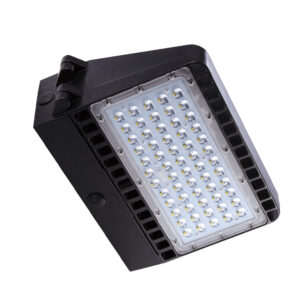
Introduction to Solarpath Lighting
Solarpath lighting represents a transformative approach to outdoor illumination, harnessing solar energy to provide sustainable, efficient, and cost-effective lighting solutions. For lighting contractors, understanding the science and technology behind solarpath lighting is essential to effectively design, install, and maintain these systems, ensuring optimal performance and client satisfaction.
As the demand for eco-friendly lighting solutions grows, solarpath lighting has emerged as a popular choice for pathways, gardens, parks, and commercial spaces. This article explores the fundamental principles, components, and practical considerations lighting contractors need to master when working with solarpath lighting systems.
At the heart of solarpath lighting systems are photovoltaic cells, which convert sunlight into electricity. These cells are typically made from silicon and are designed to capture sunlight efficiently throughout the day. The energy harvested is stored in batteries, allowing the lights to operate even during the night or on cloudy days. This innovative technology not only reduces reliance on traditional power sources but also minimizes the carbon footprint associated with outdoor lighting. Moreover, advancements in LED technology have significantly enhanced the brightness and longevity of solarpath lights, making them a reliable choice for various applications.
In addition to their environmental benefits, solarpath lighting systems offer a range of design options that can complement any outdoor aesthetic. From sleek, modern fixtures to more traditional lantern styles, these lights can be integrated seamlessly into different landscapes. Lighting contractors must also consider factors such as light intensity, color temperature, and beam angle to create the desired ambiance and ensure safety along walkways and in public spaces. Furthermore, with the integration of smart technology, some solarpath lighting systems now come equipped with motion sensors and timers, allowing for even greater energy efficiency and security. Understanding these features will enable contractors to provide tailored solutions that meet the unique needs of their clients while promoting sustainability.
The Science of Solarpath Lighting
Photovoltaic Technology: The Heart of Solarpath Lighting
At the core of solarpath lighting is photovoltaic (PV) technology, which converts sunlight into electrical energy. Solar panels composed of semiconductor materials, typically silicon, absorb photons from sunlight, exciting electrons and generating an electrical current. This direct current (DC) electricity is then stored or used to power LED lights along the pathway.
Understanding the efficiency and characteristics of PV cells is crucial for lighting contractors. The efficiency of solar panels affects how much energy can be harvested during daylight hours, directly influencing the brightness and duration of the lighting at night. Factors such as panel orientation, shading, and local climate conditions must be considered during installation to maximize energy capture. Additionally, advancements in PV technology, such as bifacial panels that capture sunlight from both sides, are becoming increasingly popular. These innovations can significantly enhance energy output, particularly in environments where reflected sunlight is abundant, such as near water bodies or light-colored surfaces.
Energy Storage: Batteries and Power Management
Solarpath lighting systems rely on rechargeable batteries to store the electrical energy generated during the day for use after sunset. Most systems use lithium-ion or sealed lead-acid batteries, each with distinct advantages regarding lifespan, maintenance, and cost.
Lighting contractors must understand battery specifications, including capacity (measured in ampere-hours), depth of discharge, and charging cycles, to select the appropriate battery for a given installation. Proper battery management ensures consistent lighting performance and extends the system’s operational life. Furthermore, integrating smart battery management systems can optimize charging and discharging processes, enhancing efficiency. These systems can also provide real-time monitoring, allowing contractors to diagnose issues remotely and ensure that the lighting remains reliable throughout the night, even during prolonged cloudy days.
Light Emitting Diodes (LEDs) and Efficiency
LED technology is integral to solarpath lighting due to its high luminous efficacy, low power consumption, and long lifespan. LEDs convert electrical energy into light with minimal heat loss, making them ideal for battery-powered applications.
Contractors should be familiar with LED specifications such as color temperature, lumens output, and beam angle to tailor lighting designs to client needs. For example, warmer color temperatures may be preferred in residential settings for ambiance, while cooler temperatures might be used in commercial environments for visibility and safety. Moreover, the ability to dim LEDs or adjust their brightness based on ambient light levels can further enhance energy efficiency and prolong battery life. This adaptive lighting approach not only improves the user experience but also aligns with sustainable practices by reducing energy waste during periods of low foot traffic.
Design Considerations for Lighting Contractors
Site Assessment and Solar Access
Effective solarpath lighting design begins with a thorough site assessment. Contractors must evaluate solar access—how much direct sunlight the location receives throughout the day. Trees, buildings, and other obstructions can significantly reduce solar panel efficiency.
Using tools like solar pathfinders or mobile apps that simulate sunlight exposure can help contractors plan optimal panel placement. Ensuring unobstructed sunlight maximizes energy generation, reducing the risk of dim or non-functional lighting during nighttime hours. Additionally, understanding seasonal variations in sunlight can further refine the design, allowing contractors to anticipate changes in solar access throughout the year. This foresight can lead to more resilient installations that perform consistently, regardless of seasonal shifts.
System Sizing and Load Calculation
Determining the correct system size involves calculating the total energy load, which depends on the number of lights, their power consumption, and desired operating hours. Lighting contractors must balance energy generation, storage capacity, and consumption to avoid underpowered or over-engineered systems.
For example, a pathway requiring 20 LED fixtures operating for 8 hours each night will demand a larger solar panel and battery bank than a smaller installation. Accurate load calculations help optimize component selection, ensuring reliability and cost-efficiency. Furthermore, contractors should also consider potential future expansions, such as adding more lights or integrating smart technology, which may require additional energy. Planning for scalability not only enhances the project’s longevity but also provides clients with flexibility for future upgrades.
Installation Best Practices
Proper installation is critical for the longevity and performance of solarpath lighting systems. Contractors should ensure solar panels are mounted at the correct tilt angle relative to the latitude to maximize sunlight absorption. Secure mounting prevents damage from wind or vandalism.
Wiring and connections must be weatherproof and corrosion-resistant, as outdoor environments expose components to moisture and temperature fluctuations. Additionally, positioning LEDs to provide uniform illumination along the pathway enhances safety and aesthetic appeal. It’s also beneficial to incorporate motion sensors or dimming capabilities, which can further optimize energy use and extend battery life. By understanding the specific needs of the environment and the end-users, contractors can create a lighting solution that not only meets functional requirements but also enhances the overall experience of the space.
Maintenance and Troubleshooting
Routine Maintenance for Longevity
While solarpath lighting systems are generally low maintenance, periodic upkeep is necessary to maintain optimal performance. Cleaning solar panels to remove dust, dirt, and debris ensures maximum light absorption. Inspecting batteries for signs of wear or leakage and replacing them when capacity diminishes is also important. Additionally, it is beneficial to check the positioning of solar panels regularly; over time, trees or other structures may grow and cast shadows, reducing the efficiency of the solar charging process. Adjusting the angle or location of the panels can significantly enhance their performance, ensuring they receive adequate sunlight throughout the day.
Lighting contractors should educate clients on maintenance schedules and provide service options to extend system life and reliability. Offering a seasonal maintenance package can encourage clients to stay proactive about their systems, which can include thorough inspections, cleaning sessions, and performance assessments. This not only helps in identifying potential issues before they escalate but also fosters a sense of trust and partnership between contractors and clients.
Common Issues and Solutions
Lighting contractors often encounter issues such as dim lights, flickering, or complete outages. These problems can stem from battery degradation, insufficient solar charging, faulty wiring, or damaged LEDs. In some cases, environmental factors such as extreme weather conditions can also impact the performance of solarpath lighting systems. For instance, heavy snowfall can cover solar panels, while high winds may dislodge them from their optimal position. Understanding these external influences is crucial for effective troubleshooting and maintenance.
Systematic troubleshooting involves checking battery voltage, verifying solar panel output, inspecting connections, and testing LED functionality. Using multimeters and specialized diagnostic tools can expedite problem identification, enabling timely repairs. Furthermore, documenting each issue and the corresponding solutions can create a valuable reference for future maintenance. This log can help contractors recognize patterns in failures, allowing them to make informed recommendations to clients about upgrades or replacements that could enhance system reliability and efficiency over time.
Emerging Trends and Innovations in Solarpath Lighting
Smart Controls and Connectivity
Advancements in smart technology are influencing solarpath lighting, with systems increasingly incorporating sensors, timers, and wireless connectivity. Motion sensors can activate lights only when pedestrians are present, conserving energy and extending battery life.
Remote monitoring via mobile apps allows contractors and clients to track system performance, receive alerts for maintenance needs, and adjust settings remotely, enhancing convenience and operational efficiency.
Improved Materials and Durability
Innovations in materials science are leading to more durable solar panels and batteries that withstand harsh environmental conditions. Enhanced encapsulation techniques protect PV cells from moisture and UV degradation, while solid-state batteries promise longer lifespans and safer operation.
For lighting contractors, staying informed about these advancements enables the recommendation of cutting-edge solutions that offer superior performance and client satisfaction.
Conclusion: The Role of Lighting Contractors in Solarpath Lighting Adoption
Solarpath lighting embodies a convergence of renewable energy technology and modern lighting design, offering sustainable solutions that meet growing environmental and economic demands. For lighting contractors, mastering the science behind these systems is not just a technical necessity but a strategic advantage.
By understanding photovoltaic principles, energy storage, LED technology, and best practices in design and maintenance, contractors can deliver high-quality installations that maximize efficiency and reliability. Embracing emerging trends further positions contractors as leaders in the evolving lighting industry, driving the adoption of green technologies and enhancing outdoor spaces worldwide.
Illuminate Your Projects with LumenWholesale
Ready to elevate your lighting installations with the cutting-edge technology of solarpath lighting? At LumenWholesale, we provide lighting contractors like you with the highest quality, spec-grade lighting products at unbeatable wholesale prices. Say goodbye to local distributor markups and hello to superior lighting solutions that meet the strictest industry standards. With our hassle-free bulk buying and free shipping, you can trust that you’re getting premium lighting at the best value — all without hidden fees or compromises. Enhance your outdoor spaces with the perfect blend of quality, affordability, and convenience. Visit LumenWholesale today and discover how we can help you lead the way in sustainable lighting excellence.