Understanding the Unique Challenges of Basement Lighting
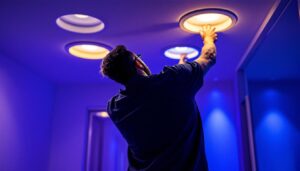
Basements present a distinct set of challenges for lighting contractors. Unlike above-ground rooms, basements often have limited natural light, lower ceiling heights, and unique moisture or temperature conditions. These factors make the selection and installation of ceiling lamps a critical task that requires careful planning and expertise.
Lighting contractors must consider these environmental constraints to ensure the lighting not only illuminates effectively but also enhances the basement’s functionality and ambiance. Proper basement lighting can transform a dark, uninviting space into a comfortable, usable area, whether it’s a family room, home office, or entertainment zone. The right lighting can also highlight architectural features, such as exposed beams or brick walls, adding character and depth to the space.
Why Basement Lighting Demands Special Attention
Basements typically lack windows or have small, high-set windows that provide minimal daylight. This means artificial lighting becomes the primary source of illumination. Additionally, basements often have lower ceilings, which restrict the types of fixtures that can be installed without making the space feel cramped.
Moreover, basements are prone to higher humidity levels and occasional moisture intrusion. This requires lighting fixtures that are rated for damp or wet locations to ensure safety and longevity. Understanding these factors is essential for lighting contractors aiming to deliver durable, effective basement lighting solutions. In addition to moisture considerations, contractors should also be aware of the potential for temperature fluctuations in basements, which can affect the performance of certain lighting technologies. For instance, LED lights are often recommended due to their energy efficiency and ability to perform well in cooler environments, making them an ideal choice for basement applications.
Furthermore, the layout of the basement can significantly influence lighting design. Open floor plans may benefit from a combination of recessed lighting and track lighting to create a versatile and inviting atmosphere, while more segmented spaces might require a mix of ambient and task lighting to ensure each area is well-lit for its specific purpose. By strategically placing fixtures and using dimmers, contractors can provide homeowners with the flexibility to adjust the lighting according to their needs and preferences, enhancing both the functionality and aesthetic appeal of the basement.
Do’s for Installing Basement Ceiling Lamps
Do Choose Fixtures with Appropriate Ratings
One of the most important considerations is selecting ceiling lamps that are rated for the basement environment. Fixtures labeled as “damp-rated” or “wet-rated” are designed to withstand moisture and humidity, which are common in basements. Using these fixtures reduces the risk of electrical hazards and extends the lifespan of the lighting system.
For example, LED recessed lights with a damp rating are an excellent choice for basements. They offer energy efficiency, low heat output, and a sleek profile that suits lower ceilings. Additionally, choosing fixtures with sealed housings helps prevent dust and moisture from affecting the electrical components. It’s also wise to consider fixtures that come with a warranty, as this can provide peace of mind regarding their durability in a potentially challenging environment.
Another factor to consider is the color temperature of the bulbs used in these fixtures. Warmer color temperatures can create a cozy atmosphere, making the basement feel more inviting, while cooler temperatures can enhance visibility and make the space feel larger. Therefore, selecting the right color temperature can significantly impact the overall ambiance of the basement.
Do Optimize Light Placement and Layering
Effective basement lighting relies on strategic placement and layering of light sources. Ceiling lamps should be positioned to minimize shadows and ensure even illumination across the space. This often means combining ambient ceiling lights with task and accent lighting to create a balanced lighting scheme.
Lighting contractors should consider the basement’s layout and intended use when planning fixture placement. For instance, a home office area may require brighter, focused task lighting, while a media room benefits from dimmable ambient lights. Layering different types of lighting enhances both functionality and aesthetic appeal. Additionally, using wall sconces or floor lamps can help to create a more dynamic lighting environment, allowing for flexibility in how the space is used throughout the day.
Furthermore, it’s essential to think about the height of the ceiling and the placement of furniture when positioning lights. Fixtures that hang too low can obstruct movement and create a cramped feeling, while those placed too high may not provide adequate illumination. A thoughtful approach to light placement can transform a basement from a dark, uninviting space into a bright, functional area that feels like an extension of the home.
Do Use Energy-Efficient Bulbs and Controls
Energy efficiency is a key consideration for modern lighting installations. LED bulbs are the preferred choice for basement ceiling lamps due to their long lifespan and low power consumption. They also produce less heat, which is advantageous in confined basement spaces.
Incorporating dimmers and smart lighting controls allows users to adjust brightness levels according to need and mood, improving comfort and reducing energy waste. Lighting contractors should recommend and install compatible dimmers and controls to maximize the benefits of LED technology. Smart lighting systems can also be programmed to follow a schedule, turning lights on and off automatically, which further enhances energy savings and convenience.
Moreover, exploring options for motion sensors can add an extra layer of efficiency. These sensors can automatically turn lights on when someone enters the basement and off when the space is unoccupied, ensuring that energy is not wasted. This is particularly useful in areas like laundry rooms or storage spaces where lights are often left on inadvertently.
Do Adhere to Electrical Codes and Safety Standards
Compliance with local electrical codes and safety standards is non-negotiable. Basements often require GFCI (Ground Fault Circuit Interrupter) protection for lighting circuits due to the potential for moisture exposure. Contractors must verify that all wiring, fixtures, and installation practices meet the latest regulations.
Proper grounding, secure mounting, and the use of approved materials contribute to safe and reliable basement lighting installations. Ensuring these standards protects both the occupants and the contractor’s reputation. Additionally, it’s prudent to conduct a thorough inspection after installation to ensure everything is functioning correctly and safely.
Regular maintenance checks are also recommended to keep the lighting system in optimal condition. This includes replacing burnt-out bulbs promptly and checking for any signs of wear or damage to the fixtures and wiring. By prioritizing safety and compliance, homeowners can enjoy their basement spaces with confidence, knowing that their lighting system is both effective and secure.
Don’ts for Basement Ceiling Lamp Installations
Don’t Overlook Ceiling Height Limitations
Basements frequently have lower-than-average ceiling heights, sometimes as low as 7 feet or less. Installing bulky or hanging fixtures that consume vertical space can make the area feel cramped and reduce head clearance. Lighting contractors should avoid chandeliers or large pendant lamps unless the ceiling height comfortably accommodates them.
Flush-mount or semi-flush-mount ceiling lamps, as well as recessed lighting, are generally better suited for basements with limited height. These options provide ample illumination without intruding into the living space.
Don’t Neglect Moisture and Temperature Considerations
Installing standard indoor ceiling lamps without considering moisture exposure can lead to premature fixture failure and safety hazards. Basements may experience dampness, condensation, or even occasional flooding. Using fixtures not rated for these conditions can cause corrosion, electrical shorts, or fire risks.
Contractors should avoid fixtures with open designs or those made from materials prone to rust. Instead, selecting sealed, moisture-resistant lamps designed for basement environments ensures durability and safety.
Don’t Rely Solely on a Single Light Source
Basements often require multiple layers of lighting to achieve adequate brightness and functionality. Relying on a single overhead ceiling lamp can result in uneven lighting, shadows, and eye strain. This is especially problematic in basements used for work, hobbies, or entertainment.
Lighting contractors should design a comprehensive lighting plan that includes ambient ceiling lamps complemented by task lighting (such as under-cabinet lights or adjustable fixtures) and accent lighting to highlight architectural features or décor.
Don’t Ignore Maintenance and Accessibility
Basement ceiling lamps should be installed with maintenance in mind. Fixtures that are difficult to access for bulb replacement or cleaning can become neglected, reducing lighting quality over time. Contractors should prioritize easy-to-maintain designs and consider the use of long-life LED bulbs to minimize upkeep.
Additionally, ensuring that fixtures are securely mounted and that wiring is accessible for future inspections helps maintain safety and functionality throughout the lifespan of the installation.
Best Practices for Lighting Contractors Working in Basements
Conduct a Thorough Site Assessment
Before beginning any installation, lighting contractors should perform a detailed assessment of the basement space. This includes measuring ceiling height, identifying moisture sources, evaluating electrical infrastructure, and understanding the client’s lighting needs and preferences.
Gathering this information upfront enables contractors to recommend the most appropriate fixtures and layout, avoiding costly modifications later.
Communicate Clearly with Clients
Effective communication is essential to ensure client satisfaction. Contractors should explain the benefits and limitations of various lighting options, including fixture types, bulb choices, and control systems. Providing visual aids such as lighting simulations or sample fixtures can help clients make informed decisions.
Discussing maintenance expectations and energy efficiency considerations also builds trust and sets realistic expectations for the project outcome.
Leverage Technology and Innovation
Advancements in lighting technology offer contractors new tools to enhance basement lighting projects. Smart lighting systems, tunable white LEDs, and motion sensors can improve energy savings and user convenience. Incorporating these technologies can differentiate a contractor’s services and deliver superior results.
Staying updated on industry trends and product innovations ensures that contractors can recommend cutting-edge solutions tailored to basement environments.
Ensure Proper Installation and Testing
Meticulous installation practices are vital for safety and performance. Contractors should follow manufacturer instructions carefully, use quality materials, and double-check all electrical connections. Testing the lighting system for proper operation, dimming functionality, and safety compliance before project completion is crucial.
Documenting the installation and providing clients with user guides and maintenance tips enhances professionalism and customer satisfaction.
Conclusion: Elevating Basement Spaces with Expert Lighting
Basement ceiling lamps play a pivotal role in transforming often-underutilized spaces into inviting, functional areas. For lighting contractors, understanding the unique challenges of basement environments and adhering to best practices is essential to delivering high-quality installations.
By selecting appropriate fixtures, optimizing light placement, ensuring safety compliance, and communicating effectively with clients, contractors can create lighting solutions that enhance comfort, safety, and aesthetics. Avoiding common pitfalls such as neglecting moisture ratings or ceiling height constraints prevents costly mistakes and reinforces professional credibility.
Ultimately, expert basement lighting installation not only improves the client’s living experience but also strengthens the contractor’s reputation as a knowledgeable and reliable partner in home improvement projects.
Illuminate Your Projects with LumenWholesale
Ready to elevate your basement lighting installations with products that promise quality and value? At LumenWholesale, we specialize in providing lighting contractors with spec-grade lighting solutions that meet the highest industry standards. Our extensive selection of ceiling lamps and accessories ensures you have access to the best products for any basement project, all at unbeatable wholesale prices. Say goodbye to middleman markups and hello to hassle-free bulk buying with free shipping. Enhance your professional service with the reliability, performance, and affordability of LumenWholesale. Discover wholesale lighting at the best value today and light up your clients’ spaces with confidence.