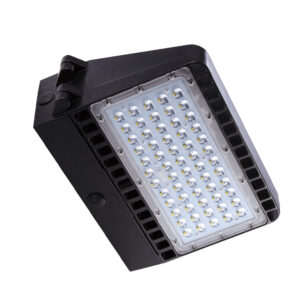
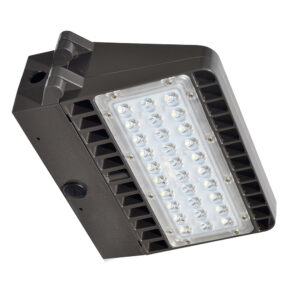
Understanding the Role of Lamp Fixture Hardware in Lighting Projects
For lighting contractors, the success of any lighting installation hinges not only on the choice of bulbs or fixtures but also on the quality and compatibility of lamp fixture hardware. This hardware encompasses the components that support, secure, and connect lighting fixtures to power sources and surfaces, including sockets, mounting brackets, wiring connectors, and more. Recognizing the critical role these elements play can transform a standard lighting project into a seamless, efficient, and aesthetically pleasing installation.
High-quality lamp fixture hardware ensures durability, safety, and ease of maintenance. For instance, robust mounting brackets and secure sockets reduce the risk of fixture failure or electrical hazards, which are paramount concerns in commercial and residential settings alike. Moreover, the right hardware can simplify installation, saving time and labor costs, which directly benefits contractors aiming for both efficiency and client satisfaction. In addition, using hardware that complies with local building codes and safety standards is essential to avoid potential liabilities and ensure the longevity of the installation.
Key Components of Lamp Fixture Hardware
Lamp fixture hardware typically includes:
- Sockets and Holders: These are the points where bulbs connect to the fixture, available in various types such as medium base, candelabra, or GU10, depending on the bulb design.
- Mounting Brackets and Plates: These secure the fixture to ceilings, walls, or other surfaces, ensuring stability and alignment.
- Wire Connectors and Terminals: Critical for safe electrical connections, these components prevent shorts and ensure consistent power delivery.
- Canopies and Covers: These conceal wiring and mounting hardware, contributing to the fixture’s aesthetic appeal.
Each component must be selected with the fixture type, environment, and electrical requirements in mind to optimize performance and safety. Furthermore, the choice of materials for these components can significantly impact the overall effectiveness of the lighting system. For example, corrosion-resistant materials are essential in environments with high humidity or exposure to chemicals, ensuring that the hardware remains functional and safe over time. Additionally, the integration of smart technology into lamp fixture hardware is becoming increasingly popular, allowing for enhanced control over lighting systems, energy efficiency, and even remote management through mobile applications. This evolution in technology not only meets the demands of modern consumers but also presents new opportunities for contractors to offer innovative solutions that can set them apart in a competitive market.
Choosing the Right Hardware for Different Lighting Applications
Lighting contractors often face diverse project demands, from residential renovations to large-scale commercial installations. Selecting appropriate lamp fixture hardware tailored to the specific application is essential for achieving optimal lighting outcomes.
Residential Lighting Considerations
In residential settings, aesthetics and ease of installation are often prioritized alongside safety and functionality. For example, decorative fixtures in living rooms or dining areas benefit from hardware that is both sturdy and visually unobtrusive. Using mounting brackets with adjustable angles can help align fixtures perfectly, enhancing the ambiance.
Additionally, residential electrical systems may have limitations on load and wiring types, so choosing sockets and connectors compatible with these constraints is vital. Contractors should also consider hardware that accommodates dimmable bulbs or smart lighting controls, which are increasingly popular in modern homes.
Commercial and Industrial Lighting Needs
Commercial environments demand hardware that can withstand heavier use, higher wattages, and sometimes harsher conditions. For instance, warehouses or manufacturing plants require fixtures with durable mounting systems and heavy-duty sockets that can handle vibration and temperature fluctuations.
In office buildings or retail spaces, modular hardware systems that facilitate easy fixture replacement or upgrades can save significant time and expense over the life of the installation. Furthermore, compliance with local electrical codes and standards is non-negotiable, so contractors must ensure that all hardware components meet or exceed these requirements.
Outdoor and Specialty Lighting Hardware
Outdoor lighting presents unique challenges such as exposure to moisture, temperature extremes, and physical impact. Hardware designed for outdoor use typically features corrosion-resistant materials like stainless steel or treated aluminum and includes weatherproof seals to protect electrical connections.
For specialty lighting—such as landscape, theatrical, or museum lighting—hardware may incorporate adjustable arms, swivel joints, or custom mounting solutions to achieve precise light direction and intensity. Contractors should be familiar with these specialized components to deliver tailored lighting solutions that meet client expectations.
Leveraging Lamp Fixture Hardware for Enhanced Efficiency and Safety
Beyond basic functionality, lamp fixture hardware can be leveraged to improve installation efficiency, reduce long-term maintenance, and enhance safety. These factors are critical for contractors aiming to deliver high-quality lighting solutions that stand the test of time.
Streamlining Installation with Modular Hardware
Modular hardware systems allow contractors to pre-assemble or quickly swap components on-site, significantly reducing installation time. For example, quick-connect sockets and snap-in mounting brackets eliminate the need for complex wiring or tool-intensive mounting processes.
Such systems also reduce the likelihood of installation errors, which can lead to fixture failure or safety hazards. By standardizing hardware components across projects, contractors can streamline inventory management and training, further enhancing operational efficiency.
Ensuring Electrical Safety Through Quality Connectors and Sockets
Electrical safety is paramount in lighting installations. Using high-quality sockets and wire connectors designed for the specific current and voltage requirements minimizes risks of overheating, arcing, or short circuits. For instance, connectors with secure locking mechanisms and corrosion-resistant contacts maintain reliable connections over time.
Contractors should also pay attention to hardware rated for the environment—such as damp or wet locations—to prevent moisture ingress that can compromise electrical integrity. Adhering to industry standards and manufacturer guidelines when selecting hardware ensures compliance and protects both installers and end-users.
Reducing Maintenance Needs with Durable Hardware Choices
Durability in lamp fixture hardware translates to fewer service calls and longer fixture lifespans. Materials like brass or nickel-plated sockets resist corrosion, while robust mounting brackets prevent loosening or sagging over time. This reliability is especially important in commercial or outdoor applications where maintenance access may be difficult or costly.
Additionally, hardware designed for easy access—such as hinged canopies or removable covers—facilitates routine inspection and bulb replacement, reducing downtime and labor expenses.
Integrating Advanced Hardware Features for Modern Lighting Solutions
As lighting technology evolves, so does the hardware that supports it. Contractors who stay informed about the latest hardware innovations can offer clients cutting-edge lighting solutions that combine functionality, aesthetics, and energy efficiency.
Smart Hardware for Connected Lighting
Smart lighting systems often require specialized hardware capable of integrating sensors, wireless communication modules, and dimming controls. For example, sockets compatible with LED drivers and dimmers enable seamless control over light intensity and color temperature.
Mounting hardware designed to accommodate additional components—such as occupancy sensors or daylight harvesting devices—allows contractors to implement energy-saving strategies without compromising fixture design. This integration supports sustainability goals and enhances user experience.
Adjustable and Flexible Mounting Solutions
Modern lighting designs frequently call for adjustable fixtures that can be repositioned or angled to highlight architectural features or artwork. Hardware featuring swivel joints, telescoping arms, or pivoting brackets enables this flexibility.
Such adaptability is particularly valuable in retail or gallery environments where lighting needs may change frequently. Contractors equipped with these hardware options can provide dynamic lighting solutions that enhance space functionality and appeal.
Compatibility with LED and Energy-Efficient Fixtures
As LED lighting becomes the standard due to its energy efficiency and longevity, hardware compatibility is essential. LED fixtures often have different mounting and wiring requirements compared to traditional incandescent or fluorescent fixtures.
For example, LED-compatible sockets and connectors must support lower wattages and different electrical characteristics. Additionally, heat dissipation hardware, such as heat sinks integrated into mounting systems, helps maintain LED performance and lifespan. Contractors should ensure that their hardware inventory aligns with these evolving fixture technologies.
Best Practices for Selecting and Installing Lamp Fixture Hardware
To maximize the benefits of lamp fixture hardware, lighting contractors should adopt best practices throughout the selection and installation process.
Conducting Thorough Project Assessments
Before selecting hardware, contractors should evaluate the project’s lighting requirements, environmental conditions, and client preferences. This assessment includes understanding fixture types, electrical load, mounting surfaces, and any special considerations such as accessibility or code compliance.
Documenting these factors guides informed hardware choices, reducing the risk of mismatched components and installation issues.
Prioritizing Quality and Compliance
Investing in high-quality hardware from reputable manufacturers ensures reliability and safety. Contractors should verify that hardware components carry appropriate certifications, such as UL listing or compliance with the National Electrical Code (NEC).
Using substandard or incompatible hardware may lead to fixture failures, safety hazards, and liability concerns. Quality hardware also enhances client trust and professional reputation.
Implementing Proper Installation Techniques
Even the best hardware can underperform if installed incorrectly. Contractors must follow manufacturer instructions carefully, use appropriate tools, and verify secure electrical connections and mechanical fastening.
Regular training and staying updated on installation standards help maintain high workmanship quality. Additionally, documenting installation details supports future maintenance and troubleshooting efforts.
Conclusion: Elevating Lighting Solutions Through Strategic Hardware Use
Lamp fixture hardware is a foundational element in lighting projects that directly influences safety, efficiency, aesthetics, and longevity. For lighting contractors, leveraging the right hardware tailored to specific applications and integrating advanced features can differentiate their services and deliver superior outcomes.
By understanding the diverse hardware components, selecting materials and designs suited to the environment and fixture type, and adhering to best installation practices, contractors can optimize lighting solutions that meet modern demands. This strategic approach not only enhances project success but also fosters long-term client satisfaction and business growth.
Get Your Premium Lighting Hardware at LumenWholesale
Ready to elevate your lighting projects with hardware that combines safety, efficiency, and design? LumenWholesale is your go-to source for spec-grade lighting products that meet the highest industry standards. Say goodbye to inflated markups and hello to top-quality lighting at wholesale prices. With our extensive selection and commitment to reliability, you can confidently tackle any project, knowing you have the best materials in hand. Plus, enjoy the convenience of free shipping on bulk orders, ensuring you get the best value without any hidden fees. Don’t compromise on quality or cost. Wholesale Lighting at the Best Value is just a click away.