Understanding Flush Mount Exterior Lights: A Foundation for Training
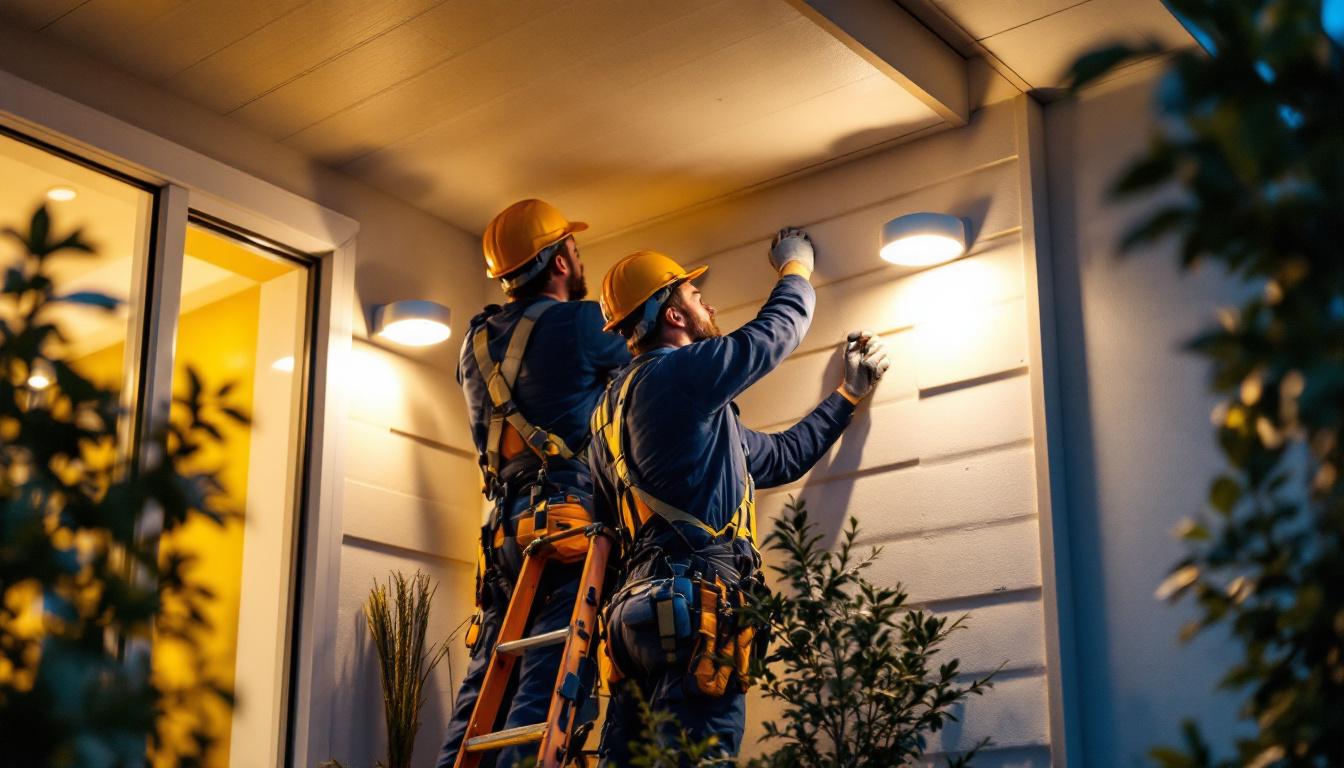
Flush mount exterior lights have become an essential element in modern lighting design, especially for contractors focused on delivering sleek, functional, and durable outdoor lighting solutions. Unlike traditional fixtures that protrude significantly from walls or ceilings, flush mount lights sit close to the surface, offering a streamlined appearance that blends seamlessly with architectural elements.
For lighting contractors, mastering the nuances of flush mount exterior lights is critical. These fixtures are not only aesthetic enhancements but also serve practical purposes such as security, safety, and energy efficiency. Training your team to understand these aspects ensures installations that meet client expectations and comply with industry standards.
Before diving into installation techniques, it’s important for your team to grasp the diverse types of flush mount exterior lights available. These include LED flush mounts, motion-activated models, and solar-powered options, each with unique benefits and installation requirements. Familiarity with these variations allows your team to recommend the best solutions tailored to each project.
Key Features and Benefits
Flush mount exterior lights offer several advantages that make them a popular choice among homeowners and commercial clients alike. Their low-profile design minimizes exposure to weather elements, reducing maintenance needs and extending fixture lifespan. Additionally, many models incorporate energy-efficient LED technology, which can lower electricity costs and contribute to sustainability goals.
From a safety perspective, flush mount lights provide uniform illumination around entryways, pathways, and outdoor living spaces, enhancing visibility and deterring potential intruders. Training your team to highlight these benefits during client consultations can improve customer satisfaction and drive repeat business.
Moreover, flush mount exterior lights come in a variety of styles and finishes, allowing them to complement any architectural design, from contemporary to traditional. This versatility means that contractors can offer tailored solutions that not only fulfill functional needs but also enhance the overall aesthetic appeal of a property. Understanding the latest design trends and materials can empower your team to make informed recommendations, ensuring that clients receive fixtures that align with their vision and style preferences.
Additionally, the installation process for flush mount lights can vary significantly based on the specific model and the environment in which they are placed. For instance, outdoor fixtures must be rated for wet or damp locations, and understanding these ratings is essential for ensuring safety and compliance with local codes. Providing your team with comprehensive training on installation best practices, including wiring techniques and fixture placement, can help prevent common pitfalls and ensure a smooth installation process that meets both safety standards and client expectations.
Developing a Comprehensive Training Program for Your Lighting Team
Effective training is the cornerstone of any successful lighting contractor operation. A well-structured program ensures your team is equipped with the skills and knowledge necessary to install flush mount exterior lights correctly and efficiently. Here’s how to build a training framework that covers all critical aspects.
1. Theoretical Knowledge and Product Familiarization
Start by educating your team on the technical specifications and operational principles of flush mount exterior lights. This includes understanding wattage, lumens, color temperature, IP ratings (Ingress Protection), and mounting options. IP ratings, for example, indicate the fixture’s resistance to dust and water—an essential consideration for exterior lighting.
Incorporate hands-on product demonstrations to familiarize your team with various models and brands. Allowing technicians to handle different fixtures helps them appreciate installation nuances and troubleshooting challenges they might encounter in the field. Additionally, consider organizing visits to manufacturers or suppliers, where your team can learn directly from product experts about the latest innovations and trends in lighting technology. This exposure not only enhances their knowledge but also fosters a deeper connection with the products they work with daily.
2. Installation Best Practices and Safety Protocols
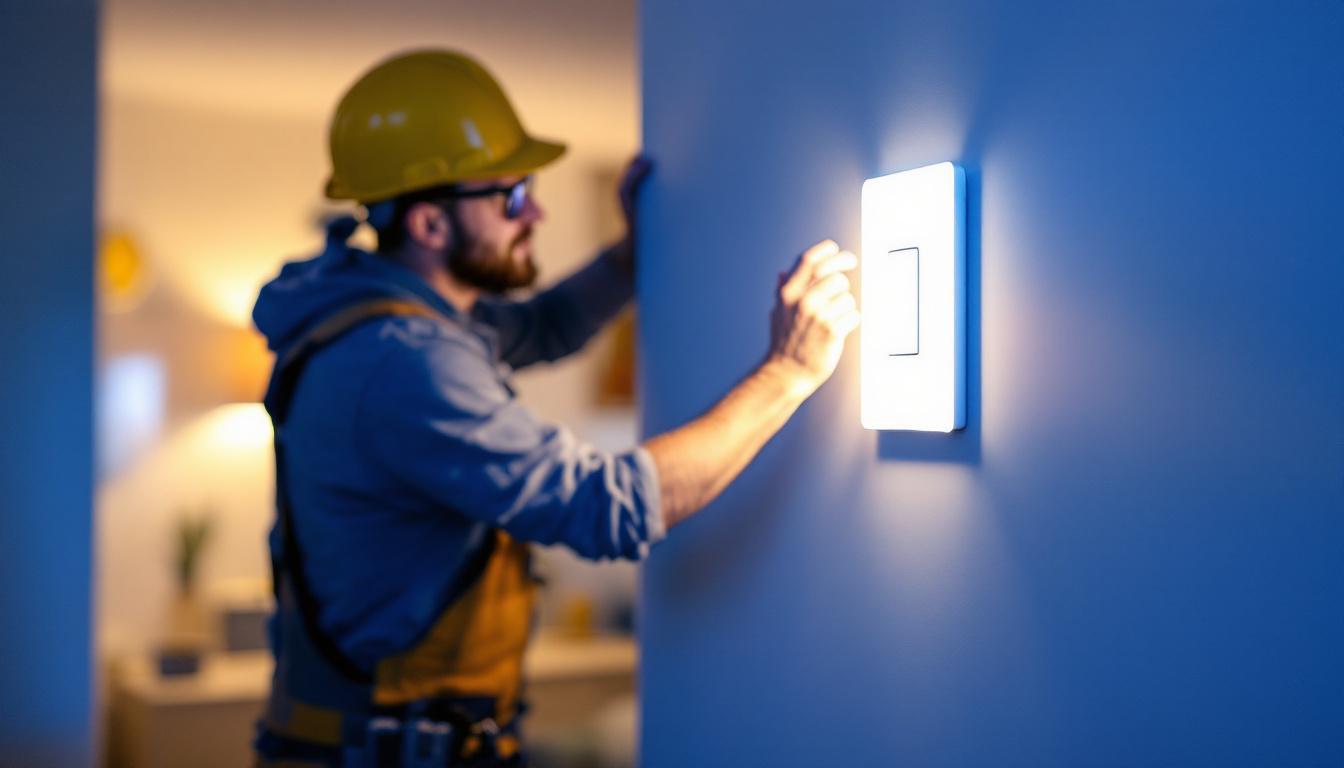
Installation training should emphasize precision and adherence to electrical codes. Cover topics such as proper wiring techniques, securing fixtures to different surfaces, and ensuring weatherproof seals. Given that exterior lighting installations often involve working at heights or in confined spaces, reinforce safety protocols rigorously.
Utilize real-world scenarios and role-playing exercises to simulate common installation challenges. This approach not only builds confidence but also encourages problem-solving skills critical for on-site success. Furthermore, consider integrating a mentorship program where experienced technicians guide newer team members through complex installations. This not only enhances learning but also builds camaraderie and a supportive team environment, which is essential for maintaining high standards of safety and quality in all projects.
3. Energy Efficiency and Sustainability Awareness
With growing demand for environmentally responsible solutions, your team should be well-versed in energy-efficient lighting options. Train them to calculate energy savings, understand the benefits of LED technology, and recommend fixtures that align with green building certifications such as LEED.
Highlighting sustainability during client interactions can differentiate your services and position your company as a forward-thinking leader in the industry. Additionally, consider incorporating case studies of successful energy-efficient projects into your training program. These examples can illustrate the tangible benefits of sustainable practices, such as reduced energy bills and enhanced property values, thereby equipping your team with compelling narratives to share with clients. Engaging your team in discussions about the future of lighting technology, including smart lighting systems and IoT integration, can also inspire innovative thinking and prepare them for the evolving landscape of the industry.
Leveraging Technology and Tools in Training
Modern training programs benefit greatly from incorporating technology and specialized tools. These resources can accelerate learning, improve retention, and provide measurable outcomes.
Interactive Digital Modules and Virtual Reality
Interactive e-learning modules allow your team to study at their own pace, revisiting complex topics as needed. Incorporating quizzes and assessments ensures comprehension and identifies areas requiring additional focus. Furthermore, these modules can be tailored to fit various learning styles, accommodating visual, auditory, and kinesthetic learners. This customization enhances engagement and ensures that each team member can absorb information in a way that resonates with them.
Virtual reality (VR) simulations offer immersive experiences where trainees can practice installations in a controlled, risk-free environment. VR can replicate diverse outdoor conditions, helping your team adapt to varying project demands. By simulating real-world scenarios, trainees can develop critical problem-solving skills and gain confidence in their abilities before stepping into actual job sites. This hands-on experience, combined with the ability to make mistakes without real-world consequences, fosters a deeper understanding of the complexities involved in installations.
Use of Installation Tools and Diagnostic Equipment
Hands-on training with essential tools such as voltage testers, wire strippers, and waterproof sealants is indispensable. Additionally, diagnostic devices that measure light output and energy consumption enable your team to verify installation quality and performance. Familiarity with these tools not only enhances technical skills but also promotes safety awareness, as trainees learn the correct procedures for handling equipment and troubleshooting issues.
Encourage routine use of these tools during training to build proficiency and instill a culture of quality assurance. Regular practice with diagnostic equipment can lead to quicker identification of issues, reducing downtime and increasing overall efficiency on job sites. Moreover, integrating technology such as mobile apps for real-time data collection can empower your team to track their progress and share insights with colleagues, fostering a collaborative learning environment that extends beyond the training sessions.
Evaluating and Enhancing Team Performance
Continuous evaluation is vital to maintain high standards and identify opportunities for improvement. Implementing structured feedback mechanisms and performance metrics helps track progress and reinforce accountability. Regular check-ins and performance reviews not only provide clarity on individual and team goals but also create an environment where team members feel valued and heard. This culture of transparency encourages everyone to contribute their insights, leading to innovative solutions and a more engaged workforce.
Regular Skill Assessments and Certification
Conduct periodic assessments that test both theoretical knowledge and practical skills. Certifications, whether internal or through recognized industry bodies, provide formal acknowledgment of expertise and motivate ongoing professional development. By offering a variety of training programs and workshops, organizations can cater to diverse learning styles and preferences. This investment in skill enhancement not only boosts team confidence but also ensures that the workforce remains competitive and well-versed in the latest industry trends and technologies.
On-the-Job Mentorship and Peer Learning
Pairing less experienced technicians with seasoned professionals fosters knowledge transfer and builds team cohesion. Encourage open communication and collaborative problem-solving to create a supportive learning environment. Establishing a mentorship program can lead to more structured interactions, where mentors can share best practices and provide constructive feedback. Additionally, hosting regular knowledge-sharing sessions allows team members to present their experiences and insights, further enriching the collective expertise of the group.
Client Feedback Integration
Soliciting and analyzing client feedback on installations can reveal strengths and highlight areas needing attention. Sharing this information with your team promotes a customer-centric mindset and continuous improvement. By creating a systematic approach to gather client insights—such as post-installation surveys or follow-up interviews—teams can better understand client expectations and satisfaction levels. This data can then be utilized to refine processes, enhance service delivery, and ultimately drive client loyalty, ensuring that the team is not only meeting but exceeding client expectations.
Case Studies: Successful Training Implementation in Lighting Companies
Examining real-world examples illustrates the tangible benefits of investing in comprehensive training programs for flush mount exterior lighting.
Case Study 1: Streamlining Installation Processes
A mid-sized lighting contractor revamped its training approach by integrating VR simulations and hands-on workshops focusing on flush mount exterior lights. Within months, installation times decreased by 20%, and customer satisfaction scores improved significantly due to fewer callbacks and enhanced fixture performance.
Case Study 2: Enhancing Energy Efficiency Expertise
Another company prioritized sustainability training, equipping its team with advanced knowledge of LED technologies and energy-saving strategies. This initiative resulted in a 30% increase in sales of energy-efficient fixtures and positioned the company as a leader in green lighting solutions within its market.
Conclusion: Building Expertise for Long-Term Success
Training your team in the intricacies of flush mount exterior lights is an investment that pays dividends in quality, efficiency, and customer satisfaction. By combining theoretical knowledge, practical skills, technological tools, and continuous evaluation, lighting contractors can ensure their teams are well-prepared to meet the evolving demands of the industry.
Empowered with expertise, your team will not only execute flawless installations but also serve as trusted advisors to clients, driving business growth and establishing your company’s reputation as a lighting leader.
Get Your Premium Lighting Supplies at LumenWholesale
Ready to elevate your lighting projects with the finest flush mount exterior lights? Look no further than LumenWholesale, where we provide contractors with exceptional, spec-grade lighting products at unbeatable wholesale prices. Say goodbye to local distributor markups and hello to a vast selection of industry-standard, high-performance lighting. Plus, with free shipping on bulk orders, you can stock up on premium lighting solutions without any hidden fees. Take the first step towards enhancing your installations and becoming a trusted lighting advisor with Wholesale Lighting at the Best Value from LumenWholesale.