Understanding the Relationship Between Lumens and Watts
For lighting contractors, grasping the distinction between lumens and watts is fundamental. Lumens measure the amount of visible light emitted by a source, essentially quantifying brightness. Watts, on the other hand, measure energy consumption—the amount of power a light source uses. This distinction is critical because a light’s brightness does not directly correlate with its wattage, particularly with advances in lighting technology.
Historically, watts were often used as a proxy for brightness because incandescent bulbs consumed a predictable amount of power relative to their light output. However, with the widespread adoption of energy-efficient lighting such as LEDs and CFLs, this relationship has shifted dramatically. A 4000 lumen LED fixture, for example, can consume a fraction of the wattage that an incandescent bulb would require to produce the same brightness.
For contractors, understanding this difference is essential when advising clients on lighting solutions that balance brightness, energy efficiency, and cost-effectiveness. Misconceptions about wattage can lead to over- or under-lighting spaces, impacting both aesthetics and functionality. Furthermore, the ability to articulate the benefits of lumens over watts can enhance a contractor’s credibility, as clients increasingly seek sustainable and energy-efficient options in their lighting designs.
Moreover, the shift towards LED technology has not only transformed the way we think about lumens and watts but has also introduced new metrics such as efficacy, which is the ratio of lumens produced per watt consumed. This metric is crucial for contractors who want to optimize lighting designs for energy savings while still meeting the necessary illumination levels for various applications. Understanding these nuances allows professionals to tailor their recommendations based on the specific needs of a space, whether it be for residential, commercial, or industrial settings, ensuring that clients receive the best possible lighting solutions that align with their sustainability goals.
What Does 4000 Lumens Represent in Practical Terms?
To put 4000 lumens into perspective, it’s roughly equivalent to the brightness of a traditional 300-watt incandescent bulb. This level of brightness is suitable for a variety of applications, including large living rooms, commercial spaces, and outdoor lighting where ample illumination is necessary. The perception of brightness can also be influenced by the color temperature of the light source; for instance, a cooler, daylight-like color temperature can make a space feel more vibrant and spacious, while warmer tones can create a cozy and inviting atmosphere.
For lighting contractors, specifying a 4000 lumen fixture means ensuring sufficient light coverage without excessive energy consumption. This is particularly important in commercial installations where lighting needs to meet both regulatory standards and client expectations for comfort and productivity. Additionally, the choice of fixture can affect not just the amount of light produced but also the quality of that light, which can impact mood and focus in work environments. Therefore, selecting fixtures that provide a high Color Rendering Index (CRI) is essential, as this ensures that colors appear more true-to-life under the artificial lighting.
Moreover, understanding how many watts are required to produce 4000 lumens varies depending on the lighting technology. For example, an LED fixture producing 4000 lumens might only consume between 30 to 50 watts, whereas a halogen or incandescent equivalent would consume significantly more power. This efficiency translates into lower operational costs and reduced environmental impact. As energy costs continue to rise, the financial benefits of using energy-efficient lighting solutions become increasingly apparent, making LED technology not only a sustainable choice but also a smart economic decision for both homeowners and businesses alike.
Applications of 4000 Lumen Lighting
In residential settings, 4000 lumens can adequately illuminate larger rooms such as kitchens or open-plan living areas. In commercial environments, this brightness level is common in offices, retail spaces, and warehouses where clear visibility is crucial for safety and productivity. For instance, in a retail setting, well-lit displays can enhance product visibility, encouraging customer engagement and potentially increasing sales. Similarly, in office spaces, adequate lighting can reduce eye strain and fatigue, fostering a more productive work environment.
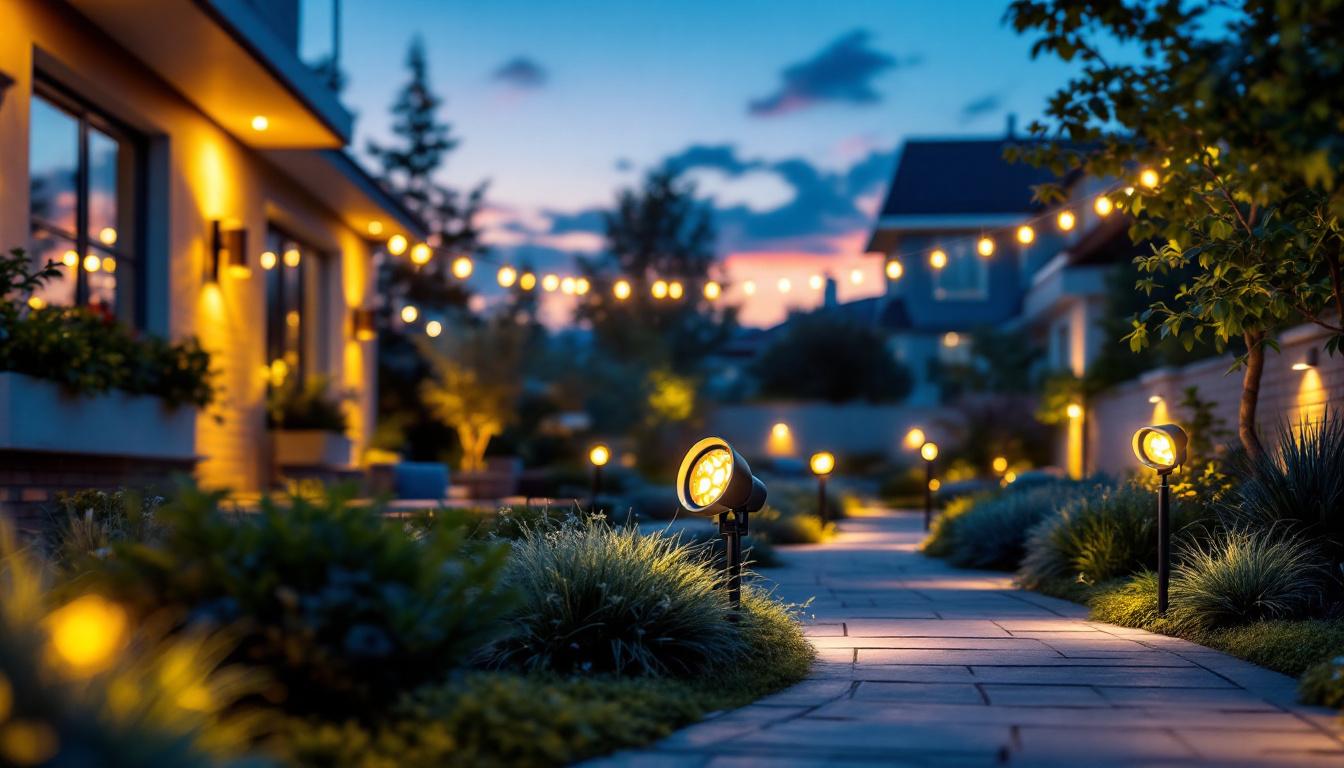
Outdoor lighting also benefits from fixtures producing around 4000 lumens, especially for security lighting, parking lots, or landscape illumination. Contractors must consider factors such as beam angle, mounting height, and fixture design to optimize the effectiveness of 4000 lumen lighting in these contexts. Additionally, the placement of outdoor lighting can significantly affect safety and security; strategically positioned lights can deter potential intruders while providing a welcoming atmosphere for guests. Furthermore, incorporating smart lighting solutions that allow for dimming or motion-sensing capabilities can enhance both functionality and energy efficiency, adapting to varying needs throughout the day and night.
Converting Lumens to Watts: The Importance of Efficacy
The conversion from lumens to watts is not straightforward because it depends on the luminous efficacy of the light source, measured in lumens per watt (lm/W). Luminous efficacy indicates how efficiently a light source converts electrical power into visible light.
LED technology currently offers some of the highest luminous efficacy rates, often exceeding 100 lm/W. This means a 4000 lumen LED fixture might only consume around 40 watts. In contrast, incandescent bulbs typically have an efficacy of 10-17 lm/W, requiring significantly more power to achieve the same brightness.
For lighting contractors, knowing the efficacy of different lighting options is crucial for accurate wattage estimation and energy planning. It also enables contractors to recommend solutions that meet client requirements for brightness while minimizing energy consumption and utility costs.
Factors Affecting Luminous Efficacy
Several factors influence the luminous efficacy of a lighting fixture, including the quality of the light source, driver efficiency, and thermal management. High-quality LEDs with efficient drivers and proper heat dissipation maintain optimal performance and longevity.
Contractors should also consider the color temperature and color rendering index (CRI) of the lighting, as these affect the perceived brightness and quality of light. Higher CRI values generally improve visual comfort and color accuracy, which can be essential in retail or hospitality environments.
Additionally, the design and placement of fixtures play a significant role in maximizing efficacy. For instance, the use of reflectors and diffusers can enhance light distribution, ensuring that more lumens reach the intended areas. This is particularly important in spaces with high ceilings or complex layouts, where improper fixture placement can lead to uneven lighting and wasted energy.
Moreover, advancements in smart lighting technology are also impacting efficacy. Smart systems can adjust brightness based on occupancy or natural light levels, further optimizing energy use. These systems not only enhance user experience but also contribute to significant energy savings, making them an attractive option for both residential and commercial applications. As the industry evolves, understanding these nuances will become increasingly important for contractors aiming to deliver efficient and effective lighting solutions.
Why Lighting Contractors Need to Master 4000 Lumen to Watt Conversion
Mastering the conversion between lumens and watts is more than a technical exercise; it directly impacts project success and client satisfaction. Accurate conversions ensure that lighting designs meet both aesthetic and functional goals while adhering to energy codes and sustainability standards.
Lighting contractors often face challenges such as balancing brightness with energy efficiency, managing client budgets, and complying with regulations. Understanding how many watts are needed to produce 4000 lumens allows contractors to make informed decisions about fixture selection, installation, and system design.
Additionally, this knowledge supports better communication with clients, architects, and engineers, fostering trust and professionalism. It also positions contractors as experts capable of delivering cutting-edge lighting solutions that leverage the latest technology.
Case Study: Energy Savings Through Efficient Lighting
Consider a commercial office space transitioning from halogen fixtures to LED lighting. Previously, each fixture consumed 150 watts to produce approximately 4000 lumens. By switching to LED fixtures with an efficacy of 100 lm/W, power consumption per fixture drops to around 40 watts.
This reduction translates into significant energy savings, lower cooling loads due to reduced heat output, and decreased maintenance costs thanks to longer LED lifespans. For contractors, quantifying these benefits and presenting them to clients can be a decisive factor in winning projects and fostering sustainable practices.
Tools and Techniques for Accurate Lighting Calculations
Lighting contractors have access to various tools and software that simplify lumen-to-watt conversions and lighting design. Photometric calculators, lighting design software, and manufacturer specification sheets provide detailed information about fixture performance.
Using these resources, contractors can simulate lighting layouts, evaluate energy consumption, and optimize fixture placement to achieve desired illumination levels. This precision reduces guesswork and enhances project outcomes.
Moreover, staying current with industry standards and product innovations enables contractors to recommend the most efficient and cost-effective lighting solutions tailored to specific project requirements.
Best Practices for Lighting Specification
When specifying lighting, contractors should consider the total lumen output required for the space, factoring in room size, ceiling height, surface reflectance, and task-specific needs. Dividing the total lumens by the efficacy of the chosen fixture yields the approximate wattage needed.
It’s also important to account for factors such as dimming capabilities, fixture lifespan, and warranty terms. These considerations contribute to long-term client satisfaction and system reliability.
Conclusion: Elevating Lighting Projects with Informed Lumen-Watt Knowledge
For lighting contractors, understanding how 4000 lumens translates into watts is a cornerstone of professional practice. This knowledge empowers contractors to design lighting systems that are bright, energy-efficient, and cost-effective, meeting the diverse needs of residential, commercial, and outdoor applications.
By mastering lumen-to-watt conversions and staying informed about lighting technology advancements, contractors can deliver superior lighting solutions that enhance spaces, reduce energy consumption, and support sustainability goals. Ultimately, this expertise distinguishes contractors as trusted advisors and leaders in the evolving lighting industry.
Illuminate Your Projects with LumenWholesale
Ready to elevate your lighting projects with the knowledge of lumen-to-watt conversion? At LumenWholesale, we provide lighting contractors with the highest quality, spec-grade lighting products at unbeatable wholesale prices. Say goodbye to local distributor markups and hello to our extensive selection that meets the highest industry standards. With free shipping on bulk orders, you can ensure your projects shine brightly, efficiently, and cost-effectively. Don’t compromise on quality or value—discover wholesale lighting at the best value today and become a leader in sustainable and innovative lighting solutions.