Understanding the Importance of Proper Spray Booth Lighting
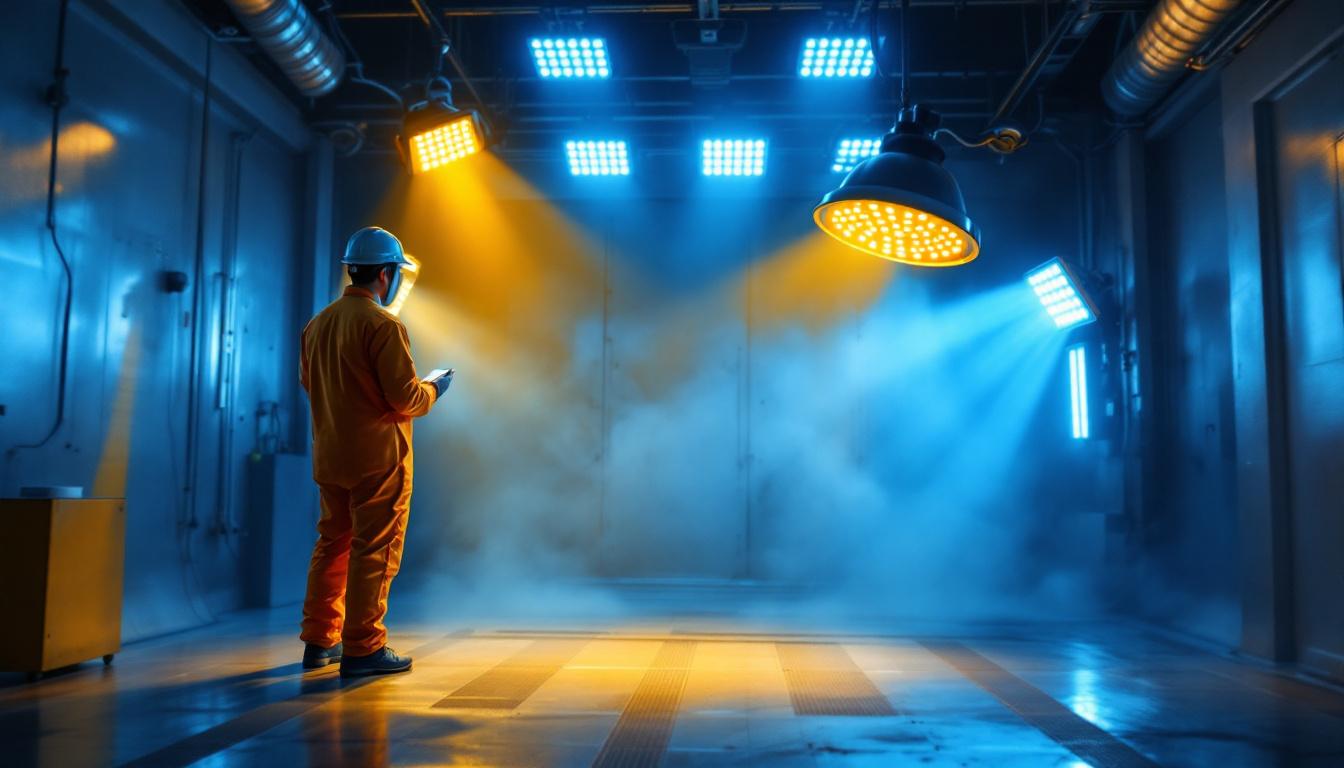
Spray booths are critical environments where precision and safety converge. For lighting contractors, comprehending the unique demands of spray booth lighting is essential to delivering solutions that enhance visibility, ensure compliance, and improve overall workflow efficiency. Unlike typical industrial spaces, spray booths require lighting systems that can withstand harsh conditions such as overspray, chemical exposure, and stringent safety regulations.
Proper lighting in spray booths directly impacts the quality of the finished product. Inadequate or poorly designed lighting can result in color mismatches, missed imperfections, and increased rework costs. For contractors, this means the need to balance brightness, color accuracy, durability, and energy efficiency when designing or upgrading lighting systems. Additionally, the choice of lighting technology—whether LED, fluorescent, or halogen—plays a significant role in achieving optimal results. LEDs, for instance, not only offer energy savings but also provide longer lifespans and lower heat output, which can be crucial in maintaining a stable environment within the booth.
Key Challenges in Spray Booth Lighting
Lighting contractors must navigate several challenges unique to spray booths. These include:
- Explosion-proof Requirements: Spray booths often handle flammable materials, necessitating lighting fixtures that meet rigorous explosion-proof standards.
- Resistance to Overspray and Chemicals: Fixtures must be sealed and protected against paint overspray and chemical vapors to maintain performance and longevity.
- Consistent Color Rendering: High Color Rendering Index (CRI) lighting is crucial to accurately judge paint colors and finishes.
- Maintenance Accessibility: Fixtures should be easy to clean and maintain without disrupting production schedules.
Moreover, the layout of the lighting within the spray booth is another critical consideration. Properly positioned lights can help eliminate shadows and ensure that every inch of the surface being painted is adequately illuminated. This is particularly important in larger booths where the distance from the light source can create uneven lighting conditions. Contractors must also consider the angle of the lights, as this can affect how the paint is applied and how imperfections are detected. The integration of dimmable lighting systems can further enhance flexibility, allowing operators to adjust brightness levels based on specific tasks or materials being used, thereby optimizing the painting process.
In addition to these technical specifications, staying informed about the latest advancements in lighting technology is vital for contractors. Innovations such as smart lighting systems, which can be programmed to adjust automatically based on environmental conditions or production needs, are becoming increasingly popular. These systems can not only improve energy efficiency but also provide valuable data analytics that help in monitoring performance and identifying potential issues before they escalate. As the industry evolves, embracing such technologies will be key to maintaining a competitive edge in providing effective spray booth lighting solutions.
Technical Considerations for Spray Booth Lighting Design
Lighting contractors must integrate technical knowledge with practical application to design effective spray booth lighting. Several factors influence the choice of fixtures, layout, and controls.
Light Intensity and Distribution
Spray booths require high-intensity lighting to illuminate surfaces evenly without shadows or glare. Uniform light distribution ensures that operators can detect surface defects and color inconsistencies. Typically, lighting levels in spray booths range from 750 to 1,200 lux, depending on the specific application and booth size.
Contractors should consider the booth’s dimensions and reflective surfaces when planning fixture placement. Using a combination of overhead and side-mounted fixtures can help achieve balanced illumination. Additionally, diffusers or lenses may be employed to soften light and reduce harsh shadows. The arrangement of lighting fixtures should also take into account the workflow within the booth; for instance, if certain areas require more attention, additional lighting can be strategically placed to enhance visibility in those zones. This targeted approach not only aids in quality control but also boosts overall productivity by minimizing the time spent on rework due to unnoticed defects.
Color Rendering and Temperature
Color accuracy is paramount in spray booth environments. Lighting with a CRI of 90 or above is recommended to allow operators to distinguish subtle color differences effectively. Moreover, the color temperature of fixtures—measured in Kelvins—should mimic natural daylight, generally between 5,000K and 6,500K. This range enhances true color perception and reduces eye strain during extended work periods.
Furthermore, the choice of color rendering can significantly impact the final finish of the products being sprayed. For example, if the lighting does not accurately represent colors, it may lead to mismatched hues or finishes that do not meet customer specifications. Therefore, investing in high-quality, color-accurate lighting not only improves the working conditions for operators but also enhances the overall quality of the finished product, fostering customer satisfaction and loyalty.
Explosion-Proof and Safety Compliance
Due to the presence of volatile organic compounds (VOCs) and flammable materials, spray booths must use lighting fixtures certified for hazardous locations. Contractors must select fixtures that comply with standards such as UL844 or ATEX, depending on the region. These fixtures are designed to prevent ignition sources and contain any potential sparks.
Ensuring compliance not only protects workers but also shields the facility from costly fines and operational shutdowns. Lighting contractors should stay current with evolving safety codes and collaborate with booth manufacturers and safety engineers during the design phase. Additionally, it is crucial to conduct regular safety audits and risk assessments to identify any potential hazards associated with lighting systems. This proactive approach not only reinforces safety protocols but also promotes a culture of safety within the workplace, which is essential in high-risk environments like spray booths.
Durability and Maintenance
Spray booth lighting fixtures must endure harsh environments without frequent failures. Choosing fixtures with sealed enclosures, corrosion-resistant materials, and easy-to-clean surfaces extends service life and reduces downtime. Maintenance-friendly designs, such as quick-release mounting systems and accessible wiring, simplify routine cleaning and bulb replacement.
In addition to these features, implementing a scheduled maintenance program can further enhance the longevity of the lighting systems. Regular inspections can help identify potential issues before they escalate, ensuring that the lighting remains at optimal performance levels. Moreover, educating staff on the importance of maintaining the lighting systems can foster a sense of ownership and responsibility, leading to better care and fewer disruptions in the workflow. By prioritizing durability and ease of maintenance, facilities can ensure that their spray booth lighting remains reliable and effective over time, ultimately contributing to a safer and more efficient working environment.
Modern Lighting Technologies for Spray Booths
Advancements in lighting technology have transformed the options available to contractors working in spray booth environments. Understanding these innovations enables contractors to recommend solutions that optimize performance and cost-effectiveness.
LED Lighting: Efficiency Meets Performance
LED technology has become the industry standard for spray booth lighting due to its energy efficiency, durability, and superior light quality. LEDs consume significantly less power than traditional fluorescent or incandescent fixtures, reducing operational costs and environmental impact.
Moreover, LEDs offer instant-on capability and excellent color rendering, making them ideal for precision work. Their longer lifespan—often exceeding 50,000 hours—means fewer replacements and less maintenance disruption. Many LED fixtures are now available with explosion-proof certifications, making them suitable for hazardous environments.
Smart Lighting Controls
Integrating smart lighting controls can further enhance spray booth lighting efficiency. Features such as dimming, occupancy sensors, and programmable schedules help optimize energy use without compromising visibility. For example, lights can automatically dim or switch off when the booth is unoccupied, reducing unnecessary power consumption.
Additionally, some systems allow remote monitoring and diagnostics, enabling contractors and facility managers to track fixture performance and schedule maintenance proactively.
Hybrid Lighting Solutions
In some cases, a hybrid approach combining different lighting technologies may be advantageous. For example, pairing high-intensity LEDs with supplemental fluorescent fixtures can balance initial investment costs with performance needs. Contractors should assess each project’s specific requirements, budget constraints, and client preferences to recommend the most suitable configuration.
Best Practices for Lighting Contractors in Spray Booth Projects
Successful spray booth lighting installations hinge on thorough planning, collaboration, and adherence to best practices. Contractors who embrace these principles can simplify complex projects and deliver superior results.
Early Collaboration with Stakeholders
Engaging with booth manufacturers, safety officers, and end-users early in the project ensures that lighting designs align with operational needs and regulatory requirements. Understanding the specific paint types, booth configurations, and workflow patterns allows contractors to tailor lighting solutions effectively.
Comprehensive Site Assessment
Before installation, conducting a detailed site assessment is crucial. Contractors should evaluate existing lighting conditions, electrical infrastructure, and environmental factors. This information helps identify potential challenges and informs fixture selection and placement strategies.
Documentation and Compliance Verification
Maintaining thorough documentation of lighting specifications, certifications, and installation procedures supports compliance verification and future maintenance activities. Contractors should provide clients with detailed manuals and training on fixture operation and upkeep.
Post-Installation Testing and Adjustments
After installation, rigorous testing ensures that lighting levels, color rendering, and safety features meet project specifications. Contractors should be prepared to make adjustments based on operator feedback and performance data to optimize the environment.
Case Studies: Successful Spray Booth Lighting Implementations
Examining real-world examples illustrates how lighting contractors have simplified complex spray booth projects while achieving outstanding outcomes.
Automotive Refinishing Facility Upgrade
An automotive refinishing shop sought to replace outdated fluorescent lighting with a more efficient and reliable system. The lighting contractor recommended explosion-proof LED fixtures with a CRI of 95 and a color temperature of 6,000K. By redesigning the fixture layout to minimize shadows and incorporating smart dimming controls, the project reduced energy consumption by 40% and improved paint inspection accuracy.
Industrial Coating Line Retrofit
A manufacturer of industrial machinery required lighting upgrades to meet new safety regulations. The contractor selected sealed LED fixtures certified for hazardous locations and installed them with quick-release mounts for easy maintenance. The retrofit minimized downtime during installation and enhanced worker safety, earning positive feedback from facility managers.
Conclusion: Empowering Lighting Contractors to Simplify Spray Booth Lighting
Spray booth lighting presents unique challenges that demand specialized knowledge and thoughtful design. By understanding the technical requirements, leveraging modern technologies, and adhering to best practices, lighting contractors can simplify these complex projects and deliver solutions that enhance safety, efficiency, and product quality.
Staying informed about industry standards and innovations empowers contractors to provide value-added services that meet client expectations and regulatory demands. Ultimately, well-executed spray booth lighting installations contribute significantly to operational success and long-term client satisfaction.
Illuminate Your Spray Booth Projects with LumenWholesale
Ready to elevate your spray booth lighting installations with the best in class products? Look no further than LumenWholesale, where we specialize in providing contractors with high-quality, spec-grade lighting solutions at unbeatable wholesale prices. Our extensive selection is designed to meet the most rigorous industry standards, ensuring that you have access to reliable and high-performance lighting for every project. With the convenience of bulk buying, free shipping, and no hidden fees, LumenWholesale is your go-to source for premium lighting that combines quality, affordability, and ease. Don’t let inflated markups dim your project’s potential. Visit us at Wholesale Lighting at the Best Value and brighten up your spray booth with confidence and cost-efficiency.