Understanding Ceiling Lights: The Basics Every Lighting Contractor Should Know
Ceiling lights are a fundamental component in both residential and commercial lighting design. As a lighting contractor, having a comprehensive understanding of ceiling lights is essential to delivering quality installations that meet client expectations and comply with safety standards. This article breaks down the core aspects of ceiling lighting, ensuring you can confidently select, install, and troubleshoot these fixtures.
Ceiling lights come in a variety of forms, from flush mounts and semi-flush mounts to recessed lighting and chandeliers. Each type serves different aesthetic and functional purposes, and knowing when and how to use them is critical. Moreover, the choice of light source—LED, incandescent, fluorescent, or halogen—impacts energy efficiency, longevity, and light quality.
Types of Ceiling Lights
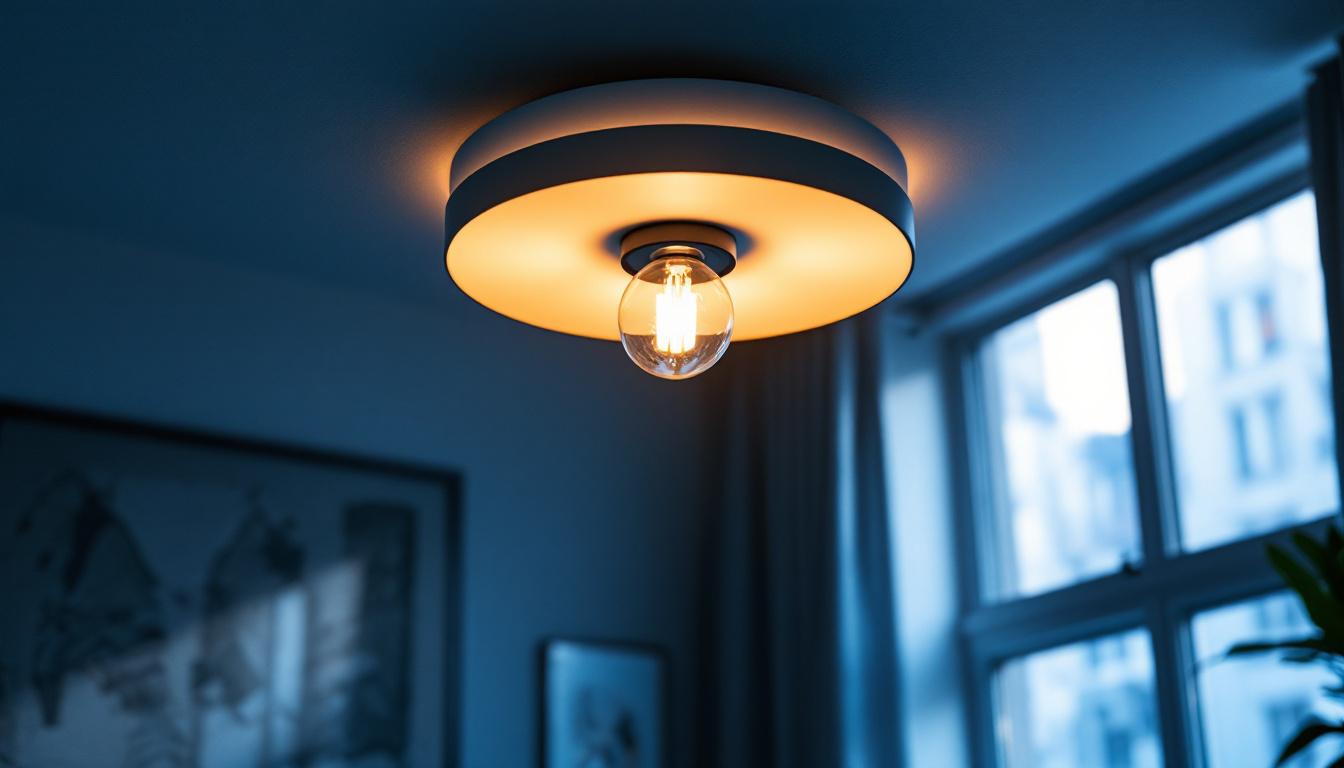
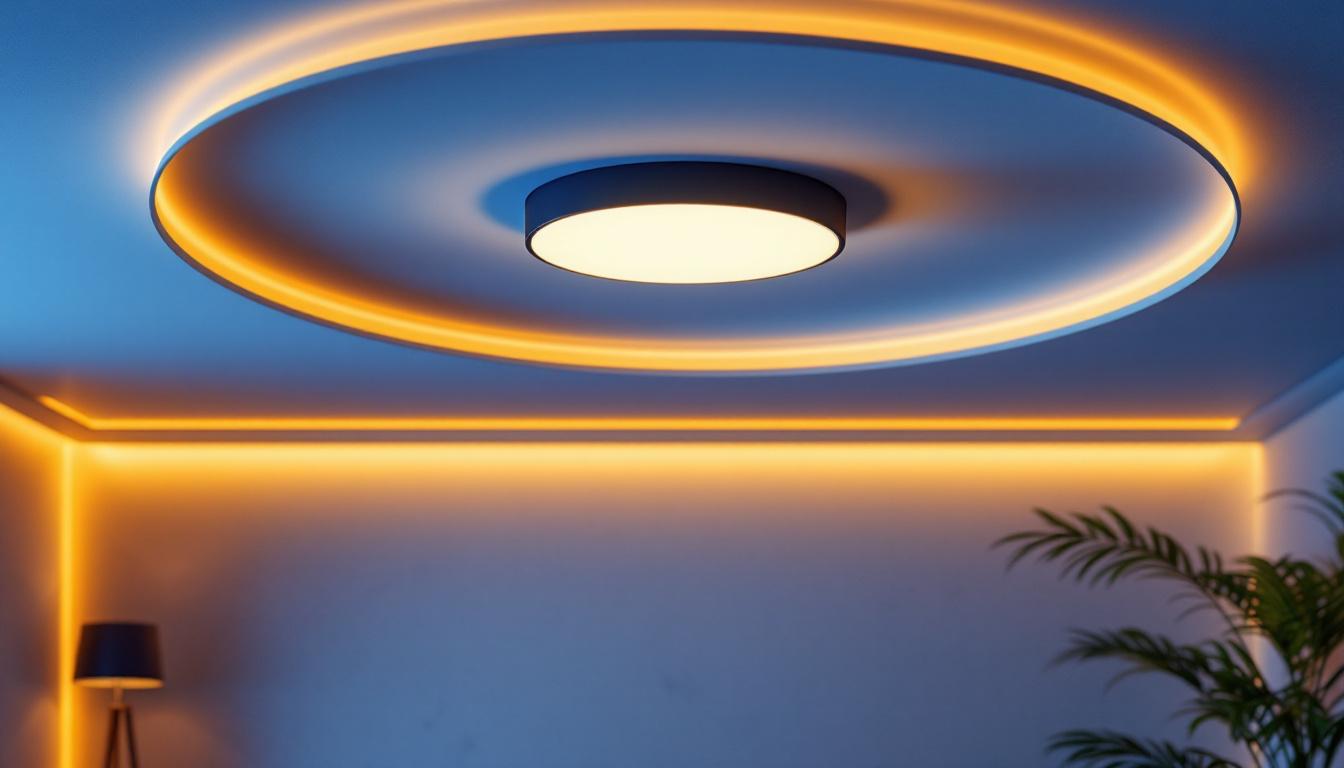
Flush mount ceiling lights sit directly against the ceiling, making them ideal for rooms with low ceilings. Semi-flush mounts hang slightly below the ceiling, offering a bit more style and light diffusion. Recessed lights, often called can lights, are installed within the ceiling itself, providing a clean, modern look and excellent ambient lighting. Chandeliers and pendant lights serve as focal points, often used in dining rooms or entryways to add character and elegance. Each type of ceiling light can also be customized with various finishes and styles, allowing for a seamless integration into the overall design of a space. For instance, a sleek chrome finish may complement a contemporary setting, while an antique brass fixture might enhance a traditional decor.
Light Sources and Their Implications
LED technology has revolutionized ceiling lighting by offering superior energy efficiency and lifespan compared to traditional incandescent bulbs. LEDs also generate less heat, reducing the risk of damage to fixtures and surrounding materials. Fluorescent lights, while energy efficient, often have issues with flickering and color rendering, which can affect ambiance. Halogen bulbs provide bright, crisp light but consume more energy and produce more heat. It’s also worth noting that the color temperature of the light source plays a significant role in setting the mood of a room. Warmer tones (around 2700K) create a cozy atmosphere, making them suitable for living areas, while cooler tones (above 4000K) are often preferred in workspaces for their clarity and focus-enhancing properties. Understanding these nuances allows contractors to make informed recommendations that align with the client’s vision and functional needs.
Installation Considerations: What Lighting Contractors Must Prioritize
Proper installation of ceiling lights is paramount to ensure safety, functionality, and durability. Lighting contractors must be familiar with electrical codes, mounting techniques, and wiring configurations specific to ceiling fixtures. Additionally, understanding the structural aspects of ceilings—such as joist placement and ceiling material—is necessary to securely mount fixtures and avoid damage. This knowledge not only protects the integrity of the installation but also contributes to the longevity of the lighting system, ensuring that it remains both functional and visually appealing over time.
Safety codes often dictate the type of wiring and connectors used, as well as grounding requirements. For example, in many jurisdictions, junction boxes must be rated for the fixture’s weight and type. Using the correct box and mounting hardware prevents hazards such as fixture detachment or electrical faults. Furthermore, contractors should stay updated on local regulations, as codes can evolve, reflecting new safety standards or technological advancements in lighting. This diligence not only safeguards the contractor’s reputation but also protects homeowners from potential liabilities associated with improper installations.
Wiring and Electrical Load
Ceiling lights typically connect to the household circuit via a junction box. Contractors must verify that the circuit can handle the electrical load of the new fixtures, especially when installing multiple lights or high-wattage bulbs. Overloading circuits can lead to tripped breakers or, worse, fire hazards. It is advisable for contractors to conduct a load calculation, taking into account all existing fixtures and appliances on the circuit. This proactive approach helps in planning for future expansions or modifications, ensuring that the electrical system remains robust and capable of accommodating additional lighting needs.
When installing dimmable ceiling lights, it is essential to use compatible dimmer switches and ensure the wiring supports them. LEDs, in particular, require dimmers designed for their specific electrical characteristics to avoid flickering or damage. Additionally, educating clients about the benefits of different dimming options can enhance their overall satisfaction. For instance, smart dimmers offer convenience and energy savings, allowing homeowners to control lighting remotely or set schedules, adding a modern touch to their living spaces.
Mounting Techniques and Tools
Depending on the fixture type and ceiling material, mounting techniques vary. For drywall ceilings, anchors or toggle bolts may be necessary if the fixture is heavy. In contrast, wooden joists allow for direct screwing. Recessed lights require cutting precise holes and securing the housing within the ceiling cavity. It’s also crucial to consider the aesthetic impact of the mounting method; for example, flush mounts can create a sleek look, while pendant lights can add a touch of elegance when hung at the right height.
Using the proper tools—such as voltage testers, wire strippers, and drill drivers—not only speeds up the installation process but also ensures compliance with safety standards. Lighting contractors should also employ levelers and measuring tapes to align fixtures perfectly, enhancing the overall aesthetic. Moreover, investing in high-quality tools can make a significant difference in the efficiency and quality of the installation. For instance, using a laser level can provide precise alignment for multiple fixtures, ensuring a professional finish that meets the client’s expectations. Additionally, keeping a well-organized toolkit allows contractors to work more efficiently, minimizing downtime and maximizing productivity during installations.
Energy Efficiency and Modern Trends in Ceiling Lighting
Energy efficiency is a major consideration in today’s lighting industry. Clients increasingly demand solutions that reduce electricity consumption and environmental impact without compromising light quality. Lighting contractors are expected to be knowledgeable about the latest technologies and trends to advise clients effectively.
LED Advancements and Smart Lighting
LED ceiling lights dominate the market due to their low energy use and long lifespan. Recent advancements include tunable white LEDs, which allow users to adjust color temperature from warm to cool, enhancing comfort and productivity. Smart ceiling lights integrate with home automation systems, enabling remote control, scheduling, and even voice activation.
For contractors, installing smart ceiling lights requires familiarity with wireless protocols like Zigbee, Z-Wave, or Wi-Fi, as well as the ability to troubleshoot connectivity issues. These systems often involve additional components such as hubs or bridges, which must be seamlessly integrated into the client’s existing setup. Moreover, the rise of app-controlled lighting systems has opened new avenues for customization, allowing users to create specific lighting scenes for various activities, from reading to entertaining, thereby enhancing the overall ambiance of a space.
Compliance with Energy Codes and Certifications
Many regions enforce energy codes that specify minimum efficiency standards for lighting installations. Lighting contractors must ensure that ceiling lights meet these requirements, which often means selecting fixtures with ENERGY STAR certification or similar ratings. Compliance not only avoids legal complications but also enhances client satisfaction by reducing energy bills.
Additionally, contractors should be aware of rebate programs offered by utility companies for installing energy-efficient lighting. Advising clients on these incentives can be a valuable service and a competitive advantage. Staying updated on local and national energy efficiency initiatives can also position contractors as trusted advisors in the field, fostering long-term relationships with clients who appreciate guidance on sustainable practices. Furthermore, as more consumers become environmentally conscious, promoting energy-efficient lighting solutions can significantly enhance a contractor’s reputation and marketability, ultimately leading to increased business opportunities.
Troubleshooting Common Ceiling Light Issues
Even the best installations can encounter problems over time. Lighting contractors must be adept at diagnosing and resolving common ceiling light issues to maintain their reputation and client trust.
Flickering and Dimmer Compatibility
Flickering lights are often caused by incompatible dimmer switches or poor wiring connections. When dealing with LED fixtures, it is crucial to use dimmers specifically designed for LEDs. Loose wiring or corroded contacts can also cause intermittent flickering, so thorough inspection is necessary.
Fixture Failure and Heat Management
Ceiling lights that fail prematurely may suffer from overheating, especially if enclosed fixtures are used with bulbs that generate excessive heat. LEDs mitigate this problem, but improper fixture selection or installation can still lead to heat buildup. Ensuring adequate ventilation and using fixtures rated for the bulb type is essential.
Uneven Lighting and Aesthetic Concerns
Clients often complain about uneven light distribution or shadows caused by poorly placed ceiling lights. Lighting contractors should conduct thorough planning, considering room dimensions, ceiling height, and fixture placement to achieve uniform illumination. Using multiple fixtures or adjustable recessed lights can help address these issues.
Conclusion: Mastering Ceiling Lighting for Professional Success
Ceiling lights are more than just functional elements; they shape the ambiance and usability of a space. For lighting contractors, mastering the selection, installation, and maintenance of ceiling lights is crucial to delivering exceptional results. By staying informed about the latest technologies, adhering to safety codes, and honing troubleshooting skills, contractors can enhance their professionalism and client satisfaction.
Investing time in understanding the nuances of ceiling lighting—from fixture types and electrical considerations to energy efficiency and aesthetics—pays dividends in project quality and reputation. This knowledge empowers lighting contractors to confidently tackle diverse projects and meet the evolving demands of the lighting industry.
Get Your Premium Ceiling Lighting Supplies at LumenWholesale
Ready to elevate your lighting projects with the finest ceiling lights on the market? Look no further than LumenWholesale, where we provide contractors with exceptional, spec-grade lighting products at the best wholesale prices. Our commitment to quality and affordability means you can access a vast selection of reliable, high-performance lighting solutions that align with the latest industry standards. Plus, with the convenience of free shipping on bulk orders, you can stock up on premium lighting without any hidden fees. Don’t compromise on quality or cost. Visit LumenWholesale today and discover the ultimate in value and convenience for all your lighting needs.