Understanding the Role of Lamp Bulbs in Lighting Installations
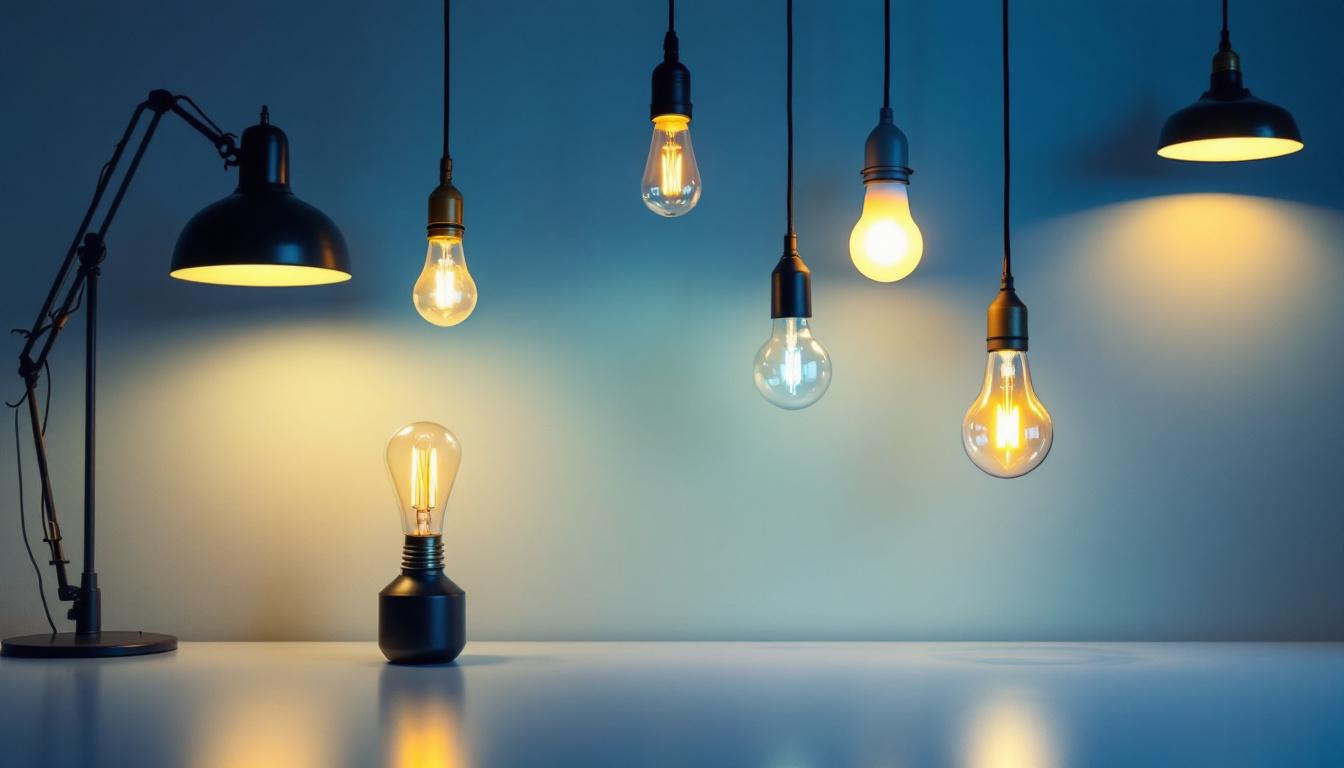
For lighting contractors, the choice of lamp bulbs is a critical factor that can significantly influence the success of an installation project. Lamp bulbs are not merely sources of light; they are integral components that affect energy efficiency, aesthetic appeal, durability, and overall lighting performance. Recognizing the diverse types of lamp bulbs and their specific applications is essential for delivering high-quality, tailored lighting solutions to clients.
Lighting projects demand a nuanced understanding of how different bulbs perform under various conditions. For instance, the color temperature and lumen output of a bulb can dramatically alter the ambiance of a space, while the bulb’s lifespan and energy consumption impact long-term operational costs. As such, lighting contractors must stay updated on the latest advancements and standards in lamp bulb technology to optimize their installations.
The Evolution of Lamp Bulb Technology
The lighting industry has witnessed significant technological advancements over the past decades. Traditional incandescent bulbs, once the standard, have largely been supplanted by more energy-efficient alternatives like compact fluorescent lamps (CFLs) and light-emitting diodes (LEDs). Each technology offers unique benefits and challenges, influencing how contractors approach lighting design and installation.
LED technology, in particular, has revolutionized the field by offering superior energy efficiency, longer lifespans, and enhanced versatility in terms of color and form factor. This evolution has empowered contractors to create more sustainable and cost-effective lighting solutions, meeting both client demands and regulatory requirements. Moreover, the advent of smart lighting systems, which integrate LED technology with IoT capabilities, has opened new avenues for automation and control, allowing users to customize their lighting environments seamlessly. This not only enhances user experience but also contributes to energy savings by enabling features like dimming and scheduling.
Furthermore, the growing emphasis on sustainability has led to the development of eco-friendly lamp options, such as those made from recyclable materials or designed to minimize harmful emissions. Contractors are now tasked with not only selecting the right type of bulb but also considering the environmental impact of their choices. This shift has prompted many professionals to educate themselves on the lifecycle of various lighting products, from production to disposal, ensuring that their installations align with both client expectations and broader ecological goals. As the industry continues to evolve, staying informed about these trends will be crucial for contractors aiming to provide innovative and responsible lighting solutions.
Choosing the Right Lamp Bulbs for Different Applications
Selecting the appropriate lamp bulb is a nuanced process that requires consideration of the environment, purpose, and client preferences. Different applications call for specific bulb characteristics, and understanding these nuances is key to successful lighting installations.
Residential Lighting
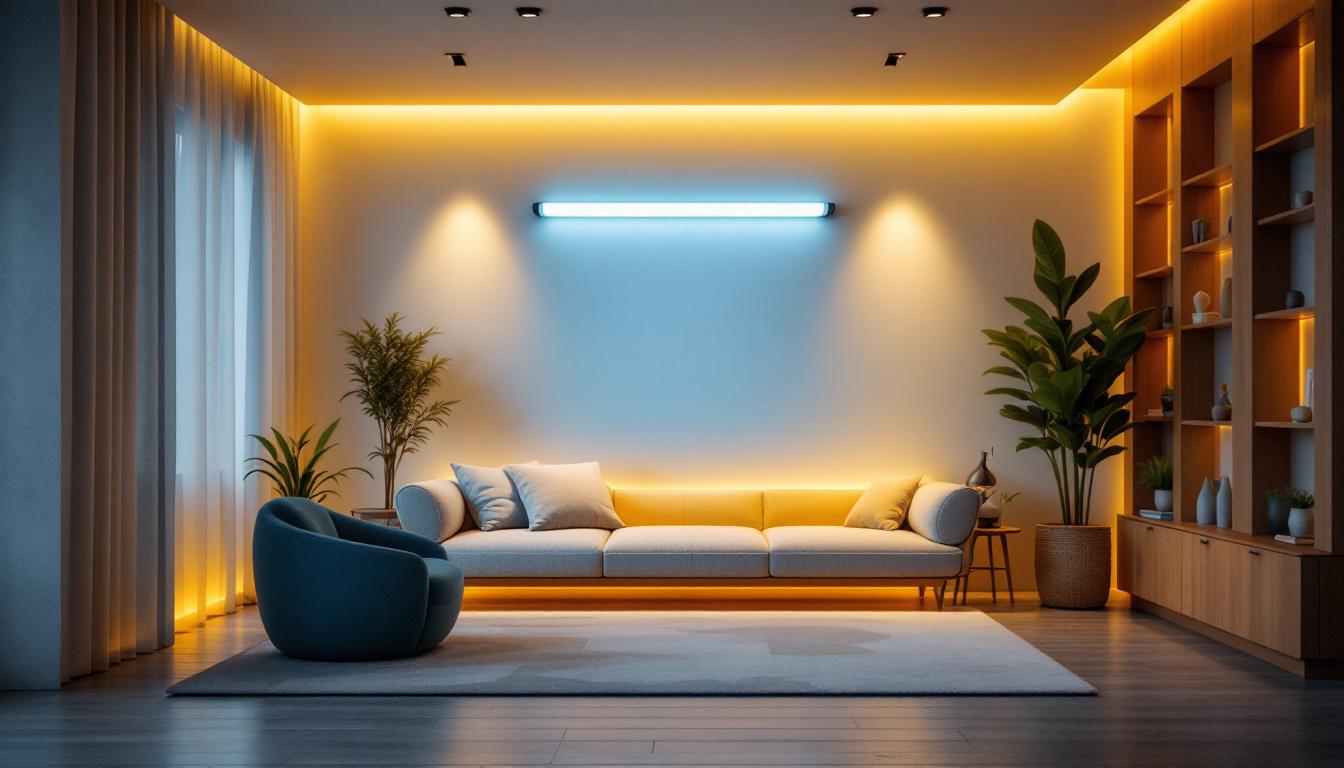
In residential settings, lighting often serves both functional and decorative purposes. Warm color temperatures (2700K to 3000K) are typically preferred to create a cozy and inviting atmosphere. LED bulbs are increasingly popular due to their energy efficiency and ability to mimic the warm glow of incandescent bulbs.
Moreover, dimmable LED bulbs allow homeowners to adjust lighting levels according to mood and activity, enhancing comfort and utility. Lighting contractors should also consider the bulb’s size and shape to ensure compatibility with existing fixtures and design aesthetics. In addition, smart bulbs are gaining traction, offering homeowners the ability to control lighting through mobile apps or voice commands, further elevating the convenience and customization of home lighting solutions.
Commercial and Industrial Lighting
Commercial and industrial environments demand robust lighting solutions that prioritize brightness, durability, and energy savings. High lumen output and cooler color temperatures (3500K to 5000K) are common to promote alertness and productivity.
In warehouses, factories, and offices, LED high bay fixtures and linear LEDs have become standard due to their longevity and reduced maintenance requirements. Contractors must also evaluate factors such as heat dissipation and environmental resistance when selecting bulbs for these settings. Additionally, the implementation of smart lighting systems can optimize energy use and enhance operational efficiency by allowing for automated adjustments based on occupancy and natural light levels, which is particularly beneficial in large commercial spaces.
Outdoor and Landscape Lighting
Outdoor lighting installations require bulbs that can withstand weather extremes and provide adequate illumination for safety and aesthetics. LED bulbs with high ingress protection (IP) ratings are preferred to resist moisture and dust.
Color rendering is crucial in outdoor applications to enhance visibility and highlight architectural or landscape features. Warm white LEDs are often used for pathways and patios, while brighter, cooler lights are suitable for security purposes. Furthermore, the integration of solar-powered LED fixtures is becoming increasingly popular for landscape lighting, providing an eco-friendly option that reduces energy costs while illuminating gardens and outdoor spaces beautifully without the need for extensive wiring. This sustainable approach not only enhances the beauty of outdoor areas but also contributes to energy conservation efforts, making it a win-win for both aesthetics and the environment.
Energy Efficiency and Sustainability Considerations
Energy efficiency is a paramount concern in lighting installation projects, both for reducing operational costs and minimizing environmental impact. Lamp bulbs play a central role in achieving these goals.
Benefits of Energy-Efficient Bulbs
Energy-efficient bulbs, particularly LEDs, consume significantly less electricity compared to incandescent and CFL bulbs. This reduction translates into substantial cost savings over the bulb’s lifespan. For example, LEDs use up to 80% less energy and can last 25 times longer than traditional incandescent bulbs.
Beyond cost savings, energy-efficient lighting contributes to lower greenhouse gas emissions, aligning with growing regulatory pressures and corporate sustainability initiatives. Lighting contractors who prioritize energy-efficient bulbs can offer clients solutions that meet both economic and environmental objectives. Furthermore, the longevity of these bulbs means less frequent replacements, which reduces waste and the environmental footprint associated with manufacturing and disposing of lighting products.
Incorporating Smart Lighting Technologies
Smart lighting systems, which often utilize energy-efficient bulbs, provide additional opportunities for energy savings and enhanced control. Features such as occupancy sensors, daylight harvesting, and programmable dimming enable dynamic adjustment of lighting levels based on real-time needs.
Integrating smart bulbs into installation projects can improve user experience and further reduce energy consumption. Contractors should familiarize themselves with these technologies to offer innovative, future-proof solutions. Additionally, smart lighting can be integrated with other building management systems, allowing for comprehensive energy monitoring and management. This interconnected approach not only enhances efficiency but also provides valuable data that can inform future energy-saving initiatives. As more consumers and businesses become aware of their carbon footprints, the demand for such integrated smart solutions is likely to grow, making it essential for contractors to stay ahead of the curve in this rapidly evolving field.
Enhancing Lighting Quality Through Bulb Selection
The quality of lighting directly impacts occupant comfort, productivity, and safety. Lamp bulbs influence key parameters such as color rendering, flicker, and glare, which are critical to achieving optimal lighting conditions.
Color Rendering Index (CRI) and Its Importance
CRI measures a light source’s ability to accurately render colors compared to natural light. A higher CRI (above 80) is desirable in most applications to ensure true color perception. This is particularly important in retail, healthcare, and art spaces where color accuracy affects functionality and aesthetics.
LED bulbs have made significant strides in CRI performance, with many options now exceeding CRI 90. Selecting bulbs with appropriate CRI values enhances the visual experience and client satisfaction.
Minimizing Flicker and Glare
Flicker and glare can cause discomfort, eye strain, and reduced productivity. High-quality lamp bulbs with stable drivers and diffusers help mitigate these issues. For contractors, specifying bulbs that comply with flicker-free standards and incorporate anti-glare features is essential.
Proper installation techniques, combined with the right bulb choice, ensure that lighting systems deliver consistent, comfortable illumination.
Practical Tips for Lighting Contractors on Lamp Bulb Selection
To maximize the benefits of lamp bulbs in lighting installation projects, contractors should adopt a strategic approach that balances technical specifications, client needs, and budget constraints.
Conducting a Thorough Site Assessment
Understanding the installation environment is the first step in selecting suitable lamp bulbs. Factors such as ambient light levels, fixture compatibility, and intended use influence bulb choice. A comprehensive site assessment enables contractors to recommend bulbs that optimize performance and user experience.
Consulting Manufacturer Specifications and Certifications
Reviewing detailed manufacturer data ensures that selected bulbs meet required standards for energy efficiency, safety, and performance. Certifications such as ENERGY STAR and DLC (DesignLights Consortium) provide assurance of quality and compliance.
Contractors should also consider warranty terms and availability of replacement bulbs to support long-term maintenance.
Balancing Cost and Quality
While initial costs are a consideration, investing in high-quality, energy-efficient bulbs often yields better value over time through reduced energy bills and maintenance. Contractors should communicate these benefits clearly to clients, helping them make informed decisions.
Staying Informed on Industry Trends
The lighting industry is dynamic, with continuous innovations in bulb technology and lighting controls. Contractors who stay informed through trade publications, manufacturer updates, and professional training can leverage new products and techniques to enhance their projects.
Conclusion: The Strategic Advantage of Lamp Bulbs in Lighting Projects
Lamp bulbs are foundational to the success of lighting installation projects. Their impact extends beyond illumination to encompass energy efficiency, aesthetics, user comfort, and sustainability. For lighting contractors, mastering the selection and application of lamp bulbs is a strategic advantage that can differentiate their services and elevate project outcomes.
By understanding the nuances of different bulb technologies, tailoring choices to specific applications, and embracing energy-efficient and smart lighting solutions, contractors can deliver installations that meet evolving client expectations and regulatory demands. Ultimately, the thoughtful integration of lamp bulbs transforms lighting projects from routine tasks into opportunities for innovation and excellence.
Illuminate Your Projects with LumenWholesale
Ready to elevate your lighting installations with the strategic advantage of premium lamp bulbs? Look no further than LumenWholesale, where we provide contractors with the highest quality, spec-grade lighting products at unbeatable wholesale prices. Our extensive selection is designed to meet the most rigorous industry standards, ensuring that every project shines with reliability and high performance. Plus, with the convenience of free shipping on bulk orders, you can access the best lighting solutions without hidden fees or compromises. Don’t miss out on the perfect combination of quality, affordability, and convenience. Discover the value we offer and make LumenWholesale your go-to source for Wholesale Lighting at the Best Value.