Understanding 120 Volt Strip Lighting: Basics Every Contractor Should Know
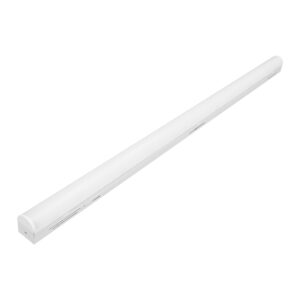
120 volt strip lighting has become a popular choice for both residential and commercial lighting projects. Unlike low-voltage strip lights that require transformers, 120 volt strips connect directly to standard household or commercial power outlets, simplifying installation and reducing costs. However, this convenience comes with its own set of considerations and safety requirements that lighting contractors must be fully aware of to ensure successful and compliant installations.
For contractors, understanding the electrical characteristics, installation requirements, and application limitations of 120 volt strip lighting is essential. These strips often use LED technology, which is energy-efficient and long-lasting, but the higher voltage means that safety protocols and proper handling are critical to avoid hazards such as electrical shock or fire risks.
Key Features of 120 Volt Strip Lighting
One of the primary advantages of 120 volt strip lighting is its compatibility with standard electrical systems, eliminating the need for additional power supplies or transformers. This can significantly reduce material and labor costs. Additionally, these strips typically offer higher wattage and brightness levels, making them suitable for accent lighting, task lighting, and even some general lighting applications.
However, the higher voltage also means that the strips are less flexible in terms of cutting and splicing compared to low-voltage options. Contractors must carefully plan the layout and ensure that the strips are installed in locations where they are protected from moisture and physical damage. It is also crucial to consider the heat output of these strips, as they can generate more heat than their low-voltage counterparts. Proper ventilation and spacing should be taken into account to prevent overheating, which can lead to reduced lifespan and potential safety hazards.
Moreover, many 120 volt strip lighting systems come with advanced features such as dimming capabilities and color temperature adjustments, allowing for greater control over the ambiance of a space. These features can enhance the versatility of the lighting, making it suitable for various applications, from creating a cozy atmosphere in a residential setting to providing bright, focused light in commercial environments. Understanding how to integrate these features into a project can significantly elevate the quality of the lighting design and meet the specific needs of clients.
Do’s for Lighting Contractors Installing 120 Volt Strip Lighting
Do Conduct Thorough Site Assessments
Before installation, a comprehensive site assessment is crucial. This includes evaluating the electrical infrastructure, determining load capacity, and identifying the best locations for strip lighting to maximize both aesthetics and functionality. Understanding the environment—whether it’s a dry indoor setting or a damp commercial kitchen—will influence the choice of strip lighting with appropriate IP ratings and protective features. Additionally, assessing the existing lighting conditions can help in deciding the brightness and color temperature of the strip lights to ensure they complement the overall design and purpose of the space. For instance, in retail environments, warmer tones may create a welcoming atmosphere, while cooler tones can enhance focus in workspaces.
Do Follow National and Local Electrical Codes
Compliance with the National Electrical Code (NEC) and local regulations is non-negotiable. Lighting contractors must ensure that all wiring, connectors, and mounting hardware meet code requirements. For example, 120 volt strip lighting must be installed using UL-listed components designed for high voltage applications. Failure to adhere to these standards can lead to failed inspections, safety hazards, and liability issues. It’s also beneficial for contractors to stay updated on any changes to the codes, as regulations can evolve to address new technologies and safety concerns. This proactive approach not only enhances safety but also builds trust with clients who value compliance and professionalism.
Do Use Proper Wiring and Connectors
Using the correct gauge wire and connectors designed for 120 volt applications is essential. Undersized wiring can overheat, while improper connectors may cause loose connections that lead to arcing or shorts. Contractors should also ensure that wiring is neatly organized and secured to prevent strain or damage over time. Furthermore, considering the length of runs and the total wattage of the strip lights will help in selecting the right wire gauge, as longer distances may require thicker wires to prevent voltage drop. This attention to detail not only ensures efficient operation but also enhances the longevity of the lighting system.
Do Incorporate Adequate Protection Measures
Installing ground-fault circuit interrupters (GFCIs) in areas prone to moisture is a critical safety measure. Additionally, using appropriate enclosures and conduit can protect the strip lighting and wiring from physical damage. Contractors should also verify that the power source includes proper circuit breakers rated for the load of the strip lighting system. Beyond these measures, implementing surge protection devices can safeguard the lighting system from voltage spikes caused by lightning strikes or power surges, further ensuring reliability and performance. This is especially important in commercial settings where the cost of downtime can be significant.
Do Educate Clients on Usage and Maintenance
Providing clients with clear instructions on how to operate and maintain their 120 volt strip lighting system can extend its lifespan and prevent misuse. This includes advising on cleaning procedures, avoiding overloading circuits, and recognizing signs of electrical issues. Well-informed clients are less likely to encounter problems that require costly service calls. Additionally, offering a maintenance schedule can help clients keep track of when to check connections, clean fixtures, or replace bulbs. Educating clients about energy-efficient practices, such as using dimmers or timers, can also enhance their experience while reducing energy costs, making them feel more empowered and satisfied with their lighting choices.
Don’ts for Lighting Contractors When Working with 120 Volt Strip Lighting
Don’t Neglect Safety Precautions
Ignoring safety protocols can have serious consequences. Contractors should never work on live circuits and must always use insulated tools and personal protective equipment. Additionally, they should avoid installing strip lighting in locations where it could be exposed to water unless the product is specifically rated for wet environments.
Don’t Overload Circuits
One of the most common mistakes is connecting too many strips to a single circuit, which can cause overheating and tripped breakers. Contractors must calculate the total wattage and current draw of the lighting system and ensure it does not exceed the circuit’s capacity. Proper load balancing and, if necessary, the installation of additional circuits can prevent electrical failures.
Don’t Cut or Modify Strips Improperly
While some 120 volt strip lights can be cut at designated points, improper cutting or splicing can compromise the electrical integrity and void warranties. Contractors should always follow manufacturer guidelines and use recommended connectors or soldering techniques. Avoiding unauthorized modifications ensures reliable performance and safety.
Don’t Overlook Heat Dissipation
High voltage strip lighting generates heat, and inadequate ventilation or mounting on heat-sensitive surfaces can reduce the lifespan of the LEDs or cause damage. Contractors should use aluminum channels or heat sinks when required and avoid installing strips on materials that could warp or ignite under heat stress.
Don’t Forget to Test the System Thoroughly
Before finalizing the installation, comprehensive testing is essential. This includes verifying voltage levels, checking for proper grounding, ensuring all connections are secure, and confirming that the lighting operates as intended. Testing helps identify potential issues early and ensures client satisfaction.
Advanced Tips for Optimizing 120 Volt Strip Lighting Installations
Integrate Dimming and Control Systems
Many modern 120 volt strip lighting products are compatible with dimmers and smart lighting controls. Incorporating these features can enhance the functionality and appeal of the installation. Contractors should select dimmers rated for LED loads and ensure compatibility to avoid flickering or premature failure.
Plan for Future Expansion
Designing the lighting system with scalability in mind can save time and money if the client decides to expand or modify the setup later. Providing accessible junction points and using modular components facilitates easy upgrades and maintenance.
Leverage Energy Efficiency Incentives
Many jurisdictions offer rebates or incentives for installing energy-efficient lighting solutions. Contractors should stay informed about available programs and advise clients accordingly. Using high-quality LED strip lighting not only reduces energy consumption but can also qualify for these financial benefits.
Document the Installation Thoroughly
Accurate documentation, including wiring diagrams, product specifications, and warranty information, is invaluable for future troubleshooting and client support. Providing clients with a detailed record of the installation enhances professionalism and trust.
Common Challenges and How to Overcome Them
Addressing Voltage Drop in Long Runs
Voltage drop can cause dimming or uneven lighting in long strip runs. To mitigate this, contractors should use thicker gauge wiring, install power feeds at multiple points, or segment the strips into shorter runs. Planning these details during the design phase prevents performance issues.
Ensuring Moisture Resistance in Challenging Environments
In kitchens, bathrooms, or outdoor settings, moisture exposure is a major concern. Selecting strip lighting with appropriate IP ratings and using sealed connectors and enclosures can protect the system. Additionally, contractors should verify that all components are compatible with wet or damp locations.
Managing Heat in Confined Spaces
When installing strip lighting in cabinets, coves, or other confined spaces, heat buildup can be problematic. Using aluminum channels with built-in heat sinks and ensuring adequate airflow can prolong LED life and maintain performance.
Conclusion: Best Practices for Successful 120 Volt Strip Lighting Installations
120 volt strip lighting offers lighting contractors a versatile and efficient solution for a wide range of projects. By adhering to best practices—conducting thorough assessments, following electrical codes, using proper materials, and prioritizing safety—contractors can deliver installations that are both visually appealing and reliable.
Understanding the unique characteristics of 120 volt systems, avoiding common pitfalls, and embracing advanced techniques like smart controls and energy incentives will position contractors as knowledgeable professionals in this growing market. Ultimately, careful planning, attention to detail, and clear client communication are the keys to success when working with 120 volt strip lighting.
Get Your Premium 120 Volt Strip Lighting at LumenWholesale
Ready to elevate your lighting projects with the best 120 volt strip lighting on the market? Look no further than LumenWholesale, where we provide contractors with superior, spec-grade lighting products at unbeatable wholesale prices. Say goodbye to local distributor markups and hello to a vast selection of industry-standard lighting that promises reliability and high performance for every installation. Plus, with free shipping on bulk orders, you can stock up on premium lighting solutions without worrying about hidden fees. Don’t compromise on quality or value—visit LumenWholesale for Wholesale Lighting at the Best Value and experience the ideal combination of quality, affordability, and convenience for your next project.