Understanding Enclosed Recessed Light Fixtures
Enclosed recessed light fixtures are a critical component in modern lighting design, especially in environments where safety, durability, and energy efficiency are paramount. Unlike open recessed fixtures, enclosed models feature a sealed design that protects the internal components from dust, moisture, and other environmental factors. For lighting contractors, understanding the nuances of these fixtures is essential to ensure compliance with electrical codes, optimize performance, and meet client expectations.
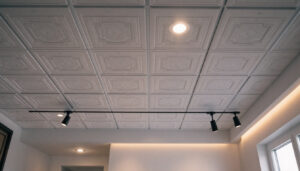
These fixtures are typically installed in ceilings or walls, creating a clean, streamlined look while providing focused lighting. Their enclosed nature makes them especially suitable for damp or wet locations, such as bathrooms, kitchens, and outdoor soffits. Additionally, enclosed recessed lights often accommodate LED bulbs, which have become the industry standard due to their longevity and energy efficiency.
Why Enclosed Fixtures Matter
One of the primary reasons enclosed recessed fixtures are favored is their ability to prevent air leakage. This characteristic contributes significantly to a building’s overall energy efficiency by minimizing heat loss or gain through ceiling cavities. According to energy efficiency studies, air leakage through lighting fixtures can account for up to 20% of a building’s total air leakage, impacting heating and cooling costs.
Moreover, enclosed fixtures enhance fire safety by containing sparks or heat generated by bulbs, reducing the risk of fire hazards in insulation-filled ceilings. This is especially important in residential and commercial settings where insulation materials are in close proximity to lighting fixtures.
In addition to their functional benefits, enclosed recessed light fixtures can also contribute to the aesthetic appeal of a space. Available in various styles and finishes, these fixtures can seamlessly blend with different interior designs, from contemporary to traditional. By choosing the right trim and color, homeowners and designers can create a cohesive look that enhances the overall ambiance of a room. Furthermore, the ability to adjust the angle of the light in some models allows for creative lighting techniques, such as highlighting artwork or architectural features, thereby adding depth and character to the environment.
Another significant advantage of enclosed recessed fixtures is their compatibility with smart lighting technology. Many modern enclosed fixtures can be integrated with smart home systems, allowing users to control lighting remotely, set schedules, or adjust brightness levels through mobile apps. This not only adds convenience but also promotes energy savings by enabling users to turn off lights when not in use or adjust them according to the time of day. With the growing trend of smart homes, the integration of enclosed recessed lighting is becoming increasingly popular, making it a wise choice for both new constructions and renovations.
Key Features and Specifications for Lighting Contractors
When selecting enclosed recessed light fixtures, contractors must consider several technical specifications to ensure the fixture meets the project’s requirements. These include:
IC Rating (Insulation Contact)
IC-rated fixtures are designed to be installed in direct contact with insulation without risk of overheating. This rating is crucial when working in insulated ceilings, as non-IC fixtures require a clearance of at least three inches from insulation, complicating installation and potentially compromising energy efficiency.
Lighting contractors should verify the IC rating on product labels and ensure compatibility with the insulation type used in the project. Using IC-rated enclosed fixtures simplifies installation and enhances safety.
Wet and Damp Location Ratings
Enclosed recessed fixtures often carry specific ratings indicating their suitability for wet or damp environments. A damp location rating means the fixture can withstand moisture and humidity but is not designed for direct water exposure. Wet location rated fixtures, on the other hand, are sealed to prevent water ingress and can be used in outdoor or shower areas.
Understanding these distinctions is vital for contractors to ensure compliance with local electrical codes and to avoid premature fixture failure due to moisture damage.
Compatibility with LED Technology
LED lighting has revolutionized the industry, offering superior energy savings, longer lifespan, and reduced maintenance costs. Enclosed recessed fixtures must be compatible with LED bulbs or integrated LED modules to maximize these benefits.
Contractors should look for fixtures that support dimming capabilities and have appropriate thermal management features to prevent overheating of LED components. Many manufacturers now offer enclosed recessed fixtures specifically designed for LED technology, ensuring optimal performance and warranty protection.
Installation Best Practices for Enclosed Recessed Fixtures
Proper installation is essential to maximize the performance and safety of enclosed recessed light fixtures. Lighting contractors should adhere to the following best practices:
Pre-Installation Planning
Before installation, conduct a thorough site assessment to determine the appropriate fixture type, size, and placement. Consider ceiling construction, insulation type, and environmental conditions. Accurate measurements and layout planning help avoid costly adjustments later.
Additionally, verify that the electrical supply and wiring meet the fixture’s voltage and current requirements. This step ensures compatibility and reduces the risk of electrical faults.
Sealing and Insulation Integration
Since enclosed fixtures are designed to prevent air leakage, it is critical to maintain the integrity of the ceiling envelope during installation. Use appropriate gaskets or sealants recommended by the manufacturer to create an airtight barrier around the fixture housing.
When working with IC-rated fixtures, ensure insulation is properly installed around the fixture without compressing or damaging it. This preserves insulation performance and prevents heat buildup.
Wiring and Electrical Connections
Follow National Electrical Code (NEC) guidelines and local regulations when making electrical connections. Use junction boxes and connectors rated for the fixture’s environment, especially in damp or wet locations.
Double-check all connections for tightness and proper grounding. Poor wiring can lead to fixture failure, electrical hazards, or voided warranties.
Testing and Quality Assurance
After installation, test the fixture to ensure it operates correctly. Verify that dimming functions (if applicable) work smoothly and that there is no flickering or buzzing. Inspect the fixture for proper sealing and alignment.
Document the installation details, including fixture model numbers, locations, and any deviations from the original plan. This documentation supports future maintenance and warranty claims.
Common Challenges and Solutions in Enclosed Recessed Lighting
Lighting contractors often encounter specific challenges when working with enclosed recessed fixtures. Understanding these issues and their solutions can improve project outcomes and client satisfaction.
Heat Management Issues
Enclosed fixtures can trap heat, especially when using traditional incandescent or halogen bulbs. Excessive heat can shorten bulb life and damage fixture components. The shift to LED technology has mitigated many of these concerns, but proper fixture selection and installation remain crucial.
Ensure the fixture’s thermal rating matches the bulb type and wattage. Use fixtures with built-in heat sinks or ventilation features when necessary. Educate clients on the benefits of LED lighting to reduce heat-related problems.
Air Leakage and Insulation Gaps
Improper sealing around recessed fixtures can lead to air leaks, reducing energy efficiency and increasing HVAC costs. This is a common issue in retrofit projects where fixtures are replaced without addressing existing gaps.
Use airtight housings and sealing materials during installation. Conduct blower door tests or infrared inspections post-installation to identify and correct leaks. Collaborate with insulation contractors to ensure integrated solutions.
Moisture and Corrosion Concerns
In damp or wet locations, moisture ingress can cause corrosion, electrical shorts, and fixture failure. Selecting fixtures with appropriate wet or damp location ratings is the first step in prevention.
During installation, maintain the integrity of seals and use corrosion-resistant materials. Regular maintenance inspections can detect early signs of moisture damage, allowing for timely repairs.
Regulatory Compliance and Industry Standards
Lighting contractors must navigate a complex landscape of codes and standards when working with enclosed recessed light fixtures. Compliance ensures safety, legal adherence, and client trust.
National Electrical Code (NEC) Guidelines
The NEC provides detailed requirements for recessed lighting installation, including fixture ratings, wiring methods, and clearance distances. For example, Article 410 covers luminaires, outlining conditions for damp and wet locations, grounding, and insulation contact.
Contractors should stay current with NEC updates and interpret them in the context of local amendments. Non-compliance can result in failed inspections, fines, or liability issues.
Energy Efficiency Standards
Many jurisdictions mandate energy efficiency standards for lighting products, often aligning with ENERGY STAR or similar programs. Enclosed recessed fixtures that meet these standards contribute to building certifications such as LEED or WELL.
Contractors should specify fixtures with verified energy performance ratings and document compliance for project records. This not only supports sustainability goals but also appeals to environmentally conscious clients.
Fire Safety Codes
Fire safety regulations influence fixture selection and installation, particularly concerning insulation contact and fixture enclosure. Using IC-rated fixtures and maintaining proper clearances reduces fire risks.
Consult local fire codes and coordinate with building inspectors to ensure all requirements are met. Proper documentation and adherence to manufacturer guidelines are essential.
Emerging Trends and Innovations in Enclosed Recessed Lighting
The lighting industry is evolving rapidly, with new technologies and design approaches enhancing the capabilities of enclosed recessed fixtures.
Smart Lighting Integration
Smart lighting systems allow for remote control, automation, and energy monitoring. Enclosed recessed fixtures are increasingly compatible with smart bulbs and integrated controls, enabling contractors to offer advanced solutions.
These systems improve user experience and can contribute to energy savings through adaptive lighting strategies.
Advanced Materials and Finishes
Manufacturers are developing fixtures with improved corrosion resistance, lightweight composites, and customizable finishes. These innovations expand the applicability of enclosed recessed fixtures in challenging environments and design-conscious projects.
Contractors can leverage these options to meet specific client needs and differentiate their services.
Enhanced Thermal Management
New designs incorporate passive cooling technologies and better heat dissipation materials, extending the lifespan of LED components and maintaining fixture performance.
Understanding these advancements helps contractors specify fixtures that deliver long-term reliability.
Conclusion: Best Practices for Lighting Contractors
Enclosed recessed light fixtures are indispensable in modern lighting installations, offering safety, efficiency, and aesthetic benefits. For lighting contractors, mastery of fixture types, ratings, installation techniques, and regulatory requirements is essential to deliver high-quality results.
By prioritizing proper fixture selection, adhering to best installation practices, and staying informed about industry trends, contractors can enhance project outcomes, ensure client satisfaction, and maintain a competitive edge in the lighting market.
Get Your Enclosed Recessed Light Fixtures at LumenWholesale
Ready to elevate your lighting projects with the best enclosed recessed light fixtures on the market? Look no further than LumenWholesale, where we provide lighting contractors with exceptional, spec-grade lighting solutions at unbeatable wholesale prices. Our carefully curated selection is designed to meet the highest industry standards, ensuring you deliver safety, efficiency, and aesthetic appeal in every installation. Take advantage of our hassle-free bulk buying options and enjoy free shipping on your orders. Don’t compromise on quality or price—choose LumenWholesale for Wholesale Lighting at the Best Value and make your next project shine.