Introduction to Garden Lighting Options for Contractors
Lighting contractors face a variety of choices when specifying outdoor illumination for gardens and landscapes. The decision is not merely aesthetic; it also involves considerations of energy efficiency, installation complexity, maintenance, and long-term cost-effectiveness. Among the most popular options are LED garden solar lights, traditional wired LED fixtures, and halogen or incandescent garden lights. Each has distinct advantages and challenges that can impact project outcomes and client satisfaction.
Understanding these differences is crucial for lighting professionals aiming to deliver solutions that balance performance, sustainability, and client expectations. This article explores the comparative benefits and limitations of LED garden solar lights versus alternative lighting technologies, providing a comprehensive guide to help contractors make informed choices.
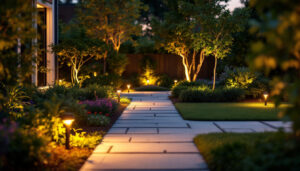
In recent years, the popularity of LED garden solar lights has surged, primarily due to their eco-friendly nature and ease of installation. These lights harness solar energy, reducing electricity costs and minimizing the carbon footprint associated with outdoor lighting. Additionally, advancements in solar technology have led to improved battery storage and brighter LED outputs, making solar options more viable even in areas with less sunlight. However, contractors must consider the specific location and climate conditions, as prolonged periods of cloudy weather can affect the performance of solar lights, necessitating a careful assessment of the site before installation.
On the other hand, traditional wired LED fixtures offer consistent brightness and reliability, making them ideal for larger properties or commercial landscapes where extensive lighting is required. These fixtures can be integrated with smart home systems, allowing for programmable schedules and remote control, which enhances usability and energy management. However, the installation process can be more labor-intensive, often requiring trenching and electrical work, which may increase upfront costs. Contractors must weigh these factors against the long-term benefits, such as reduced maintenance and energy costs, to determine the best approach for their clients’ needs.
Understanding LED Garden Solar Lights
Technology and Functionality
LED garden solar lights combine two key technologies: light-emitting diodes (LEDs) and solar power. LEDs are known for their energy efficiency, long lifespan, and low heat output. When paired with integrated solar panels and rechargeable batteries, these lights operate independently of the electrical grid, harnessing sunlight during the day to power illumination at night.
This self-contained system eliminates the need for wiring, making installation straightforward and flexible. The solar panels typically charge lithium-ion or nickel-metal hydride batteries, which store energy to provide consistent lighting after dusk.
Energy Efficiency and Environmental Impact
LED garden solar lights are among the most energy-efficient options available. Since they rely entirely on renewable solar energy, they produce zero operational carbon emissions. This aligns well with increasing client demand for sustainable and eco-friendly landscaping solutions.
Moreover, LEDs consume significantly less power than traditional halogen or incandescent bulbs, extending battery life and reducing the frequency of replacements. This energy efficiency translates into lower operational costs and a reduced environmental footprint.
Comparing LED Garden Solar Lights with Wired LED Fixtures
Installation and Flexibility
One of the most compelling advantages of LED garden solar lights over wired LED fixtures is the ease of installation. Solar lights require no trenching, conduit, or electrical connections, which can significantly reduce labor time and costs. This is particularly beneficial in retrofitting projects or areas where running electrical wiring is impractical or cost-prohibitive.
However, wired LED fixtures provide greater flexibility in terms of brightness, color temperature options, and control systems. They can be integrated with smart lighting controls, dimmers, and timers more seamlessly than most solar options, offering enhanced customization for sophisticated landscape designs.
Performance and Reliability
Wired LED garden lights typically deliver more consistent and higher-intensity illumination because they draw power directly from the electrical grid. This makes them suitable for applications requiring bright, long-duration lighting, such as security or feature highlighting.
In contrast, solar LED lights’ performance depends heavily on geographic location, weather conditions, and seasonal sunlight availability. In regions with limited sunlight or during extended overcast periods, solar lights may underperform or require frequent battery replacements, potentially impacting reliability.
Maintenance Considerations
Solar lights generally require less maintenance in terms of wiring and electrical safety inspections. However, their batteries and solar panels need periodic cleaning and replacement to maintain optimal performance. Battery lifespan varies but typically ranges from two to five years, after which replacements are necessary.
Wired LED fixtures, while more complex to install, often have longer lifespans for their components and fewer issues related to energy storage. Maintenance typically involves bulb replacement and occasional fixture cleaning.
Evaluating Halogen and Incandescent Garden Lights as Alternatives
Energy Consumption and Heat Output
Halogen and incandescent garden lights have been traditional choices for outdoor lighting but are increasingly less favored due to their high energy consumption and heat generation. These bulbs convert a large portion of electrical energy into heat rather than light, making them inefficient compared to LED technology.
For lighting contractors, specifying halogen or incandescent fixtures means higher operational costs for clients and increased environmental impact. Additionally, their shorter lifespan necessitates more frequent replacements, adding to maintenance burdens.
Light Quality and Aesthetic Considerations
Despite their inefficiencies, halogen and incandescent lights are often praised for their warm color temperature and excellent color rendering index (CRI), which can enhance the natural appearance of plants and garden features. Some clients may prefer this traditional lighting quality for specific design goals.
However, advancements in LED technology have significantly closed the gap in light quality, with many LEDs now offering adjustable color temperatures and high CRI ratings that rival or exceed those of halogen bulbs.
Cost Analysis: Initial Investment vs. Long-Term Value
Upfront Costs
LED garden solar lights typically have a moderate initial cost, often higher than basic halogen or incandescent fixtures but competitive with wired LED options when factoring in installation expenses. The absence of wiring reduces labor and material costs, which can make solar lights more budget-friendly in certain projects.
Wired LED fixtures may require a higher upfront investment due to the complexity of electrical installation, especially in large or intricate landscapes. Halogen and incandescent lights generally have the lowest initial purchase price but incur higher energy and maintenance costs over time.
Operational and Maintenance Costs
Solar LED lights offer significant savings on electricity bills since they operate entirely on solar energy. However, contractors should advise clients about potential battery replacement costs and the need for occasional solar panel cleaning to maintain efficiency.
Wired LED systems consume electricity but do so efficiently, resulting in relatively low energy costs. Their longer lifespan and durability often translate to reduced maintenance expenses compared to halogen or incandescent lighting.
Halogen and incandescent lights, while cheaper initially, lead to higher energy consumption and more frequent bulb replacements, increasing the total cost of ownership.
Practical Considerations for Lighting Contractors
Site Assessment and Client Needs
Choosing the right garden lighting solution begins with a thorough site assessment. Contractors should evaluate sunlight exposure, landscape layout, power availability, and client preferences. Solar LED lights are ideal for areas with ample sunlight and where wiring is impractical. Conversely, wired LEDs may be preferable for projects requiring high-intensity lighting or integration with home automation systems.
Understanding client priorities—whether sustainability, aesthetics, cost, or ease of maintenance—will guide the selection process and ensure satisfaction.
Regulatory and Safety Compliance
Lighting contractors must also consider local regulations and safety standards. Solar garden lights typically pose fewer electrical hazards and may simplify compliance with outdoor wiring codes. However, wired installations must adhere to strict guidelines to prevent electrical faults and ensure durability against weather conditions.
Additionally, contractors should verify that all lighting products meet relevant certifications for outdoor use, such as IP ratings for water resistance and UL or ETL listings for electrical safety.
Emerging Trends and Innovations in Garden Lighting
Smart Solar LED Systems
Recent advancements have introduced smart solar LED garden lights equipped with features like motion sensors, remote control, and programmable lighting schedules. These innovations enhance functionality and user control, making solar lighting more competitive with wired systems in terms of versatility.
Lighting contractors can leverage these technologies to offer clients modern, energy-efficient solutions that integrate seamlessly with smart home ecosystems.
Hybrid Systems and Energy Storage Improvements
Hybrid lighting systems that combine solar power with grid backup are gaining traction, providing reliable illumination regardless of weather or daylight conditions. Improvements in battery technology, such as the adoption of lithium iron phosphate (LiFePO4) batteries, are extending lifespan and enhancing safety.
These developments expand the applicability of solar lighting in diverse environments and can be a compelling option for contractors addressing challenging site conditions.
Conclusion: Making the Best Choice for Garden Lighting Projects
For lighting contractors, the decision between LED garden solar lights and alternative lighting technologies hinges on a balance of factors including installation logistics, energy efficiency, performance reliability, maintenance demands, and client priorities.
LED garden solar lights offer remarkable benefits in sustainability, ease of installation, and operational cost savings, making them an excellent choice for many residential and commercial landscaping projects. However, wired LED fixtures remain superior in delivering consistent, high-intensity lighting and advanced control options, suited for more demanding applications.
Halogen and incandescent lights, while occasionally preferred for their warm light quality, are generally less favorable due to inefficiency and higher lifecycle costs.
By carefully assessing project requirements and leveraging the latest innovations in lighting technology, contractors can provide tailored solutions that enhance outdoor spaces while meeting budgetary and environmental goals.
Illuminate Your Projects with LumenWholesale
Ready to elevate your garden lighting projects with superior quality and value? Look no further than LumenWholesale for a vast selection of spec-grade LED garden solar lights and other lighting alternatives. Our commitment to providing top-quality products at wholesale prices ensures that you can offer your clients the best in sustainability, efficiency, and design without the burden of inflated costs. Take advantage of our hassle-free bulk buying and free shipping to get the premium lighting your projects deserve. Discover wholesale lighting at the best value today and light up your next project with confidence.