Introduction to the Evolving LED Bulb Landscape
LED technology has revolutionized the lighting industry, offering energy efficiency, longevity, and versatility that traditional incandescent and fluorescent bulbs cannot match. For lighting contractors, staying abreast of the latest trends in LED bulbs is not just beneficial—it’s essential. The market is continuously evolving with innovations that impact installation techniques, client preferences, regulatory compliance, and energy savings. Understanding these trends enables contractors to provide informed recommendations, optimize project outcomes, and maintain a competitive edge.
In this article, we explore the most significant LED bulb trends that lighting contractors should know. From advancements in smart lighting to sustainability considerations and new design standards, these insights will help contractors navigate the current and future lighting landscape effectively.
One of the most exciting developments in the LED bulb market is the rise of smart lighting solutions. These products not only allow for remote control via smartphones and voice-activated devices but also enable users to customize their lighting environments through programmable settings and automated schedules. This level of control enhances user experience and can lead to significant energy savings, as lights can be programmed to turn off when not in use or adjust brightness based on the time of day. For contractors, understanding the integration of smart technology into lighting systems is crucial, as it opens up new avenues for client engagement and satisfaction.
Moreover, sustainability has become a focal point in the lighting industry, with many manufacturers prioritizing eco-friendly materials and production processes. The shift towards circular economy principles means that contractors need to be aware of products that not only reduce energy consumption but also minimize waste. This includes bulbs that are designed for easy recycling and those that utilize sustainable manufacturing practices. As clients become more environmentally conscious, being knowledgeable about these sustainable options can enhance a contractor’s reputation and appeal to a broader customer base, ultimately driving business growth.
Smart LED Bulbs: Integration and Control
Rise of IoT-Enabled Lighting Solutions
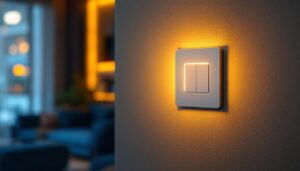
The integration of LED bulbs with Internet of Things (IoT) technology has transformed lighting from a simple utility to a sophisticated, controllable system. Smart LED bulbs can be managed remotely via smartphones, tablets, or voice assistants, offering unprecedented convenience and customization. For lighting contractors, this means expanding their expertise beyond traditional wiring and installation to include network setup and system integration. The ability to create personalized lighting scenes that adapt to various activities—such as movie nights, reading, or entertaining—has become a key selling point for these advanced systems.
Smart bulbs often feature adjustable color temperatures, dimming capabilities, and scheduling functions. These features appeal to both residential and commercial clients looking for energy savings and enhanced ambiance. Contractors who can recommend and install these systems position themselves as forward-thinking professionals capable of delivering modern lighting solutions. Moreover, the integration of smart bulbs with home automation systems allows users to synchronize their lighting with other smart devices, such as thermostats and security systems, creating a cohesive and efficient smart home ecosystem.
Compatibility and Interoperability Challenges
Despite their advantages, smart LED bulbs come with challenges related to compatibility and interoperability. Different manufacturers use varying communication protocols such as Zigbee, Z-Wave, Wi-Fi, or Bluetooth. Lighting contractors must understand these protocols to ensure seamless integration with existing smart home or building management systems. Offering clients a unified and reliable lighting control experience often requires careful product selection and sometimes custom programming. Additionally, the rapid pace of technological advancement means that contractors must stay updated on the latest developments in smart lighting to provide the best solutions for their clients.
Furthermore, as the market for smart lighting continues to grow, consumers are becoming more discerning about the products they choose. They often seek out solutions that not only meet their functional needs but also align with their aesthetic preferences. This trend has led to the emergence of smart bulbs that mimic traditional light sources, such as incandescent and halogen bulbs, while still providing the benefits of energy efficiency and smart control. Contractors who can educate clients on the various options available, including the aesthetic and functional differences among smart bulbs, will be better positioned to meet diverse customer needs and preferences.
Energy Efficiency and Regulatory Compliance
Advancements in Lumens per Watt
Energy efficiency remains a cornerstone of LED bulb innovation. Recent developments have pushed the boundaries of lumens per watt, meaning newer LED bulbs deliver more light output for less energy consumption. This improvement directly benefits clients by reducing electricity costs and environmental impact.
Lighting contractors should familiarize themselves with the latest efficiency standards and product specifications. Recommending bulbs with high efficacy not only aligns with sustainability goals but also helps clients qualify for energy rebates and incentives offered by utility companies and government programs.
Meeting Stringent Energy Codes and Standards
Building codes and energy regulations have become increasingly stringent worldwide. Many jurisdictions require lighting installations to meet specific energy performance criteria, including minimum efficacy levels and controls such as occupancy sensors or daylight harvesting. Lighting contractors must stay informed about these evolving regulations to ensure compliance and avoid costly rework or penalties.
Moreover, certifications such as ENERGY STAR and DesignLights Consortium (DLC) listings serve as reliable indicators of product quality and efficiency. Advising clients to select certified LED bulbs enhances project credibility and long-term performance.
Design and Aesthetic Innovations in LED Bulbs
Improved Color Rendering and Tunable White Lighting
One of the traditional criticisms of LED lighting was its inability to replicate the warm, natural light of incandescent bulbs. However, recent advances in color rendering index (CRI) and tunable white technology have addressed this limitation. High-CRI LED bulbs now deliver vibrant, true-to-life colors, enhancing the visual appeal of interiors.
Tunable white lighting allows users to adjust the color temperature throughout the day, mimicking natural daylight patterns. This dynamic lighting supports occupant well-being and productivity, making it especially valuable in office, healthcare, and educational environments. Lighting contractors who understand these options can tailor solutions to meet specific client needs.
Form Factor and Fixture Compatibility
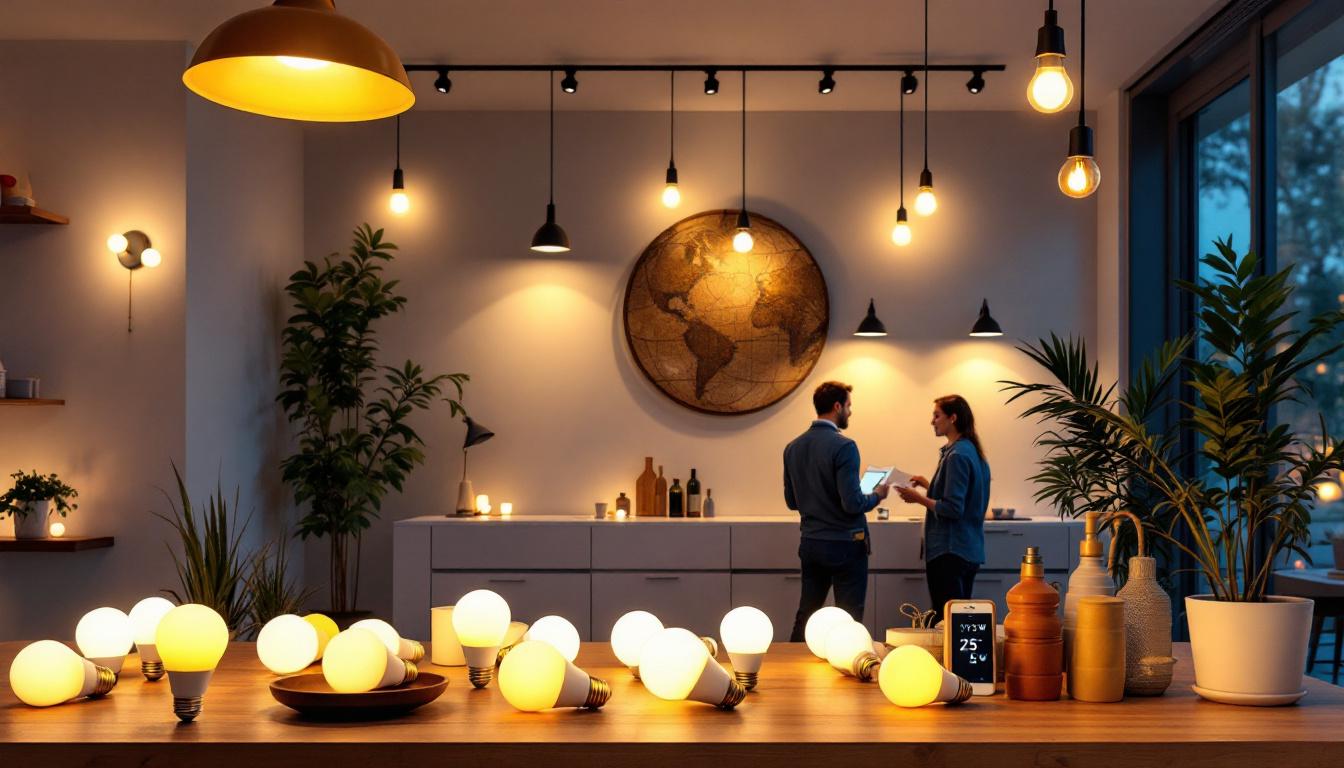
LED bulb designs continue to evolve, with manufacturers offering a variety of shapes, sizes, and base types to fit diverse fixtures. From traditional A19 shapes to vintage filament styles and ultra-compact bulbs for recessed or track lighting, the options are extensive. This variety enables contractors to replace outdated bulbs seamlessly without compromising aesthetics or functionality.
Additionally, advancements in thermal management have allowed for smaller, more efficient LED bulbs that maintain performance without overheating. Contractors should consider these factors when specifying products to ensure longevity and safety.
Sustainability and Environmental Impact
Focus on Circular Economy and Recycling
As sustainability becomes a priority across industries, the lighting sector is embracing circular economy principles. LED bulbs, while more environmentally friendly than traditional options, still require responsible disposal and recycling to minimize waste and recover valuable materials.
Lighting contractors can play a vital role by educating clients on proper disposal methods and partnering with recycling programs. Some manufacturers offer take-back initiatives or design bulbs with recyclable components, further supporting sustainable practices.
Reduction of Harmful Substances
Modern LED bulbs are designed to eliminate hazardous materials such as mercury, which is commonly found in fluorescent lamps. This reduction enhances safety during installation and disposal, aligning with health and environmental regulations. Contractors should highlight these benefits when advising clients, especially in sensitive environments like schools and hospitals.
Emerging Technologies and Future Outlook
Human-Centric Lighting and Circadian Rhythm Support
Human-centric lighting (HCL) is an emerging trend that focuses on designing lighting systems to support human biological rhythms and well-being. LED technology enables precise control over intensity and spectral output, allowing lighting to influence mood, alertness, and sleep patterns.
For lighting contractors, understanding HCL principles opens opportunities to offer specialized solutions in healthcare, hospitality, and residential markets. Implementing these systems requires collaboration with designers and health experts, positioning contractors as integral contributors to holistic building environments.
Integration with Building Automation Systems
The future of LED lighting lies in seamless integration with comprehensive building automation systems (BAS). Advanced sensors, data analytics, and AI-driven controls optimize lighting based on occupancy, daylight availability, and energy consumption patterns.
Lighting contractors who develop skills in BAS integration can deliver smarter, more efficient lighting infrastructures. This expertise not only enhances client satisfaction but also creates recurring revenue streams through maintenance and system upgrades.
Practical Tips for Lighting Contractors
Continuous Education and Certification
Given the rapid pace of LED technology advancement, continuous education is crucial. Participating in manufacturer training programs, industry workshops, and certification courses ensures contractors remain knowledgeable about the latest products and installation techniques.
Certifications such as the Lighting Certified (LC) credential from the National Council on Qualifications for the Lighting Professions (NCQLP) can enhance credibility and demonstrate commitment to excellence.
Client Communication and Consultation
Effective communication with clients is key to successful lighting projects. Contractors should take the time to explain the benefits and limitations of different LED options, addressing concerns about cost, aesthetics, and functionality. Providing detailed proposals with energy savings projections and lifecycle cost analysis helps clients make informed decisions.
Leveraging Technology for Project Management
Utilizing digital tools for design visualization, project tracking, and inventory management streamlines operations and improves accuracy. Software that supports lighting simulations and energy modeling can assist contractors in optimizing layouts and demonstrating value to clients.
Conclusion
The LED bulb market is dynamic, driven by technological innovation, regulatory shifts, and evolving client expectations. For lighting contractors, mastering the latest trends—from smart lighting integration and energy efficiency to design innovations and sustainability—is essential for delivering superior service and maintaining a competitive advantage.
By embracing continuous learning, fostering client collaboration, and adopting emerging technologies, contractors can position themselves as trusted experts in the lighting industry. Staying informed about these trends not only enhances project outcomes but also contributes to a more sustainable and intelligent built environment.
Illuminate Your Projects with LumenWholesale
Ready to elevate your lighting projects with the latest LED trends and innovations? At LumenWholesale, we provide lighting contractors like you with the highest quality, spec-grade lighting products at prices that can’t be beaten. Say goodbye to local distributor markups and hello to a vast selection of reliable, high-performance lighting solutions that meet the most rigorous industry standards. With free shipping on bulk orders, you can stock up on premium lighting without any hidden fees or compromises. Don’t miss out on the perfect combination of quality, affordability, and convenience. Wholesale Lighting at the Best Value is just a click away. Transform your lighting projects with LumenWholesale today.