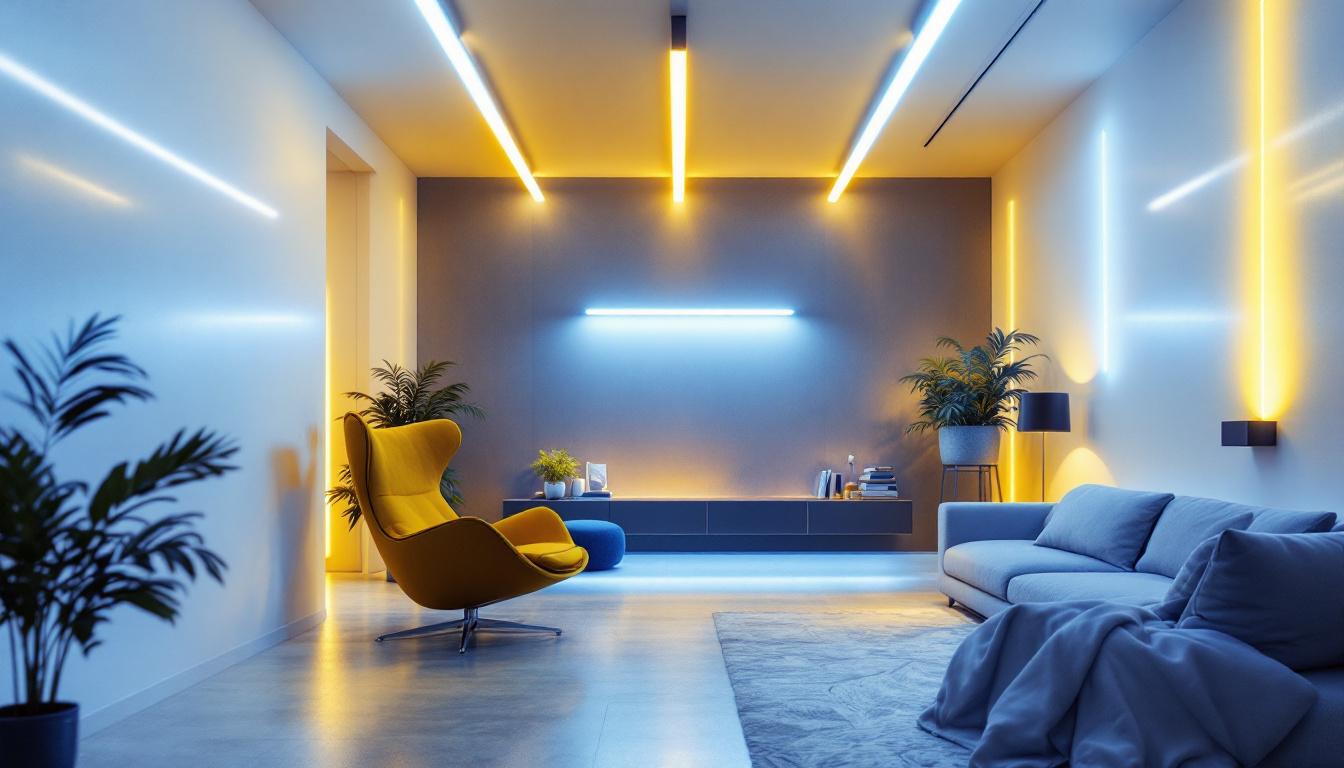
Understanding Reflector White and Its Role in Lighting Efficiency
Reflector white is a crucial component in lighting design, especially for contractors aiming to maximize the performance and efficiency of their installations. At its core, reflector white refers to the reflective coating or material inside a light fixture that helps redirect and diffuse light output. By optimizing this reflective surface, lighting contractors can significantly improve lumen output, reduce energy consumption, and enhance overall lighting quality.
In practical terms, the reflector white surface acts as a mirror that bounces light emitted from the source, such as an LED or fluorescent bulb, toward the intended area. The efficiency of this reflection depends on the reflectivity of the surface, its texture, and the geometry of the fixture. High-quality reflector white coatings can reflect upwards of 90% of the light, whereas poorly designed or degraded surfaces might reflect less than 70%, leading to wasted energy and suboptimal illumination.
Why Reflector White Matters for Lighting Contractors
For lighting contractors, understanding and optimizing reflector white is not just about improving aesthetics; it directly impacts project outcomes and client satisfaction. Efficient reflectors reduce the number of fixtures needed to achieve a given illumination level, lowering installation and operational costs. Additionally, better reflectors contribute to uniform light distribution, reducing glare and hotspots, which is critical in commercial, industrial, and residential applications.
Moreover, as energy codes and sustainability standards become more stringent, contractors who leverage reflector white optimization can help clients meet or exceed these requirements. This competitive advantage can lead to increased trust, repeat business, and a reputation for delivering cutting-edge lighting solutions.
Key Factors Influencing Reflector White Performance
Optimizing reflector white performance involves a nuanced understanding of several interrelated factors. These include the material’s reflectivity, surface texture, durability, and compatibility with the light source and fixture design.
Reflectivity and Material Selection
The reflectivity of a surface is measured as the percentage of light it reflects compared to the light it receives. For reflector white surfaces, materials with reflectivity above 85% are considered high-performance. Common materials include aluminum with a white powder coating, specialized white paints, and polymer films designed for high reflectivity.
Aluminum substrates coated with reflective white paints are popular due to their durability and high reflectance. However, the choice of paint or coating is critical; some formulations degrade under UV exposure or heat, reducing reflectivity over time. Contractors should prioritize materials tested for longevity and stability in the intended operating environment.
Surface Texture and Light Diffusion
The texture of the reflector white surface influences how light is scattered. A smooth, glossy finish tends to reflect light specularly, meaning in a single direction, which can create glare or uneven illumination. Conversely, a matte or textured surface diffuses light, spreading it more evenly and reducing harsh shadows.
Choosing the right texture depends on the application. For example, retail or office lighting benefits from diffused reflection to create comfortable, uniform light, while accent lighting might require more directional reflection. Contractors should assess the lighting goals and select reflector finishes accordingly.
Durability and Maintenance Considerations
Reflector white surfaces must maintain their reflective properties over time despite exposure to dust, moisture, and temperature fluctuations. Durable coatings resist yellowing, cracking, and corrosion, which can degrade performance. Maintenance accessibility also matters; fixtures designed for easy cleaning help preserve reflector efficiency throughout their lifespan.
Contractors should specify materials and fixtures with proven durability records and consider environments such as industrial plants or outdoor installations where harsher conditions prevail. Investing in high-quality reflector white materials reduces long-term maintenance costs and ensures consistent lighting quality.
Techniques to Optimize Reflector White for Maximum Efficiency
Once the fundamental factors are understood, contractors can implement several practical techniques to optimize reflector white and enhance lighting efficiency.
Selecting High-Reflectance Coatings
Choosing coatings with the highest practical reflectance is the first step. Advances in coating technology have produced specialized paints and films with reflectance values exceeding 90%. These materials often incorporate titanium dioxide or other reflective pigments to boost performance.
Contractors should work closely with manufacturers to obtain reflectance data and certifications for coatings. Testing samples under real-world conditions can also validate performance claims. Selecting premium coatings may increase upfront costs but yields energy savings and improved lighting quality that justify the investment.
Optimizing Fixture Geometry and Reflector Shape
The shape of the reflector white surface significantly affects how light is directed. Parabolic, elliptical, and faceted reflectors each offer different light distribution patterns. Properly designed reflector geometry ensures that light is focused where needed, minimizing losses and glare.
Lighting contractors should collaborate with designers or use lighting simulation software to model reflector shapes and predict performance. Adjusting angles and curves can improve lumen output by directing more light downward or toward task areas, enhancing both efficiency and user comfort.
Maintaining Reflector White Surfaces
Regular maintenance is essential to preserve reflector white efficiency. Dust accumulation, dirt, and surface degradation reduce reflectivity and can cause uneven lighting. Establishing cleaning protocols and schedules helps maintain optimal performance.
Using non-abrasive cleaning agents and soft cloths prevents damage to delicate coatings. In environments prone to contamination, contractors might recommend protective covers or sealed fixtures to reduce maintenance frequency. Educating clients about the importance of reflector upkeep ensures long-term satisfaction.
Case Studies: Real-World Applications of Reflector White Optimization
Examining practical examples highlights the tangible benefits of optimizing reflector white in various lighting projects.
Commercial Office Lighting Upgrade
A large office complex sought to reduce energy costs while improving lighting quality. By retrofitting existing fixtures with high-reflectance white coatings and adjusting reflector geometries, the lighting contractor achieved a 20% increase in lumen output without increasing wattage. This allowed for a reduction in the number of fixtures installed, lowering both capital and operational expenses.
Additionally, employees reported improved visual comfort due to more uniform light distribution and reduced glare. The project demonstrated how reflector white optimization can deliver measurable energy savings and enhance occupant satisfaction.
Industrial Warehouse Lighting Retrofit
In an industrial warehouse, poor lighting had led to safety concerns and reduced productivity. The contractor replaced outdated fixtures with modern units featuring advanced reflector white surfaces engineered for high reflectivity and durability. The new reflectors incorporated textured finishes to minimize glare and improve light diffusion across large open spaces.
The retrofit resulted in a 30% reduction in energy consumption while increasing average illumination levels by 25%. The durable coatings withstood harsh environmental conditions, minimizing maintenance requirements. This case underscores the importance of material selection and surface texture in challenging settings.
Retail Storefront Lighting Enhancement
A retail chain wanted to enhance product visibility and create an inviting atmosphere. The lighting contractor specified fixtures with reflector white surfaces optimized for color rendering and uniformity. Using simulation tools, the contractor fine-tuned reflector shapes to direct light precisely onto merchandise displays.
The outcome was a vibrant, well-lit environment that boosted customer engagement and sales. Energy usage remained stable due to efficient reflector design, demonstrating that aesthetic improvements and efficiency can coexist when reflector white optimization is prioritized.
Emerging Trends and Technologies in Reflector White Optimization
The lighting industry continues to evolve, with new materials and technologies offering exciting opportunities to enhance reflector white performance further.
Nanotechnology-Enhanced Reflective Coatings
Recent advances in nanotechnology have led to coatings that manipulate light at the microscopic level, increasing reflectivity beyond traditional limits. These coatings can also provide self-cleaning properties, reducing maintenance needs by repelling dust and moisture.
Lighting contractors should keep abreast of these developments as they become commercially viable, as they promise to revolutionize reflector white efficiency and durability.
Integration with Smart Lighting Systems
Smart lighting systems that adjust brightness and color temperature dynamically can benefit from optimized reflector white surfaces. By maximizing the efficiency of reflected light, these systems can operate at lower power levels while maintaining desired illumination levels, extending fixture lifespan and reducing energy consumption.
Contractors involved in smart lighting installations should consider reflector white characteristics as part of the overall system design to achieve the best results.
Sustainable and Eco-Friendly Materials
Environmental concerns drive demand for sustainable materials in lighting. Reflector white coatings made from low-VOC (volatile organic compound) paints or recyclable polymers align with green building standards and certifications.
Contractors can differentiate their services by specifying eco-friendly reflector materials that do not compromise performance, appealing to environmentally conscious clients and complying with increasingly strict regulations.
Best Practices for Lighting Contractors: Implementing Reflector White Optimization
To capitalize on the benefits of reflector white optimization, lighting contractors should adopt a systematic approach throughout project planning, execution, and maintenance.
Conduct Comprehensive Lighting Assessments
Begin with detailed assessments of existing lighting conditions, client needs, and environmental factors. Use photometric measurements and simulations to identify inefficiencies and opportunities for improvement related to reflector white surfaces.
Specify High-Quality Materials and Fixtures
Choose reflector white materials with verified reflectance data and proven durability. Collaborate with trusted manufacturers and suppliers to ensure product quality and availability. Avoid cost-cutting on reflectors, as this often leads to diminished performance and client dissatisfaction.
Leverage Technology and Software Tools
Utilize lighting design software to model reflector shapes, surface textures, and coatings. Simulations help predict real-world performance and enable data-driven decisions that optimize efficiency and aesthetics.
Educate Clients on Maintenance and Longevity
Provide clients with clear guidance on maintaining reflector white surfaces, including cleaning schedules and best practices. Highlight the long-term benefits of upkeep in preserving energy savings and lighting quality.
Stay Informed on Industry Innovations
Continuously update knowledge on emerging reflector materials, coatings, and technologies. Attend industry conferences, participate in training, and engage with manufacturers to remain at the forefront of reflector white optimization techniques.
Conclusion
Reflector white optimization is a powerful yet often underappreciated strategy for enhancing lighting efficiency and quality. For lighting contractors, mastering the selection, design, and maintenance of reflector white surfaces can lead to significant energy savings, improved client satisfaction, and competitive advantage.
By understanding the science behind reflectivity, leveraging advanced materials and technologies, and applying best practices in project execution, contractors can deliver lighting solutions that excel in performance, sustainability, and aesthetics. As the lighting industry advances, reflector white will remain a fundamental element in achieving maximum efficiency and illuminating spaces with precision and care.
Illuminate Your Projects with LumenWholesale
Ready to take your lighting projects to the next level? At LumenWholesale, we provide lighting contractors with the highest quality, spec-grade lighting products at prices that can’t be beaten. Say goodbye to unnecessary markups and hello to a vast selection of reliable, high-performance lighting solutions that meet the strictest industry standards. With free shipping on bulk orders, you can stock up on premium lighting essentials and enjoy the best value without any hidden costs. Elevate your lighting efficiency and quality with the perfect blend of affordability and convenience. Discover wholesale lighting at the best value today and light up your spaces with confidence and care.