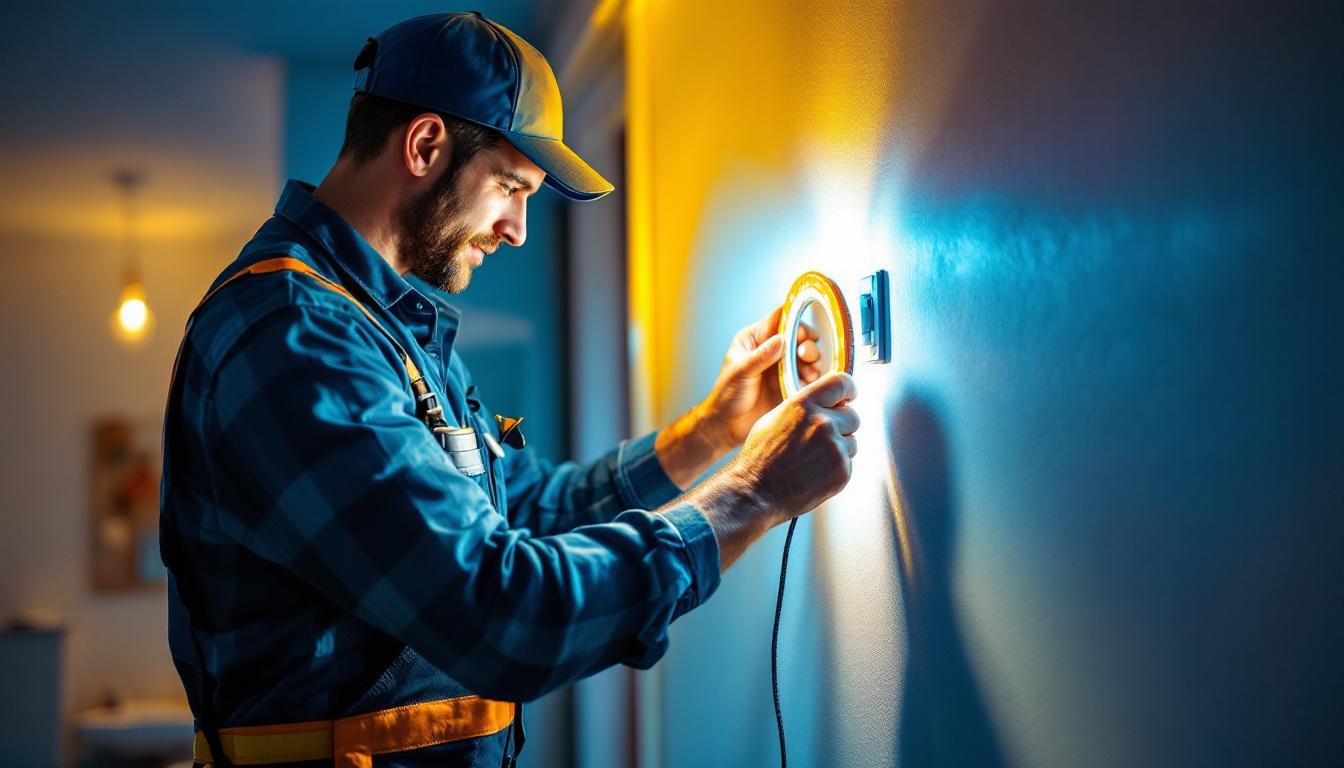
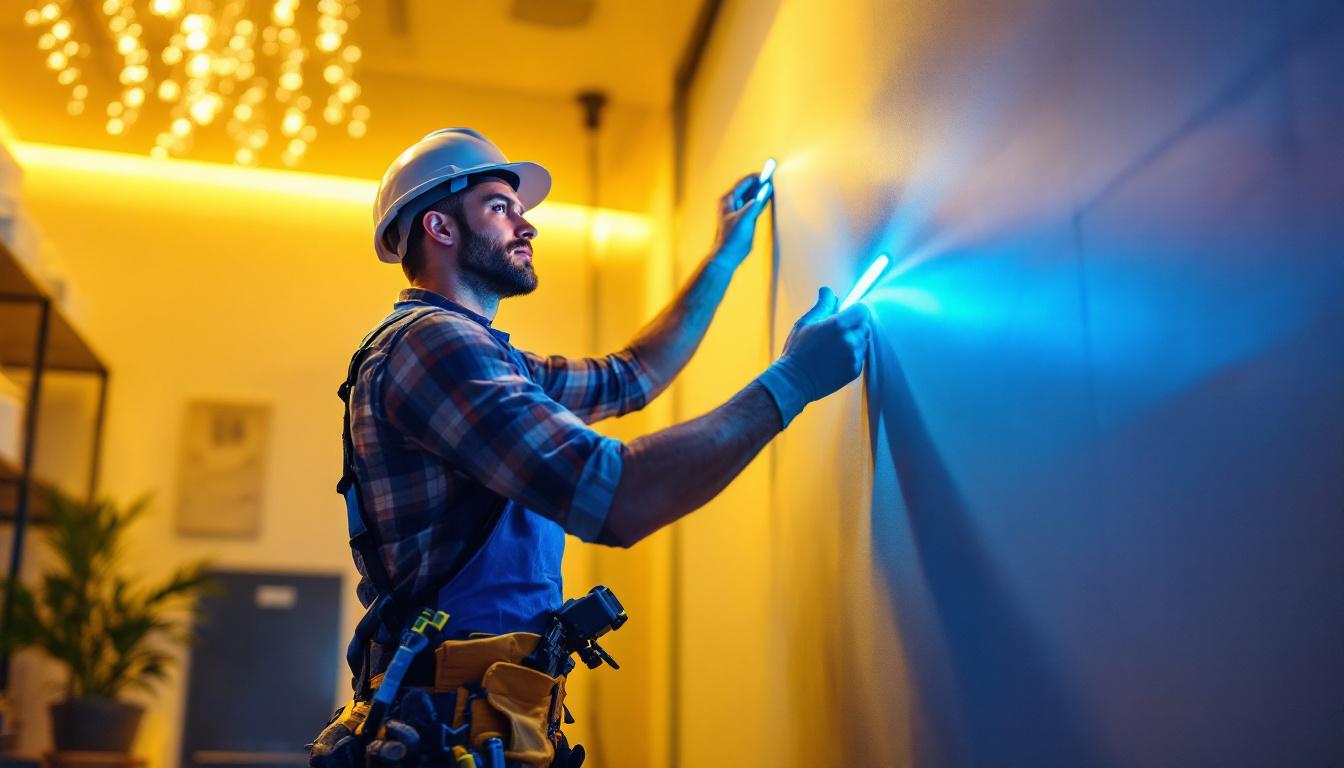
Understanding Direct Wire LED Strips: A Foundation for Success
Direct wire LED strips have become a popular choice among lighting contractors due to their sleek design, energy efficiency, and flexibility in installation. Unlike plug-and-play LED strips, direct wire LED strips require a connection directly to the building’s electrical system, often bypassing traditional power adapters. This method offers a cleaner aesthetic and can reduce long-term maintenance issues when done correctly.
However, the technical demands and safety considerations of direct wiring mean that even experienced contractors can fall into common pitfalls. Understanding the electrical requirements, load capacities, and installation best practices is essential to avoid costly errors and ensure client satisfaction.
The Appeal of Direct Wire LED Strips
Direct wire LED strips eliminate the need for bulky power supplies and adapters, allowing for a more seamless integration into architectural elements. They are especially favored in commercial and high-end residential projects where aesthetics and durability matter. Additionally, direct wiring can improve voltage stability and reduce flickering issues often associated with plug-in systems. This stability not only enhances the visual quality of the lighting but also extends the lifespan of the LED strips, making them a more reliable choice for long-term installations.
Moreover, the versatility of direct wire LED strips allows them to be used in a variety of applications, from under-cabinet lighting in kitchens to accent lighting in retail spaces. Their ability to be cut to length and customized for specific projects means that contractors can create unique lighting solutions tailored to the needs of each client. This adaptability not only enhances the overall design but also opens up creative possibilities that can elevate a project’s aesthetic appeal.
Why Lighting Contractors Should Pay Attention
Lighting contractors are often tasked with balancing design intent, safety codes, and budget constraints. Mistakes in wiring LED strips can lead to system failures, fire hazards, or costly callbacks. Given the increasing adoption of LED technology, mastering direct wire installations is not just beneficial—it’s becoming a necessity. Furthermore, staying updated on the latest advancements in LED technology and installation techniques can provide contractors with a competitive edge in the market.
As energy efficiency becomes a priority for more clients, understanding the nuances of direct wire LED strips can also help contractors make informed recommendations that align with sustainability goals. This knowledge not only fosters trust with clients but can also lead to referrals and repeat business. By investing time in training and education on direct wire systems, contractors can position themselves as experts in the field, ready to tackle the challenges of modern lighting design with confidence.
Common Mistakes in Direct Wire LED Strip Installations
Despite the advantages, several recurring errors undermine the effectiveness and safety of direct wire LED strip projects. These mistakes often stem from misunderstandings about electrical load, improper wiring techniques, and neglecting manufacturer specifications.
1. Ignoring Electrical Load Calculations
One of the most critical errors is underestimating the electrical load that the LED strips will draw. LED strips, though energy-efficient, still require a specific current and voltage. Overloading a circuit can cause overheating, premature failure of the LED strips, or even pose fire risks.
Lighting contractors sometimes rely on rough estimates or assume that all LED strips consume minimal power. However, the wattage per foot varies significantly between products. For example, high-density LED strips can draw upwards of 14 watts per foot, which adds up quickly over long runs.
Proper load calculation involves summing the total wattage of all connected strips and ensuring the power supply and wiring can handle the load with a safe margin. NEC guidelines recommend not exceeding 80% of a circuit’s capacity to maintain safety and longevity.
2. Using Incompatible Power Supplies or Drivers
Another frequent mistake is pairing LED strips with power supplies or drivers that do not match their voltage or current requirements. Direct wire LED strips typically operate on low voltage DC power, commonly 12V or 24V. Using a power supply with incorrect voltage can damage the LEDs or cause erratic behavior.
Moreover, some contractors overlook the importance of using constant voltage or constant current drivers as specified by the manufacturer. LED strips designed for constant voltage should not be powered by constant current drivers, and vice versa. This mismatch can lead to uneven brightness, reduced lifespan, or failure.
3. Neglecting Proper Wire Gauge and Connections
Wire gauge selection is often underestimated in direct wire installations. Using wires that are too thin for the current load can cause voltage drops, resulting in dimmer LEDs at the far end of the strip or overheating of the wiring.
For example, a 16-gauge wire might suffice for short runs at low wattage, but longer runs or higher wattage strips require thicker wire, such as 14 or 12 gauge, to maintain voltage integrity and safety.
Additionally, poor-quality connectors or loose connections can introduce resistance, leading to flickering or intermittent operation. Lighting contractors should use connectors rated for the current and ensure secure, soldered, or crimped connections where appropriate.
4. Overlooking Heat Management
LED strips generate heat, and when directly wired, this heat can accumulate if not properly managed. Installing LED strips on non-heat-dissipating surfaces or enclosing them in airtight channels without ventilation can reduce their lifespan.
Contractors sometimes neglect to use aluminum profiles or heat sinks designed for LED strips, which help dissipate heat effectively. Proper heat management not only extends the life of the LEDs but also maintains consistent light output.
5. Failing to Follow Electrical Codes and Safety Standards
Compliance with local electrical codes and safety standards is non-negotiable. Direct wire LED installations must adhere to the National Electrical Code (NEC) or equivalent regulations, which cover aspects such as grounding, circuit protection, and wiring methods.
Some contractors inadvertently bypass these requirements, especially in retrofit projects or unconventional installations. This can lead to failed inspections, liability issues, and risks to occupant safety.
Best Practices for Successful Direct Wire LED Strip Installations
To avoid the pitfalls outlined above, lighting contractors should adopt a systematic approach that prioritizes planning, quality components, and adherence to standards.
Conduct Thorough Load and Voltage Assessments
Before installation, calculate the total wattage of the LED strips and ensure the power supply and wiring can handle the load with an appropriate safety margin. Use manufacturer datasheets to verify voltage and current requirements.
For longer runs, consider segmenting the LED strips into smaller sections powered individually to prevent voltage drop and maintain uniform brightness.
Select the Right Power Supply and Drivers
Choose power supplies that match the LED strip specifications exactly. Opt for high-quality, UL-listed drivers with built-in protections such as short-circuit, overload, and thermal shutdown.
When in doubt, consult with manufacturers or distributors for recommendations on compatible power supplies and drivers.
Use Appropriate Wire Gauge and Secure Connections
Calculate the required wire gauge based on the current and length of the run. Use thicker wires for longer distances or higher wattage strips to minimize voltage drop.
Ensure all connections are secure, using soldering or high-quality crimp connectors. Avoid twisting wires together without proper connectors, as this can lead to unreliable connections and safety hazards.
Implement Effective Heat Management Solutions
Install LED strips on aluminum profiles or heat sinks designed for LED applications. Ensure adequate ventilation around the strips, especially in enclosed or recessed installations.
Regularly inspect installations for signs of overheating, such as discoloration or warping of mounting surfaces.
Adhere Strictly to Electrical Codes and Safety Standards
Stay current with local electrical codes and NEC guidelines. Always ground the LED strip system properly and use circuit breakers or fuses rated for the load.
Document the installation thoroughly and prepare for inspections by ensuring all components are UL-listed or certified by recognized testing laboratories.
Case Studies: Learning from Real-World Installations
Examining real-world examples helps illustrate the importance of avoiding common mistakes and applying best practices.
Case Study 1: Commercial Retail Lighting Failure
A lighting contractor installed direct wire LED strips in a retail store without calculating the total load accurately. The power supply was undersized, and the wiring used was too thin for the current. Within weeks, the LEDs began flickering and eventually failed.
The contractor had to replace the entire system, incurring additional labor and material costs. This failure highlighted the critical need for precise load calculations and appropriate wire gauge selection.
Case Study 2: Residential Kitchen Under-Cabinet Lighting
In a high-end residential project, the contractor chose a high-quality 24V LED strip and matched it with a UL-listed constant voltage driver. Aluminum heat sinks were installed under the cabinets, and proper wire gauges were used for all runs.
The installation passed inspection with no issues, and the client reported consistent, flicker-free lighting that has lasted for years. This success underscores the value of adhering to manufacturer guidelines and investing in quality components.
Case Study 3: Hospitality Venue Retrofit
A hospitality venue retrofitted its lighting with direct wire LED strips but neglected to ground the system properly and bypassed some code requirements to save time. During an inspection, the installation was flagged, requiring costly rework and delaying the project.
This example demonstrates the importance of compliance with electrical codes not only for safety but also for project timelines and client satisfaction.
Conclusion: Elevating Your Direct Wire LED Strip Installations
Direct wire LED strip installations offer significant benefits in terms of aesthetics, efficiency, and durability. However, the complexity of these systems demands careful attention to electrical load, component compatibility, wiring quality, heat management, and code compliance.
Lighting contractors who invest time in planning, use quality materials, and follow best practices will avoid common pitfalls and deliver superior results. This not only enhances client trust but also positions contractors as experts in the evolving landscape of LED lighting technology.
Staying informed about the latest standards and manufacturer innovations will further empower contractors to execute flawless direct wire LED strip projects, ensuring safety, performance, and satisfaction for every client.
Upgrade Your Lighting Projects with LumenWholesale
Ready to take your direct wire LED strip installations to the next level? At LumenWholesale, we offer an exceptional range of spec-grade lighting products that combine quality with unbeatable wholesale value. Say goodbye to middleman markups and hello to superior lighting solutions that meet the highest industry standards. With free shipping on bulk orders, you can stock up on reliable, high-performance lighting without any hidden fees. Elevate your lighting projects and delight your clients with the perfect blend of affordability and excellence. Discover the difference today by visiting Wholesale Lighting at the Best Value and make every installation a shining success.