Understanding LED Technology in Outdoor Lighting
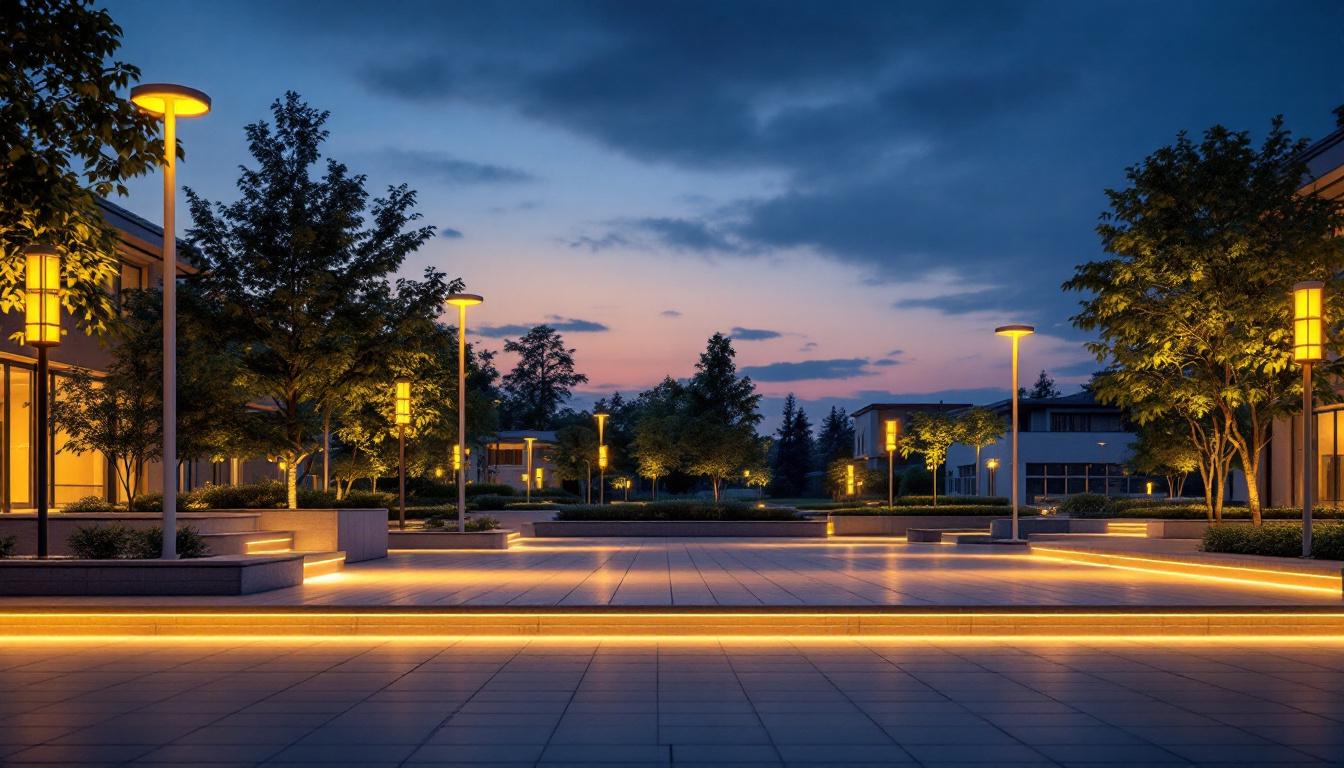
Light Emitting Diodes (LEDs) have revolutionized the lighting industry, especially in outdoor applications. For lighting contractors, grasping the fundamentals of LED technology is crucial not only for installation but also for advising clients on the best solutions.
Unlike traditional incandescent or fluorescent bulbs, LEDs produce light through electroluminescence, which involves the movement of electrons in a semiconductor material. This process results in significantly higher energy efficiency and longer lifespan. Outdoor LED fixtures can last up to 50,000 hours or more, reducing maintenance costs and frequency of replacements.
Moreover, LEDs offer superior durability. They are solid-state lights, meaning they are less susceptible to shock, vibration, and extreme weather conditions—factors that are common in outdoor environments. This robustness makes LEDs a preferred choice for everything from residential garden lights to large-scale commercial and municipal installations.
In addition to their durability, LEDs also provide flexibility in design and application. They are available in a wide range of color temperatures, allowing for customization to suit various aesthetic preferences and functional needs. For instance, warmer tones can create inviting atmospheres for outdoor patios, while cooler tones can enhance visibility and security in commercial spaces. Furthermore, the compact size of LED components enables innovative lighting designs, such as slim fixtures or integrated lighting solutions that blend seamlessly into architectural features.
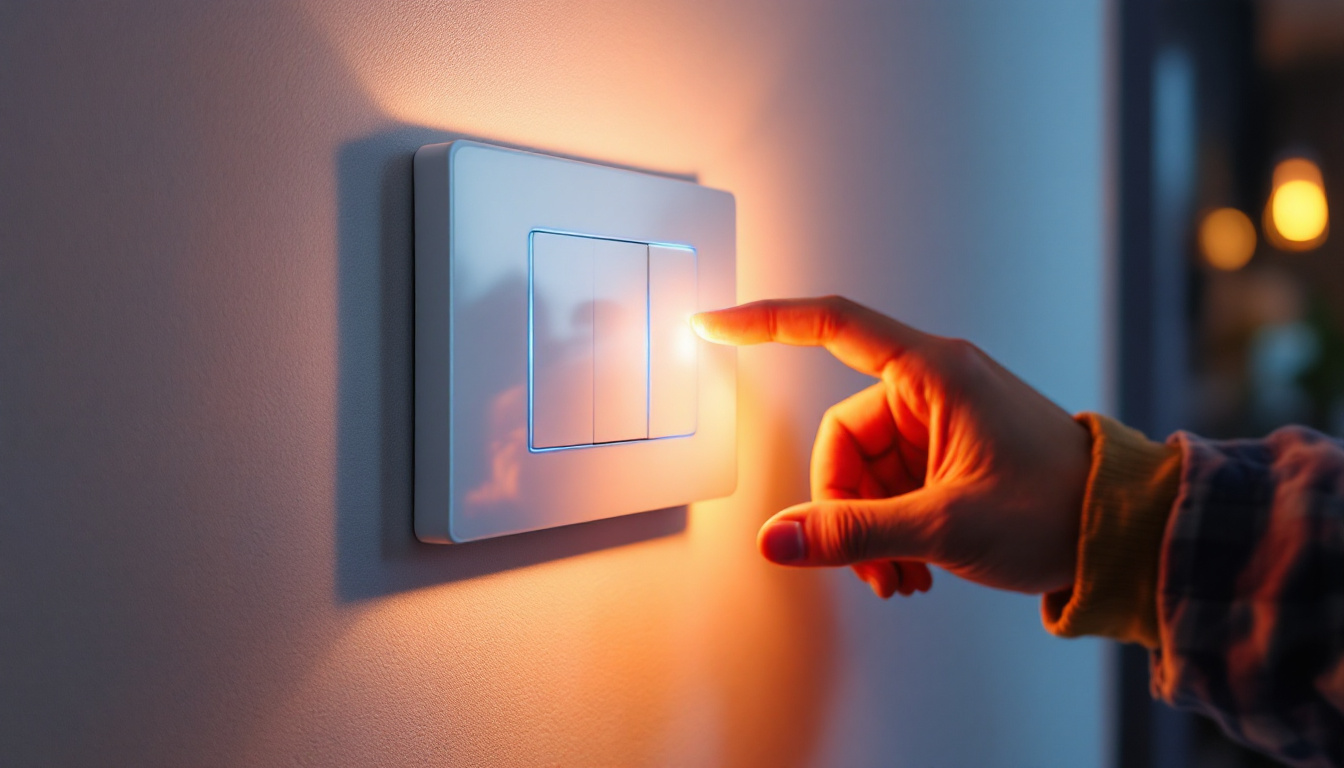
Another significant advantage of LED technology is its compatibility with smart lighting systems. Many outdoor LED fixtures can be integrated with smart controls, allowing users to adjust brightness, color, and even scheduling through mobile apps or smart home systems. This capability not only enhances convenience but also promotes energy savings by ensuring lights are only used when necessary. As the demand for energy-efficient and intelligent lighting solutions continues to grow, understanding the integration of LEDs with smart technology will be essential for lighting professionals aiming to stay ahead in the industry.
Key Benefits of LED Outdoor Lighting for Contractors
Energy Efficiency and Cost Savings
One of the most compelling reasons to recommend LED outdoor lighting is its energy efficiency. LEDs consume up to 75% less energy compared to traditional lighting systems. For contractors, this translates into a strong selling point when discussing operational costs with clients.
Energy savings also mean smaller electrical loads, which can reduce the size and cost of wiring and circuit protection devices. This can simplify installation and decrease overall project expenses. Furthermore, the reduced energy consumption contributes to a lower carbon footprint, aligning with the growing trend towards sustainability in construction and urban development. Clients are increasingly aware of their environmental impact, and presenting LED lighting as a green alternative can enhance a contractor’s appeal.
Longevity and Reduced Maintenance
Outdoor lighting often requires significant maintenance due to exposure to the elements. LEDs, with their extended lifespan, reduce the frequency of replacements and repairs. This is particularly important for commercial clients or municipalities where access to fixtures may be difficult or costly.
Lighting contractors can emphasize the long-term savings and reliability that LED technology offers, enhancing client satisfaction and trust. Additionally, the durability of LEDs means they are less prone to breakage from environmental factors such as wind, rain, or extreme temperatures. This resilience not only minimizes maintenance costs but also ensures that outdoor spaces remain well-lit and safe, which is crucial for public areas and high-traffic locations.
Enhanced Lighting Quality and Control
LEDs provide better color rendering and uniformity, which is vital for safety and aesthetic purposes in outdoor spaces. Whether illuminating pathways, building facades, or parking lots, quality lighting improves visibility and security.
Additionally, LEDs are compatible with advanced control systems such as dimmers, motion sensors, and smart lighting networks. These features allow for customized lighting schedules and adaptive brightness levels, optimizing energy use and enhancing user experience. The ability to integrate with smart city technologies also positions contractors to offer future-proof solutions that can adapt to evolving urban needs. As cities become smarter, the demand for responsive and efficient lighting solutions will only continue to grow, making LED systems a wise investment for contractors looking to stay ahead in the industry.
Design Considerations for Outdoor LED Lighting Projects
Evaluating the Environment and Application
Before selecting LED fixtures, contractors must assess the specific outdoor environment. Factors such as exposure to moisture, temperature extremes, and potential physical impacts influence fixture choice. For example, IP-rated fixtures are essential in wet or dusty conditions to ensure durability and performance. Additionally, understanding the local climate can help in selecting fixtures that can withstand harsh weather conditions, such as high winds or heavy snowfall, which may require more robust mounting systems or fixtures designed for extreme durability.
Understanding the application—whether it’s security lighting, landscape illumination, or architectural highlighting—guides the selection of appropriate beam angles, color temperatures, and mounting options. Each application has unique requirements; for instance, security lighting often necessitates brighter, more focused beams to deter intruders, while landscape lighting may benefit from softer, diffused illumination to enhance the beauty of natural features without overwhelming them. Engaging with clients to discuss their vision and specific needs can lead to a more tailored and effective lighting solution.
Color Temperature and Its Impact
Color temperature, measured in Kelvins (K), affects the ambiance and functionality of outdoor lighting. Warmer tones (2700K–3000K) create inviting and comfortable environments, ideal for residential areas and hospitality venues. Cooler tones (4000K–5000K) enhance visibility and are often used in commercial or security lighting. Moreover, the choice of color temperature can influence not only the aesthetic but also the behavior of people in the space; warmer lights tend to encourage relaxation, while cooler lights can stimulate alertness and focus.
Lighting contractors should discuss these options with clients to align lighting design with the intended mood and purpose, ensuring both aesthetic appeal and practical effectiveness. Furthermore, the integration of smart lighting technology can allow for dynamic adjustments to color temperature throughout the day, enhancing energy efficiency and user experience. For example, a system that shifts from cooler tones during the day to warmer tones in the evening can create a more welcoming atmosphere as the sun sets.
Light Pollution and Compliance
Light pollution is a growing concern in outdoor lighting design. Excessive or poorly directed light can cause glare, skyglow, and trespass, negatively impacting neighbors and the environment. This issue not only affects the quality of life for residents but also disrupts local wildlife, particularly nocturnal species that rely on natural darkness for their activities. Understanding the ecological implications of lighting choices is crucial for responsible design.
Contractors must be aware of local regulations and guidelines regarding light pollution. Utilizing full cutoff fixtures and carefully planning light placement can minimize unwanted light spill and ensure compliance with dark-sky initiatives. Additionally, incorporating timers and motion sensors can further reduce energy consumption and light pollution by ensuring that lights are only active when necessary. Educating clients about the benefits of responsible lighting practices can foster community support for outdoor projects and contribute to a more sustainable future.
Installation Best Practices for Outdoor LED Lighting
Proper Wiring and Electrical Considerations
Outdoor LED installations require careful attention to wiring methods to withstand environmental stresses. Using weatherproof connectors, conduit, and appropriate cable types ensures safety and longevity.
Contractors should also verify voltage compatibility and consider surge protection devices to guard against electrical spikes, which can damage LED drivers and reduce fixture lifespan.
Mounting and Positioning Techniques
Correct fixture placement is essential for optimal lighting performance. Lighting contractors should follow manufacturer guidelines for mounting height and angle to achieve the desired illumination pattern.
For landscape lighting, subtle positioning enhances features without causing glare. In security applications, strategic placement maximizes coverage and deterrence.
Testing and Commissioning
After installation, thorough testing ensures all fixtures operate as intended. This includes verifying brightness levels, color consistency, and functionality of control systems.
Documenting the installation and providing clients with maintenance guidelines enhances professionalism and supports long-term satisfaction.
Emerging Trends and Technologies in Outdoor LED Lighting
Smart Lighting and IoT Integration
The integration of LEDs with smart technologies is transforming outdoor lighting. Internet of Things (IoT) enabled fixtures allow remote monitoring, scheduling, and adaptive control, improving energy efficiency and user convenience.
Lighting contractors can differentiate their services by offering smart lighting solutions that provide data analytics and predictive maintenance capabilities, adding value for clients.
Human-Centric Lighting
Human-centric lighting focuses on the impact of light on human health and behavior. Adjusting color temperature and intensity throughout the day can support circadian rhythms, enhancing comfort and well-being.
In outdoor environments such as parks or campuses, this approach can improve user experience and safety, presenting new opportunities for contractors to innovate.
Sustainability and Environmental Impact
As sustainability becomes a priority, LED outdoor lighting plays a key role in reducing carbon footprints. Energy-efficient designs, recyclable materials, and responsible disposal practices align with green building standards and certifications.
Contractors who emphasize sustainable solutions can attract environmentally conscious clients and contribute to broader ecological goals.
Conclusion: Empowering Lighting Contractors with LED Knowledge
For lighting contractors, mastering the nuances of outdoor LED lighting is essential in today’s competitive market. Understanding the technology, benefits, design principles, and installation best practices enables contractors to deliver superior solutions that meet client expectations.
Staying informed about emerging trends and regulatory requirements further positions contractors as trusted experts capable of driving innovation and sustainability in outdoor lighting projects.
By embracing LED technology and its evolving landscape, lighting contractors can enhance their service offerings, improve project outcomes, and contribute to safer, more beautiful outdoor environments.
Illuminate Your Projects with LumenWholesale
Ready to elevate your outdoor lighting projects with the cutting-edge LED solutions you’ve just learned about? Look no further than LumenWholesale for all your lighting needs. Our spec-grade lighting products not only meet but exceed industry standards, ensuring you deliver exceptional results to your clients. With unbeatable wholesale prices and the convenience of free shipping on bulk orders, you can trust LumenWholesale to provide the perfect blend of quality, affordability, and convenience. Don’t let middleman markups dim your project’s potential. Choose LumenWholesale and experience the best value in lighting today. Wholesale Lighting at the Best Value