Understanding Outdoor Sensor LED Lights: Basics and Benefits
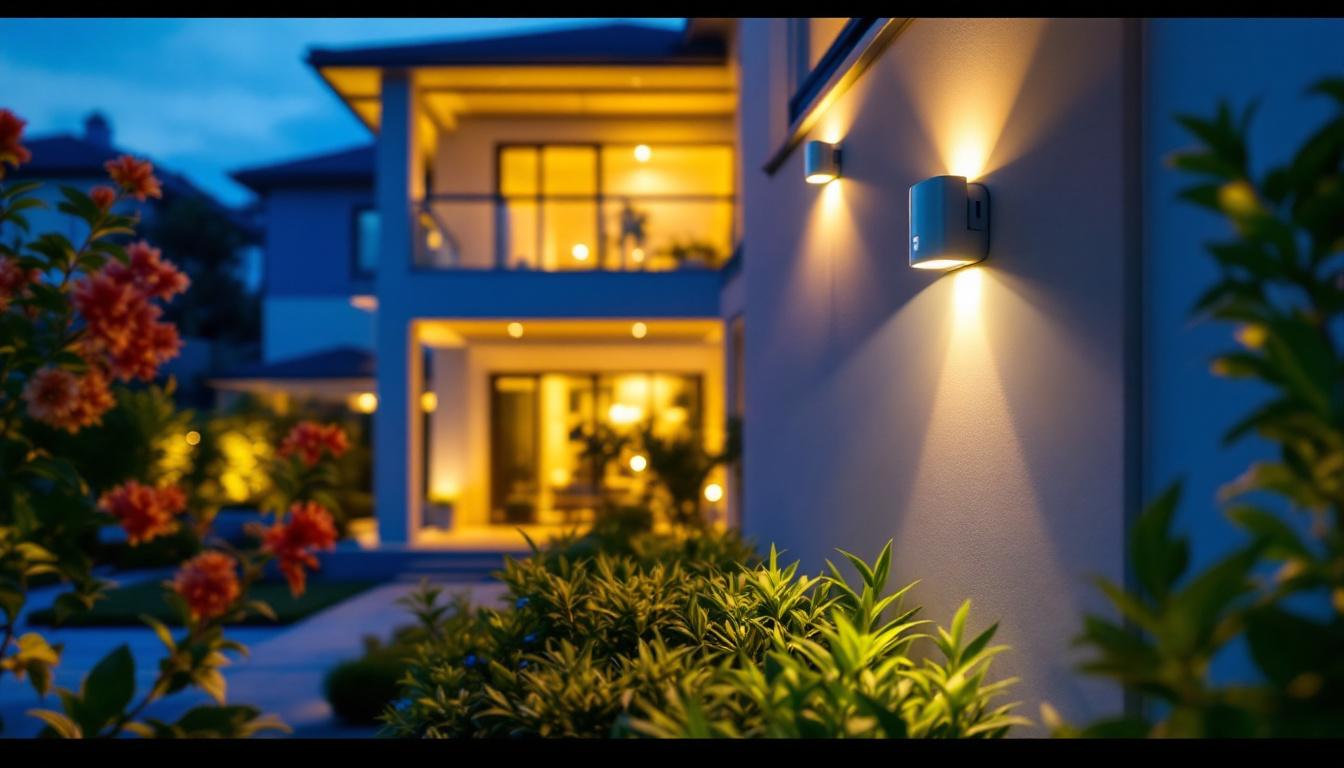
Outdoor sensor LED lights have become a staple in modern lighting design, especially for contractors focused on creating safe, energy-efficient, and user-friendly environments. These lighting solutions combine motion sensors with LED technology to provide illumination only when needed, reducing energy consumption and enhancing security.
LED (Light Emitting Diode) technology is known for its longevity and energy efficiency. When paired with sensors, these lights activate only upon detecting movement, which means they are not constantly consuming power. This feature is particularly valuable for outdoor applications such as pathways, driveways, building perimeters, and parking lots.
For lighting contractors, understanding the core benefits of outdoor sensor LED lights is essential. These include:
- Energy Savings: LEDs consume significantly less power compared to traditional bulbs, and sensor activation further minimizes unnecessary usage.
- Enhanced Security: Motion-activated lighting deters trespassers and alerts property owners to activity.
- Extended Lifespan: LEDs last longer than incandescent or halogen bulbs, reducing maintenance frequency and costs.
- Improved User Experience: Automatic lighting provides convenience and safety for residents and visitors alike.
In addition to these benefits, outdoor sensor LED lights also contribute to environmental sustainability. With their low energy consumption, they help reduce the carbon footprint associated with outdoor lighting. This is increasingly important in a world that is becoming more conscious of climate change and the need for sustainable practices. By choosing LED technology, contractors not only save their clients money on energy bills but also promote a greener approach to outdoor lighting.
Moreover, the versatility of outdoor sensor LED lights allows for a wide range of applications. From residential properties to commercial spaces, these lights can be strategically placed to enhance visibility and safety. For instance, in a commercial parking lot, sensor lights can illuminate pathways and entrances, guiding customers safely to their destinations while also ensuring that the area is well-lit during hours of operation. This adaptability makes them an attractive option for various lighting projects, catering to different needs and preferences.
Common Questions from Lighting Contractors About Outdoor Sensor LED Lights
What Types of Sensors Are Most Effective for Outdoor LED Lighting?
Lighting contractors often ask which sensor technologies are best suited for outdoor LED lighting applications. The two primary types are passive infrared (PIR) sensors and microwave sensors.
PIR sensors detect heat emitted by moving objects, such as people or animals. They are widely used due to their reliability and cost-effectiveness. However, PIR sensors can be affected by environmental factors like temperature fluctuations and direct sunlight, which may cause false triggers or reduced sensitivity. For instance, during a hot summer day, a PIR sensor might mistakenly register the heat from a nearby surface, leading to unnecessary activations.
Microwave sensors emit microwave pulses and measure the reflection off moving objects. These sensors tend to have a broader detection range and can detect motion through certain materials like glass or thin walls. However, they are more susceptible to interference from external sources such as radio waves, which may cause unintended activations. This characteristic makes microwave sensors particularly useful in complex environments, such as parking garages or areas with multiple structures, where traditional PIR sensors might struggle.
Many modern outdoor sensor LED lights combine both PIR and microwave sensors to leverage the strengths of each technology and minimize false triggers. Contractors should evaluate the installation environment and client needs when selecting sensor types. Additionally, understanding the specific use case—whether for security, convenience, or energy savings—can further guide the decision-making process.
How Do I Determine the Appropriate Detection Range and Angle?
Determining the correct detection range and angle is critical for effective outdoor sensor lighting. Overly sensitive sensors may activate unnecessarily, wasting energy and causing annoyance, while sensors with too narrow a range might fail to detect relevant movement.
Most sensor LED lights come with adjustable detection settings. Contractors should consider factors such as the size of the area to be illuminated, typical movement patterns, and potential obstructions like trees or walls. For example, a driveway sensor light might require a longer detection range and wider angle compared to a porch light. In contrast, a backyard light may need a more focused detection area to avoid activating for small animals or passing vehicles.
It is also important to position sensors at the correct height and orientation. Typically, mounting sensors between 6 to 10 feet high provides optimal coverage. Testing the sensor’s response after installation ensures it meets the desired performance criteria. Additionally, using a laser rangefinder or measuring tape can help accurately gauge the distance and angle, ensuring the sensor covers the intended area without unnecessary overlaps or gaps.
What Are the Best Practices for Installation to Maximize Sensor Performance?
Proper installation is vital to ensure sensor LED lights function as intended. Contractors should follow these best practices:
- Avoid Direct Sunlight: Position sensors away from direct sunlight to prevent false triggers caused by heat or light interference.
- Minimize Obstructions: Ensure the sensor’s line of sight is clear of objects that could block detection, such as bushes or fences.
- Consider Environmental Conditions: In areas prone to heavy rain, snow, or dust, use sensor lights with appropriate weatherproof ratings (e.g., IP65 or higher).
- Secure Wiring and Power Supply: Use proper conduits and waterproof connectors to protect electrical components from outdoor exposure.
- Test and Adjust: After installation, test the sensor’s detection range and sensitivity, and make adjustments as needed for optimal performance.
Furthermore, it’s beneficial to educate clients on how to use the sensor features effectively. Many modern sensors come with programmable settings that allow users to customize the sensitivity and duration of light activation. Providing a brief tutorial on these features can enhance user satisfaction and ensure the lighting system operates efficiently. Additionally, contractors should recommend periodic maintenance checks, especially in areas with heavy foliage or wildlife, to ensure that the sensors remain unobstructed and functional over time.
Energy Efficiency and Cost Considerations
How Much Energy Can Clients Expect to Save?
Energy efficiency is a key selling point for outdoor sensor LED lights. LEDs themselves use up to 75% less energy than incandescent bulbs, and when combined with motion sensors, energy consumption can be reduced even further.
Studies and field data show that sensor-activated lighting can cut outdoor lighting energy use by 30% to 60%, depending on usage patterns and sensor settings. For example, a parking lot that previously had lights running all night might only have them on for a fraction of the time with sensor control, leading to substantial savings.
Lighting contractors can use these figures to help clients estimate return on investment (ROI) and justify the initial installation costs.
What Are the Typical Costs and Maintenance Requirements?
The upfront cost of outdoor sensor LED lights is generally higher than traditional lighting solutions due to the integrated sensor technology and durable construction. However, the long-term savings in energy and maintenance usually offset this initial investment.
Maintenance requirements for sensor LED lights are minimal compared to older technologies. LEDs have long lifespans, often exceeding 25,000 hours, and sensors typically require little upkeep beyond occasional cleaning to remove dirt or debris that might obstruct detection.
Contractors should advise clients on the importance of selecting products with robust warranties and from reputable manufacturers to ensure reliability and support.
Addressing Security and Safety Concerns
Can Outdoor Sensor LED Lights Effectively Deter Crime?
Motion-activated lighting is widely recognized as an effective crime deterrent. The sudden illumination caused by sensor-triggered lights can startle intruders and increase the risk of detection, discouraging unauthorized activity.
Several studies have linked improved outdoor lighting with reductions in property crime rates. For lighting contractors, emphasizing this security benefit can be a compelling selling point for residential, commercial, and municipal clients.
It is important to design lighting layouts that eliminate dark spots and provide consistent coverage around entry points, pathways, and vulnerable areas to maximize security benefits.
How Do Sensor Lights Enhance Safety for Residents and Visitors?
Beyond security, outdoor sensor LED lights improve safety by illuminating walkways, stairs, and entrances only when needed. This reduces the risk of trips, falls, and other accidents in poorly lit areas.
Automatic lighting also offers convenience, especially for residents arriving home after dark, as they do not need to fumble for switches. For commercial properties, sensor lighting can guide customers and employees safely through parking areas and building entrances.
Contractors should consider integrating sensor LED lights with other safety features such as emergency lighting and signage for comprehensive outdoor safety solutions.
Technical and Regulatory Considerations
Are There Specific Codes or Standards to Follow?
Lighting contractors must be aware of local building codes, electrical standards, and energy regulations that apply to outdoor sensor LED lighting installations. Compliance ensures safety, legal adherence, and eligibility for potential rebates or incentives.
Common standards include the National Electrical Code (NEC) requirements for outdoor wiring and grounding, as well as energy codes that may mandate the use of sensor controls for certain outdoor lighting applications.
Additionally, contractors should verify that sensor LED lights meet certifications such as UL listing or DLC (DesignLights Consortium) qualification, which indicate product safety and energy efficiency.
How Can Contractors Ensure Compatibility with Smart Home or Building Automation Systems?
Increasingly, clients seek outdoor sensor LED lights that integrate with smart home or building automation platforms. This allows remote control, scheduling, and monitoring via smartphones or centralized management systems.
Contractors should familiarize themselves with products that offer connectivity options such as Wi-Fi, Zigbee, or Z-Wave protocols. Compatibility with popular platforms like Amazon Alexa, Google Home, or professional building management systems can add value to the installation.
Proper planning and coordination with IT and security professionals may be necessary to ensure seamless integration and cybersecurity.
Conclusion: Empowering Lighting Contractors with Knowledge
Outdoor sensor LED lights represent a sophisticated, energy-efficient, and security-enhancing solution that meets the evolving demands of modern lighting projects. For lighting contractors, a thorough understanding of sensor technologies, installation best practices, energy and cost implications, and regulatory requirements is essential to delivering successful outcomes.
By addressing common questions and challenges, contractors can confidently recommend and implement outdoor sensor LED lighting systems that satisfy client needs while optimizing performance and longevity.
Staying informed about advances in sensor technology and lighting controls will further position contractors as trusted experts in the field, capable of designing innovative, reliable, and sustainable outdoor lighting solutions.
Illuminate Your Projects with LumenWholesale
Ready to elevate your lighting projects with the most advanced outdoor sensor LED lights? At LumenWholesale, we offer contractors the finest spec-grade lighting solutions at prices that can’t be beaten. Say goodbye to middleman markups and hello to a vast selection of industry-standard, high-performance lighting. With free shipping on bulk orders, you can trust that you’re getting premium quality at the best value. Don’t compromise on quality or cost—choose LumenWholesale for lighting that combines efficiency, affordability, and convenience. Visit our website and discover the ideal lighting for your next project at Wholesale Lighting at the Best Value.