Understanding Low Profile LED Strips: A Foundation for Your Team
Low profile LED strips have revolutionized the lighting industry by offering sleek, energy-efficient, and versatile solutions for various applications. For lighting contractors, mastering the intricacies of these products is essential to meet client demands and stay competitive. Before training your team, it is crucial to establish a solid understanding of what low profile LED strips are, their benefits, and their applications.
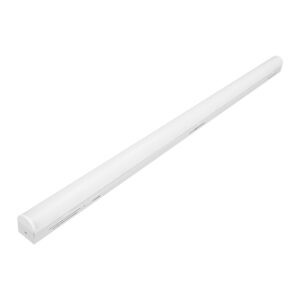
Low profile LED strips are characterized by their slim design, typically less than 10 millimeters in width and height, allowing them to fit into tight spaces where traditional lighting fixtures cannot. This feature makes them ideal for under-cabinet lighting, accent lighting, and architectural highlights. Their low heat output and energy efficiency also contribute to safer installations and reduced operational costs.
Equipping your team with this foundational knowledge ensures they can confidently recommend and install these strips, tailoring solutions to specific client needs. This understanding also fosters better communication with clients, enhancing trust and professionalism. Furthermore, as the demand for innovative lighting solutions grows, being well-versed in low profile LED technology can set your team apart from competitors, positioning them as experts in a rapidly evolving market.
Key Benefits of Low Profile LED Strips
Highlighting the advantages of low profile LED strips helps your team articulate their value to clients effectively. These benefits include:
- Space-saving design: Their slim form factor allows installation in narrow or concealed areas.
- Energy efficiency: LED technology consumes significantly less power compared to incandescent or fluorescent lighting.
- Longevity: LEDs offer extended lifespans, often exceeding 50,000 hours, reducing maintenance frequency.
- Customizability: Available in various colors, brightness levels, and with dimming capabilities.
- Low heat emission: Enhances safety and allows installation near heat-sensitive materials.
In addition to these benefits, low profile LED strips can also be integrated into smart home systems, allowing for remote control and automation. This feature not only adds convenience but also enables users to create dynamic lighting scenes that can change throughout the day or in response to specific activities. Moreover, the ability to synchronize lighting with music or other media enhances the ambiance of any space, making it more inviting and enjoyable. As your team becomes familiar with these advanced functionalities, they can better assist clients in realizing the full potential of their lighting designs, ultimately leading to increased satisfaction and repeat business.
Designing a Comprehensive Training Program for Your Lighting Team
Training a team to excel in low profile LED strip installations requires a structured, hands-on approach. A comprehensive program should cover product knowledge, technical skills, safety protocols, and customer service techniques. The goal is to empower your team to deliver high-quality, efficient, and safe lighting solutions.
1. Product Knowledge and Technical Specifications
Begin with in-depth sessions on the technical aspects of low profile LED strips. This includes understanding voltage requirements, wattage, color temperature, lumen output, and IP ratings for moisture resistance. Familiarize your team with the differences between single-color, RGB, and tunable white strips, as well as the implications of each for various projects.
Incorporate manufacturer datasheets and real-world product samples to enhance learning. Encourage questions and discussions to ensure clarity. Understanding these details enables your team to select the right products for each installation, optimizing performance and client satisfaction. Additionally, consider inviting guest speakers from manufacturers or industry experts to share insights on emerging technologies and trends in LED lighting, which can further enrich your team’s knowledge base.
2. Hands-On Installation Training
Practical experience is indispensable. Organize workshops where team members can practice cutting, connecting, mounting, and wiring low profile LED strips. Emphasize precision in measurements and adherence to manufacturer guidelines to avoid damage or performance issues.
Include training on compatible accessories such as connectors, controllers, power supplies, and diffusers. Demonstrate how to troubleshoot common problems like flickering, uneven lighting, or connectivity failures. This hands-on approach builds confidence and reduces on-site errors. To enhance this training, consider setting up mock installation environments that replicate real-world scenarios, allowing team members to face challenges they might encounter in the field, thereby preparing them for a variety of situations.
3. Safety and Compliance
Safety is paramount in any electrical installation. Train your team on electrical safety standards and local building codes related to LED lighting. Cover topics such as proper grounding, avoiding overloading circuits, and handling power supplies safely.
Additionally, educate the team on environmental considerations, including disposal of electronic components and energy-saving practices. Compliance with regulations not only ensures safety but also protects your company from legal liabilities. It may also be beneficial to incorporate first aid and emergency response training into your program, ensuring that your team is equipped to handle any unforeseen incidents that may arise during installations.
4. Customer Interaction and Consultation Skills
Effective communication with clients can differentiate your services. Train your team to assess client needs accurately, explain technical options in layman’s terms, and recommend solutions that balance aesthetics, functionality, and budget.
Role-playing scenarios can help team members practice handling client objections, managing expectations, and upselling complementary products like smart lighting controls. This skill set enhances customer satisfaction and can lead to repeat business and referrals. Furthermore, consider implementing feedback mechanisms where team members can learn from real client interactions, discussing what went well and what could be improved. This continuous learning approach fosters a culture of excellence and adaptability within your team.
Leveraging Technology and Tools to Enhance Training
Incorporating modern technology into your training program can accelerate learning and improve retention. Lighting contractors who invest in digital tools and resources often see better-prepared teams and smoother project execution.
Interactive Learning Platforms
Utilize online modules and video tutorials that cover product features, installation techniques, and troubleshooting tips. These resources allow team members to learn at their own pace and revisit complex topics as needed. Interactive quizzes and assessments can gauge understanding and identify areas for improvement.
Virtual and Augmented Reality Simulations
Emerging technologies like virtual reality (VR) and augmented reality (AR) offer immersive training experiences. For example, VR simulations can replicate installation environments, allowing trainees to practice without the constraints of physical materials or space. AR can overlay instructions or highlight components during live installations, providing real-time guidance.
While investment in these technologies may be significant, the long-term benefits in skill development and error reduction can justify the expense, especially for larger teams or complex projects.
Utilizing Manufacturer Support and Certification Programs
Many LED strip manufacturers offer training sessions, webinars, and certification programs. Encouraging your team to participate in these can provide up-to-date product knowledge and industry best practices. Certified technicians can also serve as a marketing advantage, demonstrating your company’s commitment to quality and professionalism.
Measuring Training Effectiveness and Continuous Improvement
Implementing a training program is just the beginning. To ensure ongoing success, it is essential to measure its effectiveness and continuously refine the approach based on feedback and performance metrics.
Tracking Key Performance Indicators (KPIs)
Identify KPIs related to installation quality, project completion times, customer satisfaction scores, and safety incident rates. Regularly review these metrics to assess how well the training translates into improved job performance. For example, a decrease in installation errors or callbacks may indicate successful technical training.
Gathering Feedback from Team Members
Encourage open communication by soliciting feedback on training content, delivery methods, and practical challenges faced on the job. This input can reveal gaps in knowledge or skills that require additional focus. It also fosters a culture of continuous learning and team engagement.
Updating Training Content Regularly
The lighting industry evolves rapidly with new products, technologies, and standards. Keep your training materials current by incorporating the latest information and trends. Periodic refresher courses and advanced training sessions can help your team stay ahead of the curve and maintain high standards.
Case Studies: Successful Team Training in Low Profile LED Lighting
Examining real-world examples can provide valuable insights into effective training strategies and their impact on business outcomes.
Case Study 1: Enhancing Efficiency Through Hands-On Workshops
A mid-sized lighting contractor implemented a series of hands-on workshops focused on low profile LED strip installations. Within months, the team reported a 30% reduction in installation time and a significant drop in client complaints related to lighting inconsistencies. The practical experience also boosted morale and confidence among technicians.
Case Study 2: Leveraging Manufacturer Certifications for Market Differentiation
Another company encouraged its team to obtain certifications from leading LED strip manufacturers. This initiative not only improved technical expertise but also became a key selling point in marketing materials. The company experienced a 15% increase in new contracts attributed to enhanced credibility and client trust.
Case Study 3: Integrating Technology for Remote Training
During periods of restricted on-site access, a contractor adopted virtual training platforms to continue skill development. The use of video tutorials and virtual Q&A sessions maintained team engagement and ensured project timelines were met without compromising quality.
Conclusion: Building a Skilled Team for Lighting Excellence
Training your team in low profile LED strip lighting is an investment that yields substantial returns in quality, efficiency, and customer satisfaction. By combining foundational knowledge, practical skills, safety awareness, and customer service training, lighting contractors can equip their teams to excel in this evolving market.
Incorporating technology-enhanced learning and leveraging manufacturer resources further strengthens your training program. Continuous evaluation and adaptation ensure your team remains proficient and confident, ultimately driving business growth and establishing your company as a leader in innovative lighting solutions.
Take Your Lighting Projects to the Next Level with LumenWholesale
Ready to elevate your lighting installations with the sleek and efficient low profile LED strips? At LumenWholesale, we provide lighting contractors like you with the highest quality, spec-grade lighting products at unbeatable wholesale prices. Say goodbye to local distributor markups and hello to superior lighting solutions that meet the strictest industry standards. With our hassle-free bulk buying and free shipping, you can ensure your team is equipped with premium lighting at the best value. Don’t compromise on quality or cost—choose LumenWholesale for a seamless blend of excellence and affordability. Wholesale Lighting at the Best Value is just a click away.