Understanding Convenience Store Fixtures: Why They Matter to Lighting Contractors
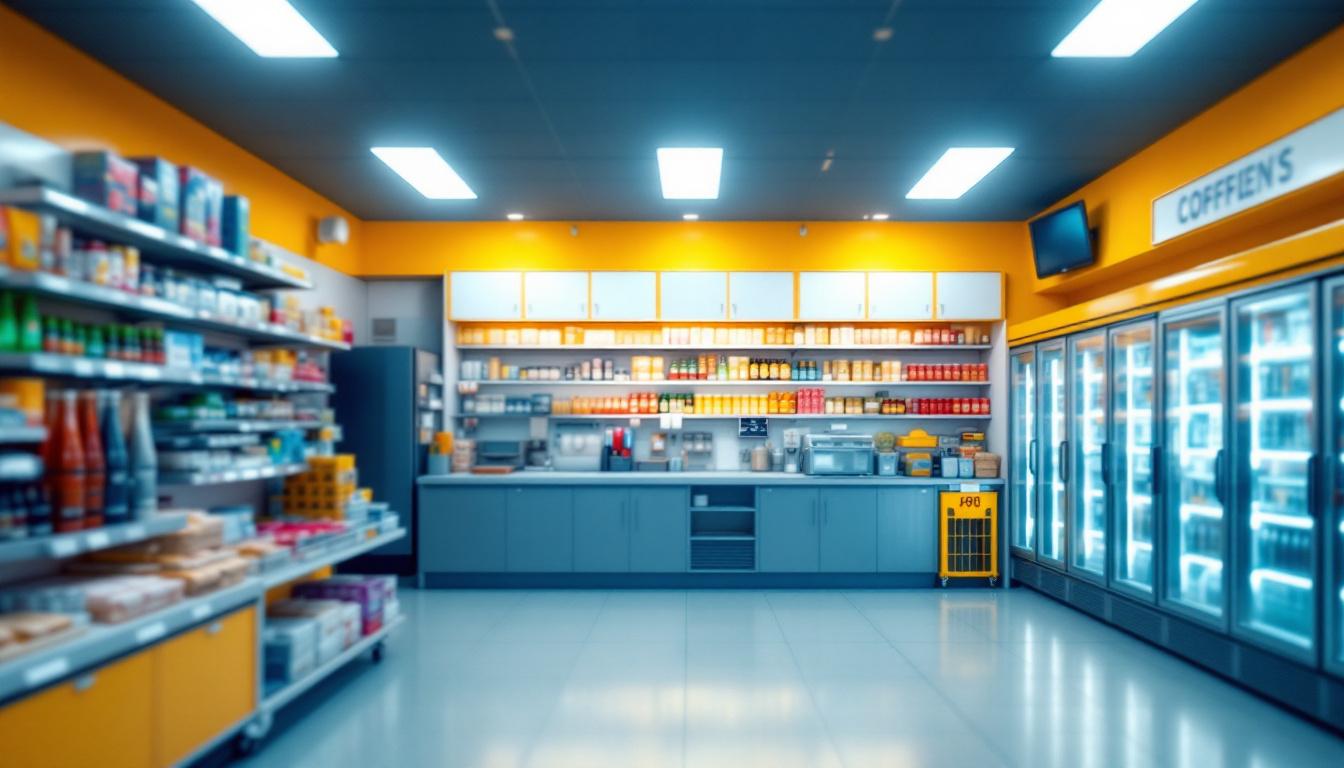
Convenience stores are unique retail environments that demand a carefully planned layout and lighting design to maximize sales and customer satisfaction. For lighting contractors, understanding the types of fixtures used in these stores is essential. The fixtures not only influence the store’s aesthetics but also impact energy efficiency, product visibility, and customer experience.
Lighting contractors often focus on the technical aspects of illumination, but integrating fixture knowledge into their work can lead to better project outcomes. Convenience store fixtures include shelving units, refrigerated cases, display racks, and checkout counters, each with specific lighting needs. Proper coordination between fixture placement and lighting design ensures that products are highlighted effectively, aisles are well-lit for safety, and the overall ambiance invites customers to stay longer.
Moreover, the choice of fixtures can significantly affect the store’s operational costs. Energy-efficient lighting solutions, such as LED fixtures, not only reduce electricity bills but also have a longer lifespan, which minimizes replacement costs and maintenance efforts. For lighting contractors, recommending sustainable options can enhance their reputation and appeal to environmentally conscious store owners. Additionally, the integration of smart lighting systems allows for dynamic adjustments based on time of day or customer traffic, further optimizing energy use and enhancing the shopping experience.
Furthermore, the psychological impact of lighting in convenience stores cannot be overlooked. Studies have shown that well-lit spaces can increase dwell time, encouraging impulse purchases. Lighting contractors should consider color temperature and brightness levels that create a welcoming environment. For instance, warmer tones can make a store feel more inviting, while brighter, cooler lights can enhance product visibility in refrigerated sections. By understanding the interplay between fixture design and lighting, contractors can create spaces that not only meet functional requirements but also foster a positive emotional response from customers, ultimately driving sales and loyalty.
Key Types of Convenience Store Fixtures and Their Lighting Implications
Shelving Units and Gondolas
Shelving units and gondolas form the backbone of product display in convenience stores. These fixtures are typically arranged in aisles, showcasing a wide range of merchandise from snacks to household essentials. For lighting contractors, the challenge is to provide uniform illumination that reduces shadows and glare while enhancing product visibility.
LED strip lights or linear fixtures are commonly integrated into shelving units to provide direct lighting on products. These fixtures help create a bright and inviting display, making it easier for customers to find items quickly. Additionally, energy-efficient LED lighting reduces heat output, which is crucial in maintaining product quality, especially for food items. The strategic placement of lighting can also influence customer behavior, encouraging them to explore different aisles and increasing the likelihood of impulse purchases. By adjusting the brightness and color temperature, store owners can create a warm and welcoming atmosphere that enhances the shopping experience.
Refrigerated Display Cases
Refrigerated display cases are critical fixtures in convenience stores, housing perishable goods such as beverages, dairy, and ready-to-eat meals. These cases require specialized lighting that can withstand cooler temperatures and moisture while enhancing product appeal.
Lighting contractors must select fixtures with appropriate color rendering indexes (CRI) to ensure that food items look fresh and appetizing. LED lighting is preferred here due to its low heat emission and durability. Moreover, lighting inside refrigerated cases often includes vertical LED strips or spotlights that highlight products without causing temperature fluctuations. The use of dynamic lighting techniques, such as color-changing LEDs, can also be employed to create seasonal displays or promotional events, drawing customers’ attention to new or featured products. This not only enhances the visual appeal of the items but also helps in creating a more engaging shopping environment.
Checkout Counters and Point-of-Sale Displays
The checkout area is a high-traffic zone where lighting plays a dual role: functional illumination for transactions and promotional lighting for impulse buys. Fixtures around checkout counters typically include overhead downlights and accent lighting on point-of-sale displays.
Lighting contractors should focus on creating a well-lit, comfortable environment that reduces eye strain for cashiers and customers. Additionally, accent lighting can be used strategically to draw attention to small, high-margin items like candy, batteries, or magazines placed near the register. The design of the checkout area can also incorporate backlit signage or digital displays that showcase promotions or loyalty programs, further engaging customers while they wait in line. This not only maximizes the use of lighting to enhance product visibility but also creates an opportunity for upselling, as customers are more likely to make additional purchases when they are presented with enticing offers at the point of sale.
Lighting Considerations Specific to Convenience Store Fixtures
Energy Efficiency and Sustainability
Convenience stores operate long hours, often 24/7, making energy consumption a significant concern. Lighting contractors must prioritize energy-efficient fixtures and controls to reduce operational costs and environmental impact. LEDs are the industry standard due to their longevity and low power consumption.
Incorporating occupancy sensors and daylight harvesting systems can further optimize energy use. For example, aisles with shelving units can be equipped with motion sensors that dim or turn off lights when no customers are present. Similarly, lighting near windows can adjust based on natural light availability, maintaining consistent illumination levels without wasting energy.
Color Temperature and Customer Experience
The color temperature of lighting fixtures affects how products appear and influences customer behavior. Warm white lighting (around 2700K to 3000K) creates a cozy, inviting atmosphere, which is suitable for areas like coffee stations or deli counters. Cooler white lighting (3500K to 4100K) enhances visibility and product contrast, ideal for aisles and refrigerated cases.
Lighting contractors should work closely with store designers to select color temperatures that align with the store’s brand and target demographic. Properly balanced lighting can increase the perceived freshness of food items and encourage longer browsing times, ultimately boosting sales.
Fixture Placement and Glare Control
Strategic fixture placement is crucial to avoid glare, which can cause discomfort and reduce product visibility. Lighting contractors must consider fixture height, beam angle, and spacing to achieve uniform illumination without hotspots or dark zones.
For example, recessed downlights with adjustable trims can be aimed to highlight specific displays while minimizing direct glare into customers’ eyes. Similarly, diffusers or lenses can soften light output, creating a more pleasant shopping environment. Proper coordination with fixture manufacturers ensures that lighting integrates seamlessly with store fixtures.
Common Challenges Lighting Contractors Face with Convenience Store Fixtures
Retrofit Projects and Compatibility Issues
Many convenience stores undergo renovations or lighting upgrades that require retrofitting new fixtures into existing spaces. Lighting contractors often encounter compatibility issues with older fixture designs or electrical systems. Understanding the dimensions, mounting options, and electrical requirements of convenience store fixtures helps avoid costly mistakes.
For instance, replacing fluorescent tubes in refrigerated cases with LED tubes demands attention to ballast compatibility and wiring. Contractors must verify that new fixtures meet safety codes and maintain the integrity of refrigeration systems.
Balancing Aesthetics with Functionality
While lighting must be functional, it also contributes to the store’s overall aesthetic appeal. Lighting contractors must balance technical requirements with design goals, ensuring that fixtures complement the store’s branding and interior design.
Collaborating with architects and interior designers during the planning phase can help achieve this balance. Selecting fixtures with customizable color temperatures, dimming capabilities, and sleek profiles allows for flexible lighting schemes that adapt to changing merchandising needs.
Meeting Regulatory and Safety Standards
Convenience stores must comply with local building codes, electrical standards, and safety regulations. Lighting contractors should be familiar with these requirements, including emergency lighting, exit signage illumination, and proper fixture ratings for wet or damp locations.
Ensuring that all fixtures used in refrigerated cases or near water sources have appropriate ingress protection (IP) ratings prevents electrical hazards. Additionally, emergency lighting systems must provide sufficient illumination during power outages to facilitate safe evacuation.
Best Practices for Lighting Contractors Working with Convenience Store Fixtures
Conduct Thorough Site Assessments
Before installation, lighting contractors should perform detailed site assessments to understand fixture layouts, existing lighting conditions, and electrical infrastructure. This step helps identify potential challenges and informs fixture selection and placement strategies.
Utilize Lighting Controls and Automation
Integrating lighting controls such as dimmers, timers, and occupancy sensors enhances energy savings and operational flexibility. Automated systems can adjust lighting based on store hours, foot traffic, and ambient light, providing optimal illumination at all times.
Prioritize Maintenance and Accessibility
Convenience stores require fixtures that are easy to maintain and replace. Lighting contractors should select fixtures with accessible components and provide clear documentation for store staff. This approach minimizes downtime and ensures consistent lighting quality.
Stay Updated on Industry Innovations
The lighting industry is rapidly evolving, with advancements in LED technology, smart lighting, and fixture design. Lighting contractors should stay informed about new products and best practices to offer clients the most efficient and effective solutions.
Conclusion: Enhancing Convenience Store Lighting Through Fixture Knowledge
For lighting contractors, understanding convenience store fixtures is more than a technical necessity—it’s a pathway to delivering superior lighting solutions that enhance product presentation, improve energy efficiency, and elevate the customer experience. By mastering the types of fixtures, their lighting requirements, and common challenges, contractors can contribute significantly to the success of convenience store projects.
Incorporating best practices such as thorough site assessments, energy-efficient fixture selection, and collaboration with design teams ensures that lighting installations meet both functional and aesthetic goals. Ultimately, this expertise positions lighting contractors as valuable partners in the retail industry, capable of transforming convenience stores into well-lit, inviting spaces that drive sales and customer loyalty.
Illuminate Your Convenience Store Projects with LumenWholesale
Ready to take your convenience store lighting projects to the next level? LumenWholesale is here to support you with an unbeatable selection of spec-grade lighting products at wholesale prices. Say goodbye to local distributor markups and hello to top-quality lighting that meets the highest industry standards. With free shipping on bulk orders, you can trust that you’re getting premium lighting at the best value — no hidden fees, no compromises. Elevate your lighting installations with the perfect blend of quality, affordability, and convenience. Wholesale Lighting at the Best Value is just a click away.