Understanding the Evolution of American Gas Lighting
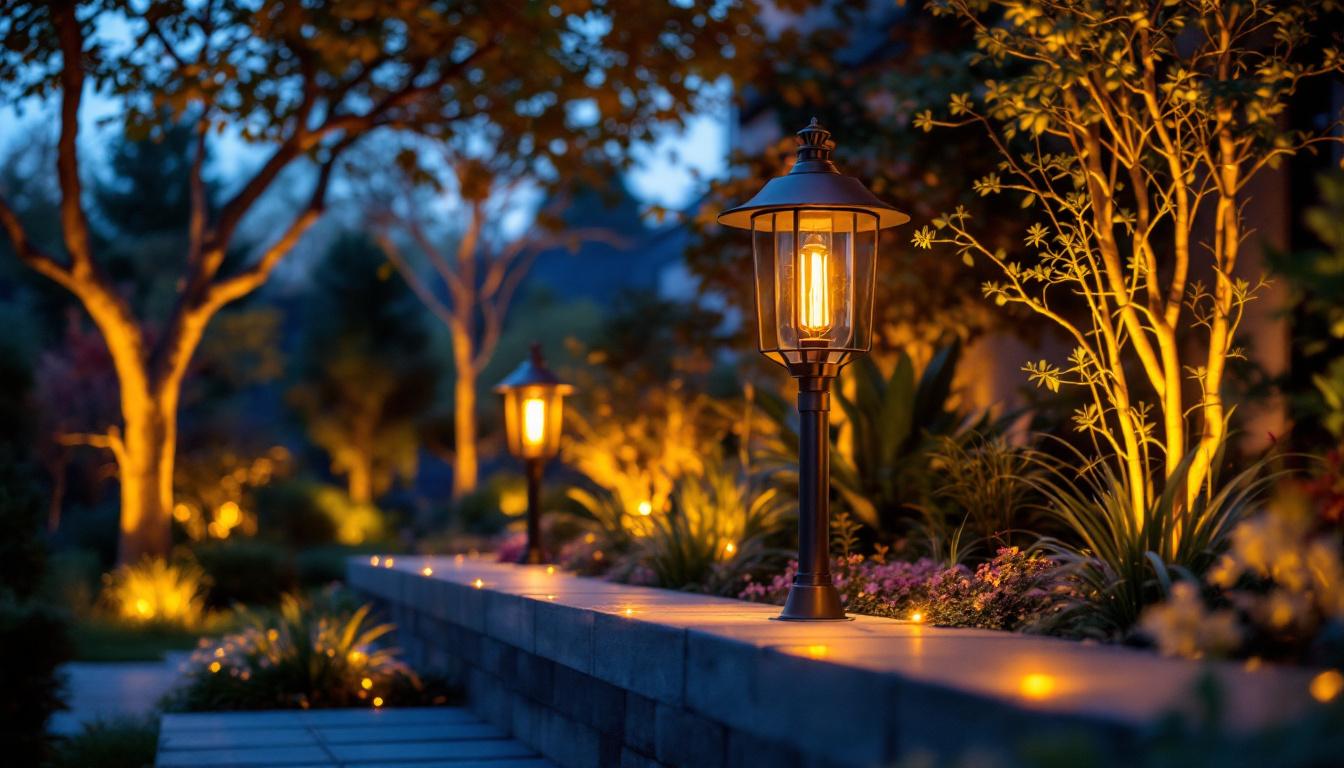
Before the widespread adoption of electricity, gas lighting was the cornerstone of urban illumination across America. From the flickering flames of gas lamps lining historic streets to the ornate fixtures illuminating grand theaters, gas light played a pivotal role in shaping the ambiance and functionality of public and private spaces. While modern lighting technologies have largely supplanted traditional gas lamps, the principles and aesthetics of gas lighting continue to influence contemporary design and innovation.
For lighting contractors, appreciating the legacy of American gas lighting is more than a nod to history; it provides valuable insights into durability, energy efficiency, and user experience. Many early gas lighting systems were engineered for longevity and ease of maintenance, qualities that remain relevant when planning projects intended to stand the test of time. Moreover, the warm, inviting glow characteristic of gas light offers inspiration for creating atmospheres that resonate emotionally with occupants.
The journey of gas lighting in America began in the early 19th century, when cities like Baltimore and New York City first experimented with coal gas as a means of illumination. The initial installations were met with skepticism, yet they quickly gained popularity due to their ability to provide brighter and more reliable light than candles or oil lamps. As urban areas expanded, gas lighting became a symbol of progress and modernity, with municipalities investing heavily in gas infrastructure to enhance public safety and extend social activities into the night. This transition marked a significant cultural shift, as the glow of gas lamps allowed for a vibrant nightlife, fostering community gatherings and the flourishing of entertainment venues.
As the technology evolved, so too did the artistry of gas lighting fixtures. Craftsmen began to create elaborate designs that not only served a functional purpose but also acted as decorative elements in homes and public spaces. The intricate glasswork and metal designs of gas lamps reflected the artistic movements of their time, from Victorian opulence to the clean lines of Art Deco. Today, many of these vintage fixtures are sought after for their aesthetic value, often being repurposed in modern settings to evoke a sense of nostalgia while still providing practical illumination. This blend of history and innovation showcases how gas lighting continues to inspire contemporary designers, reminding us of the enduring allure of a well-crafted light source.
Key Challenges in Modern Lighting Projects
Today’s lighting contractors face a complex array of challenges when designing and implementing lighting systems. These include rapidly evolving technology, increasing energy efficiency standards, and growing demand for sustainability. Additionally, the integration of smart lighting controls and the need for adaptability in multi-use environments complicate project planning and execution.
One significant challenge is balancing aesthetic appeal with functionality and compliance. Clients often desire visually striking lighting solutions that also meet stringent energy codes and provide seamless user control. Contractors must navigate these demands while managing budgets and timelines, requiring a strategic approach to product selection and system design.
Energy Efficiency and Environmental Considerations
Energy consumption remains a primary concern in lighting projects. With lighting accounting for a substantial portion of commercial energy use, implementing efficient solutions is critical. Contractors must stay informed about advancements in LED technology, occupancy sensors, and daylight harvesting systems to optimize energy savings. Furthermore, sustainability extends beyond energy use to include material selection, recyclability, and minimizing light pollution.
Technological Integration and Future-Proofing
The rise of the Internet of Things (IoT) has transformed lighting into an interconnected system capable of dynamic control and data collection. Future-proofing lighting projects means selecting components and platforms that support firmware updates, interoperability, and scalability. This foresight ensures that installations remain relevant and valuable as technology evolves, protecting clients’ investments over time.
Strategies to Future-Proof Lighting Projects
To deliver lighting solutions that endure and adapt, contractors should adopt a holistic approach encompassing design, technology, and client collaboration. The following strategies provide a roadmap for future-proofing lighting projects effectively.
1. Prioritize Modular and Scalable Systems
Modularity allows lighting systems to be expanded or reconfigured without extensive rewiring or replacement. Selecting fixtures and control systems designed with modularity in mind enables clients to adapt their lighting as needs change. For example, modular LED fixtures with interchangeable components can be upgraded to improve performance or aesthetics without discarding the entire system.
Scalability is equally important, especially in commercial or institutional settings. Lighting controls that support additional zones or devices facilitate incremental upgrades, accommodating growth or evolving use cases. Contractors should evaluate manufacturers’ roadmaps and support policies to ensure long-term compatibility.
2. Embrace Open Standards and Interoperability
Proprietary lighting systems may offer short-term benefits but often limit flexibility and future integration. Open standards such as DALI (Digital Addressable Lighting Interface) and protocols like Zigbee or Bluetooth Mesh promote interoperability among devices from different manufacturers. This openness empowers clients to select best-in-class components and integrate lighting with broader building management systems.
For contractors, advocating for open standards enhances project longevity and reduces the risk of obsolescence. It also simplifies maintenance and troubleshooting, as technicians can leverage a wider range of tools and expertise.
3. Incorporate Smart Controls and Automation
Smart lighting controls are no longer a luxury but a necessity in modern projects. Features such as occupancy sensing, daylight harvesting, and scheduling optimize energy use and improve occupant comfort. Moreover, automation enables responsive environments that adjust lighting based on activity, time of day, or external conditions.
When specifying controls, contractors should focus on systems that offer user-friendly interfaces and remote management capabilities. Cloud-based platforms and mobile apps facilitate real-time monitoring and adjustments, enhancing operational efficiency and client satisfaction.
4. Select Durable, High-Quality Materials
Longevity begins with material choice. Fixtures constructed from corrosion-resistant metals, UV-stabilized polymers, and robust glass components withstand environmental stresses and reduce maintenance needs. For outdoor lighting, weatherproofing and impact resistance are critical to preserving performance and appearance.
Investing in quality materials may increase upfront costs but yields dividends through reduced downtime, fewer replacements, and sustained aesthetic appeal. Contractors should educate clients on the total cost of ownership to justify these investments.
5. Plan for Maintenance and Upgradability
Future-proofing extends beyond installation to encompass ongoing maintenance and upgrades. Designing lighting systems with accessible components and standardized parts simplifies repairs and replacements. Additionally, documenting system configurations and providing training to facility managers empower clients to manage their lighting effectively.
Contractors should establish maintenance schedules and recommend service agreements that align with the system’s complexity and client resources. Proactive maintenance preserves system integrity and performance, safeguarding the project’s long-term success.
Case Studies: Successful Future-Proofed Lighting Projects
Examining real-world examples illustrates how these strategies translate into effective outcomes. Two notable projects highlight different aspects of future-proofing in action.
Urban Streetscape Revitalization
A mid-sized city undertook a streetscape revitalization to enhance safety and aesthetics while reducing energy consumption. The project replaced aging gas lamps with modular LED fixtures featuring warm color temperatures to preserve historic character. Lighting controls incorporated occupancy sensors and dimming capabilities, adjusting illumination based on pedestrian activity.
By selecting fixtures compatible with open protocols, the city ensured future upgrades could integrate emerging technologies. The system’s modular design allowed phased implementation and easy maintenance, resulting in a vibrant, energy-efficient streetscape that honors its gas lighting heritage.
Corporate Campus Lighting Upgrade
A large corporate campus sought to modernize its interior and exterior lighting to improve employee well-being and reduce operational costs. The contractor implemented a scalable smart lighting system with centralized control, enabling tailored lighting scenes for different workspaces and events. Durable materials and flexible fixtures accommodated diverse architectural styles across buildings.
Comprehensive training and documentation empowered the client’s facilities team to manage and expand the system independently. The upgrade delivered significant energy savings and enhanced occupant comfort, demonstrating the value of future-proofed design.
Emerging Trends Shaping the Future of Lighting
Staying ahead in the lighting industry requires awareness of emerging trends that will influence project requirements and opportunities. Contractors who anticipate these shifts can position themselves as trusted advisors and innovators.
Human-Centric Lighting
Research increasingly underscores the impact of lighting on human health and productivity. Human-centric lighting (HCL) designs mimic natural light patterns, supporting circadian rhythms and enhancing mood. Integrating tunable white LEDs and dynamic controls enables environments that adapt throughout the day.
Contractors should familiarize themselves with HCL principles and incorporate them into project proposals, especially for healthcare, education, and office settings where occupant well-being is paramount.
Integration with Renewable Energy
As sustainability goals intensify, lighting systems are expected to harmonize with renewable energy sources like solar and wind. Energy storage and smart grid technologies facilitate this integration, allowing lighting to respond to energy availability and reduce grid strain.
Designing lighting projects with energy management in mind enhances resilience and environmental performance, appealing to clients committed to green building certifications and carbon reduction.
Advancements in Materials and Manufacturing
Innovations such as 3D printing and advanced coatings are expanding possibilities for custom, lightweight, and durable lighting fixtures. These technologies enable rapid prototyping and tailored solutions that meet unique architectural and functional demands.
Contractors who leverage these advancements can offer clients distinctive designs that differentiate their spaces while maintaining quality and longevity.
Conclusion: Building Lighting Projects That Stand the Test of Time
Future-proofing lighting projects is a multifaceted endeavor requiring a blend of historical insight, technical expertise, and strategic planning. By prioritizing modularity, open standards, smart controls, quality materials, and maintenance planning, lighting contractors can deliver solutions that remain functional, efficient, and aesthetically compelling for years to come.
Embracing emerging trends such as human-centric lighting and renewable energy integration further positions contractors at the forefront of industry innovation. Ultimately, the goal is to create lighting environments that not only meet today’s demands but also adapt gracefully to tomorrow’s challenges, ensuring lasting value for clients and communities alike.
Illuminate Your Projects with LumenWholesale
Ready to elevate your lighting projects with the perfect blend of historical elegance and cutting-edge technology? At LumenWholesale, we provide lighting contractors with the highest quality, spec-grade lighting products at unbeatable wholesale prices. Our extensive selection is designed to meet the most rigorous industry standards, ensuring your projects shine with reliability and performance. With free shipping on bulk orders, you can secure premium lighting solutions at the best value—without any hidden fees. Don’t compromise on quality or cost; choose LumenWholesale for a seamless, cost-effective experience. Discover wholesale lighting at the best value today and future-proof your lighting projects with confidence.