Introduction to Fluorescent Tube Lighting
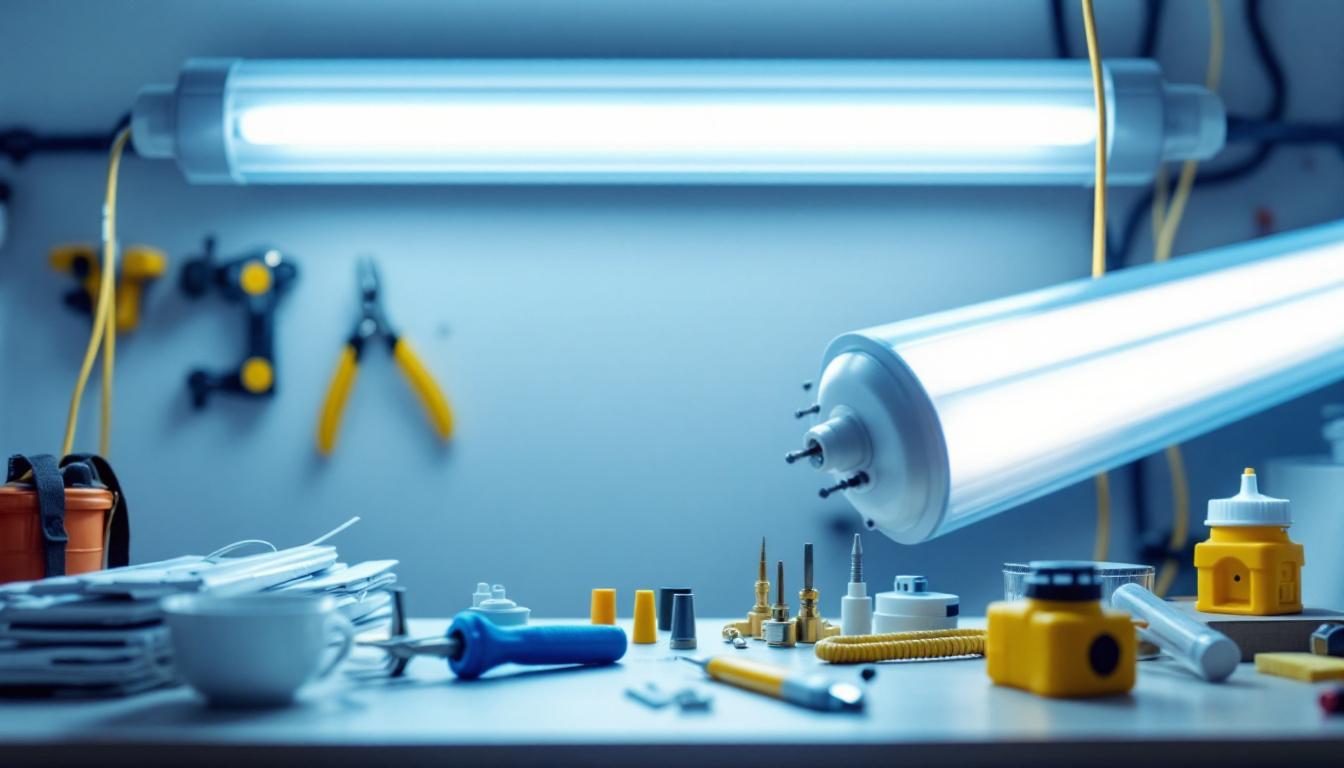
Fluorescent tube lighting remains a popular choice for commercial, industrial, and residential applications due to its energy efficiency and long lifespan. For lighting contractors, understanding the wiring and operational principles of fluorescent tube lights is essential to ensure safe installation, maintenance, and troubleshooting. This article delves into the wiring diagrams, components, and science behind fluorescent tube lighting, providing a comprehensive guide tailored for professionals in the field.
While LED technology is gaining ground, fluorescent lighting still holds a significant market share, especially in large-scale installations where cost-effectiveness and brightness are critical. Mastery of fluorescent tube wiring not only improves installation quality but also enhances client satisfaction and safety compliance.
Fluorescent tubes operate by passing an electric current through a gas, typically a mixture of argon and mercury vapor, which emits ultraviolet light when energized. This ultraviolet light then interacts with a phosphor coating on the inside of the tube, producing visible light. Understanding this process is crucial for contractors, as it highlights the importance of selecting the correct ballast and ensuring proper electrical connections. Moreover, the choice of phosphor can significantly affect the color rendering index (CRI) and overall light quality, making it essential for contractors to consider the specific needs of each installation.
In addition to the technical aspects, contractors should also be aware of the environmental considerations associated with fluorescent lighting. While these tubes are more energy-efficient than traditional incandescent bulbs, they do contain small amounts of mercury, which necessitates careful handling and disposal. Many regions have regulations in place regarding the disposal of fluorescent tubes, and contractors must be informed about these guidelines to ensure compliance and promote sustainable practices. By being knowledgeable about both the technical and environmental aspects of fluorescent lighting, contractors can provide a more comprehensive service to their clients, ensuring that installations are not only effective but also responsible.
Fundamentals of Fluorescent Tube Lighting
How Fluorescent Tubes Work
Fluorescent tubes operate on the principle of gas discharge. Inside the glass tube, a low-pressure mercury vapor emits ultraviolet (UV) light when electrically excited. This UV light then interacts with the phosphor coating on the inner surface of the tube, producing visible light. This process is more energy-efficient compared to incandescent bulbs, as less energy is wasted as heat. The efficiency of fluorescent tubes is one of the reasons they have been widely adopted in commercial and residential settings, providing bright illumination while consuming significantly less power.
The electrical current required to initiate and maintain this discharge is controlled by several key components, including the ballast, starter, and filaments at each end of the tube. Understanding these components and their roles is fundamental for any lighting contractor working with fluorescent systems. Additionally, the lifespan of fluorescent tubes can be significantly extended when they are used in environments that minimize frequent on-off cycling, as this can lead to premature failure of the components involved in the lighting process.
Key Components in Fluorescent Tube Lighting
The main components involved in fluorescent tube lighting wiring include:
- Fluorescent Tube: The glass tube containing mercury vapor and phosphor coating.
- Ballast: Regulates the current flowing through the tube to prevent overheating and damage.
- Starter: Provides the initial surge of voltage to ionize the gas inside the tube and heat the filaments.
- Filaments/Electrodes: Located at both ends of the tube, these heat up to emit electrons that help ionize the gas.
- Power Supply: Typically the main AC line voltage feeding the fixture.
Each component must be correctly wired and compatible to ensure optimal performance and longevity of the fluorescent lighting system. The ballast, for instance, comes in two main types: magnetic and electronic. Magnetic ballasts are older technology, often bulkier and heavier, while electronic ballasts are more compact and provide better efficiency and flicker-free operation. Furthermore, the choice of fluorescent tube—whether T12, T8, or T5—also plays a crucial role in determining the overall energy consumption and light output of the system. T5 tubes, for example, are known for their slim profile and high efficiency, making them a popular choice in modern lighting designs.
Understanding Fluorescent Tube Light Wiring Diagrams
Basic Wiring Diagram Overview
A typical fluorescent tube light wiring diagram illustrates the connection between the power supply, ballast, starter, and the fluorescent tube itself. The wiring is designed to ensure that the ballast controls the current, the starter initiates the lighting process, and the filaments heat up properly.
The most common wiring setup includes a series connection of the starter and one filament, with the ballast connected in series to regulate the current. The other filament is connected directly to the power supply line. This arrangement allows the starter to preheat the filaments and then open the circuit to allow the tube to light.
Step-by-Step Wiring Explanation
1. Power Input: The live wire from the power supply connects to one terminal of the ballast.
2. Ballast to Filament: The ballast’s output terminal connects to one end of the fluorescent tube’s filament.
3. Filament to Starter: The other end of the filament connects to one terminal of the starter.
4. Starter to Neutral: The other terminal of the starter connects to the neutral wire of the power supply.
5. Second Filament: The second filament on the opposite end of the tube connects directly to the neutral wire.
This wiring ensures that when power is applied, the starter allows current to flow through the filaments, heating them. The starter then opens, causing a high voltage across the tube, which ionizes the gas and produces light.
Variations in Wiring: Instant Start and Rapid Start Systems
Lighting contractors should be aware of different fluorescent tube systems, as wiring varies depending on the ballast type:
- Instant Start Ballasts: These do not use a starter. Instead, they apply a high voltage immediately to start the lamp. Wiring is simpler but can reduce lamp life if used in frequent on/off cycles.
- Rapid Start Ballasts: These provide a low voltage to the filaments continuously, heating them before and during starting. Wiring includes connections to both filaments and the ballast, without a starter.
Understanding these differences is crucial for selecting the right ballast and wiring method for specific applications.
Safety Considerations and Best Practices for Wiring
Ensuring Compliance with Electrical Codes
Lighting contractors must adhere to national and local electrical codes when installing fluorescent tube lights. Proper grounding, wire sizing, and secure connections are non-negotiable for safety and reliability. Using UL-listed components and following manufacturer wiring diagrams helps ensure compliance.
Additionally, contractors should verify that the ballast is rated for the voltage and wattage of the fluorescent tube being installed. Overloading or mismatched components can lead to premature failure or hazardous conditions.
Common Wiring Mistakes and How to Avoid Them
Some frequent wiring errors include:
- Reversing the live and neutral wires, which can cause shock hazards.
- Incorrect starter placement or using the wrong type of starter.
- Failing to connect the ballast properly, resulting in flickering or no light.
- Using incompatible ballasts and tubes, leading to reduced lamp life or failure.
Contractors should double-check wiring connections against diagrams and test fixtures before finalizing installations.
Maintenance Tips for Fluorescent Lighting Systems
Regular inspection and maintenance extend the life of fluorescent lighting systems. Contractors should advise clients to:
- Replace starters periodically, as they wear out faster than tubes or ballasts.
- Check for signs of ballast overheating or failure, such as buzzing sounds or flickering lights.
- Clean fixtures to prevent dust accumulation, which can reduce light output and cause heat buildup.
Proper maintenance reduces downtime and ensures energy-efficient operation.
Advanced Topics: Electronic Ballasts and Energy Efficiency
Transition from Magnetic to Electronic Ballasts
Traditional fluorescent lighting systems use magnetic ballasts, which are heavier, generate more heat, and cause flickering. Electronic ballasts have largely replaced magnetic ones due to their efficiency, quieter operation, and ability to provide instant or rapid start without a starter.
Electronic ballasts operate at higher frequencies, improving lamp efficacy and reducing energy consumption by up to 30%. Lighting contractors should be familiar with electronic ballast wiring, which often involves fewer components and simpler diagrams.
Energy Savings and Environmental Impact
Fluorescent lighting, especially when paired with electronic ballasts, offers significant energy savings compared to incandescent lighting. For large commercial installations, this translates into substantial cost reductions and lower carbon footprints.
Contractors can leverage this knowledge to recommend energy-efficient lighting solutions to clients, including retrofitting older fixtures with electronic ballasts or upgrading to T8 or T5 fluorescent tubes, which consume less power and provide better light quality.
Integration with Modern Lighting Controls
Modern fluorescent lighting systems can be integrated with occupancy sensors, daylight harvesting controls, and dimmers to optimize energy use. Wiring for these controls requires additional knowledge of control circuits and compatibility with ballasts.
Contractors skilled in wiring fluorescent tube lights with advanced controls provide added value by enabling clients to achieve smarter, more sustainable lighting environments.
Conclusion
For lighting contractors, mastering the wiring and science behind fluorescent tube lights is fundamental to delivering safe, efficient, and reliable lighting solutions. From understanding the basic wiring diagrams to navigating the nuances of ballast types and advanced control integrations, a thorough grasp of these concepts ensures professional excellence.
Staying updated with evolving technologies and adhering to best practices not only enhances installation quality but also positions contractors as trusted experts in the lighting industry. Fluorescent tube lighting, despite emerging alternatives, remains a cornerstone of commercial and industrial illumination, making this knowledge indispensable.
Illuminate Your Projects with LumenWholesale
As a lighting contractor, your expertise in fluorescent tube light wiring is crucial for delivering top-notch solutions. At LumenWholesale, we support your professional excellence with an extensive range of high-quality, spec-grade lighting products at unbeatable wholesale prices. Our commitment to quality and affordability ensures that you can equip your projects with the best lighting options available, without the burden of inflated costs. Plus, with free shipping on bulk orders, you can stock up on all your lighting needs efficiently and economically. Elevate your lighting installations by choosing Wholesale Lighting at the Best Value with LumenWholesale, where quality meets affordability and convenience.